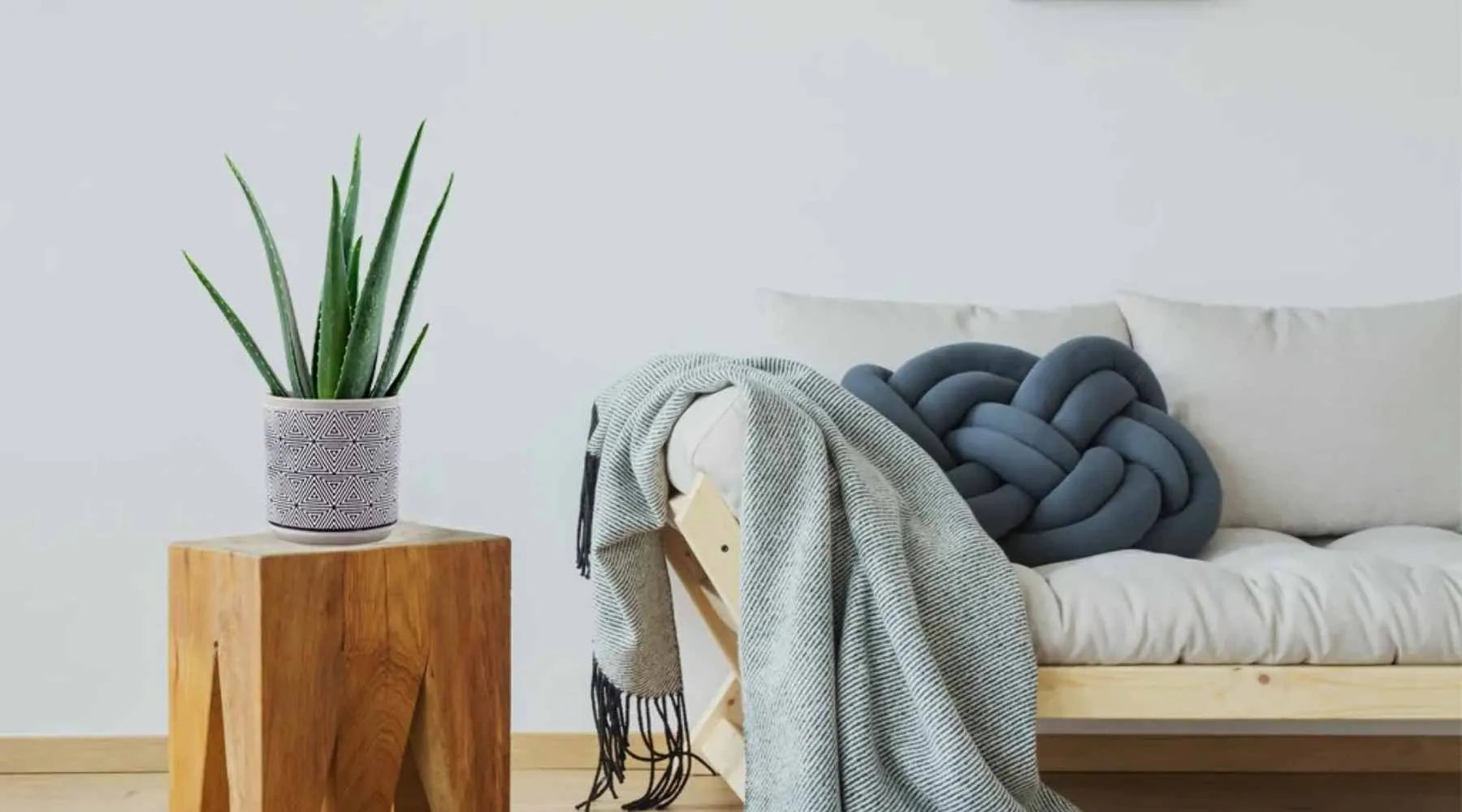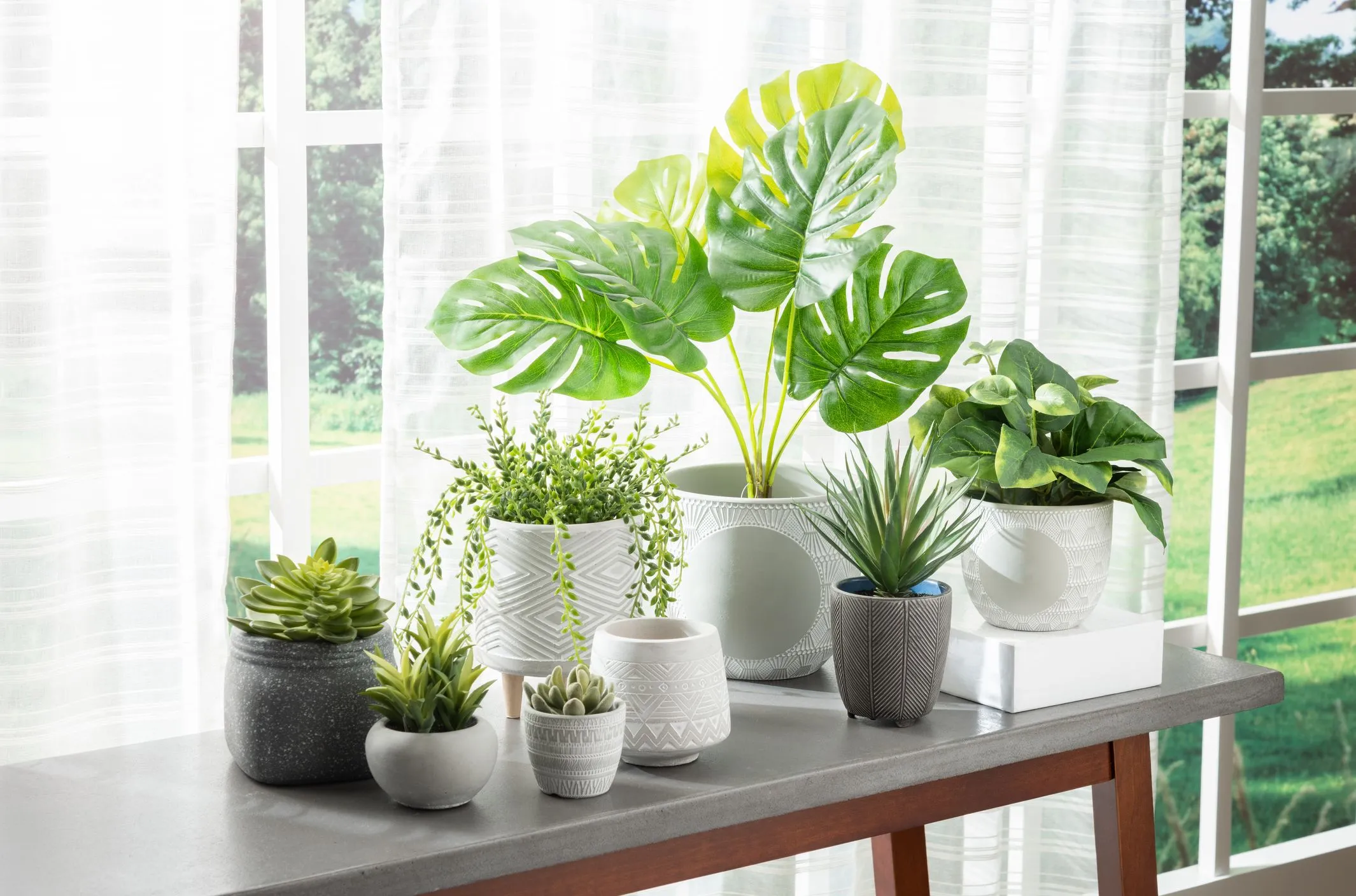
- Transform your indoor air naturally with simple plant combinations.
- Learn which plants are best suited for creating “adaptive air-purifying blends.”
- Discover how to care for these resilient plants for long-lasting clean air benefits.
- Add beauty and tranquility to your home while enhancing your well-being.
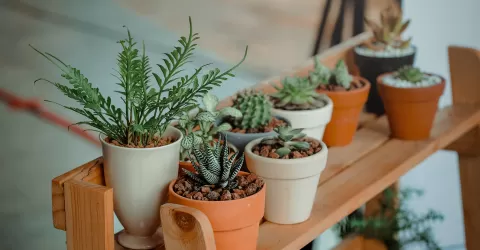
Imagine stepping into your home and being greeted by a wave of fresh, clean air, infused with the gentle scent of nature. This isn’t just a dream – it’s a reality you can cultivate with the right green companions. At The Little Garden, we believe in the power of bringing the outdoors in, and one of the most rewarding ways to do this is by creating adaptive air-purifying plant blends. These aren’t just random collections of greenery; they are carefully considered groupings designed to thrive in typical indoor conditions while working tirelessly to filter common pollutants and enhance your home’s atmosphere.
The Natural Air Filters in Your Home
We spend a significant amount of time indoors, and the air quality in our homes can be surprisingly lower than outside due to common household products, furniture, and building materials. While technology like advanced air purifiers offers powerful solutions, incorporating live plants provides a natural, beautiful, and ongoing layer of air enhancement. Plants don’t just add aesthetic appeal; their leaves, roots, and the microbes in their soil actively work to filter certain airborne toxins and improve humidity levels.
What Makes a Plant “Adaptive”?
The “adaptive” part of adaptive air-purifying plant blends is key for busy gardeners or those new to houseplants. Adaptive plants are resilient survivors. They can tolerate less-than-ideal light conditions (though specific needs vary), are forgiving if you occasionally forget to water, and don’t demand perfect humidity levels. Choosing adaptive plants means less stress for you and happier, healthier plants that can focus their energy on purifying your air.
Crafting Your Air-Purifying Blends
Creating a “blend” isn’t just about putting plants next to each other; it’s about selecting species that complement each other in terms of care needs and air-purifying strengths, while also looking beautiful together. You can create blends for low-light corners, blends for busy areas needing maximum air filtration, or blends simply based on your favorite foliage textures and colors. The synergy of multiple plants working together in a space can amplify their positive effects.
Popular Adaptive Air-Purifying Plant Blends
This is where the fun begins – choosing your green teammates! Here are a few ideas for adaptive air-purifying plant blends that are both effective and easy to care for.
Blend Idea 1: The Low-Light & Low-Maintenance Team
Not all rooms are bathed in sunlight, and that’s okay! This blend combines incredibly resilient plants that don’t demand much light or attention but are still excellent air purifiers. Perfect for bedrooms, offices, or hallways.
-
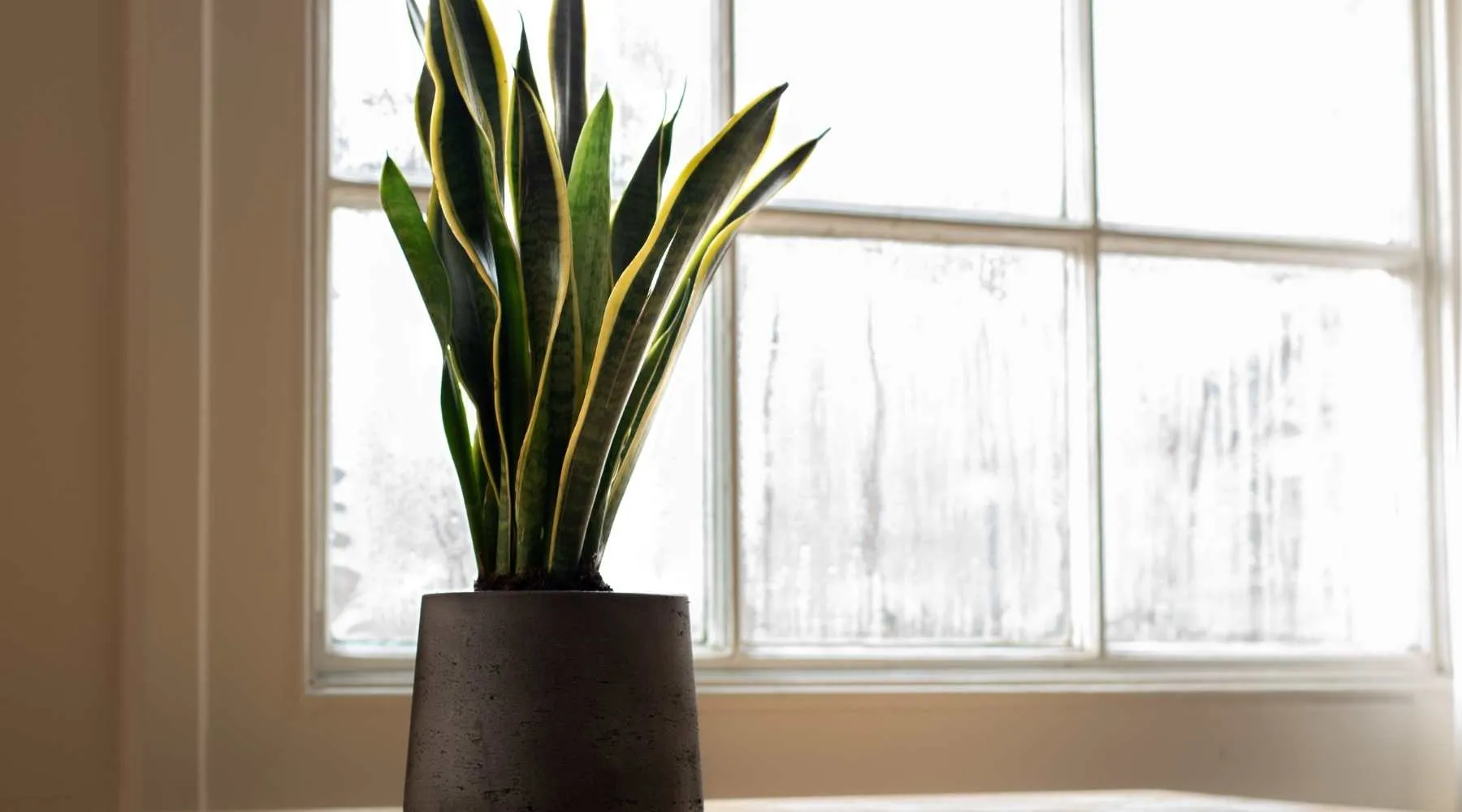
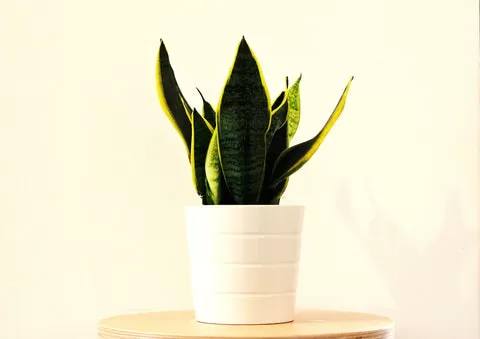
Snake Plant
- Scientific Name: Sansevieria trifasciata
- Common Name: Snake Plant, Mother-in-Law’s Tongue
- Zone: 10-12 (Typically grown as houseplants)
- Light: Low to bright indirect light (Adapts well to low light)
- Humidity: Average indoor humidity
- Water: Allow soil to dry out completely between waterings. Drought tolerant.
-
ZZ Plant
- Scientific Name: Zamioculcas zamiifolia
- Common Name: ZZ Plant, Eternity Plant
- Zone: 9-11 (Typically grown as houseplants)
- Light: Low to bright indirect light (Extremely tolerant of low light)
- Humidity: Average indoor humidity
- Water: Allow soil to dry out completely. Very drought tolerant; prefers less water than more.
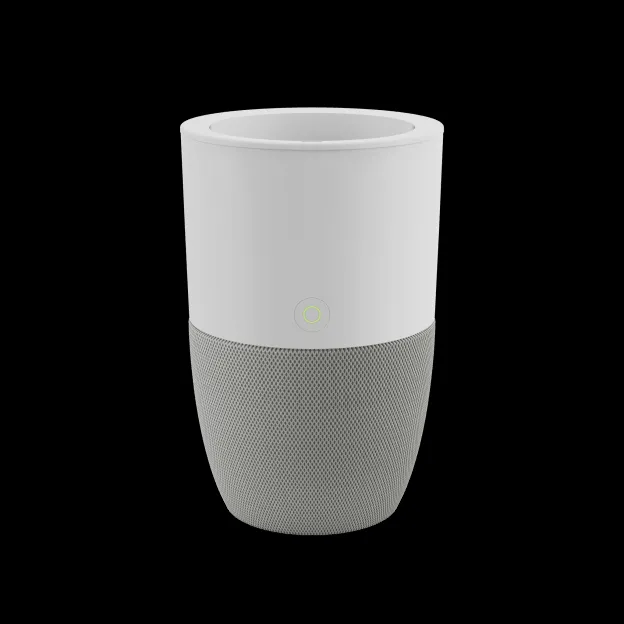 Modern grey cylindrical air purifier with a plant growing from the top surface.
Blend Idea 2: The Humidity Helpers
Ideal for bathrooms or kitchens where humidity might be slightly higher, or simply if you enjoy misting your plants. These plants are visually appealing and known for their air-purifying capabilities.
-
Peace Lily
- Scientific Name: Spathiphyllum spp.
- Common Name: Peace Lily
- Zone: 10-11 (Typically grown as houseplants)
- Light: Low to medium indirect light
- Humidity: Prefers moderate to high humidity, but adapts to average
- Water: Keep soil consistently moist but not soggy. Wilts dramatically when thirsty, but recovers.
-
Spider Plant
- Scientific Name: Chlorophytum comosum
- Common Name: Spider Plant, Airplane Plant
- Zone: 9-11 (Typically grown as houseplants)
- Light: Medium to bright indirect light (Tolerates lower light)
- Humidity: Average indoor humidity
- Water: Allow soil to dry slightly between waterings. Forgiving.
 Close up of a potted houseplant in the integrated planter of a grey air purifier.
Blend Idea 3: The Cascading Cleaners
Perfect for shelves or hanging baskets, these plants add vertical interest and are incredibly forgiving. They are also known to help filter common indoor air pollutants.
- Pothos
- Scientific Name: Epipremnum aureum
- Common Name: Pothos, Devil’s Ivy
- Zone: 10-11 (Typically grown as houseplants)
- Light: Low to bright indirect light (Tolerates low light, but variegation may fade)
- Humidity: Average indoor humidity
- Water: Allow soil to dry out between waterings. Can tolerate some drying out.
 Stylish grey air purifier with a houseplant on top, blending into modern living room decor.
Caring for Your Adaptive Blends
Caring for adaptive air-purifying plant blends is generally straightforward, which is part of their appeal! The key is often less intervention rather than more.
Watering Wisdom
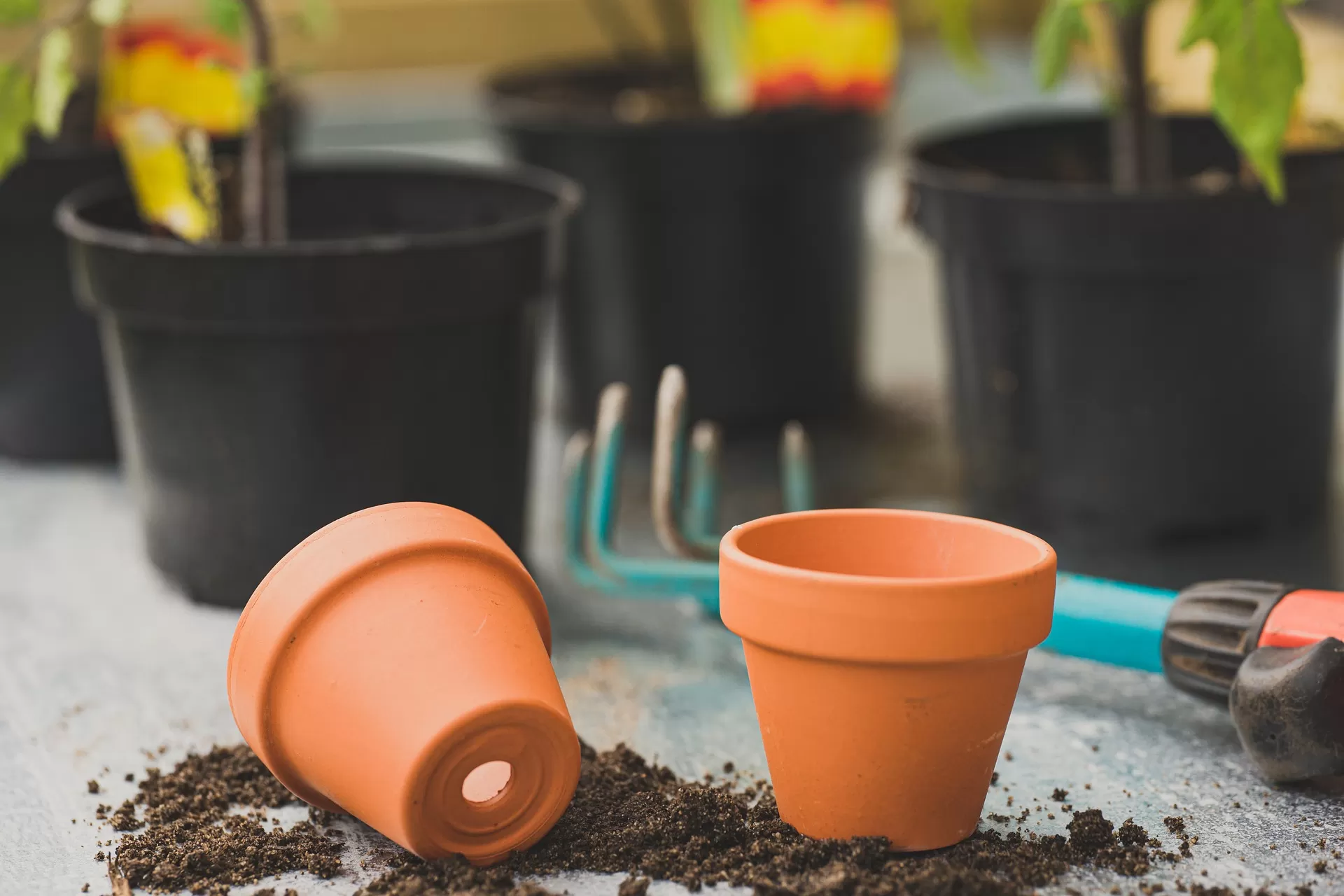
Overwatering is the most common plant killer. For most adaptive plants, it’s better to err on the side of underwatering. Check the soil moisture a couple of inches down before watering. Ensure pots have drainage holes to prevent root rot – happy roots are crucial for healthy, air-purifying foliage.
Light Nuances
While adaptive plants tolerate lower light, providing them with their preferred light conditions (usually bright, indirect light) will help them thrive and perform their air-purifying duties more effectively. Observe how your plants respond and adjust their placement if needed.
Keeping Leaves Clean
Dust can accumulate on leaves, hindering photosynthesis and their ability to interact with the air. Gently wipe leaves with a damp cloth periodically to keep them clean and efficient.
Supporting Healthy Roots
Just as good air circulation benefits roots (as seen in some advanced plant setups), healthy soil is vital. Avoid compacting the soil and consider repotting when plants become root-bound to give them space to grow and draw nutrients effectively.
 Close view of the grey Bloom air purifier's top surface with an integrated black plant pot.
Troubleshooting Your Green Team
Even adaptive plants can sometimes show signs of stress. Yellowing leaves often indicate overwatering, while drooping can mean they’re thirsty. Pests are less common on healthy, well-cared-for plants, but inspect leaves occasionally. Addressing issues quickly keeps your blends thriving and purifying.
 Top-down angle showing a leafy green houseplant thriving in the integrated planter of a grey air purifier.
Integrating adaptive air-purifying plant blends into your home is a beautiful and effective way to enhance your indoor environment. They offer continuous natural air filtration, reduce stress, and add life and color to any space, all with minimal fuss. By choosing resilient plants and grouping them thoughtfully, you create living decor that actively contributes to your well-being.
Ready to breathe cleaner, fresher air naturally? Start with one of these simple blends and experience the difference. Explore more plant care tips and ideas on The Little Garden website! Let us know in the comments which adaptive plants are your favorites!