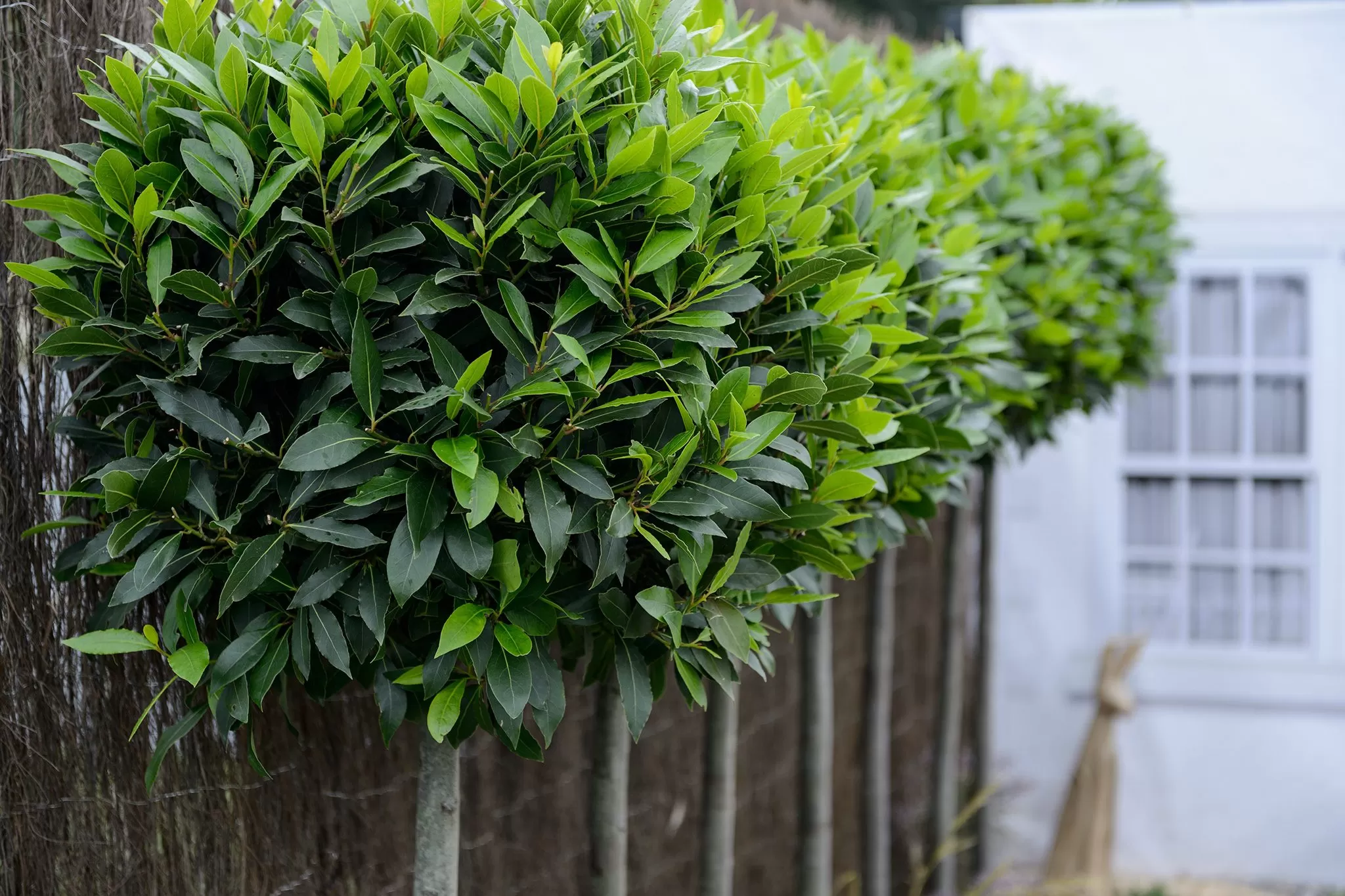
Evergreen trees: bay tree, Laurus nobilis
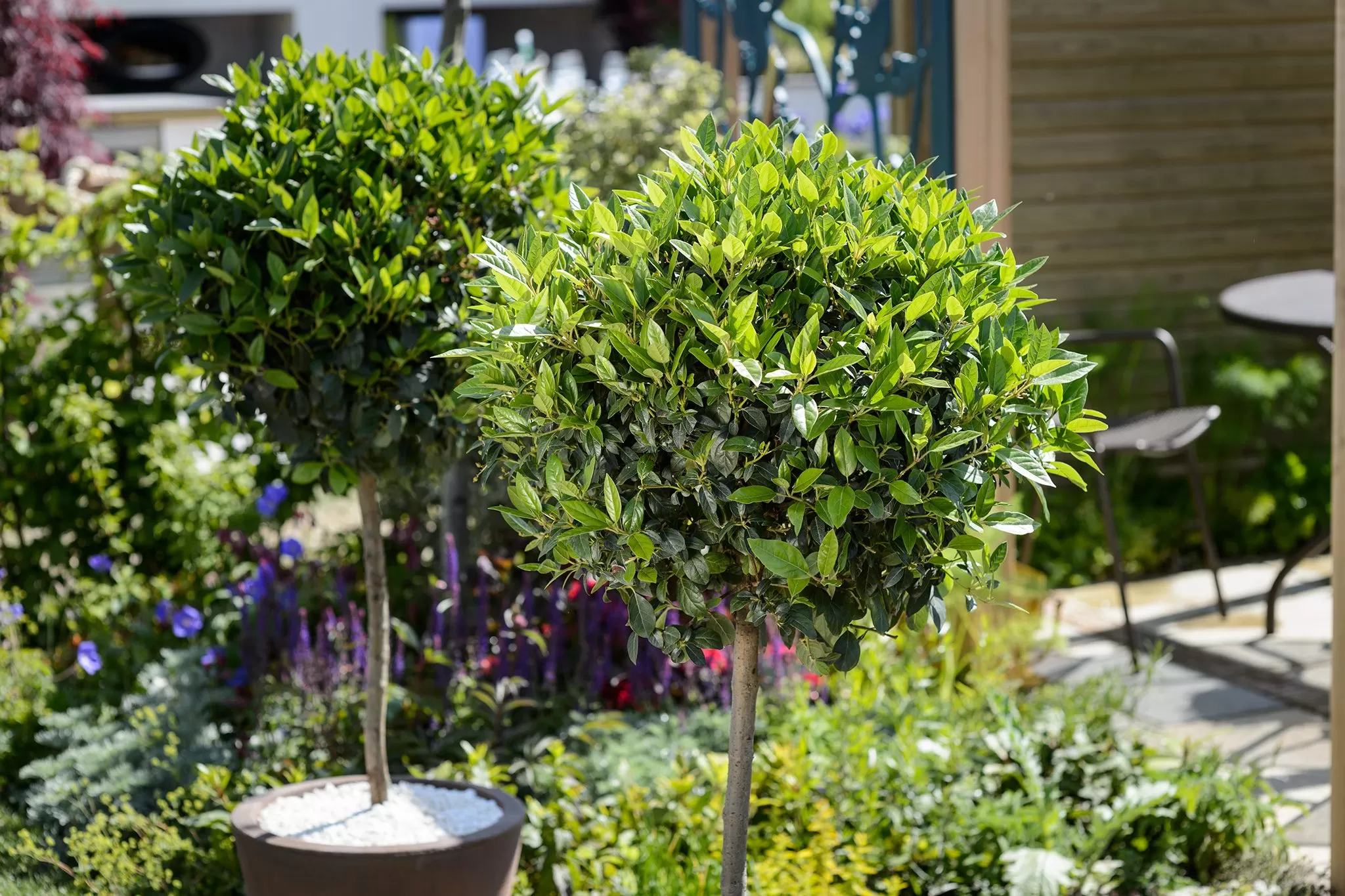
Bay trees, with their fragrant leaves and elegant form, are a delightful addition to any garden. While they can thrive in the ground, growing bay trees in pots offers flexibility and allows you to enjoy these Mediterranean beauties even in cooler climates. This comprehensive guide will equip you with everything you need to know about successfully cultivating bay trees in pots.
Bay trees adore sunshine, so choose a spot that receives at least six hours of direct sunlight daily. A south- or west-facing location is ideal. While young bay trees are slightly tender, placing your potted bay near a wall can offer protection from cold winds and frost. Remember, the beauty of growing bay trees in pots is the ability to move them! If frost threatens, simply relocate your potted bay to a more sheltered location or even indoors.
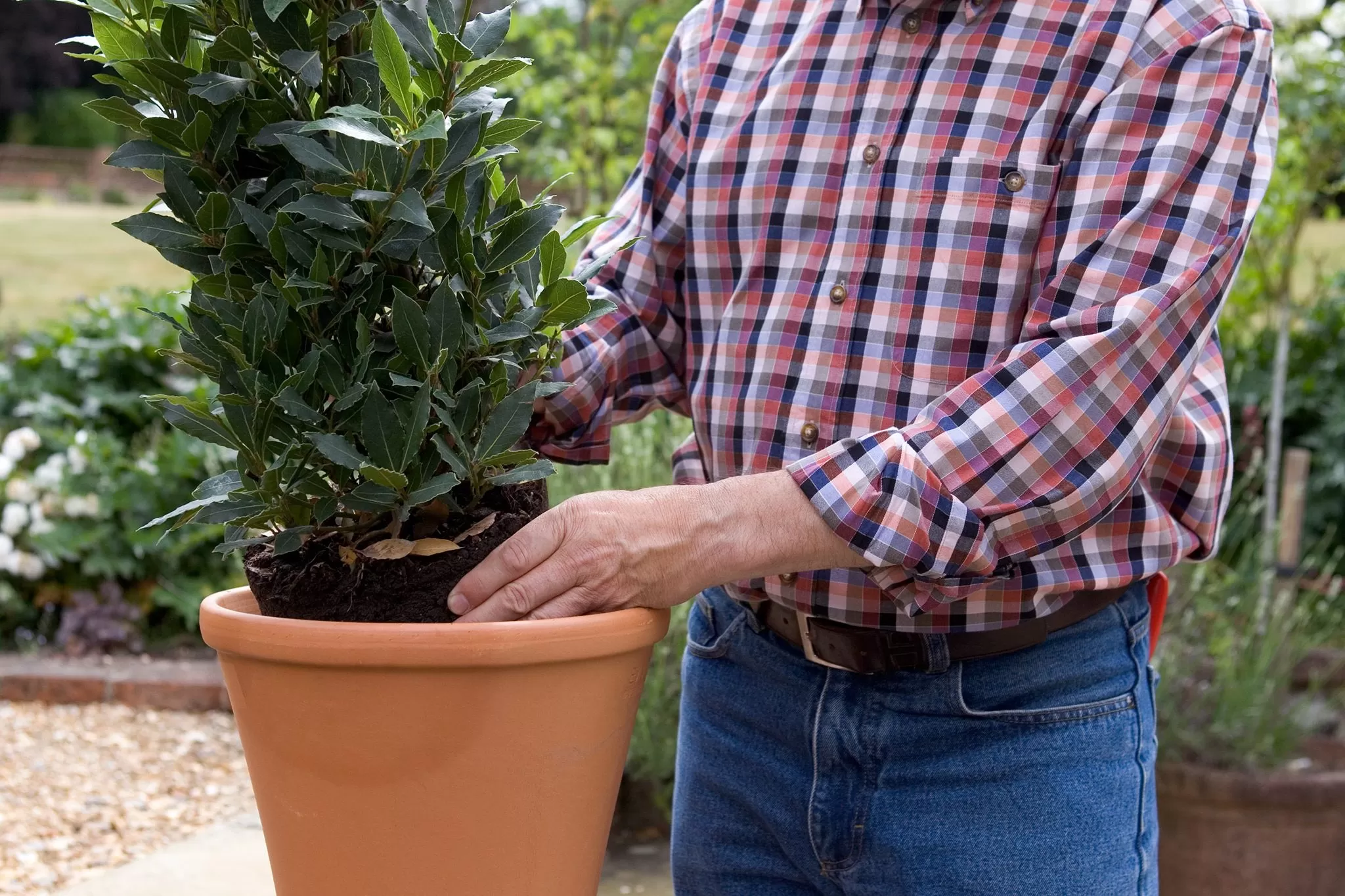
Select a well-draining pot with drainage holes to prevent root rot. Use a high-quality potting mix specifically formulated for trees and shrubs, or a soil-based compost like John Innes No. 2, amended with grit for improved drainage. Adding crocks to the bottom of the pot can further enhance drainage.
Water your potted bay tree regularly, especially during the hot summer months. Allow the potting mix to dry slightly between waterings, but never let it completely dry out. Reduce watering in winter.
Feed your bay tree with a balanced liquid fertilizer every few weeks during the growing season (spring and summer). This will encourage healthy growth and vibrant foliage.
Repot your bay tree every two to three years, or when it becomes root-bound. If your bay tree is too large to repot, refresh the top layer of potting mix with fresh compost.
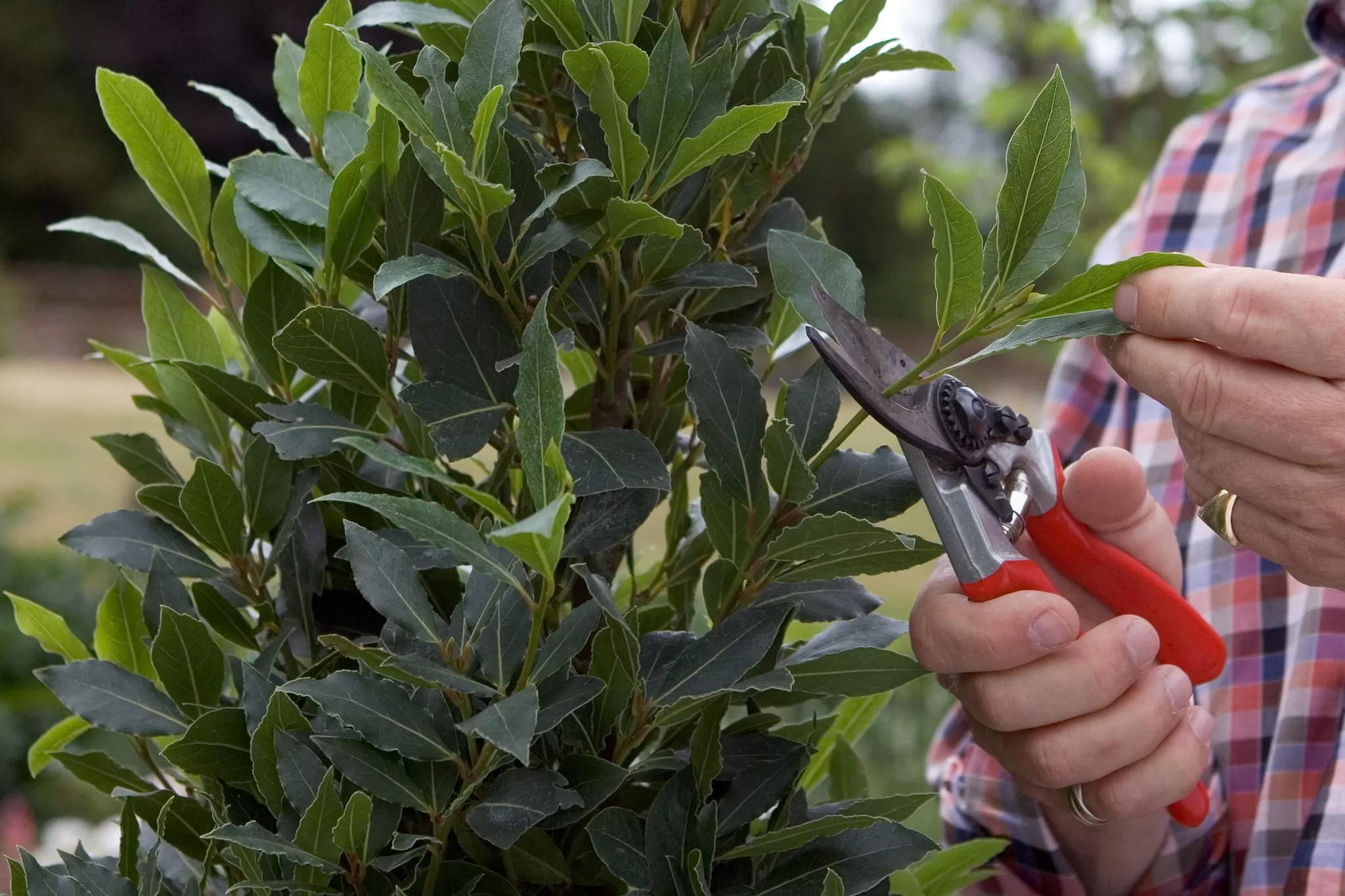
Prune your bay tree in summer to maintain its shape and size. You can also rejuvenate older plants by cutting them back hard in late spring. Bay trees respond well to topiary, allowing you to create stunning shapes.
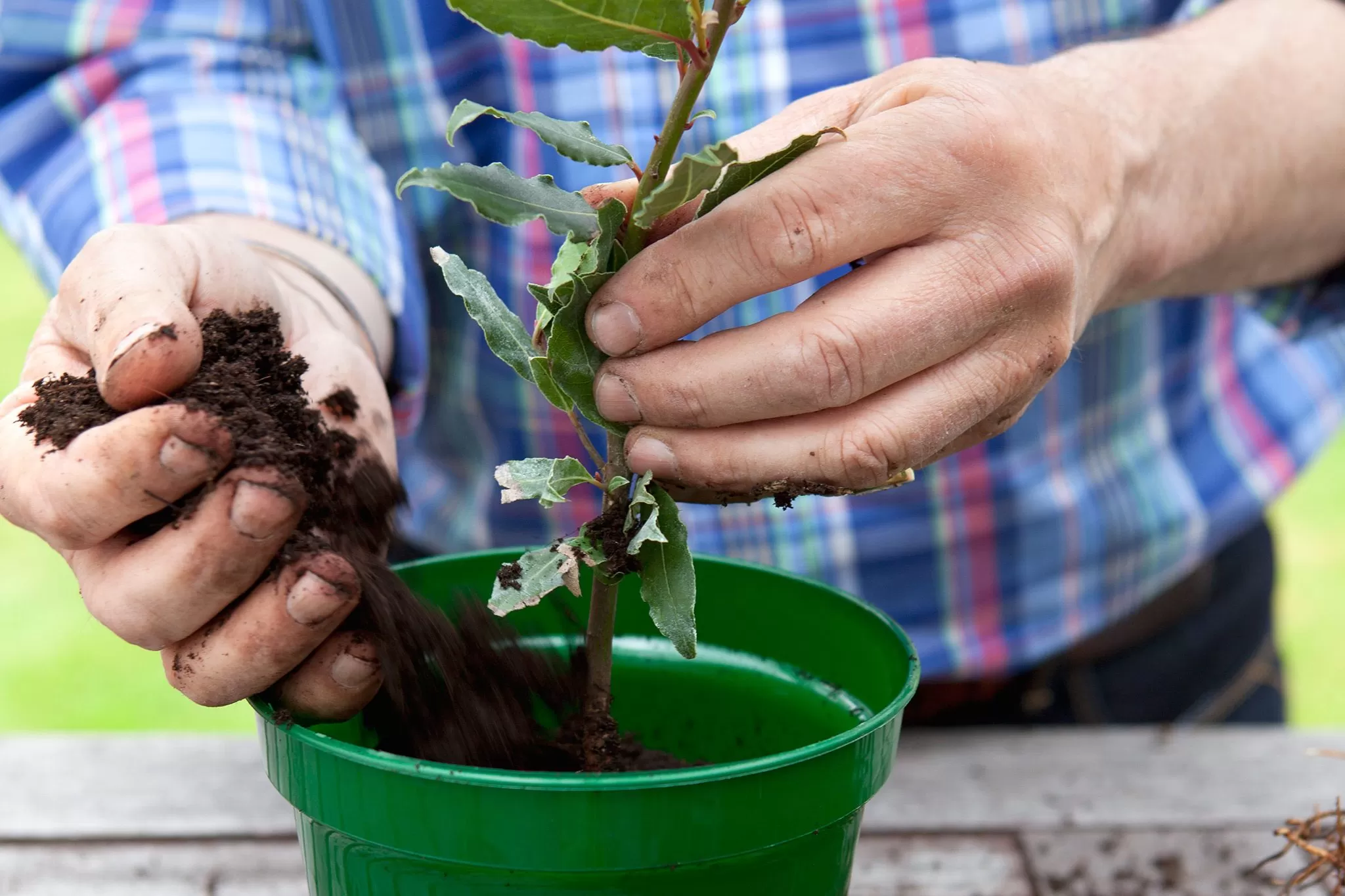
The easiest way to propagate bay trees is by taking semi-ripe cuttings in late summer. You can also propagate bay trees by layering in spring, though this method takes longer.
Bay trees are generally resilient, but they can occasionally encounter issues. Yellowing leaves can indicate overwatering or nutrient deficiencies. Brown or black leaves are often a sign of frost damage. Discolored or distorted foliage may be caused by bay suckers, small sap-sucking insects. Remove affected leaves promptly and encourage natural predators like ladybugs and hoverflies.
By following these guidelines, you can cultivate thriving bay trees in pots and enjoy their beauty and fragrance for years to come. We encourage you to share your experiences and tips in the comments below. Happy gardening!
Key takeaways: Discover 5 enchanting flowers to create a magical fairy garden Learn the symbolic…
Watermelon Red Crape Myrtle is a classic, versatile tree with stunning pink-red blooms Grows 20-25…
Key Takeaways: Oriental lilies are prized for their large, fragrant blooms They thrive in well-draining…
Key takeaways: Amaranth is easy to grow in containers, perfect for beginners and experienced gardeners…
Vibrant, low-maintenance flowers for sunny spots Continuous color throughout summer Perfect for borders, ground cover,…
Here's how implementing no-dig techniques can transform your container gardening: Build Richer Soil: Layers of…