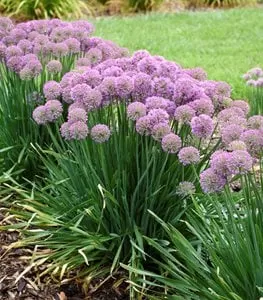
'Serendipity' ornamental onion with purple flowers
Building a garden buzzing with life is one of the most rewarding experiences you can have in your own backyard. It’s not just about beautiful blooms; it’s about creating a vital haven for the incredible creatures that make our world go ’round: pollinators! Bees, butterflies, hummingbirds, moths, and even tiny beetles and flies play an essential role in our ecosystems and food supply. By choosing the right plants, you can transform your garden into a vibrant, pollinator-friendly paradise. Let’s dive into the world of best flowers for pollinator gardens and discover how easy it is to make a difference.
Have you ever stopped to watch a bee busily collecting pollen or a butterfly flitting from flower to flower? These aren’t just charming garden visitors; they are critical players in nature’s grand design. Most plants need pollination to produce seeds and fruit. This process ensures plants can reproduce and maintain healthy genetic diversity. Think about the fruits, vegetables, and nuts we enjoy – a vast majority depend on pollinators. Without them, our dinner plates would look very different, and the natural world as we know it wouldn’t survive.
Plants and pollinators have a beautiful, intertwined relationship. Plants offer pollinators food (nectar and pollen), and in return, pollinators help the plants reproduce by transferring pollen between flowers. While bees, butterflies, and hummingbirds are the superstars, many other creatures like moths, flies, ants, beetles, and bats also contribute significantly.
Just like we have favorite restaurants, pollinators have favorite flowers! Plants have developed fascinating traits to lure specific pollinators, acting like beacons guiding them to their food source.
Creating a pollinator-friendly garden is a powerful way homeowners can help support these vital populations, which have unfortunately declined significantly in recent years, largely due to habitat loss. Let’s explore some of the best flowers for pollinator gardens across different plant types to get you started.
Perennials come back year after year, providing reliable food sources for pollinators. Planting a variety ensures blooms throughout the season.
These ornamental relatives of onions and garlic offer striking globe-shaped flowers made up of tiny star-shaped florets. They are a sweet nectar source particularly loved by honey bees, bumble bees, and other beneficial insects. Easy to grow and adding unique texture to the garden, alliums are a fantastic addition for early-to-mid-season pollinators.
Blooming from early summer into fall, the purple or lavender flower spikes of Anise Hyssop are a long-lasting buffet for pollinators. This aromatic mint relative is a magnet for hummingbirds, honey bees, bumble bees, and butterflies, offering a consistent food source throughout the warmer months.
Asters are North American natives whose cheerful, daisy-like flowers are a lifeline for many pollinators as summer wanes and fall arrives. Providing food when other sources are scarce makes asters invaluable. Migrating monarch butterflies rely on aster nectar to fuel their incredible journey south.
True to its name, Bee Balm is a top choice for attracting pollinators. Its unique whorls of red, purple, pink, or white tubular flowers are a steady food source for bees, butterflies, and hummingbirds alike. Watching the constant activity around a patch of bee balm is a pure joy.
With their distinctive upright flower spikes, Blazing Star provides nectar and pollen for a wide variety of bees, butterflies, and beneficial moths during the summer and fall. These native plants are not only beautiful but support specific moth species that use them as host plants.
Catmint is a workhorse in the pollinator garden, blooming with scented tubular blue flowers for months on end. This continuous bloom makes it a favorite of honey bees, native bees, butterflies, and hummingbirds, ensuring a steady food supply from late spring well into fall. Plus, it’s delightfully low-maintenance!
The unique spurred flowers of native Columbine varieties are a special treat for specific pollinators. Hawkmoths and certain bees are adept at accessing the nectar in the long spurs. Migratory hummingbirds also rely on columbine nectar as crucial fuel during their northward journey in spring.
A true garden favorite, Coneflower’s iconic cone-shaped blooms come in a beautiful array of colors and are one of the best summer bloomers for supporting a wide range of pollinators. Butterflies, including monarchs, fritillaries, swallowtails, and painted ladies, are frequently seen feasting on their sweet nectar. Birds also enjoy the seeds in the fall!
Producing striking spires of colorful, pea-like flowers in late spring, False Indigo is an early-season nectar source, particularly for bumble bees and other native bees. Beyond nectar, this native perennial is also an important larval host plant for several butterfly and moth species, including the wild indigo duskywing and the silver-spotted skipper.
Often unfairly blamed for hay fever (ragweed is the real culprit!), Goldenrod is a truly essential native plant for late-season pollinators. Its bright yellow flower plumes are a crucial food source as temperatures cool, supporting native bees, bumble bees, honey bees, butterflies, beetles, flies, moths, and wasps when other flowers are fading.
The large, showy flower heads of Joe Pye Weed are an indispensable late-season food source. Hummingbirds, bumble bees, honey bees, wasps, and a wide array of butterflies, including swallowtails and migrating monarchs, flock to its nectar-rich blooms as they prepare for their long journeys.
Loved by humans for its fragrance and culinary uses, Lavender is equally adored by pollinators. The aromatic flower spikes are particularly attractive to bees (it’s a beekeeper’s favorite!) and butterflies, providing nectar throughout its blooming period. Planting lavender adds beauty, scent, and pollinator support to your garden.
If you want to attract monarch butterflies, Milkweed is non-negotiable. It is the only plant that monarch butterfly larvae (caterpillars) can eat. Beyond monarchs, the flowers provide nectar and pollen for a wide range of bees, wasps, hoverflies, beetles, butterflies, and moths, making it one of the most important plants you can add to your pollinator garden.
This large family of plants, many related to culinary sage, offers nectar-rich flowers in a variety of shapes and colors. The tubular or open-faced blooms of different Salvia species are highly appealing to hummingbirds, butterflies, native bees, bumble bees, and honey bees, providing consistent food from spring through fall depending on the chosen variety.
Tickseed plants boast cheerful, disc-shaped flowers that provide a continuous supply of nectar from late spring through fall. These easy-to-grow native annuals or perennials are frequented by various pollinating insects, including carpenter bees, leaf cutter bees, long-horned bees, and sulphur butterflies.
The distinctive flat-topped flower clusters of Yarrow are like landing pads for many pollinators, offering an abundance of both nectar and pollen during the summer months. Bumble bees, honey bees, mason bees, hummingbirds, hoverflies, moths, and various butterflies, including fritillaries and swallowtails, all appreciate this accessible food source.
Annuals complete their life cycle in one season but provide incredible, season-long bloom power that pollinators adore.
Borage is a fast-growing annual herb adorned with beautiful, vivid blue star-shaped flowers. These blooms are a magnet for a wide range of pollinators, including hummingbirds, butterflies, beneficial wasps, hoverflies, and various bee species. Planting borage near your vegetable garden can significantly boost pollination for your food crops.
Cosmos flowers feature large, open faces with easily accessible centers, making them a favorite of many bee species. Butterflies, lacewings, ladybugs, hoverflies, and ground beetles also visit these cheerful blooms. They are simple to grow from seed and provide abundant flowers from summer until the first frost.
Often called Cigar Plant because of their tubular shape, the vividly colored flowers of Cuphea are utterly irresistible to hummingbirds. Blooming non-stop from late spring until frost, they provide a continuous nectar source for bees and butterflies as well, making them a fantastic container plant or bedding annual.
Egyptian Star Flower produces beautiful, nectar-rich clusters of brightly colored, star-shaped flowers. These prolific blooms last all summer until frost, serving as a continuous food source that attracts hummingbirds, butterflies, and bees. They thrive in containers and garden beds alike.
Known for their soft, pompom-shaped flower clusters, Floss Flower provides continuous blooms in shades of blue, pink, white, lavender, and red from late spring until frost. Butterflies, bees, and moths find these fluffy blooms quite appealing for their nectar.
The distinctive globe-shaped “flowers” of Globe Amaranth (which are actually colorful leaf bracts) bloom profusely from early summer until frost. This long blooming period provides a sustained food source that attracts a wide range of bees and butterflies, including various skipper species.
Known as shrub verbena, Lantana is one of the best flowers for pollinator gardens in warmer climates and a fantastic annual in cooler ones. Its clusters of brightly colored, tropical-hued flowers bloom for much of the growing season, offering a continuous food source that hummingbirds, butterflies, moths, and bees find irresistible.
The quintessential cheerful bloom of summer, Sunflowers are classic magnets for pollinators. Their large, open disc-shaped flowers attract a wide variety of bees, including honey bees, carpenter bees, and mason bees, as well as native wild bees. Pollinators are drawn to the bright colors, scent, and the easily accessible abundance of nectar and pollen.
Sweet Alyssum produces cascades of tiny, fragrant flowers from spring until the first frost, offering a continuous, season-long source of nectar. Its delicate blooms attract and support many different types of smaller bees, butterflies, beneficial parasitic wasps, and hoverflies, making it a great choice for edging beds or filling containers.
Zinnias are annual powerhouses, providing brightly colored flowers from summer until frost. Their vibrant blooms attract a wide variety of pollinators, including hummingbirds, butterflies, and bees. For the most pollinator appeal, choose varieties with single petals, as they generally produce more nectar and pollen than double-bloomed types.
Shrubs provide structure and often bloom earlier or later than many perennials and annuals, extending the pollinator season.
Considered one of the absolute best shrubs for supporting pollinators, this U.S. native is a superstar. Its unique, fragrant white pincushion flowers are incredibly appealing to a wide range of visitors, including hummingbirds, honey bees, native bees, and numerous butterflies like skippers, swallowtails, fritillaries, and monarchs. Beyond nectar, Button Bush serves as a host plant for several beneficial moth species.
Native to eastern U.S. woodlands, bogs, and swamps, Chokeberry is a low-maintenance shrub that offers fragrant white flowers in the spring. These early blooms are a valuable food source for many pollinators, particularly smaller bees, helping them get a head start on the season. It also provides berries for birds later in the year.
This beautiful deciduous shrub boasts striking, cone-shaped flower spikes that are a good nectar source for bees, wasps, and butterflies during late spring and summer. As an added bonus for pollinators, the shrub’s attractive peeling bark provides sheltered spots where some pollinating insects can safely overwinter, ready for the next spring.
Summersweet is a deciduous shrub that flowers in mid to late summer, a crucial time when many other plants have finished blooming. Its fragrant white flowers are a highly valued late-season food source that hummingbirds, butterflies, and bees rely on before fall arrives. It also tolerates shady, wet spots where other pollinator plants might struggle.
Creating a garden that supports pollinators is one of the most impactful and joyful things you can do for your local ecosystem. By incorporating some of the best flowers for pollinator gardens discussed here – a mix of perennials, annuals, and shrubs – you can provide vital food and habitat from spring through fall.
Imagine your garden teeming with buzzing bees, fluttering butterflies, and darting hummingbirds – a true testament to the power of thoughtful planting. It’s easier than you think to get started, and the rewards, both for nature and for you, are immense.
Which of these beautiful plants will you add to your garden first? Share your plans or favorite pollinator visitors in the comments below! And don’t forget to share this article with fellow garden enthusiasts who want to make a difference. Explore more content on Thelittle.garden to deepen your love for home gardening and landscaping!
Key takeaways: Discover 5 enchanting flowers to create a magical fairy garden Learn the symbolic…
Watermelon Red Crape Myrtle is a classic, versatile tree with stunning pink-red blooms Grows 20-25…
Key Takeaways: Oriental lilies are prized for their large, fragrant blooms They thrive in well-draining…
Key takeaways: Amaranth is easy to grow in containers, perfect for beginners and experienced gardeners…
Vibrant, low-maintenance flowers for sunny spots Continuous color throughout summer Perfect for borders, ground cover,…
Here's how implementing no-dig techniques can transform your container gardening: Build Richer Soil: Layers of…