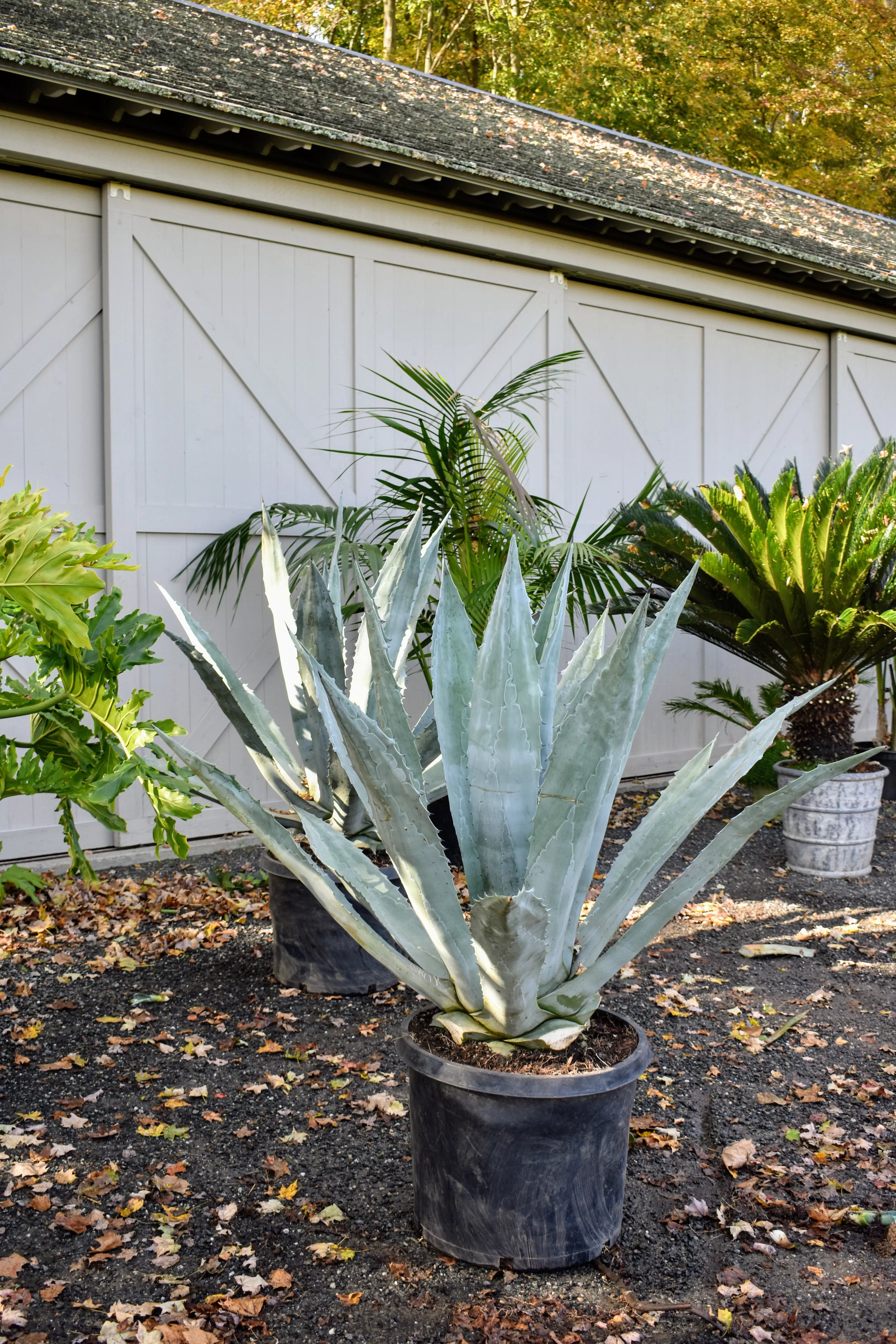
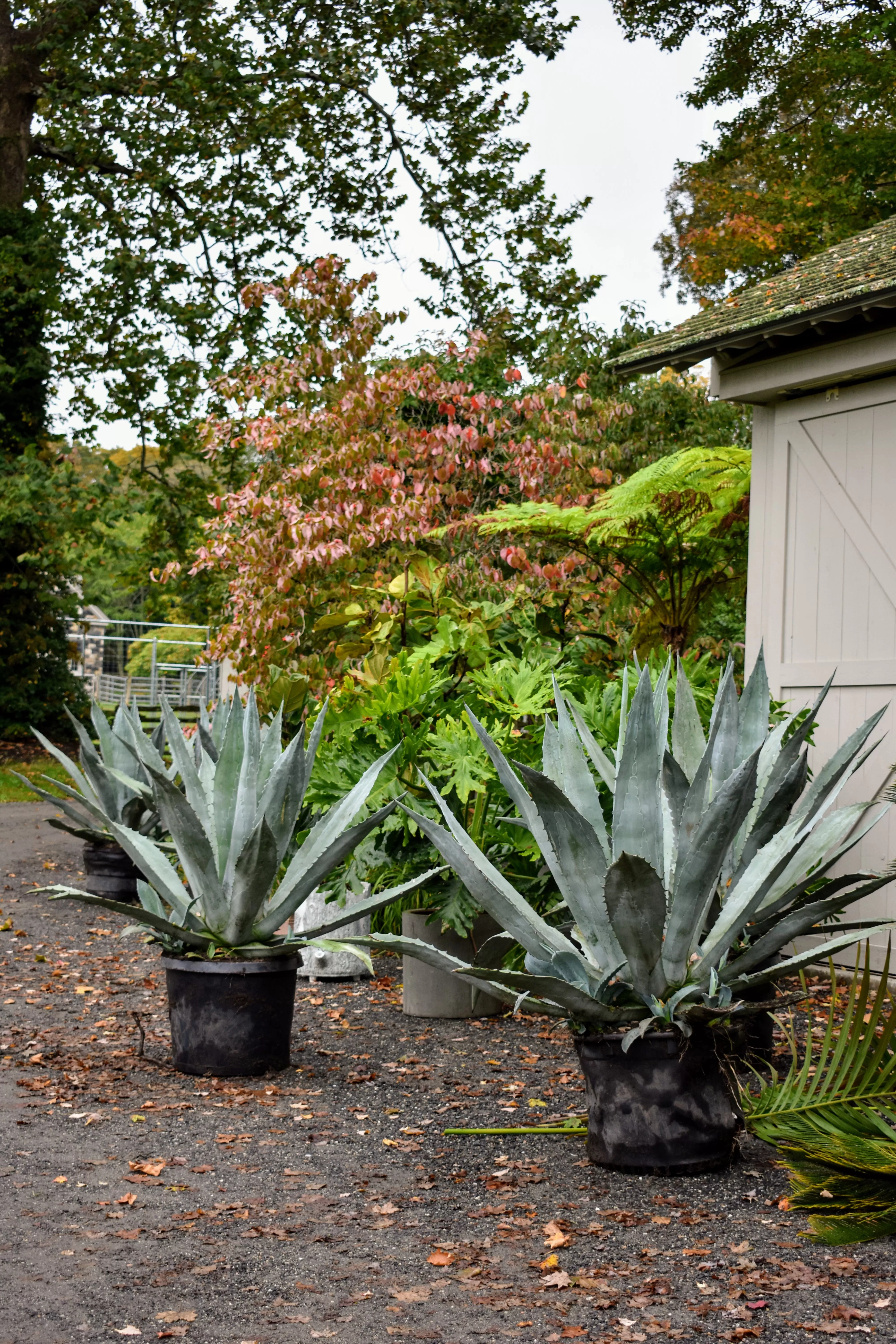
Mature blue agaves growing near a stable.
Blue agaves, with their striking architectural form and vibrant blue-green hues, add a touch of desert elegance to any landscape. Native to the hot, arid regions of Mexico and the southwestern United States, these succulents are renowned for their resilience and adaptability. However, in colder climates, blue agaves require special care, especially during the winter months. This guide will provide you with valuable insights into growing and caring for these magnificent plants, ensuring they thrive in your garden.
Contents
Blue agaves ( Agave tequilana) are slow-growing succulents characterized by their thick, fleshy leaves armed with sharp spines. These drought-tolerant plants are perfectly suited for xeriscaping and thrive in full sun conditions. Interestingly, the blue agave is also the source of tequila, a popular distilled beverage.
While blue agaves can tolerate some neglect, they flourish with proper care. Understanding their specific needs will help you cultivate healthy and vibrant plants.
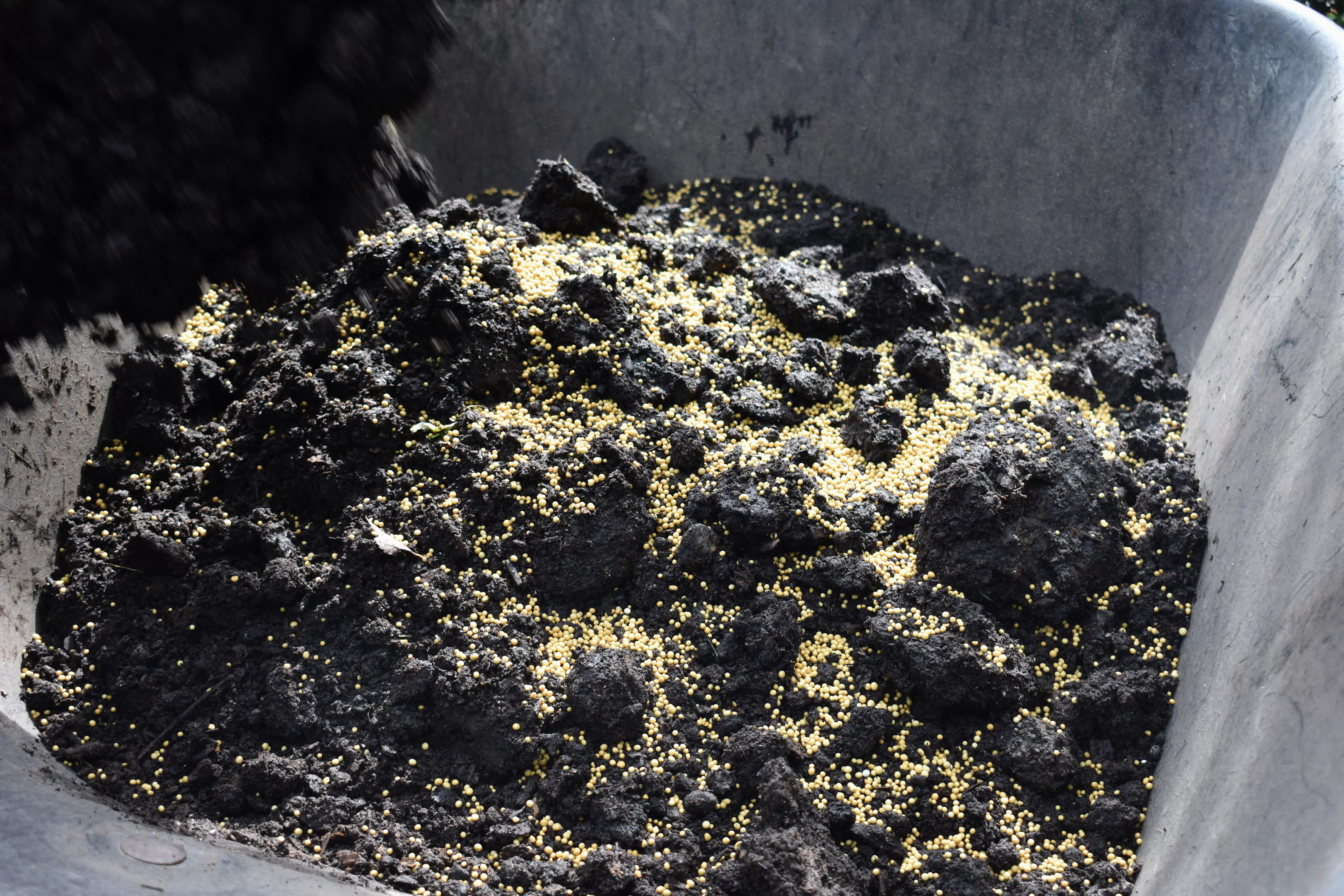
Blue agaves thrive in well-draining soil. When potting or repotting, use a mix of equal parts compost and regular potting soil. Avoid peat moss, as its water-retaining properties can lead to root rot.
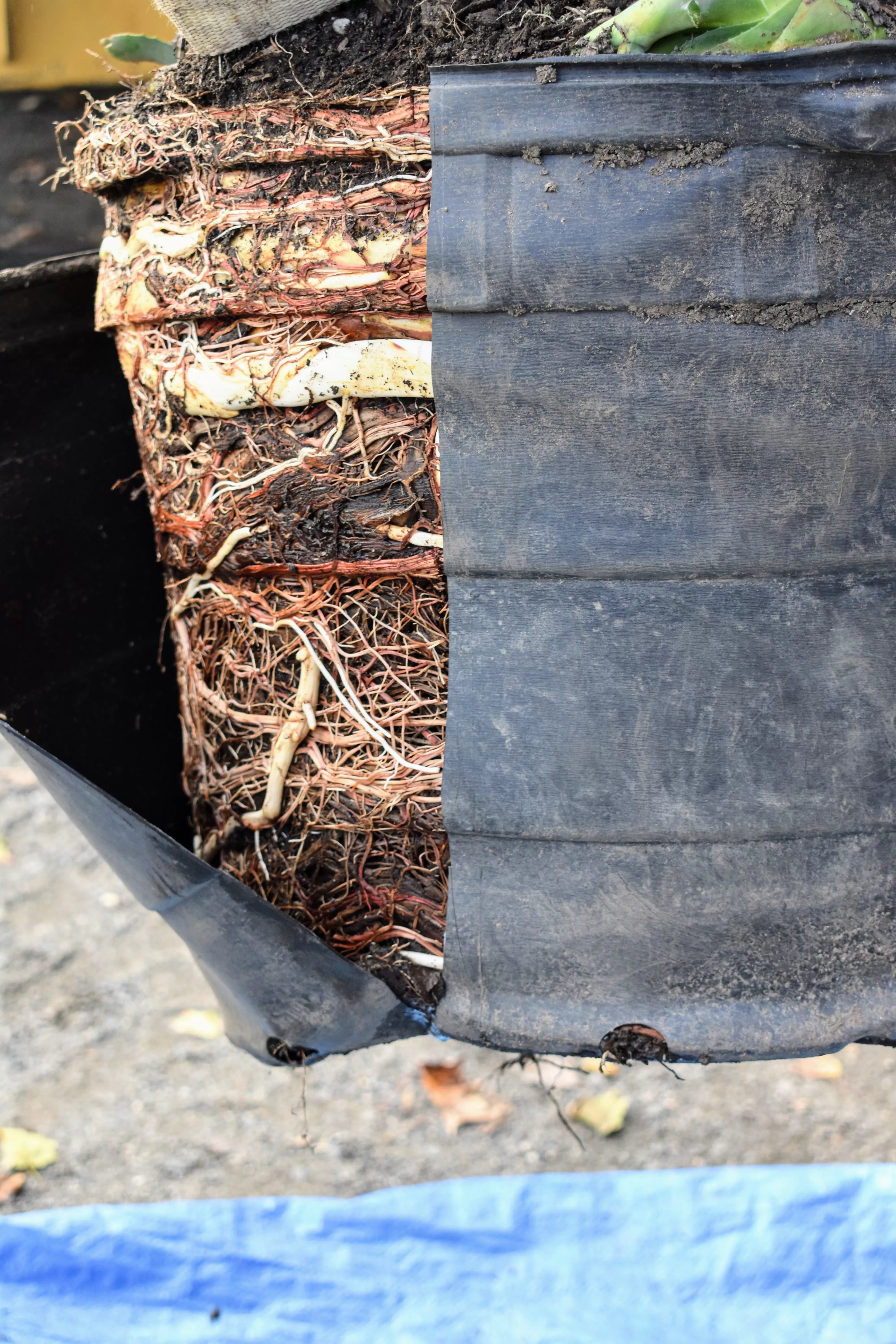
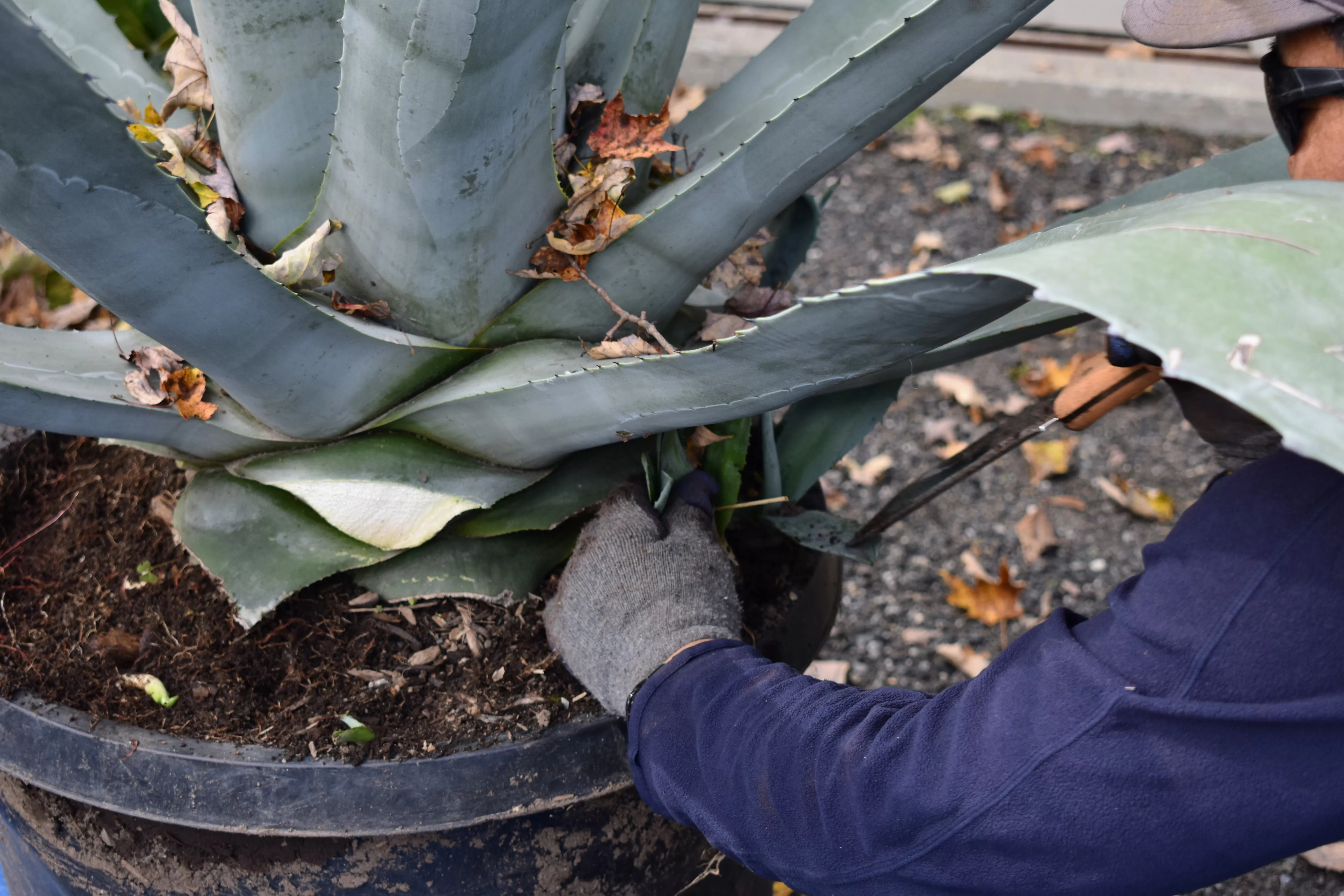
Choose a pot slightly larger than the root ball, allowing room for growth. When repotting, gently remove the agave from its old pot and inspect the roots. Trim any damaged or circling roots.
Place a layer of potting mix in the new pot, position the agave, and fill the remaining space with soil, ensuring the crown of the plant sits above the soil line.
Water thoroughly after repotting, but allow the soil to dry out completely before watering again. Repotting is generally recommended every two years or as needed.
In colder climates, blue agaves cannot survive outdoors during winter. Before the first frost, move potted agaves to a protected location, such as a greenhouse or hoop house. Ensure they receive ample sunlight during the winter months.
Reduce watering frequency during winter dormancy, allowing the soil to dry out completely between waterings. Overwatering can lead to root rot, a common problem for agaves in cooler temperatures.
Blue agaves produce “pups,” or offsets, around the base of the parent plant. These pups can be separated and potted to create new plants. Gently remove the pups, ensuring they have a healthy root system.
Plant the pups in well-draining soil and provide them with the same care as mature agaves. These miniature plants will eventually grow into full-sized agaves, adding to the beauty of your garden.
Blue agaves are magnificent succulents that bring a touch of the desert to any garden. By understanding their specific needs and providing proper care, you can ensure these striking plants thrive for years to come. Whether you’re a seasoned gardener or a beginner, the beauty and resilience of blue agaves are sure to captivate you. We encourage you to share your experiences and tips for growing blue agaves in the comments below. Happy gardening!
Wichtigste Erkenntnisse: Der Anbau eigener gemischter Blattsalate bietet unübertroffene Frische und Geschmack – direkt aus…
Here's how implementing no-dig techniques can transform your container gardening: Build Richer Soil: Layers of…
Healthy soil is teeming with beneficial microbes that act as a natural defense system for…
Transform your patio into a vibrant, wildlife-friendly oasis. Discover how to create beautiful, low-maintenance container…
Unlock the secret to a beautiful, resilient garden with Sedum & Yarrow blends. Discover why…
Beat the Heat: Discover resilient perennials that thrive in containers during the hottest summer months,…