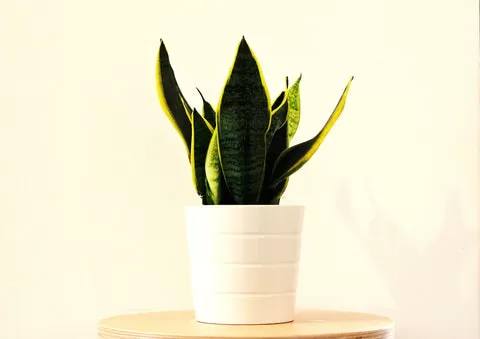
Close-up of vibrant green and yellow striped leaves of a Sansevieria plant, commonly known as a Snake Plant, ideal for bedrooms
Have you ever noticed how stuffy or stagnant the air can feel indoors, especially in rooms that don’t get much ventilation? Our homes, while cozy, can trap pollutants from furniture, cleaning products, paints, and even our clothing. This isn’t just uncomfortable; poor indoor air quality can impact our health and well-being. While ventilation and air purifiers play a role, there’s a simpler, more beautiful way to help tackle this issue: bringing the power of nature indoors. By strategically combining air-purifying plants by room, you can create a living filtration system that not only cleans the air but also transforms your space into a vibrant, healthy sanctuary. Let’s explore how to choose and place these green heroes throughout your home.
The idea of using plants to improve air quality isn’t new. Research, famously including studies by NASA, has highlighted the ability of certain houseplants to absorb volatile organic compounds (VOCs) and other pollutants from the air. VOCs are chemicals found in many common household items and can contribute to health issues like headaches, dizziness, and respiratory irritation.
While a single plant offers benefits, combining different species allows you to target a wider range of pollutants. Different plants excel at filtering different toxins. Furthermore, distributing plants throughout your home ensures that air purification is happening where you need it most – in the rooms where you spend the most time. This isn’t just about science; it’s about creating a holistic environment where every breath feels fresher, and every corner reflects a little piece of nature’s tranquility.
Choosing the right plant for the right room isn’t just about aesthetics; it’s also about matching the plant’s needs (light, humidity) with the room’s conditions and targeting the specific pollutants likely to be present there.
Your bedroom should be a haven for rest. Plants here can help filter toxins and, importantly, some release oxygen at night, unlike most plants which do so during the day. This contributes to a fresher atmosphere while you sleep.
The Snake Plant is a champion for the bedroom. Its upright leaves add modern style, and its ability to release oxygen at night is a unique benefit for improving air quality while you rest. Plus, it’s almost impossible to kill, making it perfect even for beginner plant parents.
The Peace Lily adds a touch of elegance to the bedroom with its graceful leaves and unique “flowers” (actually modified leaves called spathes). It’s great at tackling common household VOCs, though it does require a bit more attention to watering than the Snake Plant.
Living rooms are often central hubs, containing furniture, electronics, and textiles that can off-gas chemicals. Larger plants can make a significant impact here, alongside smaller ones.
Spider Plants are classic houseplants for a reason. They are incredibly forgiving and effective at filtering common toxins. Their arching leaves and propensity to produce plantlets make them visually interesting in hanging baskets or on shelves in a living space.
For a statement piece in the living room, the Dracaena Marginata is a fantastic choice. Its slender, spiky leaves and often architectural shape bring height and drama. It’s a workhorse when it comes to filtering a range of airborne pollutants.
Bathrooms are typically humid environments, which suits certain plants perfectly. They can help filter air while thriving in the moist air.
Chinese Evergreens are ideal for the often lower-light, higher-humidity conditions of a bathroom. Their striking, patterned leaves add color and texture, making the space feel more luxurious and spa-like, all while cleaning the air.
Pothos is another incredibly adaptable plant that can handle the humidity fluctuations in a bathroom. Its trailing vines can soften hard edges and add a lush feel. It’s effective against a range of toxins and bounces back quickly if you forget to water it.
Kitchens can have their own set of airborne particles and gases from cooking. Plants here need to tolerate varied conditions and humidity.
While often celebrated for its medicinal gel, Aloe Vera is also a decent air purifier that thrives in bright spots often found in kitchens. Its succulent nature means it doesn’t mind the occasional dry spell if things get hectic, and its upright form fits well on a countertop or windowsill.
A home office should promote concentration and well-being. Plants can help filter VOCs from electronics and furniture while adding a calming presence.
The Snake Plant, Spider Plant, and Pothos are all excellent choices for a home office due to their ease of care and effectiveness against VOCs common in indoor environments. Placing a few near your desk can make a difference in how you feel throughout the workday.
Beyond air purification, consider the practicalities of plant care in each room:
I remember feeling like the air in my old apartment was always a bit stuffy, especially during winter when windows were closed. Adding a few plants felt like a small step, but the cumulative effect was noticeable. Putting a Peace Lily in the bathroom made it feel less damp, and a few Snake Plants in the bedroom genuinely seemed to help me breathe easier at night. It wasn’t just about air quality; seeing the greenery thrive brought a sense of calm and connection to nature that store-bought decor just couldn’t replicate. It became a simple joy in my daily routine.
While plants are wonderful natural allies, a holistic approach is best for truly clean indoor air. Ensure good ventilation by opening windows when possible, especially after cooking or cleaning. Regular cleaning reduces dust and allergens. Consider using natural cleaning products to minimize the introduction of VOCs. For those seeking maximum air filtration, particularly for allergens or fine particles, supplementing with a mechanical air purifier with a HEPA filter can provide an additional layer of protection.
Combining air-purifying plants by room is a simple yet effective strategy to enhance your home’s indoor air quality, boost your well-being, and add natural beauty to your living spaces. By selecting plants suited to each room’s environment and air purification needs, you create a healthier, more inviting atmosphere throughout your home. Start small, observe how your plants (and you!) thrive, and enjoy the rewarding process of cultivating a greener, fresher home.
What air-purifying plants are you using in your home? Share your favorites and tips in the comments below! Explore more plant care guides and inspiration on Thelittle.garden.
Key takeaways: Discover 5 enchanting flowers to create a magical fairy garden Learn the symbolic…
Watermelon Red Crape Myrtle is a classic, versatile tree with stunning pink-red blooms Grows 20-25…
Key Takeaways: Oriental lilies are prized for their large, fragrant blooms They thrive in well-draining…
Key takeaways: Amaranth is easy to grow in containers, perfect for beginners and experienced gardeners…
Vibrant, low-maintenance flowers for sunny spots Continuous color throughout summer Perfect for borders, ground cover,…
Here's how implementing no-dig techniques can transform your container gardening: Build Richer Soil: Layers of…