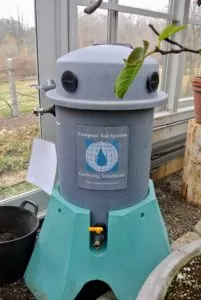
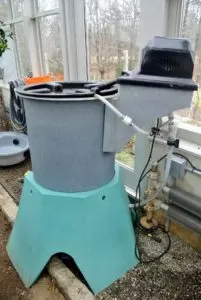
Home-scale compost tea brewer (System10) for garden plant nourishment
There’s a secret weapon many passionate gardeners swear by for nurturing incredibly healthy, vibrant plants – and it’s brewed right from the heart of their own garden! We’re talking about the magic of combining with compost teas. Far more than just liquid fertilizer, this living elixir is a game-changer for soil health and plant vitality. Think of it as a nutrient-rich, microbe-packed energy drink for your garden friends. On our farm, we’ve seen firsthand the incredible difference that regular applications of compost tea can make, transforming everything from delicate orchids to bountiful citrus trees. Let’s explore why this simple practice is so powerful and how you can start brewing your own ‘liquid gold’.
Compost tea is essentially a liquid extract made by steeping finished compost in water, often with added nutrients and aeration. This process encourages the multiplication of beneficial microorganisms – bacteria, fungi, protozoa, and nematodes – that are crucial for healthy soil ecosystems. When you use compost tea, you’re not just adding nutrients; you’re inoculating your soil and plant surfaces with these hardworking microbes.
Why bother combining with compost teas? The benefits are numerous:
We’ve incorporated brewing and applying compost tea into our regular plant care routine, typically every two to three weeks. It’s become an indispensable part of how we maintain the health and productivity of our diverse plant collection.
Making compost tea requires a few simple steps, but the key is often aeration. Aerobic compost tea (brewed with oxygen) is generally preferred as it promotes beneficial aerobic microbes and avoids the potential for harmful anaerobic organisms. Professional brewing systems make this process straightforward. We use systems that allow us to consistently produce high-quality, aerated tea.
Here’s a look at the process, based on our experience:
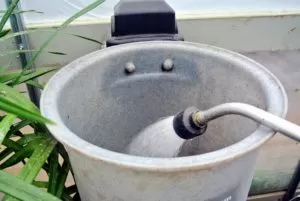
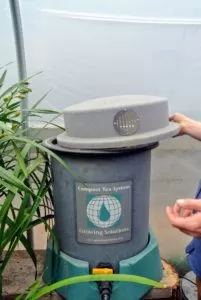
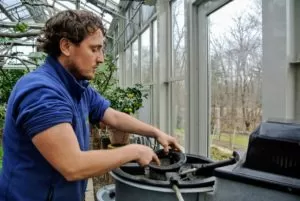
A dedicated compost tea brewer is ideal. These systems typically include a tank, an aeration device (like a bubble diffuser), and a basket or filter for holding the compost. Placement is important – a sheltered spot with access to power and water is necessary. We have smaller units for greenhouse use and larger ones for broader application across the farm.
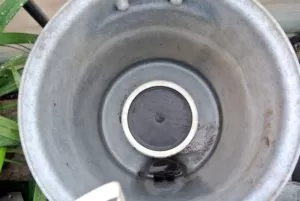
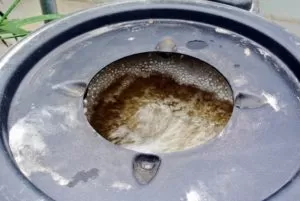
The aeration disc is critical. It creates fine bubbles that ensure oxygen is distributed throughout the water and around the compost, keeping those beneficial aerobic microbes happy and multiplying.
Fill the Tank: Start with potable water. Fill the brewing tank up to the marked line.
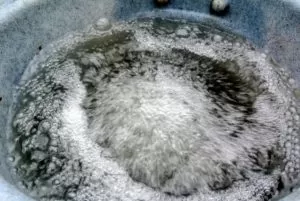
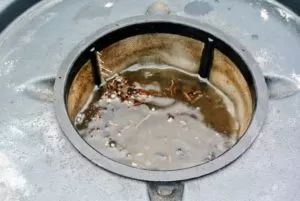
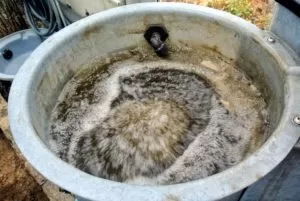
Aeration & De-chlorination: Turn on the aerator. The bubbling action helps remove chlorine, which can harm microbes, and adds essential oxygen. Letting it bubble for about 30 minutes before adding compost is a good practice if your water contains chlorine.
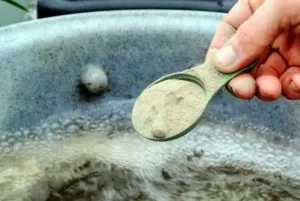
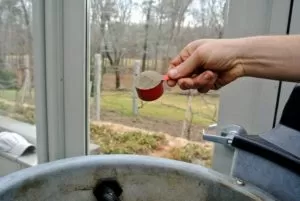
Add Catalyst (Optional but Recommended): Many brewing recipes or systems recommend a catalyst or microbial food source. This is often a mix of simple sugars and nutrients that gives the microbes a ready food source to kickstart their population growth. Add the recommended amount to the aerating water.
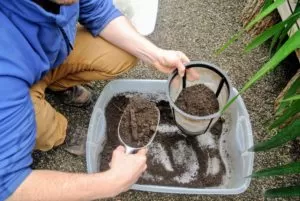
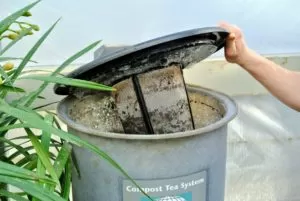
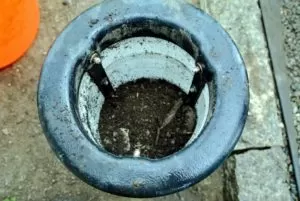
Prepare the Compost Basket: Place the filter basket onto its tray. This holds the compost and allows the water and bubbles to circulate through it, extracting the beneficial microbes and soluble nutrients.
Add the Compost: Use high-quality, finished compost. We use our own “black gold” made right here on the farm. The amount depends on the size of your brewer; for a 10-gallon system, it’s typically around seven cups. Fill the basket about halfway.
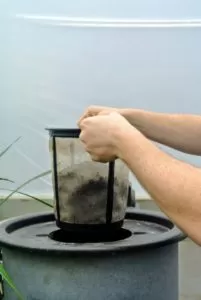
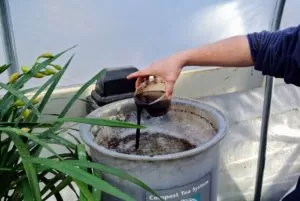
Submerge and Brew: Place the compost basket into the water in the brewing tank. The system should continue to bubble. The brewing process usually takes 24 hours to allow the microbial populations to multiply significantly.
Cover the Brewer: Place the lid back on the system to keep debris out and maintain temperature.
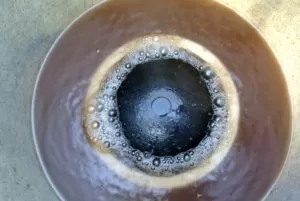
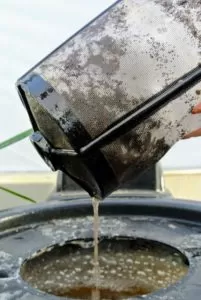
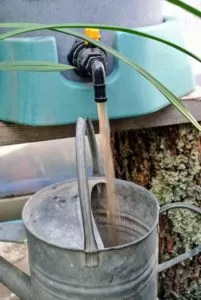
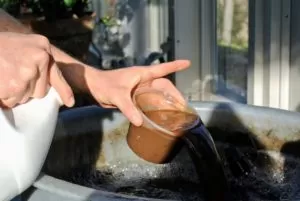
After 24 hours, your compost tea should be ready. The water will have taken on a tea-like color, and the microbial activity will have peaked.
The compost in the basket will look noticeably less dense as many of the soluble components and microbes have been extracted into the liquid.
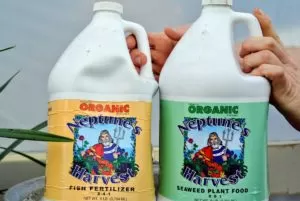
For an extra kick, we sometimes add supplementary liquid fertilizers or plant vitamin solutions after the brewing cycle. This might include fish fertilizer, seaweed extract, or other growth stimulants. These are added to the finished tea and bubbled in for a short period to ensure even mixing.
Once the boosters are mixed, the tea is ready to use!
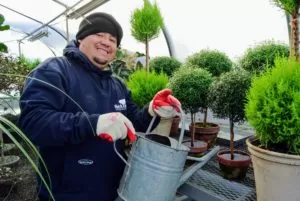
Compost tea can be applied in two main ways:
We use both methods depending on the plant and the desired outcome.
We’ve seen fantastic results combining with compost teas on a variety of plants, including some of our favorites like orchids and citrus trees.
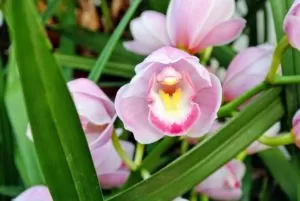
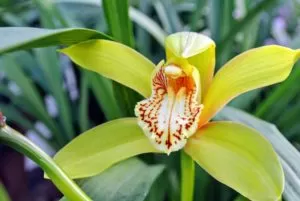
Orchids thrive on consistent, gentle feeding. Compost tea provides essential nutrients and supports healthy root systems, which are crucial for these epiphytic or terrestrial beauties.
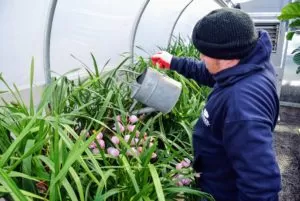
Giving our orchids a drink of compost tea every couple of weeks increases plant vigor and leads to more robust blooms.
Remember, while orchids love humidity, they hate sitting in wet soil. Good drainage is key, even when feeding them nutrient-rich tea.
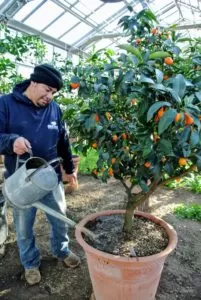
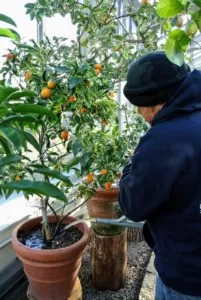
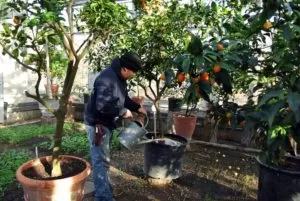
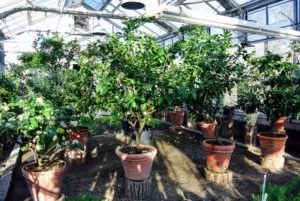
Our citrus trees are heavy feeders and benefit immensely from the boost provided by compost tea. We have a larger brewing system specifically for the volume needed for our collection.
The larger system follows the same simple process, just on a bigger scale.
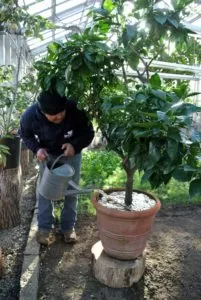
Feeding the citrus roots with compost tea is part of their regular care.
We make sure every citrus plant gets a good drink of this nourishing liquid. Alongside ample sunshine and good air circulation, regular compost tea feeding contributes significantly to their health and fruit production.
The joy of seeing healthy, productive plants that provide delicious fruit makes the effort of brewing compost tea incredibly rewarding.
Embracing the practice of combining with compost teas is one of the most beneficial things you can do for your garden’s long-term health and vitality. It’s an organic, sustainable way to feed your soil and your plants simultaneously, fostering a thriving microbial ecosystem that leads to stronger growth and more abundant yields. While brewing systems make it easier, you can even start with simpler methods. Give it a try and watch your garden flourish!
Have you used compost tea in your garden? Share your experiences or ask your questions in the comments below! Don’t forget to explore other helpful gardening tips and tricks on Thelittle.garden.
Key takeaways: Discover 5 enchanting flowers to create a magical fairy garden Learn the symbolic…
Watermelon Red Crape Myrtle is a classic, versatile tree with stunning pink-red blooms Grows 20-25…
Key Takeaways: Oriental lilies are prized for their large, fragrant blooms They thrive in well-draining…
Key takeaways: Amaranth is easy to grow in containers, perfect for beginners and experienced gardeners…
Vibrant, low-maintenance flowers for sunny spots Continuous color throughout summer Perfect for borders, ground cover,…
Here's how implementing no-dig techniques can transform your container gardening: Build Richer Soil: Layers of…