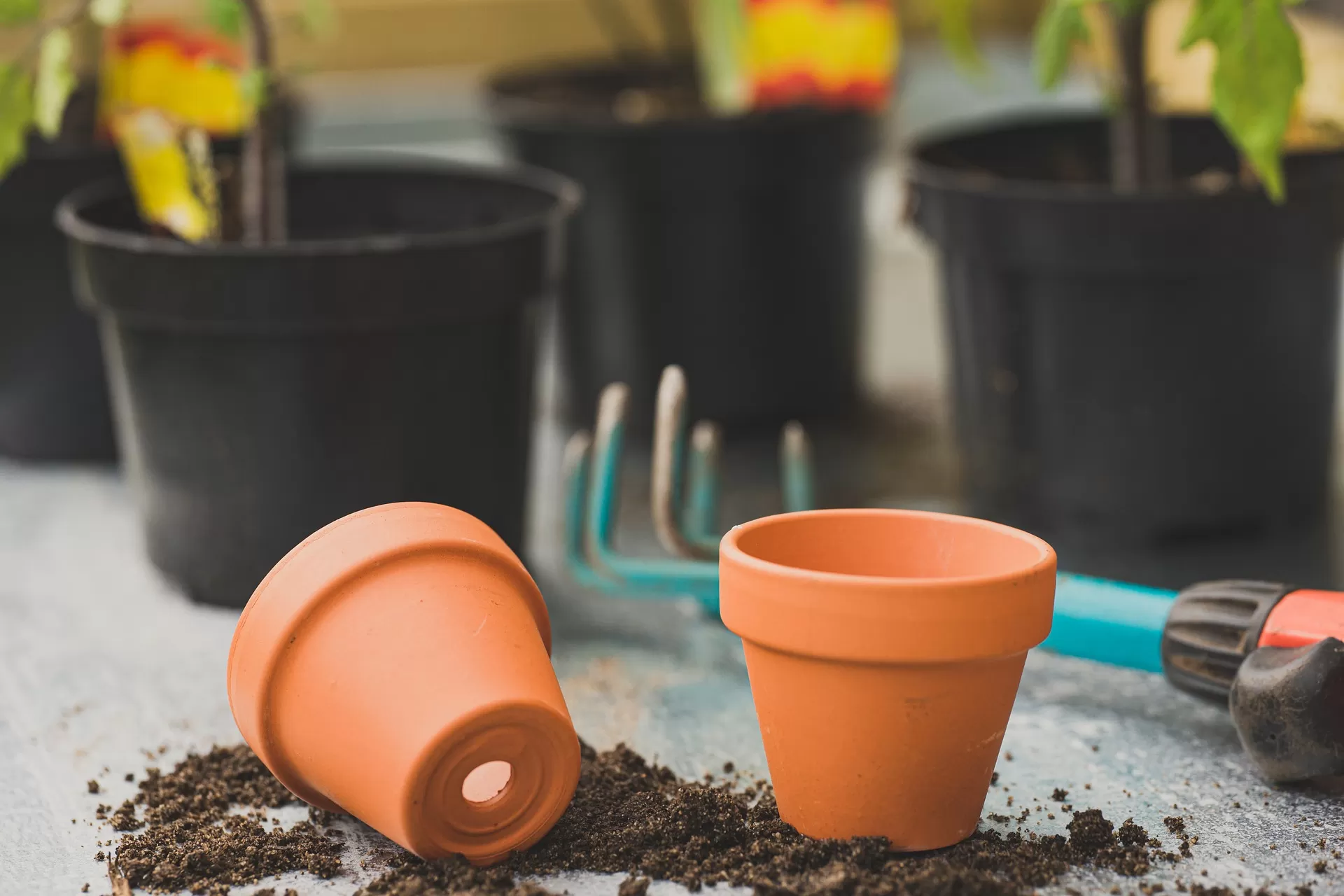
clay pots with dirt
Container gardening offers a fantastic opportunity to cultivate your own fresh produce and beautiful blooms, regardless of space constraints. Whether you have a sprawling backyard or a cozy balcony, container gardening empowers you to create a vibrant garden that perfectly suits your needs and style. Let’s delve into the world of container gardening and discover how you can maximize your gardening potential.
Container gardening, at its core, is the art of growing plants in pots or other containers. This versatile method allows you to cultivate a wide array of vegetables, herbs, fruits, and flowers, transforming any space into a flourishing garden. It’s a perfect solution for urban dwellers, apartment residents, or anyone with limited outdoor space. Even if you have a large yard, container gardening can be a wonderful way to add pops of color and greenery to patios, decks, or entryways.
Container gardening presents a multitude of benefits, making it an ideal choice for both seasoned gardeners and beginners alike:
Space Optimization: One of the greatest advantages of container gardening is its ability to maximize limited space. Even a small balcony or windowsill can become a productive garden.
Accessibility: Place your containers near your home for easy access, making watering, tending, and harvesting a breeze. This convenience encourages regular care and ensures you can enjoy the fruits (and vegetables!) of your labor.
Controlled Environment: Container gardening provides unparalleled control over your growing environment. You can choose the perfect potting mix, tailor it to specific crops, and avoid the challenges of poor native soil.
Reduced Weeds and Pests: Container gardening significantly reduces weed growth and minimizes pest problems, simplifying maintenance and maximizing yields.
Optimal Sunlight: By elevating plants above ground level, containers ensure your vegetables receive ample sunlight, even in areas with limited direct sun exposure.
While container plants generally require more frequent watering than in-ground plants, this is easily managed with proper planning and placement.
Selecting the right container is paramount to successful container gardening. While almost anything that holds soil can be used, consider factors like size, material, and drainage:
Larger containers generally provide more space for root growth, leading to healthier and more productive plants. A 5-gallon container is suitable for larger vegetables like tomatoes or squash, while smaller containers are perfect for shallow-rooted plants like lettuce or herbs. Consider the weight and mobility of larger containers, especially if you’re gardening on a balcony or rooftop.
Proper drainage is crucial for preventing waterlogged soil, which can lead to root rot and other plant diseases. Ensure your chosen containers have adequate drainage holes. For a 4-6 inch diameter container, 3-6 quarter-inch drainage holes are sufficient. Larger containers require 6-8 quarter-inch holes.
Don’t use garden soil in your containers! It’s often too heavy, compacts easily, and may harbor diseases. Opt for a soilless potting mix specifically designed for containers. These mixes are typically composed of peat moss (or coconut coir), perlite, and vermiculite, providing excellent drainage, aeration, and nutrient retention.
While many plants thrive in containers, some are particularly well-suited for this style of gardening. Look for “dwarf” or “container” varieties, which tend to stay smaller and are more adaptable to container life. Vegetables that transplant easily are also excellent choices.
Here are some container-friendly options:
Container plants dry out faster than in-ground plants and often require daily watering, especially during hot weather. Water deeply and thoroughly, ensuring water reaches the roots. Allow the soil to dry slightly between waterings to prevent overwatering.
Container plants require regular fertilization because nutrients are quickly leached out with frequent watering. Use a slow-release fertilizer at the beginning of the season and supplement with liquid fertilizer every two weeks during active growth.
Provide support for tall or vining plants using trellises, stakes, or cages. This prevents them from toppling over and encourages healthy growth.
Container gardening is a rewarding and accessible way to bring the joy of gardening to any space. By following these tips and choosing the right plants, pots, and soil, you can create a thriving container garden that provides fresh produce, beautiful blooms, and a touch of nature to your surroundings. We encourage you to share your container gardening experiences and tips in the comments below! Happy gardening!
Key takeaways: Discover 5 enchanting flowers to create a magical fairy garden Learn the symbolic…
Watermelon Red Crape Myrtle is a classic, versatile tree with stunning pink-red blooms Grows 20-25…
Key Takeaways: Oriental lilies are prized for their large, fragrant blooms They thrive in well-draining…
Key takeaways: Amaranth is easy to grow in containers, perfect for beginners and experienced gardeners…
Vibrant, low-maintenance flowers for sunny spots Continuous color throughout summer Perfect for borders, ground cover,…
Here's how implementing no-dig techniques can transform your container gardening: Build Richer Soil: Layers of…