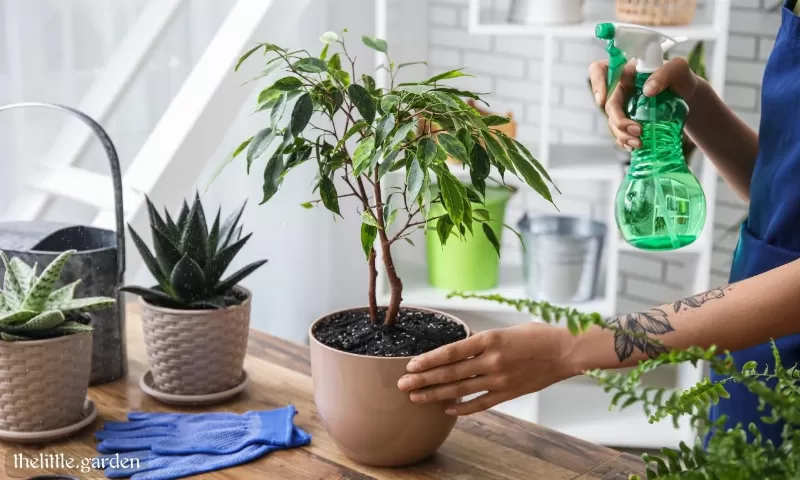
The fig tree is characterized by its fruit, its large, dark-green non-deciduous leaves, pliable trunk, and sticky sap
Fig trees, with their lush foliage and intriguing fruits, have captivated gardeners and nature enthusiasts for centuries. As a passionate plant lover myself, I’ve always been fascinated by the diversity within the Ficus genus. Today, I’m excited to take you on a journey through 11 different types of fig trees, each with its own unique charm and characteristics.
Contents
The Ficus Carica, or common fig, is the variety most of us think of when we hear “fig tree.” It’s the one that produces those delicious, edible figs we find in stores. With its distinctive lobed leaves resembling maple trees, this fig can grow up to 30 feet tall outdoors but makes a lovely 10-foot indoor plant too.
Fun fact: The “fruit” of a fig tree is actually an inverted flower! It’s a fascinating quirk of nature that never fails to amaze me.
Native to Africa, the Ficus Cyathistipula is a stunning tree with glossy green leaves and unique, flaky bark reminiscent of birch trees. What I love about this species is its resilience – it’s more tolerant of dry air and low light conditions than many of its Ficus cousins.
The Mistletoe Fig, or Ficus Deltoidea, gets its name from its resemblance to the romantic holiday plant. Its distinctive deltoid-shaped leaves and clustered fruits make it a unique addition to any plant collection. As someone who loves plants with character, I find the Mistletoe Fig’s compact, shrub-like growth particularly charming.
The Red Leaf Fig, or Ficus Congesta, is a true showstopper. Its new leaves emerge in a vibrant red before maturing to green, creating a stunning visual display. While it’s not commonly grown as an ornamental tree, I believe its unique coloration makes it worthy of more attention in the gardening world.
Also known as the Banyan tree, Ficus Benghalensis or Ficus Audrey is a gentle giant. While it can grow to enormous sizes in the wild, it makes a manageable and low-maintenance indoor plant. I’ve found it to be much more forgiving than its cousin, the Fiddle Leaf Fig, making it perfect for those new to fig care.
The Weeping Fig, or Ficus Benjamina, is perhaps the most common indoor fig tree. Its graceful, drooping branches and small, oval leaves create a beautiful silhouette. In my experience, while it can be sensitive to changes in light, it’s generally quite tolerant of less-than-ideal conditions, making it a great choice for beginners.
Ah, the Fiddle Leaf Fig – the darling of interior designers and plant enthusiasts alike. Its large, violin-shaped leaves create a dramatic tropical look. While it can be a bit finicky about its care, I’ve found that the stunning visual impact of a healthy Fiddle Leaf Fig is well worth the extra effort.
The Rubber Tree, or Ficus Elastica, is a true classic. Its large, glossy leaves and historical importance as a source of rubber make it a fascinating addition to any plant collection. In my experience, it’s one of the more forgiving Ficus species, tolerating a range of light conditions and occasional neglect.
The Creeping Fig, or Ficus Pumila, breaks the mold of traditional fig trees by growing as a vine. I love using it as a living wall or groundcover in frost-free areas. Its ability to climb and cover surfaces makes it a versatile and unique addition to any garden or indoor space.
The Council Tree, or Ficus Altissima, is a fascinating species known for its “strangling” growth habit in the wild. While this behavior isn’t an issue for potted plants, its large, variegated leaves make it a stunning indoor specimen. I’m particularly impressed by its air-purifying abilities, efficiently removing toxins like formaldehyde from the air.
The Ficus Retusa, often grown as a bonsai, is a delightful miniature tree. Its small leaves and twisted trunk make it perfect for those who love the art of bonsai. I’ve found it to be more tolerant of varying conditions than many other Ficus species, making it a great choice for bonsai beginners.
Whether you’re growing your fig tree indoors or out, proper care is crucial. Here are some key tips I’ve learned over the years:
Remember, each species may have slightly different care requirements, so always research your specific variety for best results.
Exploring the world of fig trees has been a delightful journey, and I hope you’ve enjoyed it as much as I have. From the fruit-bearing Ficus Carica to the air-purifying Council Tree, each species offers something unique and beautiful.
Whether you’re a seasoned plant enthusiast or just starting your green journey, there’s a fig tree out there for you. Don’t be afraid to experiment and find the perfect Ficus for your space and lifestyle. Happy planting, and may your fig trees thrive!
Wichtigste Erkenntnisse: Der Anbau eigener gemischter Blattsalate bietet unübertroffene Frische und Geschmack – direkt aus…
Here's how implementing no-dig techniques can transform your container gardening: Build Richer Soil: Layers of…
Healthy soil is teeming with beneficial microbes that act as a natural defense system for…
Transform your patio into a vibrant, wildlife-friendly oasis. Discover how to create beautiful, low-maintenance container…
Unlock the secret to a beautiful, resilient garden with Sedum & Yarrow blends. Discover why…
Beat the Heat: Discover resilient perennials that thrive in containers during the hottest summer months,…