Categories: Gardening

Decoding English Laurel Growth Rate: A Comprehensive Guide

  • Fast growth: Expect 1 to 2 feet of growth per year.
  • Ideal for privacy hedges: The dense foliage creates a natural screen.
  • Adaptable to various conditions: Thrives in sun or shade and a range of soil types.
  • Regular pruning needed: Maintain desired shape and size.

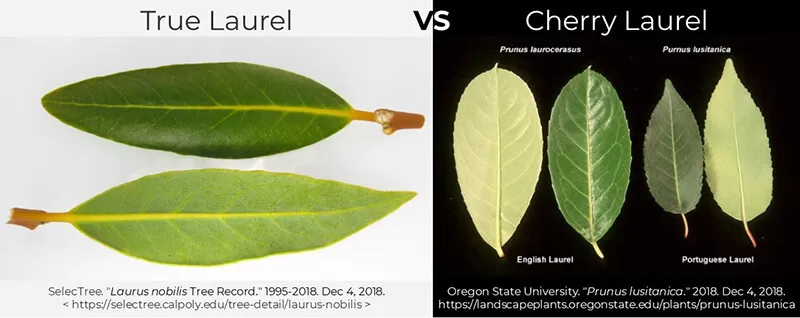
Although often called “laurel,” the English laurel (Prunus laurocerasus) isn’t a true laurel like the Bay Laurel (Laurus nobilis). Its leathery, evergreen leaves do resemble true laurels, leading to the common name. This comprehensive guide delves into the English laurel’s impressive growth rate, making it a popular choice for privacy hedges.

Understanding English Laurel Growth Rate

English laurel growth rate is remarkably fast, typically adding 1 to 2 feet in height each year. This rapid growth makes it an excellent choice for quickly establishing a privacy screen or windbreak. Several factors influence the specific growth rate, including sunlight, soil conditions, and watering practices.

Comparison of true laurel and cherry laurel leaves

Factors Affecting Growth

  • Sunlight: While English laurel tolerates partial shade, it thrives in full sun, resulting in faster and more vigorous growth. Providing at least six hours of direct sunlight daily is ideal.
  • Soil: Well-draining soil is crucial for healthy growth. Amend heavy clay soils with organic matter to improve drainage and aeration.
  • Water: Consistent watering, especially during the first year after planting, is essential. Once established, English laurel is relatively drought-tolerant.

Planting and Care

Proper planting and care practices contribute significantly to achieving optimal English laurel growth rate.

Planting Tips

  • Choose the right location: Select a spot with adequate sunlight and well-draining soil.
  • Dig a hole twice as wide as the root ball: This allows the roots to spread and establish easily.
  • Water thoroughly after planting: This helps settle the soil and hydrate the roots.

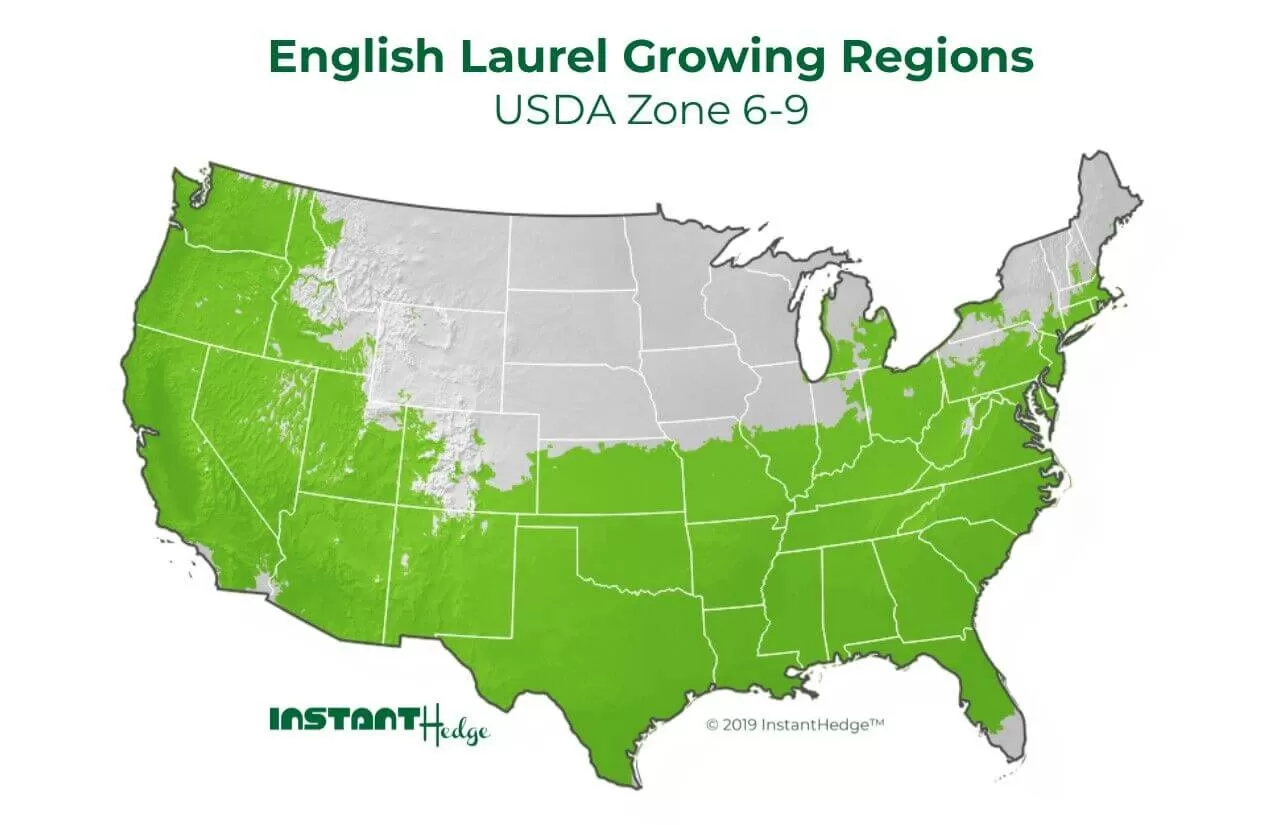
Laurel plant growing conditions

Ongoing Care

  • Regular pruning: Prune annually to maintain the desired shape and size.
  • Fertilizing: Feed in spring with a balanced fertilizer to promote healthy growth.
  • Pest and disease control: Monitor for common pests and diseases and treat promptly.

English Laurel: A Closer Look

  • Scientific name: Prunus laurocerasus
  • Common name: English laurel, cherry laurel
  • Zone: 6-9
  • Light: Full sun to partial shade
  • Humidity: Adaptable
  • Water: Moderate

An English laurel plant

Other Laurel Varieties

Other popular laurel varieties include Schip laurel (Prunus laurocerasus ‘Schipkaensis’) known for its cold hardiness and Portuguese laurel (Prunus lusitanica) which thrives in coastal areas.

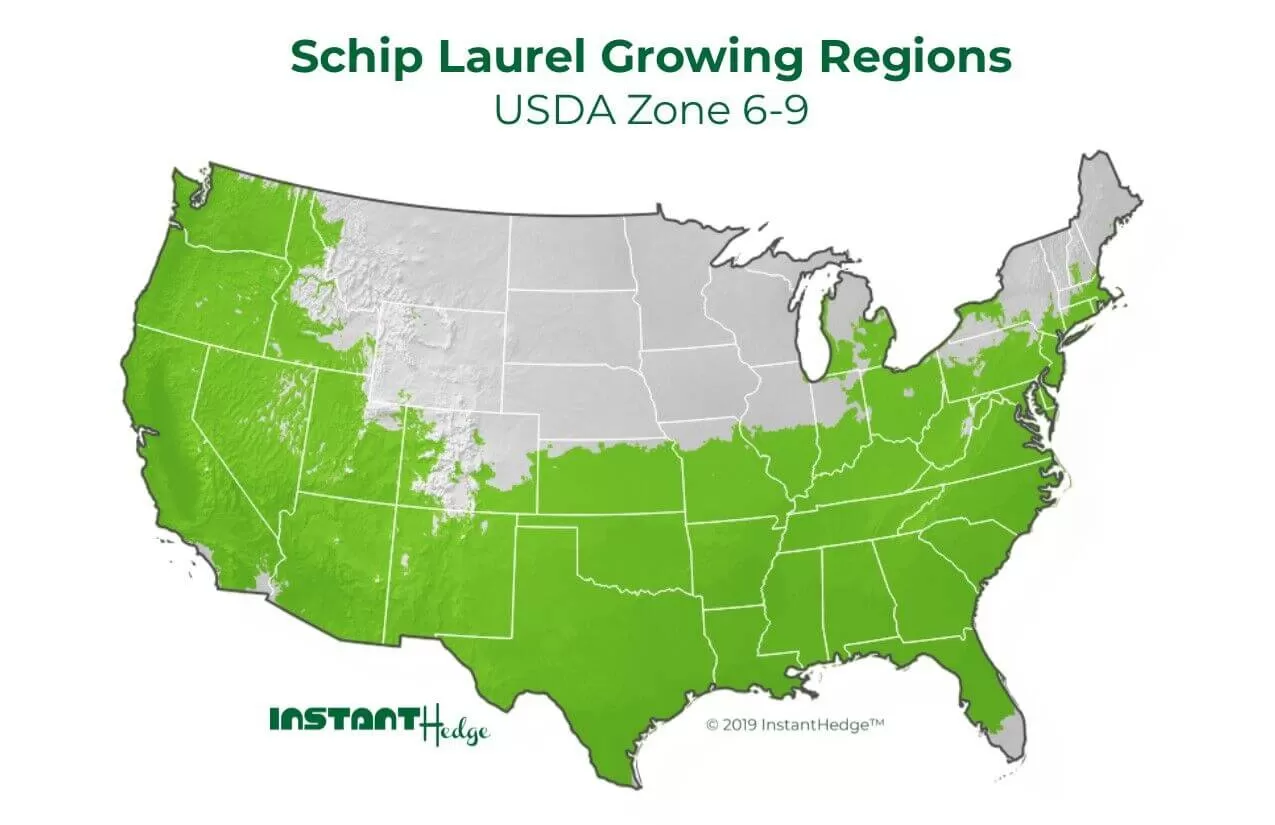
Schip Laurel

  • Scientific name: Prunus laurocerasus ‘Schipkaensis’
  • Common name: Schip laurel, Skip laurel
  • Zone: 5-8
  • Light: Full sun to partial shade
  • Humidity: Adaptable
  • Water: Moderate

Laurel shrub growing region

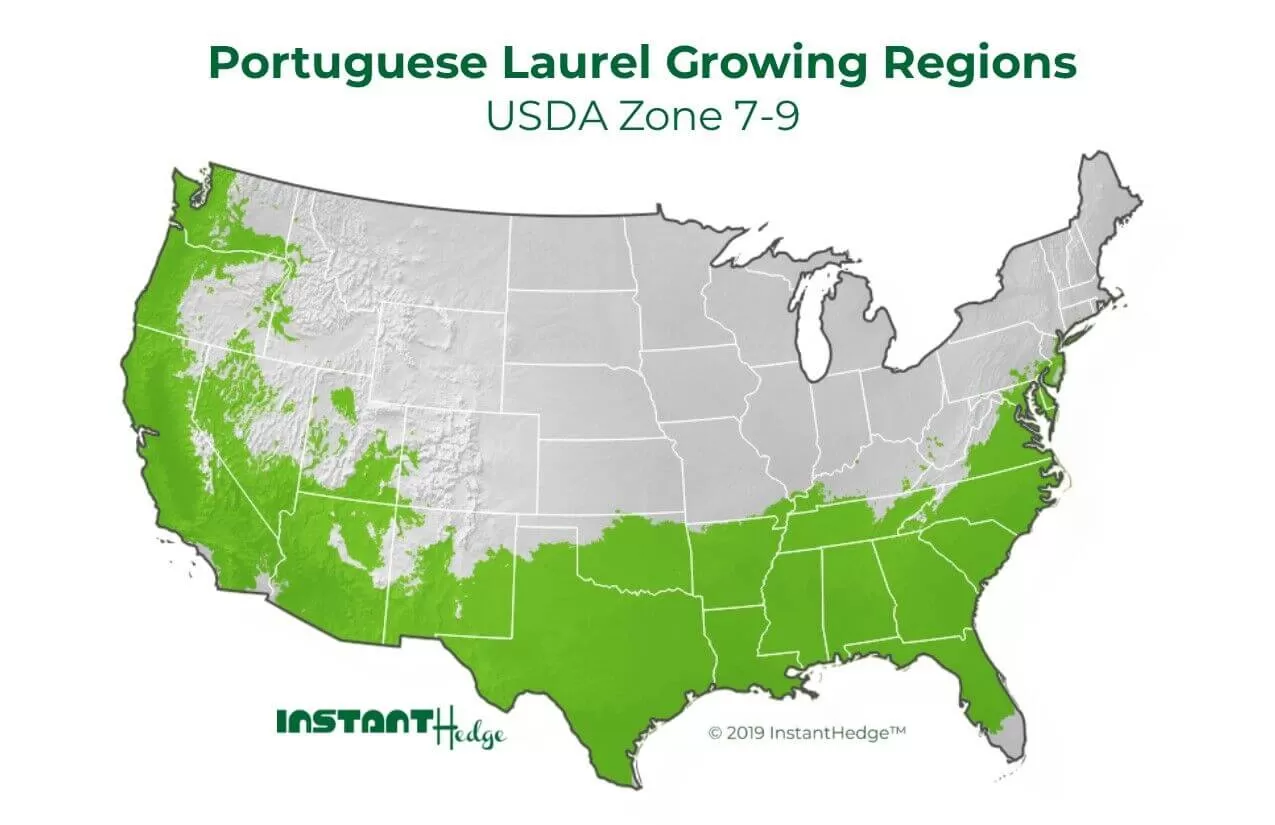
Portuguese Laurel

  • Scientific name: Prunus lusitanica
  • Common name: Portuguese laurel
  • Zone: 7-10
  • Light: Full sun to partial shade
  • Humidity: Adaptable
  • Water: Moderate

With its fast growth rate and dense foliage, English laurel remains a favored choice for creating beautiful and functional hedges. Understanding its growth habits and providing proper care ensures a thriving and attractive addition to any landscape. We invite you to share your experiences with English laurel in the comments below. Share this article with fellow gardening enthusiasts and explore more insightful articles on Thelittle.garden!

Clare

I'm Clare Nguyen, a full-time blogger who's all about exploring and sharing fresh ideas. I've got this inexplicable love for plants that adds so much joy to life. Investing in some green goodness at home is my favorite hobby. Now, I may not be an expert plant-whisperer, but I'm always excited to share any new insights and legit knowledge that I've gathered along the way. My goal is to inspire and connect with others who feel the same way!

Recent Posts

Fairy Flowers Plants: Create a Magical Haven with 5 Enchanting Blooms

Key takeaways: Discover 5 enchanting flowers to create a magical fairy garden Learn the symbolic…

3 weeks ago

Watermelon Red Crape Myrtle: A Timeless Beauty for Your Garden

Watermelon Red Crape Myrtle is a classic, versatile tree with stunning pink-red blooms Grows 20-25…

3 weeks ago

From Novice to Pro: Growing Oriental Lily Flowers with Ease!

Key Takeaways: Oriental lilies are prized for their large, fragrant blooms They thrive in well-draining…

3 weeks ago

Growing Amaranth in Pots: A Hassle-Free Guide for Bountiful Greens

Key takeaways: Amaranth is easy to grow in containers, perfect for beginners and experienced gardeners…

3 weeks ago

15 Best Low Growing Perennials That Bloom All Summer for Full Sun

Vibrant, low-maintenance flowers for sunny spots Continuous color throughout summer Perfect for borders, ground cover,…

3 weeks ago

Unlock Thriving Container Gardens: Implementing No-Dig Techniques for Ultimate Soil Health

Here's how implementing no-dig techniques can transform your container gardening: Build Richer Soil: Layers of…
1 year ago