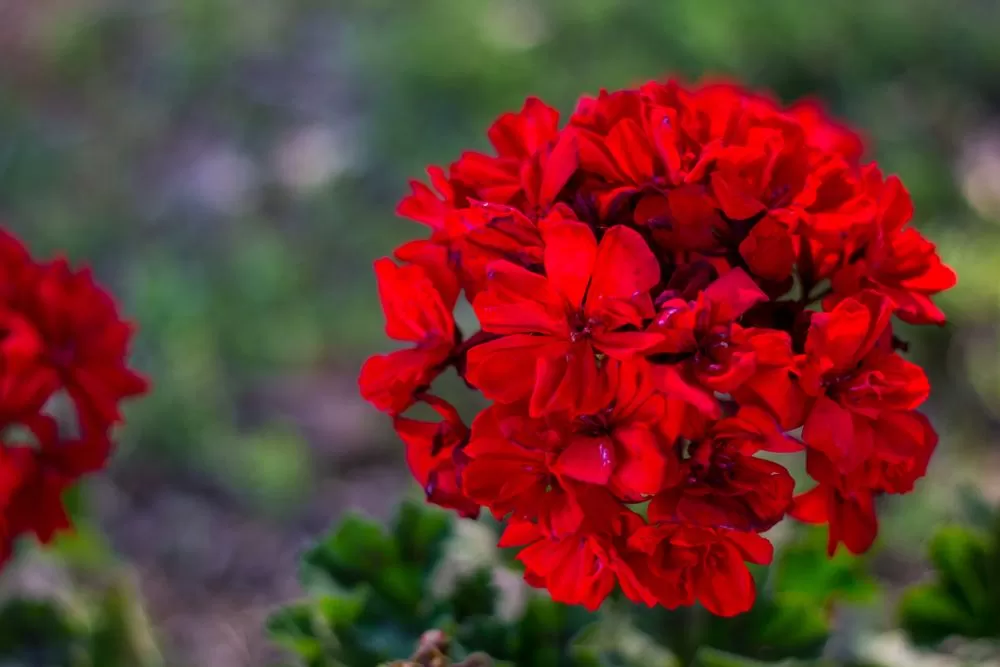
Close-up view of vibrant red hydrangea blooms in a garden.
Want to see your hydrangeas burst forth with even more stunning colors and lush foliage? If you’re seeking a natural boost for your garden’s favorite showstoppers, then exploring the benefits of epsom salt for hydrangeas might just be the secret ingredient you’ve been missing. This common household mineral, known scientifically as magnesium sulfate, holds incredible potential to transform your hydrangea display, supporting robust growth and intensifying those breathtaking hues.
From nurturing healthier roots to playing a vital role in key plant processes, Epsom salt is a powerful yet easy-to-use tool for any gardener. It’s an affordable way to potentially address specific nutrient needs and enhance the overall vitality of your beloved shrubs. Let’s delve into how this simple compound can make a significant difference in your garden’s centerpiece.
Contents
When we talk about supporting the health and beauty of hydrangeas naturally, Epsom salt often comes up in conversation. It’s a fantastic option for gardeners looking to improve soil fertility and give their plants the best possible start. More than just a soil amendment, it delivers essential nutrients that are crucial for overcoming common plant challenges and promoting vigorous development.
At its core, Epsom salt is composed of magnesium and sulfate. Both are vital for healthy plant life. Magnesium is a key player in the production of chlorophyll, the green pigment essential for photosynthesis. Think of it as the plant’s energy factory – without enough magnesium, energy production slows down. Sulfate, the other half, helps with the creation of vitamins and amino acids, further strengthening the plant’s structure and overall growth. Together, these elements help fortify cell walls and support healthy development from the roots up.
One common issue gardeners face is magnesium deficiency, which can directly impact the appearance of your hydrangeas. If you notice the leaves on your hydrangeas starting to yellow, particularly between the veins while the veins themselves remain green (a pattern called interveinal chlorosis), a lack of magnesium could be the culprit. It’s important to distinguish this from other issues; for instance, if the leaves turn a uniform brown, you might be dealing with a potassium deficiency instead. By providing magnesium, you help ensure your hydrangeas can efficiently produce chlorophyll, keeping those leaves vibrant and healthy, which in turn supports beautiful blooms.
Beyond nutrient supply, some gardeners believe Epsom salt may help improve the soil’s ability to retain moisture, creating a more favorable environment for hydrangea roots, although its primary benefit lies in providing magnesium and sulfur.
While introducing Epsom salt can be beneficial, remember it’s just one piece of the puzzle when it comes to nurturing spectacular hydrangeas. Achieving those stunning blooms requires attention to several fundamental care practices.
Hydrangeas generally thrive in soil that is fertile, consistently moist, but also drains exceptionally well. Soil that stays waterlogged is a recipe for disaster, leading to root rot and fungal diseases. Ensure your planting site or pots allow excess water to drain away freely. Good drainage also helps roots properly absorb any nutrients, including those from Epsom salt.
If your soil isn’t naturally rich, incorporating organic compost is an excellent way to boost its nutritional content and structure. Regular fertilization is also important for overall plant vigor. Using a balanced, slow-release fertilizer a few times during the growing season can provide a broad spectrum of nutrients that Epsom salt alone doesn’t supply. Always follow the product instructions carefully to avoid over-fertilizing, which can harm plants.
Hydrangeas enjoy a location with some shade, but they typically need at least six hours of sunlight daily to encourage prolific flowering. Consistent watering is also key, especially during dry periods. Aim to water thoroughly about once a week, checking the soil moisture first. While Epsom salt might subtly affect soil moisture, don’t rely on it for hydration. If the soil is already damp a few inches down, hold off on watering until it begins to dry out.
Integrating Epsom salt into your hydrangea care routine is straightforward, but it’s best done thoughtfully.
The most effective way to know if your hydrangeas will benefit from Epsom salt is to test your soil. A soil test can reveal if there’s a magnesium deficiency. If the test indicates a lack of magnesium, or if you observe classic magnesium deficiency symptoms (interveinal chlorosis on older leaves), you can proceed with application.
To apply, measure out 1 tablespoon (about 15 grams) of Epsom salt per gallon of water. It’s important to measure accurately to prevent over-application. Dissolve the salt completely in the water.
Once dissolved, carefully apply the mixture directly to the soil around the base of your hydrangea plants, covering the root zone area. A general guideline is to use this amount for approximately 9 square feet of garden bed space around the plant. Apply this mixture every two to four weeks during the growing season, but always monitor your plants and soil conditions.
While Epsom salt can be a beneficial supplement, it’s not a miracle cure and using it improperly can cause issues.
As mentioned, soil testing is paramount. Applying Epsom salt to soil that already has sufficient magnesium can lead to an excess buildup. Too much magnesium can interfere with the plant’s uptake of other crucial nutrients, particularly calcium. This calcium imbalance can lead to problems like blossom end rot in some plants (though less common in hydrangeas, it highlights the principle of nutrient balance) and potentially cause leaf scorch. Always confirm a need before applying.
Soil type matters; light, acidic, or sandy soils are more prone to magnesium deficiency. Also, be mindful of your watering habits. While regular moisture is good, excessive watering or poor drainage can leach essential minerals like magnesium from the soil, making it harder for roots to access them, even if you add Epsom salt.
Finally, consider the broader environmental impact. While naturally occurring, excessive use and runoff containing high levels of magnesium can potentially contribute to mineral contamination in local water sources. Use judiciously and only when necessary.
It’s quite amazing how a simple mineral salt can have such a positive impact on the vitality and appearance of your hydrangeas when used correctly. By understanding its role in providing magnesium and sulfur, recognizing deficiency signs, and applying it thoughtfully alongside good basic care, you can help your hydrangeas reach their full blooming potential.
Using epsom salt for hydrangeas isn’t just about adding a nutrient; it’s about supporting the fundamental processes that lead to healthy growth and spectacular flowers. So, if you’re looking for that extra edge in getting the most beautiful, lush hydrangeas, consider incorporating this easy and effective soil amendment into your gardening routine.
Have you used Epsom salt on your hydrangeas? We’d love to hear about your experiences and results in the comments below! Don’t forget to share this guide with fellow garden enthusiasts who might benefit from boosting their hydrangea blooms.
Wichtigste Erkenntnisse: Der Anbau eigener gemischter Blattsalate bietet unübertroffene Frische und Geschmack – direkt aus…
Here's how implementing no-dig techniques can transform your container gardening: Build Richer Soil: Layers of…
Healthy soil is teeming with beneficial microbes that act as a natural defense system for…
Transform your patio into a vibrant, wildlife-friendly oasis. Discover how to create beautiful, low-maintenance container…
Unlock the secret to a beautiful, resilient garden with Sedum & Yarrow blends. Discover why…
Beat the Heat: Discover resilient perennials that thrive in containers during the hottest summer months,…