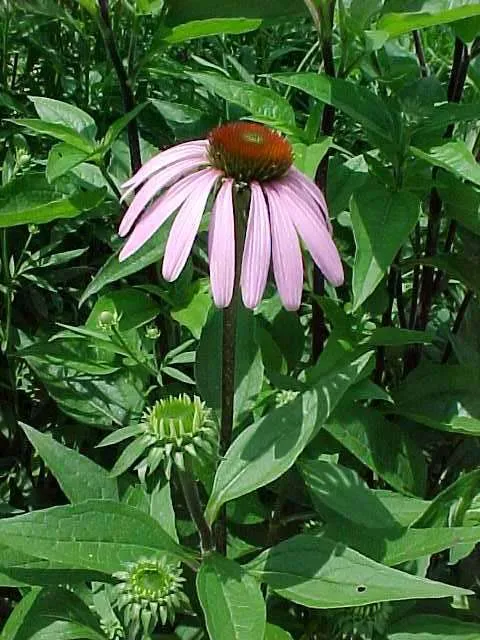
Purple coneflower with vibrant pink petals held upright on sturdy stems in full sun
Creating a garden that offers beauty and interest throughout the seasons is a deeply rewarding endeavor. It’s about more than just summer flowers; it’s about selecting plants that contribute color, texture, and form from spring’s first blush well into the quiet beauty of late autumn and even winter. One key element in achieving this extended display is thoughtfully incorporating plants with varied bloom times and lasting structural appeal.
As your guide from Thelittle.garden, I’m excited to share some personal favorites and insights into selecting plants that keep the garden vibrant for months on end. We’ll explore species that stand out for their longevity, unique characteristics, and ability to pair beautifully with others, including the unsung heroes that are extended-bloom grasses.
While many gardens peak in mid-summer, the truly captivating ones offer a spectacular show as the days shorten. Late-blooming perennials and shrubs, alongside plants with striking foliage or seedheads, bridge the gap between summer and the cooler months.
Sunny borders don’t have to fade after August. Many tough and beautiful plants thrive in full sun and offer blooms or structure that extend well into fall.
Threadleaf Coreopsis ‘Zagreb’
I find ‘Zagreb’ Coreopsis to be a staple in sunny borders. Its deeper yellow flowers are a lovely golden addition, more intense than some other popular cultivars. It’s a low-maintenance friend that rewards you with a long bloom time.
Purple Coneflower
No sunny native garden feels complete without Echinacea purpurea. These sturdy plants hold their erect flowers high, welcoming pollinators and adding cheerful color. I always resist the urge to deadhead, knowing the dried seedheads are a feast for birds in fall and winter.
Tennessee Coneflower
Echinacea tennesseensis is a real treat for the sunny border. Its distinctive upward-curving, deep pink ray flowers make it stand out. It’s wonderful to see this plant, once endangered, now finding a prominent place in home landscapes.
Gaura
Gaura lindheimeri is a fantastic choice for a long-flowering plant in a sunny spot. I love its airy stems, which give it a “see-through” quality perfect for layering. It truly thrives in dry, hot conditions, proving that beauty doesn’t always need constant fuss.
Russian Sage
Russian sage (Perovskia atriplicifolia) is a blue-flowering favorite of mine for sunny locations. Its wispy blue flower spikes provide a cooling effect and airy appearance, making it excellent for mingling with bolder plants like coneflowers, daylilies, and yarrows. The crushed foliage releases a lovely fragrance, too! ‘Filigran’ is a cultivar I particularly enjoy for its finer foliage texture.
Scientific Name: Perovskia atriplicifolia
Common Name: Russian sage
Zone: 4-9
Light: Full Sun
Humidity: Low
Water: Low (Dry, well-drained soil)
Scientific Name: Perovskia ‘Filigran’
Common Name: Russian sage ‘Filigran’
Zone: 4-9
Light: Full Sun
Humidity: Low
Water: Low (Dry, well-drained soil)
Shade gardens aren’t just for spring ephemerals. Many beautiful perennials come into their own later in the season, providing texture and color when other plants are fading.
Hardy Begonia
Begonia grandis subsp. evansiana is a delightful late-blooming begonia perfect for woodland settings. The red veins on the undersides of its leaves add a subtle touch of interest, and its late flowers are a welcome sight. Plant it in masses for a truly striking effect that will have everyone talking.
Japanese Anemone
Japanese anemones (Anemone hupehensis var. japonica) are a pleasure to behold with their elegant, late-season flowers held on wiry stems. ‘Pamina’ is a cultivar known for its beautiful blooms that brighten shady borders well into fall. They bring a touch of grace to woodland gardens as the season wanes.
Shellflower
Chelone lyonii is one of my favorites for moist, shaded areas. The unique snapdragon-like flowers, resembling a turtle’s head, appear late in the season, adding unexpected color to the woodland garden. They pair beautifully with ferns and astilbes.
While many people think of flowers when aiming for extended garden interest, extended-bloom grasses (more accurately described as grasses providing extended seasonal appeal or late-season structure) are absolute game-changers. They don’t necessarily “bloom” in the traditional sense for long periods, but their plumes, seed heads, and often beautiful fall or winter foliage provide essential texture, movement, and structure long after most flowers have faded.
These grasses are the backbone of a four-season garden design. They catch the light beautifully in the low sun of autumn and winter, rustle musically in the breeze, and provide crucial vertical interest and naturalistic charm. Incorporating a variety of extended-bloom grasses can elevate your garden from merely pretty to truly captivating year-round. They pair wonderfully with many of the flowering perennials and shrubs we’ve discussed, providing a soft, dynamic contrast to bolder forms and colors. Think of the way feathery grass plumes complement the solid shapes of asters or coneflowers!
Achieving extended bloom and interest is about layering different plant types with staggered seasons of appeal.
Even plants primarily known for earlier blooms can contribute to the garden’s overall look and structure throughout the season.
Bluebeard
Caryopteris x clandonensis ‘Longwood Blue’ is a perennial I frequently use as a small shrub in sunny locations. While its main bloom might be mid to late summer, perfectly timed with monarch migration (a sight I always enjoy!), its presence and structure contribute to the garden’s layers beforehand. It pairs well with yellow-flowered plants for a striking contrast.
Rose of Sharon
Hibiscus syriacus ‘Diana’ is a fantastic late-season bloomer. I appreciate this cultivar specifically for its large, pure white flowers that continue to open from summer well into fall. It can be used as a specimen or in groups, adding a touch of tropical flair just when other things are winding down. There’s definitely a renewed appreciation for these hardy shrubs, and for good reason!
St. John’s Wort
Hypericum calycinum is a lesser-known perennial that excels as a groundcover in full sun. Its blue-green foliage is attractive, providing a solid carpet under trees and shrubs or at the front of the border, even when its yellow flowers aren’t present. Pairing it with blue flowers creates a beautiful complementary scheme.
Bear’s Breeches
Acanthus spinosus makes a bold architectural statement. I like to place it in the shade garden where its dramatic foliage truly stands out and commands attention even without flowers. It provides essential structure and texture.
Yarrow
My sunny perennial gardens always have space for yarrow. ‘Coronation Gold’ (Achillea ‘Coronation Gold’) is particularly robust in summer, and its flat-topped flower heads are excellent landing pads for butterflies. They also make wonderful cut flowers. ‘Paprika’ (Achillea millefolium ‘Paprika’) adds vibrant red blooms and quickly forms dense mounds. Yarrows provide cheerful color for an extended period.
Ajania
Ajania pacifica is a plant I find very attractive, especially for its ornamental foliage. The elegant silver-edged leaves are a beautiful feature, providing texture and color contrast even before its late yellow flowers appear.
Lady’s Mantle
Alchemilla mollis makes an excellent groundcover for the shady border with its densely hairy, scalloped foliage that holds dewdrops like jewels. The blue-green leaves provide great texture and are lovely companions for blue hostas and lime-green flowers.
Blue Star
Amsonia hubrichtii brings a wonderful airy appearance to the border with its fine, linear foliage. The blue star-shaped flowers are lovely in late spring, but I especially love the light, golden yellow fall color that truly extends its season of interest. While slow to establish, it is absolutely worth the patience. Amsonia tabernaemontana is another tough Blue Star with similar blue flowers and nice fall color, great for combining with other full sun perennials.
Columbine
The vibrant red of Aquilegia ‘Cardinal’ (Songbird Series) is a treat in the woodland garden, its funnel-shaped flowers attracting pollinators. Aquilegia flabellata var. pumila offers lovely blue flowers and attractive blue-green foliage, perfect for a spot up close where its smaller size can be appreciated. While spring bloomers, their foliage adds texture later.
Wild Ginger
Asarum canadense is a native plant I believe is underused. Its wonderful, shiny, kidney-shaped foliage creates a fantastic groundcover for the shady garden, adding another layer of texture and interest under taller shade lovers.
Butterfly Weed
For attracting butterflies, Asclepias tuberosa is a must-have native. Its bright orange, umbel-shaped flowers are perfect landing pads. It’s happiest in a dry spot and prefers not to be disturbed, especially in spring as it emerges late.
Astilbe
Any astilbe enhances a shade garden, but ‘Deutschland’ (Astilbe ‘Deutschland’) is particularly fine. Providing consistent moisture is key to keeping its fern-like foliage looking lush. It combines beautifully with ferns, hostas, and other shade-loving plants, offering feathery flower plumes in early to mid-summer. ‘Fanal’ (Astilbe x arendsii ‘Fanal’) offers striking blood-red panicles.
Pigsqueak
Bergenia cordifolia is a long-lived, undemanding shade perennial. Its bold, heart-shaped foliage is its main feature, adding strong contrast in texture when grouped with finer-leaved plants. It’s a reliable performer providing evergreen or semi-evergreen interest.
Siberian Bugloss
Brunnera macrophylla offers bold, heart-shaped foliage complemented by delicate blue forget-me-not like flowers in spring. I love pairing it with other shade lovers like ferns, hostas, and epimedium, where its striking leaves provide consistent interest after the flowers are gone.
Red Valerian
Centranthus ruber is an heirloom perennial I frequently use in garden designs. Found thriving in dry soils, it offers long-lasting cut flowers and is a good source of nectar for butterflies, blooming for an extended period in sunny spots.
Plumbago
Ceratostigma plumbaginoides is a late-blooming perennial with beautiful blue flowers. It’s slow to emerge in spring, so be patient! I like using it as a groundcover under trees or shrubs and planting early spring bulbs with it for earlier interest in the same spot. Its foliage turns a lovely bronze-red in fall.
Bleeding Heart
Dicentra spectabilis is a popular cottage garden plant with charming heart-shaped flowers in spring. While it goes dormant in summer, leaving a void, planting ferns or later-emerging perennials nearby ensures continuous interest in its spot.
Joe Pye Weed
Eutrochium purpureum is a bold native that makes a statement at the back of the border, reaching 6-8 feet tall. Its large flower heads appear late in the season and are highly attractive to butterflies. It’s excellent for meadow or wild gardens and adds significant vertical interest.
Hellebore
Helleborus orientalis is finally getting the recognition it deserves. Its leathery, often evergreen foliage is a delight in the woodland garden, providing interest throughout the year, especially in late winter/early spring when it blooms. It’s fantastic under trees and shrubs.
Coral Bells
The genus Heuchera plays a vital role in herbaceous borders, primarily for its diverse and colorful foliage. I find the leaves, like the deep purple of Heuchera micrantha var. diversifolia ‘Palace Purple’, are more impactful in design than the delicate flowers. They combine beautifully with blue or gold hostas and provide consistent foliage interest.
Hardy Hibiscus
Hibiscus ‘Blue River II’ is a fantastic hardy hibiscus with tropical-looking foliage and huge white flowers that don’t need staking. I like placing it at the back of a sunny border or using it as a specimen. Its large presence can be complemented by the finer textures of ornamental or extended-bloom grasses. Hibiscus coccineus, the scarlet rose mallow, is another tropical-looking option that thrives in moist, sunny spots.
Shasta Daisy
Leucanthemum x superbum ‘Alaska’ is one of the easiest perennials to grow. Plant it in full sun with good drainage, and you’ll have a garden full of cut flowers with a long bloom time. Shasta daisies pair well with many other sun lovers like yarrows, sedums, and coneflowers.
Leopard Plant
Ligularia dentata ‘Desdemona’ needs a cool, moist spot to thrive, but when happy, its bold foliage makes a dramatic statement. It’s wonderful paired with ferns and astilbes in a shaded area, adding significant texture.
Cardinal Flower & Blue Cardinal Flower
Lobelia cardinalis is a hummingbird magnet with striking scarlet-red flowers in late summer. It loves moist, shady locations. Lobelia siphilitica offers beautiful blue flowers slightly later. Both are native gems for woodland stream areas or moist garden spots, adding vertical spires of intense color.
Beardtongue
Penstemon digitalis ‘Husker Red’ features attractive narrow, pointed foliage with a reddish tint that provides great contrast to green-leaved plants. Its spires of white flowers attract hummingbirds. It’s a valuable plant for adding vertical interest and color variation.
Solomon’s Seal
Polygonatum odoratum var. pluriflorum ‘Variegatum’ offers graceful, arching stems with variegated foliage that brighten any shade garden. The stems tend to bend in the same direction, creating a lovely effect. It combines beautifully with ferns, hostas, and other woodland plants.
Missouri Coneflower
Rudbeckia missouriensis is a delightful, tough native rudbeckia for full sun. Its ray-like petals are more delicate than other coneflowers, playing a subtler but equally charming role in the sunny garden. It’s a native that deserves to be more widely known!
Orange Stonecrop
Sedum kamtschaticum var. ellacombeanum is an easy-to-grow groundcover for sunny locations. Its short height makes it useful for neat mass plantings around perennials and shrubs, adding texture and later season color with its blooms and seed heads.
Rough Goldenrod ‘Fireworks’
The arrival of autumn is truly announced when Solidago rugosa ‘Fireworks’ bursts into bloom. Its arching yellow flower panicles resemble fireworks and are a spectacular sight. Pairing it with late-flowering asters creates a classic fall combination.
New England Aster
New England asters (Symphyotrichum novae-angliae) are wonderful native plants for late-season color. ‘Andenken an Alma Pötschke’ offers vivid, hot-pink blooms late into fall, perfect for the mid to back border. ‘Purple Dome’ is a shorter, mounding cultivar (only about 18 inches) that keeps a nice shape without pinching and provides delightful purple flowers into the cool autumn days. These asters pair beautifully with goldenrods and extended-bloom grasses. Symphyotrichum oblongifolium, the aromatic aster, is another native that offers late color and fragrant foliage, mixing well with grasses and sedums.
Designing a garden with extended bloom and seasonal interest is a journey of discovery and delight. By incorporating a variety of plants with different peak seasons, from the early charm of columbines and bleeding hearts to the late beauty of asters, anemones, and the crucial structure provided by extended-bloom grasses, you can create a landscape that offers continuous beauty and brings joy throughout the year. Don’t be afraid to experiment and tell your own garden story!
Have you planted any of these beauties in your garden? What are your favorite plants for extending the season? Share your experiences in the comments below, or explore more plant ideas on Thelittle.garden!
Key takeaways: Discover 5 enchanting flowers to create a magical fairy garden Learn the symbolic…
Watermelon Red Crape Myrtle is a classic, versatile tree with stunning pink-red blooms Grows 20-25…
Key Takeaways: Oriental lilies are prized for their large, fragrant blooms They thrive in well-draining…
Key takeaways: Amaranth is easy to grow in containers, perfect for beginners and experienced gardeners…
Vibrant, low-maintenance flowers for sunny spots Continuous color throughout summer Perfect for borders, ground cover,…
Here's how implementing no-dig techniques can transform your container gardening: Build Richer Soil: Layers of…