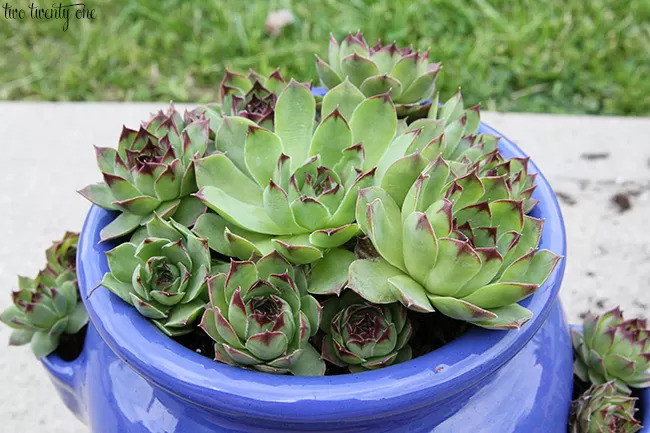
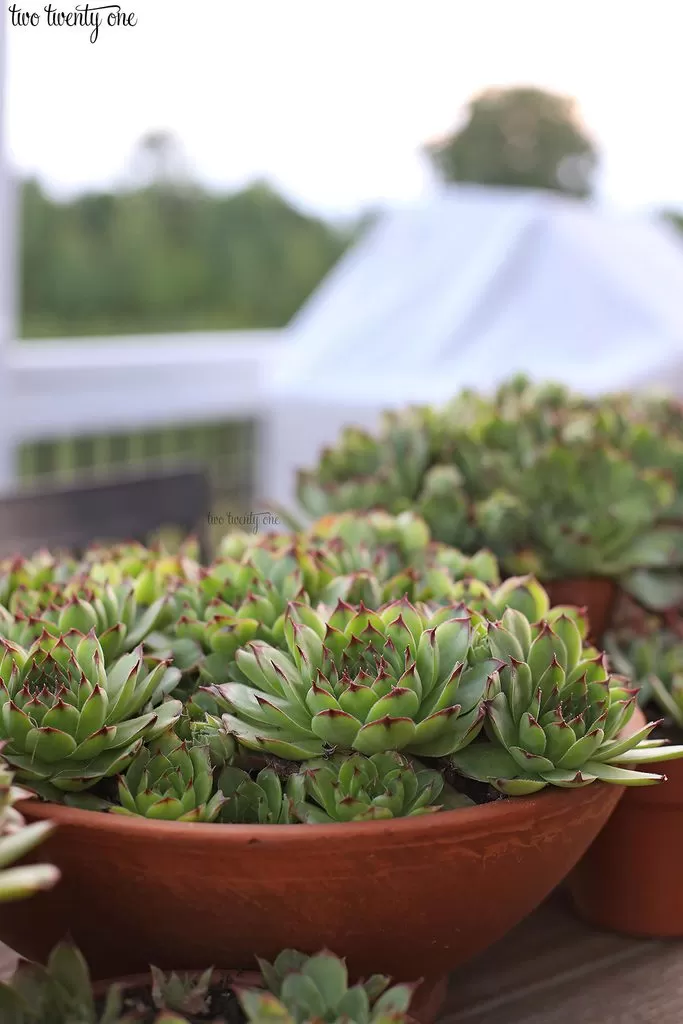
A variety of hen and chicks succulents planted in a blue strawberry pot.
Hen and chicks plants, also known as Sempervivum, are charming succulents that bring a touch of whimsy to any garden. Their name, meaning “live forever,” speaks to their resilience and ease of care, making them a perfect choice for beginners and experienced gardeners alike. Finding the right hen and chicks pot is essential for their long-term health and beauty. This guide will walk you through everything you need to know about selecting the perfect pot and nurturing these delightful plants.
Choosing the right pot is the first step to success with hen and chicks. These succulents thrive in well-draining environments, so proper drainage is key. Look for pots with drainage holes to prevent root rot. Terra cotta pots are an excellent option due to their porous nature, allowing excess water to evaporate. Strawberry pots, with their multiple planting pockets, can create a stunning cascading display of hen and chicks.
Size matters, too. While these succulents are compact, choose a pot that allows for some growth and spreading. Avoid overly large pots, as they retain too much moisture, which can harm the plants. Consider the aesthetics of your garden when selecting your pot. From rustic clay to sleek modern designs, the possibilities are endless.
Once you’ve chosen the perfect hen and chicks pot, it’s time to plant. Use a well-draining potting mix specifically designed for succulents or cacti. Avoid using regular garden soil, which retains too much water. Gently remove the hen and chicks from their current container, taking care not to damage the roots. Place the plant in the new pot, ensuring the base is level with the soil surface. Fill the remaining space with potting mix, lightly firming it around the base. Water thoroughly after planting, allowing excess water to drain.
Hen and chicks are low-maintenance plants, but they still require some care. Place your hen and chicks pot in a sunny location. They thrive in full sun to partial shade, but full sun brings out their vibrant colors. Water sparingly, allowing the soil to dry out completely between waterings. Overwatering is a common mistake that can lead to root rot. During the growing season (spring to fall), fertilize monthly with a balanced liquid fertilizer diluted to half strength.
While hen and chicks are generally pest-free, they can occasionally experience problems. Root rot is the most common issue, usually caused by overwatering or poorly draining soil. Ensure your pot has adequate drainage and avoid overwatering. Mealybugs and aphids can also infest these plants. Treat infestations with insecticidal soap or neem oil.
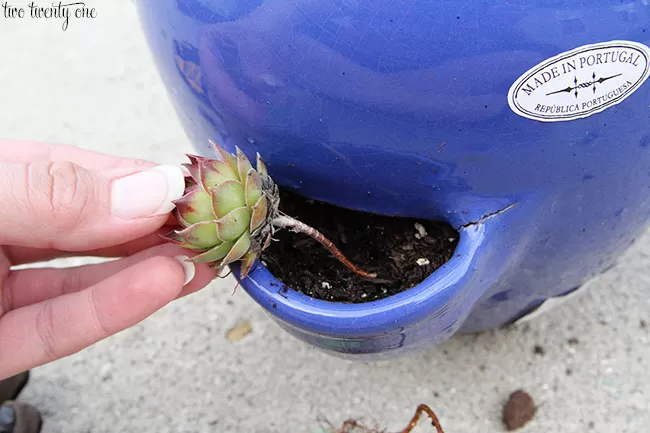
One of the joys of growing hen and chicks is their ease of propagation. The “hen” produces “chicks” or offsets, which are small, independent plants that grow around the base. Simply detach the chicks from the mother plant and plant them in their own pots or directly into the ground. This is a great way to expand your collection and share these delightful succulents with others.
We hope this guide helps you create a thriving hen and chicks garden. Share your experiences and tips in the comments below. We’d love to hear about your successes! Explore more gardening tips and inspiration on our website.
Here's how implementing no-dig techniques can transform your container gardening: Build Richer Soil: Layers of…
Healthy soil is teeming with beneficial microbes that act as a natural defense system for…
Transform your patio into a vibrant, wildlife-friendly oasis. Discover how to create beautiful, low-maintenance container…
Unlock the secret to a beautiful, resilient garden with Sedum & Yarrow blends. Discover why…
Beat the Heat: Discover resilient perennials that thrive in containers during the hottest summer months,…
Variegated Pothos, like the Golden Pothos and Marble Queen, are stunning, easy-care houseplants perfect for…