Key Takeaways:
- Phalaenopsis orchids thrive in bright, indirect light
- Water sparingly, allowing the potting medium to dry between waterings
- Maintain temperatures between 65-75°F during the day and 60-65°F at night
- Aim for 50-70% humidity for optimal growth
- Repot every 2-3 years using a well-draining orchid mix
- Prune spent flower spikes to encourage reblooming
Phalaenopsis orchids, also known as moth orchids, are beloved for their elegant, butterfly-like blooms that can transform any indoor space into a tropical paradise. While these exotic beauties may seem challenging to grow, with the right knowledge and care, even novice gardeners can successfully nurture these stunning plants. In this comprehensive guide, we’ll explore everything you need to know about caring for Phalaenopsis orchids indoors, from basic maintenance to encouraging reblooms.
 Elegant white Phalaenopsis orchid in full bloom
Contents
- Understanding Phalaenopsis Orchids
- Essential Care Tips for Indoor Phalaenopsis Orchids
- Light Requirements
- Watering Techniques
- Temperature and Humidity
- Fertilizing
- Repotting Your Phalaenopsis Orchid
- Post-Bloom Care
- Common Problems and Solutions
- Yellowing Leaves
- Brown or Black Spots on Leaves
- Bud Blast (Buds Dropping Before Opening)
- Encouraging Reblooming
- Conclusion
Understanding Phalaenopsis Orchids
Phalaenopsis orchids, native to tropical regions of Asia and Australia, are epiphytic plants that naturally grow on tree bark or rocks. In their native habitat, they receive filtered sunlight and high humidity, conditions we aim to replicate in our homes. These orchids are prized for their long-lasting blooms, which can persist for several months under proper care.
Essential Care Tips for Indoor Phalaenopsis Orchids
Light Requirements
Phalaenopsis orchids thrive in bright, indirect light. Place your orchid near an east-facing window for optimal light exposure. If you only have access to south or west-facing windows, use a sheer curtain to filter the intense afternoon sun.
Watering Techniques
One of the most crucial aspects of orchid care is proper watering. Overwatering is a common mistake that can lead to root rot. Follow these tips for successful watering:
- Allow the potting medium to dry slightly between waterings
- Water thoroughly, allowing excess water to drain completely
- Use room temperature water to avoid shocking the roots
- Water less frequently in winter when the plant is not actively growing
 Watering a Phalaenopsis orchid
Temperature and Humidity
Phalaenopsis orchids prefer warm temperatures and high humidity. Maintain daytime temperatures between 65-75°F (18-24°C) and nighttime temperatures between 60-65°F (15-18°C). To increase humidity, try these methods:
- Use a humidity tray filled with pebbles and water
- Group plants together to create a microclimate
- Run a humidifier near your orchids
Fertilizing
Feed your Phalaenopsis orchid with a balanced, water-soluble fertilizer formulated for orchids. Apply at quarter-strength every other watering during the growing season, and reduce frequency during winter months.
Repotting Your Phalaenopsis Orchid
Repotting is essential for maintaining healthy orchids. Here’s a step-by-step guide:
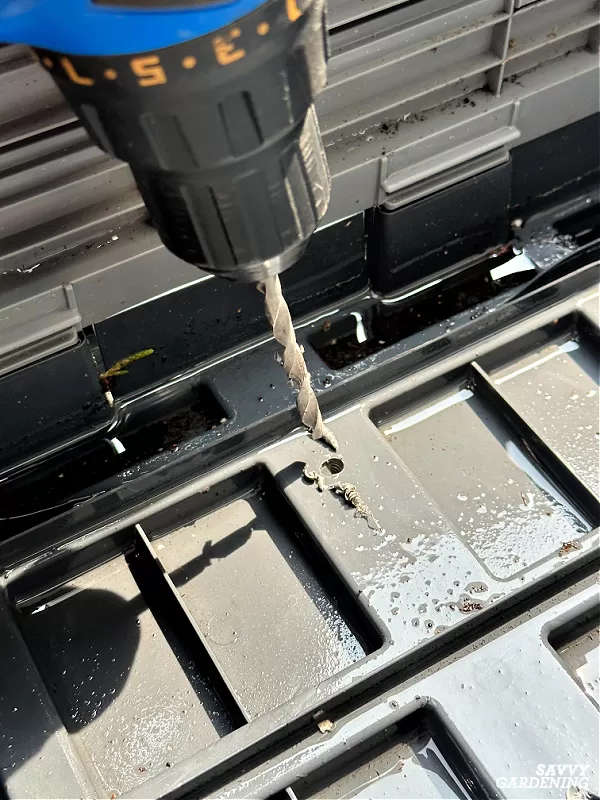
- Choose a pot slightly larger than the current one with ample drainage holes
- Gently remove the orchid from its old pot and inspect the roots
- Trim away any dead or rotting roots with sterilized scissors
- Place the orchid in the new pot and fill with fresh orchid potting mix
- Water thoroughly and place in a shaded area for a week to recover
 Repotting a Phalaenopsis orchid
Post-Bloom Care
After your Phalaenopsis orchid has finished blooming, proper care is crucial for encouraging future flowers:
- Cut the flower spike just above the node where the first flower emerged
- Continue regular care, including watering and fertilizing
- Provide a slight temperature drop at night to stimulate new flower spike development
 Phalaenopsis orchid after blooming
Common Problems and Solutions
Even with the best care, orchids can sometimes face challenges. Here are some common issues and how to address them:
Yellowing Leaves
- Cause: Overwatering or poor drainage
- Solution: Adjust watering frequency and ensure proper drainage
Brown or Black Spots on Leaves
- Cause: Fungal infection or sunburn
- Solution: Improve air circulation and adjust light exposure
Bud Blast (Buds Dropping Before Opening)
- Cause: Sudden environmental changes or stress
- Solution: Maintain consistent care and protect from drafts
 Healthy Phalaenopsis orchid leaves
Encouraging Reblooming
Getting your Phalaenopsis orchid to rebloom is a rewarding experience. Follow these tips:
- Provide a slight temperature drop at night (about 10°F cooler than daytime)
- Ensure the plant receives enough light
- Continue regular fertilizing
- Be patient – it can take several months for a new flower spike to develop
 Reblooming Phalaenopsis orchid
Conclusion
Caring for Phalaenopsis orchids indoors can be a fulfilling experience that rewards you with stunning blooms year after year. By providing the right balance of light, water, temperature, and nutrients, you can create an environment where these exotic beauties thrive. Remember, patience is key when it comes to orchid care – with time and attention, your Phalaenopsis will flourish and bring elegance to your indoor space.
We’d love to hear about your experiences with Phalaenopsis orchids! Share your successes, challenges, or questions in the comments below. And don’t forget to explore our other articles for more tips on caring for various houseplants and creating your own indoor oasis.