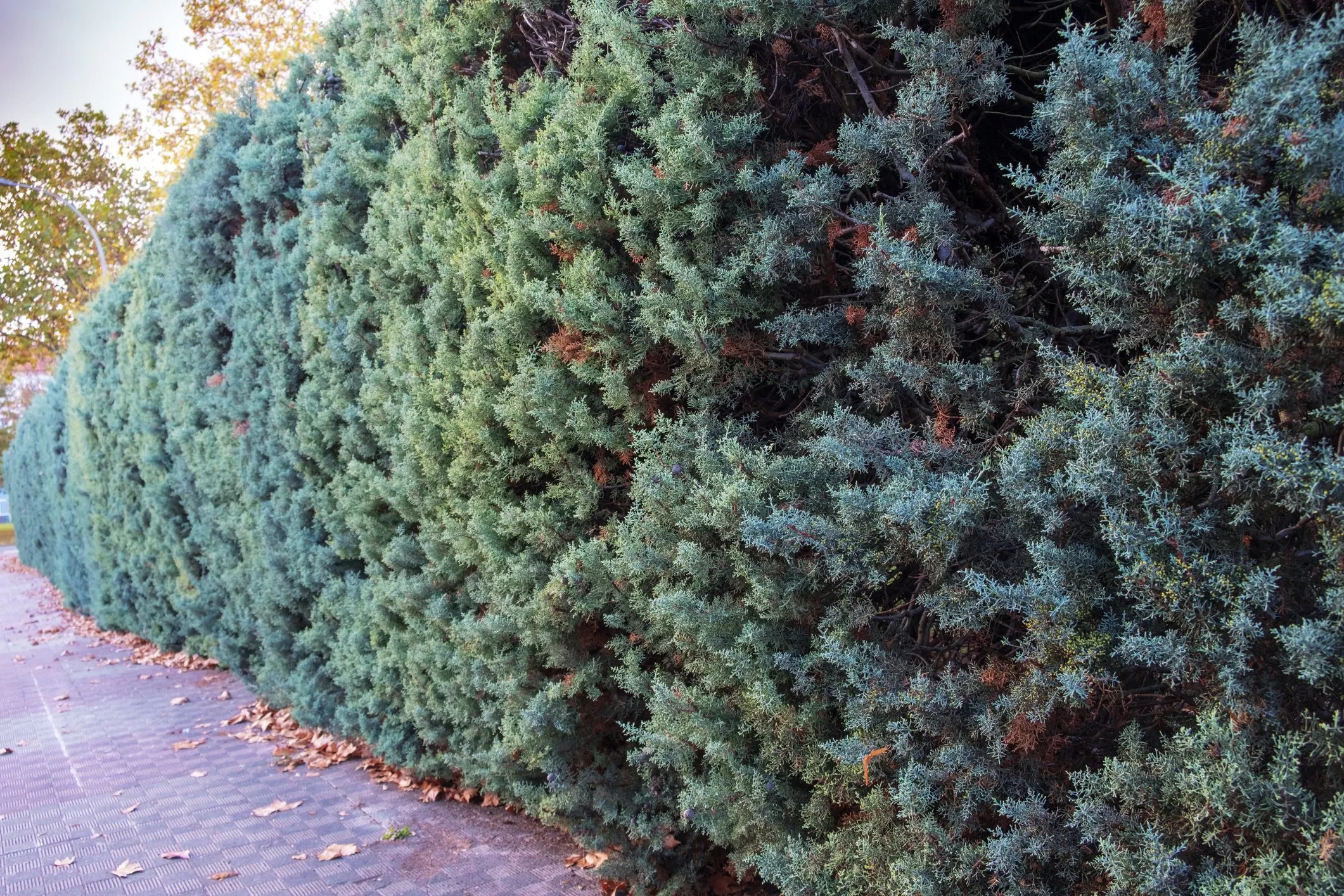
Lush green arborvitae hedge providing dense year-round privacy in a garden setting
Tired of traditional fences that feel stark and cold? Imagine a boundary that’s not just functional but beautiful, alive, and beneficial to your garden ecosystem. This is where the magic of living fences comes in. More than just a row of plants, a living fence creates a vibrant, breathing wall around your property, offering privacy, protection, and charm.
Choosing to plant a living fence is like making a long-term investment in your outdoor space. It’s a declaration that you value natural beauty and sustainability. As you watch these green walls grow and fill out, there’s a unique satisfaction knowing you’ve created something beautiful and functional with the power of nature. It’s a journey of patience and nurturing that rewards you year after year.
At its core, a living fence is a line of carefully selected plants grown together to form a barrier. In agricultural landscapes, you might hear them called hedgerows or windbreaks, planted specifically to slow down harsh winds and prevent soil erosion. In home gardens and suburban yards, they primarily serve to define property boundaries, enhance privacy, and add significant aesthetic value. They can range from low, informal hedges to tall, dense screens, depending on the plants chosen and your desired outcome.
Living fences offer a softer, more integrated look compared to solid wood, vinyl, or metal fences. They blend seamlessly into the landscape, providing a green backdrop that changes with the seasons.
Beyond their undeniable beauty, living fences offer a host of practical advantages that make them a compelling choice for many homeowners:
When you need a tall, dense green wall for privacy, Arborvitae (Thuja occidentalis) is often the go-to choice. These evergreen trees grow in an upright, columnar shape and, when planted correctly with appropriate spacing, interlock to form a formidable and beautiful green screen that provides excellent privacy throughout every season.
There are many varieties available, allowing you to choose one that fits your specific needs. For instance, cultivars like ‘North Pole’ are celebrated for their narrower growth habit, making them perfect for smaller garden spaces where width is a concern.
A Gardener’s Note: While Arborvitae are fantastic for privacy, they are quite appealing to deer, especially in winter when other food sources are scarce. If deer are a significant issue in your area, consider deer-resistant alternatives or be prepared to implement deterrent strategies, particularly when the plants are young.
If you’re working with a narrower area but still need a tall screen, many varieties of Juniper (Juniperus sp.) can be planted closely together to create a very effective living fence. Junipers offer a different texture and color palette, often featuring shades of blue, silver, or dark green.
Cultivars like ‘Blue Arrow’ are particularly well-suited for narrow hedging. They grow tall and slender, providing vertical interest and privacy without taking up too much horizontal space. This makes them excellent choices for smaller yards or along property lines where space is limited.
Care Tip: Junipers are relatively low-maintenance. You can allow them to grow naturally for a more informal screen, or give them a light trim in the spring after new growth appears to maintain a more formal shape. Their berries provide a food source for birds, adding another layer of natural beauty and benefit to your garden. Always check the mature height and width on the plant tag to ensure the chosen variety will meet your living fence requirements.
Embracing living fences is a wonderful way to add beauty, privacy, and ecological value to your property. Whether you choose the classic density of Arborvitae or the narrow elegance of Juniper, you’re creating a dynamic, natural boundary that evolves with your garden. It’s a project that offers enduring rewards, transforming a simple property line into a vibrant part of your landscape.
What type of living fence is calling to you? Share your thoughts or questions in the comments below! Ready to explore more ways to enhance your garden? Browse our other articles for inspiration and tips.
Here's how implementing no-dig techniques can transform your container gardening: Build Richer Soil: Layers of…
Healthy soil is teeming with beneficial microbes that act as a natural defense system for…
Transform your patio into a vibrant, wildlife-friendly oasis. Discover how to create beautiful, low-maintenance container…
Unlock the secret to a beautiful, resilient garden with Sedum & Yarrow blends. Discover why…
Beat the Heat: Discover resilient perennials that thrive in containers during the hottest summer months,…
Variegated Pothos, like the Golden Pothos and Marble Queen, are stunning, easy-care houseplants perfect for…