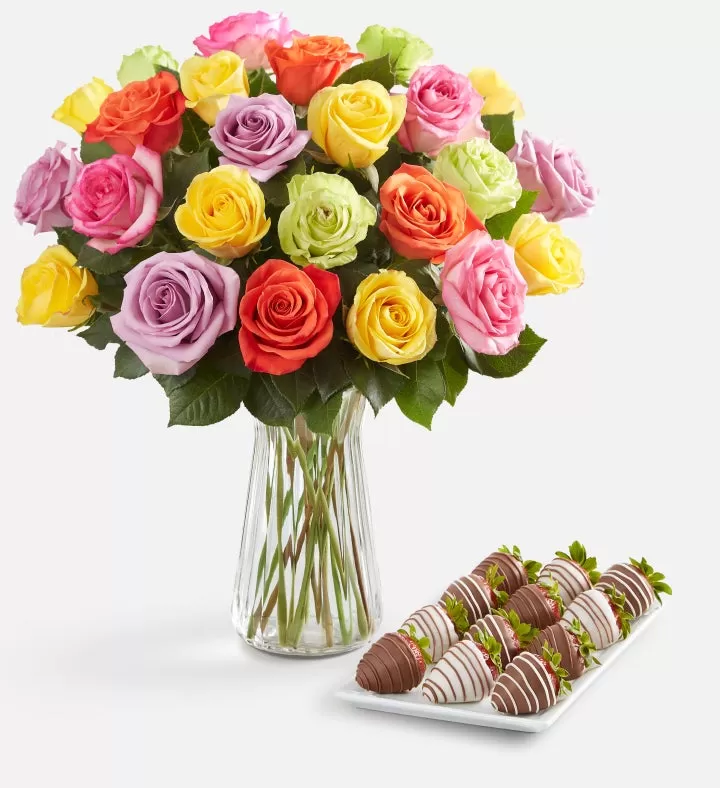
Assortment of vibrant red, pink, and yellow roses alongside drizzled strawberries
Welcome to the wonderful world of flowers! Stepping into a garden filled with vibrant colors and captivating fragrances is pure magic. But sometimes, you see a bloom that steals your heart and wonder, “What’s that called?” Knowing the names of flowers isn’t just about identification; it’s about building a relationship with the plants that bring joy and beauty into our lives and gardens.
There are literally hundreds of thousands of different types of flowering plants out there, each with its own unique charm, history, and personality. While sorting through them all can seem daunting, let’s explore some of the most beloved and popular names of flowers that you can easily welcome into your own little garden space. Getting to know them by name is the first step on a rewarding journey of cultivation and connection.
Contents
Embarking on your gardening adventure or simply wanting to expand your floral knowledge means getting familiar with the stars of the show. Here are some popular flowers, their fascinating details, and tips to help them flourish in your garden.
Ah, the rose. It’s hard to talk about popular flowers without starting here. With a history stretching back over 35 million years, the rose isn’t just a beautiful face; it’s a symbol woven into human culture, representing everything from deep love to medicinal uses and exquisite perfumes. Cultivated for thousands of years, they’ve graced gardens and celebrations alike. Caring for cut roses involves getting them into water quickly and keeping the vase topped up, allowing the stems to draw up the moisture needed to feed their glorious blooms. For garden roses, selecting the right variety for your climate and providing ample sun and good soil drainage are key to continuous flowering and healthy growth.
Sunflowers just make you smile, don’t they? Their huge, sunny faces turning towards the light are the very picture of summer. Symbolizing adoration, loyalty, and longevity, these North American natives aren’t just pretty; they’re incredibly generous, providing seeds, oils, and dyes. Growing sunflowers requires plenty of space for their strong root systems and abundant sunshine – at least 6-8 hours a day is a must. They thrive in hot conditions and well-dug soil. Avoid over-fertilizing, which can lead to weak stems. Seeing these giants tower over your garden is a truly rewarding experience!
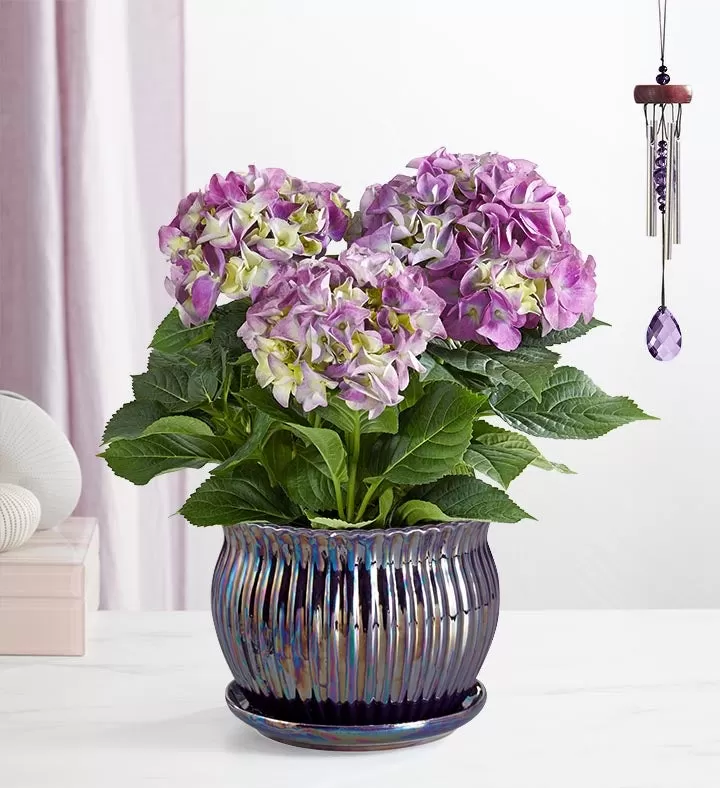
Hydrangeas signal the arrival of summer with their magnificent, showy clusters of blooms. These versatile shrubs, native to East Asia and the Americas, offer a stunning range of colors, from classic whites to vibrant pinks and blues that can actually change depending on your soil’s pH! There are many types, like the familiar mopheads and lacecaps, each with slightly different pruning needs based on whether they bloom on old or new wood. Hydrangeas generally appreciate morning sun and afternoon shade, especially in warmer climates, and require consistent moisture. They bring a touch of lush romance to any garden space.
More than just a pretty purple flower, lavender is a sensory delight, offering soothing fragrance, culinary uses, and graceful beauty. These semi-evergreen perennials, native to the Mediterranean, feature distinctive gray-green leaves and spikes of purple, violet, or pinkish flowers. The tiny glands on the plant produce the aromatic oil used in perfumes, aromatherapy (hello, stress relief!), and even cooking. Lavender thrives in sunny locations with well-drained soil. Once established, it’s quite drought-tolerant. Planting lavender is like adding a little piece of tranquility to your garden.
Peonies are the queens of late spring and early summer, boasting lush, often fragrant blooms in a spectacular range of colors from soft whites and pinks to deep reds and vibrant corals. These long-lived perennials become garden heirlooms, returning year after year with increasing vigor. The key to successful peonies is choosing the right spot with plenty of space and sunlight, ensuring the “eyes” (buds) on the tuber are planted correctly, and providing consistent care throughout the year, even when they’re not blooming. Their dramatic beauty makes them perfect for bouquets and centerpieces.
Daisies are the picture of simple, cheerful innocence, a meaning they’ve carried since the Victorian era. Found on almost every continent, these belong to one of the largest plant families. While classic white daisies are most common, they come in many colors, each adding a different layer to their symbolism. Daisies generally prefer full sun and average soil conditions. Their hardiness and widespread availability make them a fantastic choice for beginner gardeners or adding a carefree feel to borders and containers. Just give them sun and don’t overwater!
Orchids are among the most ancient flowering plants, with scientists estimating their existence for up to 100 million years! Their exotic beauty has long symbolized love, fertility, and charm, though specific meanings vary by type and color. With over 30,000 species, the variety is astounding, from the popular Phalaenopsis to the striking Cattleya. While they have a reputation for being finicky, many orchids are surprisingly easy to grow once you understand their specific needs, which often involve bright, indirect light and appropriate humidity rather than traditional soil. Growing an orchid can feel like caring for a living sculpture.
Tulips are the heralds of spring, bursting forth with vibrant colors and elegant shapes. Part of the lily family, there are over 150 species and thousands of varieties, offering a breathtaking array of colors and forms. Associated with Easter and new beginnings, tulips even had a period in 17th-century Holland known as “Tulip Mania” where their bulbs were worth more than gold! Growing tulips successfully starts with planting the bulbs in the fall in a location with partial to full sun and well-drained soil. Avoiding soggy soil is crucial to prevent the bulbs from rotting.
Lilies are truly versatile beauties, known for their elegant form, often strong fragrance, and wide range of colors. These show-stoppers can stand alone in a vase or beautifully complement other blooms in a bouquet. With over 100 types belonging to the ‘Lilium’ genus, true lilies are found predominantly in the Northern Hemisphere. They are easy to love and make a dramatic statement in borders or containers. Different types have varying light and soil preferences, but generally appreciate well-drained soil.
Chrysanthemums, or “mums,” are the quintessential fall flower, brightening gardens with their cheerful blooms when many other plants are fading. Originating over 3,000 years ago in China, they now boast thousands of varieties in shades of orange, red, yellow, purple, and white. Mums are surprisingly easy-to-grow perennials if planted early enough in the season to establish before winter. Beyond their ornamental appeal, chrysanthemum flowers can be used to make tea, and leaves in salads!
Elegant and sculptural, the calla lily (sometimes called arum lily) is deeply symbolic, often associated with faith, purity, sympathy, and rebirth. You frequently see them in religious art, wedding bouquets, and sympathy arrangements. These striking flowers, which aren’t true lilies but members of the Araceae family, come in white and various other colors depending on the variety. They grow from rhizomes or tubers and generally prefer full to partial sunlight and well-drained soil. Planted in spring, they typically bloom in late summer and can add a sophisticated touch to your garden or indoor space.
Carnations are wonderfully versatile and budget-friendly, making them popular for both gardens and cut flower arrangements. With ruffled petals and a slightly spicy scent, they come in three main types and a rainbow of colors, each carrying its own meaning – pink for motherly love, white for good luck, yellow for disappointment, etc. Plant carnations in well-draining soil where they can receive ample sunlight. Their ease of care and wide range of meanings make them a fantastic choice for expressing various sentiments.
With their cheerful orange and gold hues, marigolds are like little bursts of sunshine in the garden, symbolizing wealth and success. These hardy flowers are incredibly easy to grow, deer resistant, and even said to deter some garden pests. Their vibrant pigments are even used in the textile and food industries! Marigolds are annuals that thrive in full sun and well-drained soil. They are often used in cultural celebrations, including Day of the Dead festivities, to honor loved ones who have passed. A truly low-maintenance joy for any sunny spot.
Gardenias are famous for their intensely fragrant, waxy white flowers and glossy dark green leaves. Their intoxicating scent can transform a garden or patio into a perfumed paradise. Whether you grow them indoors or out (depending on your climate), gardenias require specific conditions to bloom profusely: well-drained, acidic soil (pH 4.5-5.5) and consistent moisture. They do not like to dry out! Providing the right environment is key to enjoying their luxurious blooms throughout the growing season.
What most of us call “geraniums” are actually Pelargoniums, tropical perennials often grown as annuals in cooler climates. These cheerful plants offer clusters of flowers in shades of red, pink, salmon, white, and purple, making them a staple for pots, hanging baskets, and borders. Some varieties even have scented leaves with surprising uses in perfumes, aromatherapy, and flavorings! Geraniums generally need ample sunlight and well-drained soil. Bringing them indoors before frost allows them to overwinter and bloom again.
Petunias are old-fashioned favorites reborn with incredible new varieties offering vibrant colors and patterns – reds, yellows, pinks, purples, and even multi-colored or striped blooms! These reliable annuals are perfect for adding consistent color to gardens, planters, and hanging baskets from spring until fall. Petunias love the sun and perform best when deadheaded regularly (removing spent flowers) to encourage more blooms. Their slightly sticky leaves offer a natural defense against some insects.
If you’re a beginner gardener looking for guaranteed color and easy success, zinnias are your best friend! These cheerful annuals native to Mexico and the southwestern U.S. are simple to start from seed after the last frost. They come in a fantastic range of sizes and colors – red, pink, purple, yellow, white, orange – and will bloom non-stop from summer until frost if you keep cutting them. Zinnias are true “cut and come again” flowers and are absolute magnets for pollinators, especially butterflies and hummingbirds.
When choosing among the many names of flowers, understanding their life cycle is crucial for planning your garden and knowing what to expect season after season.
Knowing whether a flower is an annual, perennial, or biennial helps you design your garden for consistent color and structure throughout the year.
The world of flowers is vast and full of surprises! While we’ve covered some of the most popular names of flowers, there are countless others waiting to be discovered, each with its own unique form, habitat, and story. From delicate wildflowers like the Buttercup and Violet that pop up unexpectedly, to unique and striking blooms like the architectural Allium or the feathery Astilbe, the variety is truly breathtaking.
Some flowers, like the Gerbera daisy or the striking blue Delphinium (often called Larkspur), bring vibrant, clear colors to the garden, perfect for expressing joy or adding dramatic height. Others, like the Lacy Dusty Miller or the tiny Gypsophila (Baby’s Breath), are prized more for their texture or ability to complement other blooms.
Even within common families, there are treasures like the graceful Iris, the multi-named Daffodil (Narcissus), or the delicate, sweet-scented Freesia. Each name holds a clue to the plant’s origin, appearance, or history. Learning them opens up a deeper appreciation for the natural world and the incredible array of beauty it offers.
Embarking on the journey of learning the names of flowers is a rewarding experience that deepens your connection to the garden and the natural world. Each bloom tells a story through its appearance, history, and symbolic meaning. Whether you’re drawn to the classic romance of a rose, the sunny disposition of a sunflower, or the exotic allure of an orchid, there’s a vast and beautiful floral kingdom waiting for you to explore.
Don’t be intimidated by the sheer number of species. Start with a few favorites, learn their names, understand their basic needs, and enjoy the process of nurturing them. Your garden, no matter how small, can become a personal showcase of nature’s incredible artistry.
Which flowers are you most excited to get to know by name? Share your favorites or questions in the comments below! And be sure to explore other articles on Thelittle.garden for more tips and inspiration for your home garden and landscape projects. Happy gardening!
Wichtigste Erkenntnisse: Der Anbau eigener gemischter Blattsalate bietet unübertroffene Frische und Geschmack – direkt aus…
Here's how implementing no-dig techniques can transform your container gardening: Build Richer Soil: Layers of…
Healthy soil is teeming with beneficial microbes that act as a natural defense system for…
Transform your patio into a vibrant, wildlife-friendly oasis. Discover how to create beautiful, low-maintenance container…
Unlock the secret to a beautiful, resilient garden with Sedum & Yarrow blends. Discover why…
Beat the Heat: Discover resilient perennials that thrive in containers during the hottest summer months,…