Categories: Gardening

Unleash the Power of Plant Propagation: A Comprehensive Guide

  • Key takeaways:
    • Plant propagation encompasses sexual (seed) and asexual (vegetative) methods.
    • Successful propagation relies on understanding plant needs and employing appropriate techniques.
    • This guide provides detailed instructions for various propagation methods.
    • Mastering propagation empowers you to expand your garden and share the joy of growing.

Plant propagation, the art and science of creating new plants, opens a world of possibilities for gardeners. Whether you dream of expanding your flowerbeds, sharing beloved plant varieties with friends, or simply delving deeper into the magic of plant life, understanding propagation is key. This guide explores the fascinating world of plant propagation, offering practical tips and techniques to cultivate your green thumb.

Sexual Propagation: The Seed of New Life

Sexual propagation, involving the union of pollen and egg, produces seeds that carry the genetic blueprint of two parent plants. This method introduces genetic diversity, leading to potentially unique characteristics in the offspring. It also provides a cost-effective way to grow a large number of plants.

Understanding Seeds

A seed contains everything needed for a new plant to emerge: a protective seed coat, an endosperm providing nourishment, and the embryo itself. Successful germination relies on several environmental factors: water, oxygen, light, and heat.

alt text describing seed structure

Germination Essentials

  • Water: Consistent moisture is crucial for imbibition, the initial water absorption that kickstarts germination.
  • Light: Some seeds require light to germinate (e.g., lettuce, petunia), while others prefer darkness (e.g., peas, beans). Research your specific plant’s light needs.
  • Oxygen: A well-aerated growing medium allows for proper respiration, vital for the growing embryo.
  • Temperature: Each species has an optimal temperature range for germination. Consistent warmth within this range promotes successful sprouting.

Breaking Dormancy

Some seeds possess dormancy mechanisms that prevent premature germination. Techniques to break dormancy include:

  • Scarification: Scratching or weakening the seed coat to allow water penetration (e.g., using sandpaper, acid treatment).
  • Stratification: Exposing seeds to a period of cold, mimicking natural winter conditions (e.g., refrigerating seeds in moist medium).

Asexual Propagation: Cloning for Consistency

Asexual propagation, also known as vegetative propagation, creates new plants from parts of a single parent plant. This results in genetically identical offspring, or clones, preserving desirable traits.

Cuttings: Snip, Dip, and Root

Cuttings involve rooting a severed piece of the parent plant. Types of cuttings include:

  • Stem Cuttings: Sections of stem containing nodes are used. Different methods include tip cuttings, medial cuttings, cane cuttings, heel cuttings, single-eye and double-eye cuttings.

alt text showing different types of stem cuttings

  • Leaf Cuttings: Whole leaves or leaf sections can be used to propagate certain plants, with new plants developing from veins or petioles. Techniques include whole leaf with or without petiole, split vein, and leaf sections.

alt text depicting leaf cutting techniques

  • Root Cuttings: Sections of root, typically taken during dormancy, can produce new shoots and roots.

alt text showing how to take root cuttings

Layering: Encouraging Roots While Attached

Layering involves rooting a portion of the parent plant before detaching it. Different methods include:

  • Simple Layering: Bending a stem to the ground and covering a portion with soil.

alt text illustrating simple layering

  • Tip Layering: Burying the tip of a stem to encourage rooting.
  • Compound Layering: Burying multiple sections of a flexible stem.

alt text showing compound layering technique

  • Mound (Stool) Layering: Mounding soil around the base of a plant to encourage rooting of emerging shoots.
  • Air Layering: Encouraging root formation on a stem by wrapping a wounded section with moist sphagnum moss.

alt text explaining air layering method

Division and Separation: Multiplying from Existing Structures

  • Division: Separating plants with multiple rooted crowns (e.g., dahlias, iris).

alt text showing division of iris

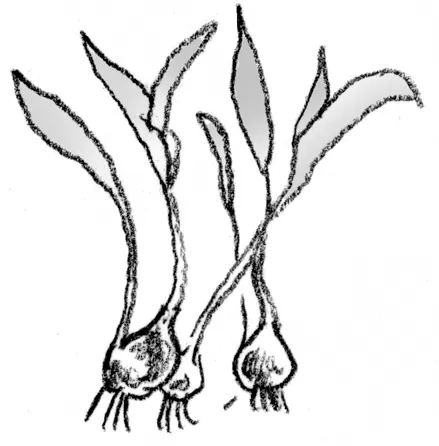
  • Separation: Propagating plants that produce bulbs or corms by separating the new growths from the parent structure (e.g., tulips, gladiolus).

Grafting and Budding: Combining for Unique Results

Grafting and budding involve joining a scion (desired cultivar) with a rootstock (providing root system). Different methods include cleft grafting, bark grafting, whip grafting, patch budding, chip budding and T-budding. These methods require careful technique and attention to compatibility between scion and rootstock.

Conclusion: Your Propagation Journey Begins

Plant propagation is a rewarding endeavor that connects you with the life cycle of plants. By understanding the various techniques and practicing with patience, you can expand your garden, preserve cherished varieties, and experience the profound satisfaction of creating new life from existing plants. Share your propagation successes and questions in the comments below, and explore more gardening tips on Thelittle.garden!

Clare

I'm Clare Nguyen, a full-time blogger who's all about exploring and sharing fresh ideas. I've got this inexplicable love for plants that adds so much joy to life. Investing in some green goodness at home is my favorite hobby. Now, I may not be an expert plant-whisperer, but I'm always excited to share any new insights and legit knowledge that I've gathered along the way. My goal is to inspire and connect with others who feel the same way!

Recent Posts

Gemischten Blattsalat anbauen: So gelingt Frische aus dem Garten

Wichtigste Erkenntnisse: Der Anbau eigener gemischter Blattsalate bietet unübertroffene Frische und Geschmack – direkt aus…

10 months ago

Unlock Thriving Container Gardens: Implementing No-Dig Techniques for Ultimate Soil Health

Here's how implementing no-dig techniques can transform your container gardening: Build Richer Soil: Layers of…
10 months ago

Unlock Your Garden’s Natural Defense: The Power of Natural Disease Suppression

Healthy soil is teeming with beneficial microbes that act as a natural defense system for…

10 months ago

Building Modern Meadow Container Gardens for Naturalistic Summer Patios

Transform your patio into a vibrant, wildlife-friendly oasis. Discover how to create beautiful, low-maintenance container…

10 months ago

Sedum & Yarrow Blends: The Dynamic Duo for a Thriving, Low-Maintenance Garden

Unlock the secret to a beautiful, resilient garden with Sedum & Yarrow blends. Discover why…

10 months ago

Selecting and Caring for Drought-Tolerant Container Perennials in Summer

Beat the Heat: Discover resilient perennials that thrive in containers during the hottest summer months,…

10 months ago