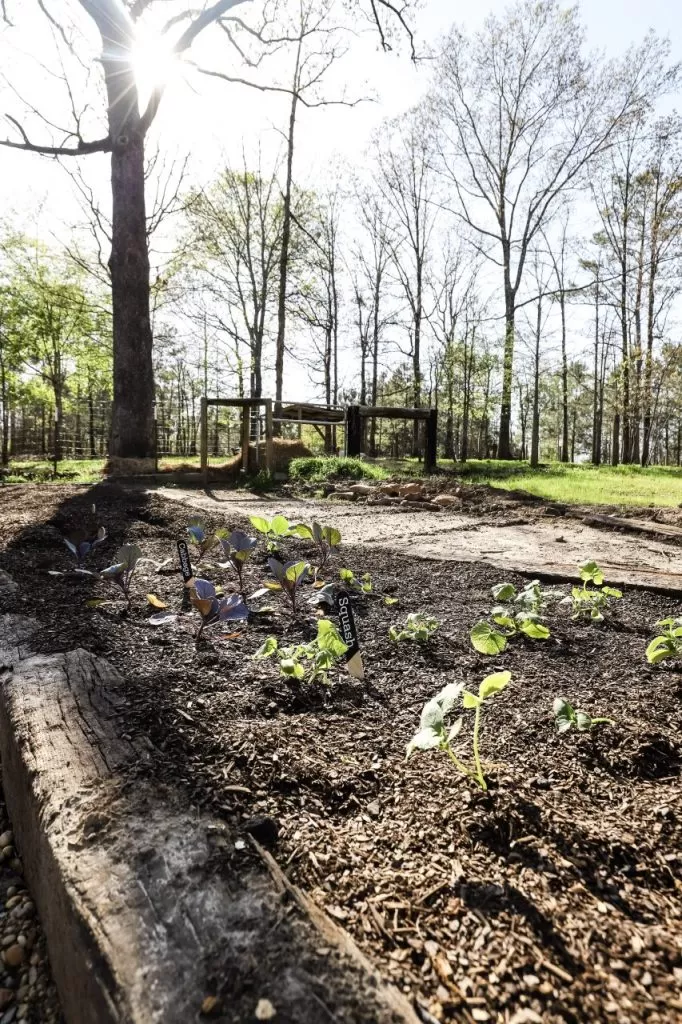
Newly built large wooden raised garden bed planter box in a fenced garden area
Dreaming of a lush garden but facing challenges with space, soil quality, or even just getting started? Planter boxes are a fantastic solution, opening up a world of possibilities for growing your favorite plants, no matter the limitations of your yard or outdoor area. Exploring different planter boxes ideas can inspire you to create beautiful, functional green spaces right where you are. Whether you envision a vibrant vegetable patch on your deck, a fragrant herb garden by the kitchen door, or a burst of colorful blooms on a small balcony, planter boxes make it achievable. They offer control, convenience, and countless design opportunities to personalize your little corner of nature.
Contents
Planter boxes, especially raised garden beds, offer significant advantages over traditional in-ground gardening. They provide excellent drainage, which is crucial for healthy root development and prevents plants from becoming waterlogged, especially in areas with heavy clay soil. Using raised beds or containers also allows you to fill them with high-quality soil mixes tailored to your plants’ specific needs, bypassing poor native soil conditions. For many gardeners, particularly those with mobility issues, the elevated height makes planting, weeding, and harvesting much more comfortable. Planter boxes can also help deter some common garden pests and clearly define growing areas, keeping your garden neat and organized.
When considering planter boxes ideas, the options are vast! They come in a wide range of materials, each offering a different look and feel:
Beyond material, consider the style – sleek and minimalist, ornate and decorative, multi-tiered, or simple and functional. Sizes range from small window boxes perfect for herbs or flowers to large, deep raised beds suitable for vegetables like tomatoes, squash, and corn.
The beauty of planter boxes is their flexibility in placement. Here are a few planter boxes ideas for location:
Mapping out your space, as shown in the image above, can be incredibly helpful when deciding on the number and size of planter boxes that will work best for your design.
One of the most popular planter boxes ideas is to build them yourself, especially large raised beds, which can be quite expensive to buy pre-made. Taking a DIY approach allows you to customize sizes to fit your specific space and can significantly cut down on costs.
Our own journey started with a desire for a larger, more structured garden. Looking at the price tags of ready-made raised beds quickly showed that building our own was the most budget-friendly route. Using readily available lumber, specifically 2×6 and 4×4 boards, we were able to construct sturdy, large-capacity planter boxes without breaking the bank.
The process involves simple cuts and assembly with exterior screws. For our build, we planned the cuts to minimize waste, creating different size boxes (like a 5’x3′ medium size and an 8’x4′ large size) from standard lumber lengths. The design incorporated 4×4 corner posts for stability, extending slightly above the box height, a clever touch for adding future features like solar lights or netting supports.
Assembly primarily involved screwing the cut boards into the corner posts, stacking them three layers high for deep beds. While the example used paint for finishing, staining or leaving the wood natural are other options depending on your desired look and the type of wood used.
This simple construction method allows for sturdy boxes that are perfect for growing a variety of plants.
Using clamps helps hold the pieces in place while you secure them with screws.
Ensuring corners are square is important for a stable box.
The short ends connect the two long sides together.
Layering the boards builds up the height of the box.
This shows the basic frame completed, ready for finishing or filling.
Once assembled, a coat of exterior paint or stain not only adds a pop of color but also helps protect the wood from the elements.
We opted for black exterior paint for a clean look that contrasts nicely with greenery.
What you plant depends on the size and depth of your box and the amount of sunlight the location receives.
Consider companion planting to maximize space and help deter pests naturally. Think about the plant’s mature size and sunlight needs.
Filling deep planter boxes entirely with potting soil can be quite expensive. A smart, budget-friendly technique is to layer the bottom with organic materials that will decompose over time, providing nutrients.
We started by filling the bottom third with larger woody materials like branches and logs. This provides bulk and improves drainage. Next, we added a layer of cardboard (remove tape and labels). On top of that, we piled softer organic matter like dead leaves, grass clippings, straw, or old plant debris. The top layer, typically the top 8-12 inches, is then filled with a good quality soil mix or compost where your plants will live.
This layering technique, often called “Hugelkultur” on a smaller scale, not only saves on soil costs but also improves drainage and provides slow-release nutrients as the lower layers decompose.
This adds valuable organic matter to the box.
Planter boxes require slightly different care than in-ground gardens. They tend to dry out faster, especially in warm or windy weather, so regular watering is essential. Good drainage is key, which the layering technique helps with, but ensure your boxes have gaps between boards or drainage holes if necessary. Use a high-quality soil mix designed for containers, which provides better aeration and drainage than dense garden soil. Fertilize according to your plants’ needs, as nutrients can leach out of containers over time.
Seeing those first green shoots appear makes all the effort worthwhile!
These simple DIY boxes blend well into the garden landscape.
A successful example of a thriving garden in a raised planter box.
The large size provides ample space for various vegetables or flowers.
Exploring planter boxes ideas opens up a world of possibilities for gardening in almost any space. From choosing the right material and style to deciding on placement and what to plant, each decision contributes to creating a beautiful and productive garden area. Whether you buy ready-made or build your own budget-friendly boxes like our DIY project, planter boxes offer control, accessibility, and aesthetic appeal.
What are your favorite planter box ideas? Have you built your own or transformed a space using containers? Share your thoughts and experiences in the comments below! If you found this helpful, please share it with fellow garden enthusiasts. Ready to explore more gardening and DIY projects? Browse our other articles for more inspiration!
Wichtigste Erkenntnisse: Der Anbau eigener gemischter Blattsalate bietet unübertroffene Frische und Geschmack – direkt aus…
Here's how implementing no-dig techniques can transform your container gardening: Build Richer Soil: Layers of…
Healthy soil is teeming with beneficial microbes that act as a natural defense system for…
Transform your patio into a vibrant, wildlife-friendly oasis. Discover how to create beautiful, low-maintenance container…
Unlock the secret to a beautiful, resilient garden with Sedum & Yarrow blends. Discover why…
Beat the Heat: Discover resilient perennials that thrive in containers during the hottest summer months,…