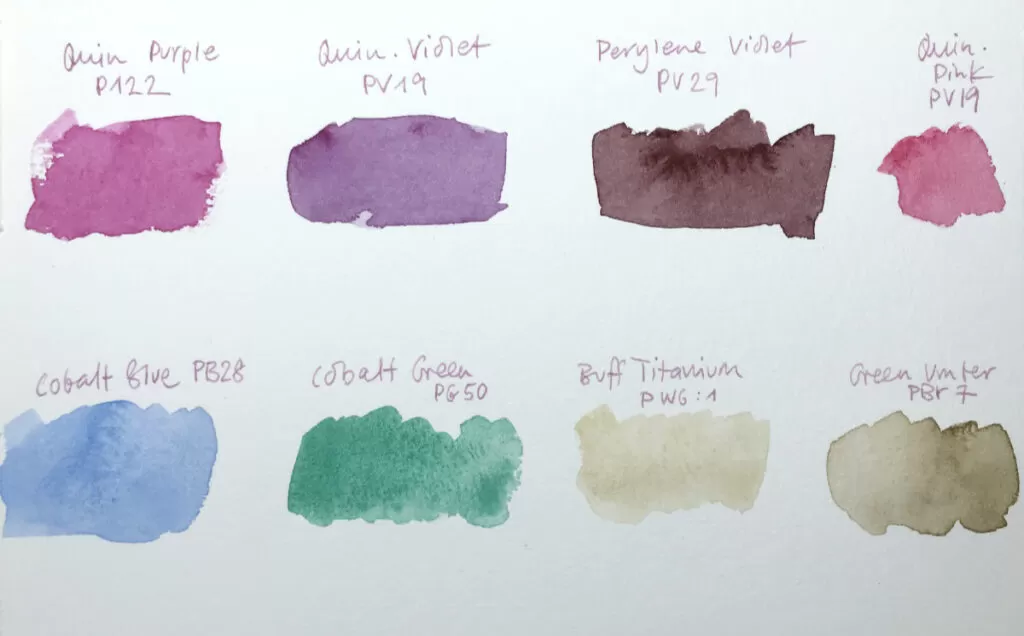
Vibrant purple and magenta paint swatches representing intense summer garden colors for a seasonal landscape color map.
Your garden is a living canvas, constantly changing with the seasons. While many focus on peak bloom, true garden magic comes from a carefully planned seasonal landscape color map. It’s about more than just flowers; it’s about creating a vibrant tapestry that delights the eye every month of the year, ensuring that even when one act fades, the next is ready to perform. Let’s explore how you can design your own stunning, dynamic landscape.
Think of your garden like a complex painting that evolves over time. A seasonal landscape color map is essentially your strategy for ensuring that your garden offers compelling visual interest, particularly through color, across all four seasons. It’s moving beyond planting for just one spectacular moment and instead crafting a continuous flow of color and texture.
Just as an artist selects pigments for a painting to capture different light and mood, a gardener selects plants to provide specific colors and forms at various times of the year. It’s about understanding which “colors” (plants) will be prominent in spring, which will dominate in summer, what hues will emerge in autumn, and what elements will provide structure and subtle color in winter. This thoughtful selection process is the foundation of your landscape color map.
To build a truly dynamic map, you need to consider a range of plant types and features that offer color and interest beyond fleeting flowers. This includes foliage, bark, berries, seed heads, and even plant structure.
Spring is a time of rebirth, often characterized by soft greens and pastel blooms. Think about the vibrant chartreuse of emerging leaves or the delicate pinks, blues, and yellows of early bulbs and flowering shrubs. Planning for a variety of greens is crucial – from the bright, almost “convenience green” of fresh spring foliage to more subtle, complex shades. These varying greens provide a lush backdrop for the season’s gentle floral display.
Summer brings the heat and often, intense, saturated colors. This is when bold magentas, vibrant purples, fiery reds, and brilliant blues take center stage. Consider plants that offer these strong pigments, whether through flowers or richly colored foliage. These intense hues can create focal points and add drama to your landscape, reflecting the energy of the season.
As the year cools, the garden shifts to a palette of warm earth tones, deep reds, oranges, and golden yellows. Plan for trees and shrubs with striking fall foliage, but also consider perennials and grasses that dry gracefully, offering shades of brown, tan, and russet. Berries on shrubs can add pops of red or purple, extending color interest well into the cooler months.
Winter can be a challenging season for color, but a well-designed map includes elements that shine even under frost or snow. Evergreen foliage provides crucial structure and varying shades of green, blue, and gold. Consider plants with interesting bark colors (like red twig dogwood) or persistent berries and seed heads that offer subtle color and texture against a stark background.
Just as an artist layers and blends colors, a gardener creates depth and interest by combining different plants. Relying solely on predictable, single-season blooms can result in a garden that feels flat or uninteresting for much of the year. The real artistry comes from the mix.
Think about how different plant colors interact. Do you want bold contrasts or soft, complementary blends? Consider the type of color – not just the hue, but its intensity and value. Planning combinations of plants that flower or show interesting foliage/bark at the same time creates deliberate moments of seasonal harmony or contrast.
One of the most underappreciated aspects of a seasonal color map is the role of foliage. Leaves come in an astonishing array of greens, blues, purples, reds, yellows, and silvers. By layering plants with different foliage colors and textures, you create a rich tapestry that provides continuous visual interest, even when flowers are absent. Moving away from relying on a few “convenience green” plants and embracing a variety of foliage hues adds complexity and natural beauty.
While vibrant blooms are captivating, the subtle shades – the olives, browns, grays, and muted purples – are equally important. These tones provide depth, act as transitions, and highlight the brighter colors. Plants with interesting bark, dried seed heads, or subtle foliage shifts throughout the season contribute these valuable, quiet colors to your map.
Creating your seasonal landscape color map is an ongoing process of observation, planning, and refinement.
Start by observing your garden throughout the year. What colors are dominant in each season? Where are the gaps? Are there periods when the garden lacks interest? Note the plants you have and the colors they provide, including foliage and structure.
Based on your assessment, make conscious decisions about the plants you introduce. Are you adding something that provides that missing burst of summer purple? A shrub with vibrant fall color? An evergreen for winter structure? Choosing plants with specific seasonal contributions in mind helps you build your map layer by layer. Sometimes this means swapping out plants that only offer fleeting interest for those with multi-seasonal appeal.
Your garden color map won’t be perfect overnight. It takes time for plants to grow and for you to observe how they perform and interact throughout the year. Be patient, continue to watch your garden as the seasons change, and be willing to adapt your plan based on what you learn.
Creating a dynamic seasonal landscape color map transforms your garden into a source of continuous beauty. By thinking about color throughout the year, utilizing diverse plant types, and embracing the art of combining hues, you can cultivate a landscape that truly thrives in every season. It’s a journey of discovery, adding layers of interest and ensuring your garden always has something wonderful to show.
What colors are essential for your garden’s map? Share your thoughts below or explore more garden planning ideas on The Little Garden!
Here's how implementing no-dig techniques can transform your container gardening: Build Richer Soil: Layers of…
Healthy soil is teeming with beneficial microbes that act as a natural defense system for…
Transform your patio into a vibrant, wildlife-friendly oasis. Discover how to create beautiful, low-maintenance container…
Unlock the secret to a beautiful, resilient garden with Sedum & Yarrow blends. Discover why…
Beat the Heat: Discover resilient perennials that thrive in containers during the hottest summer months,…
Variegated Pothos, like the Golden Pothos and Marble Queen, are stunning, easy-care houseplants perfect for…