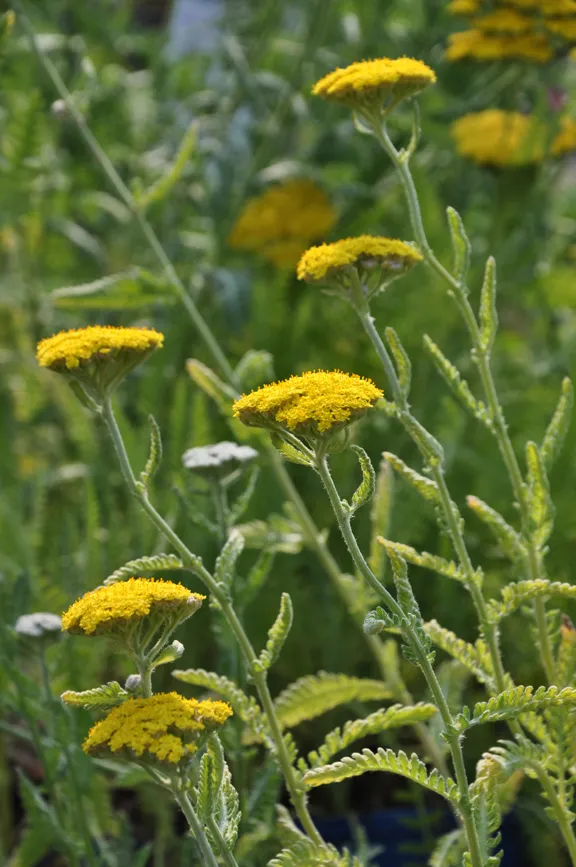
Achillea Moonshine yarrow with pale yellow flowers and silver-grey foliage
Every gardener faces challenges, whether it’s battling persistent weeds, unpredictable weather, or surprisingly disruptive garden inhabitants – yes, even ants! I remember a few summers back, my beloved phlox was mysteriously declining, stem by stem. A little detective work revealed it was the extensive tunneling of busy ant colonies under the flagstone path adjacent to the garden bed. Rather than resorting to harsh chemicals, I decided to work with nature and seek out plants tough enough to tolerate disturbed soil and thrive despite the ant activity. That led me to discover the incredible resilience of both Yarrow and Sedum. It quickly became clear that sedum & yarrow blends weren’t just survivors in tough spots; they are truly stars of the low-maintenance, high-impact garden.
Contents
The magic of combining Sedum and Yarrow lies in their shared appreciation for lean conditions and full sun, coupled with their distinct visual appeal. While many perennials demand rich soil and consistent moisture, Yarrow and Sedum are content in average to poor soil with excellent drainage. This makes them ideal for hot, dry locations where other plants might struggle.
My personal experience battling the ant-induced sandy soil along the path highlighted this. Where more delicate plants withered, Yarrow seemed to revel in the sharp drainage, and Sedum groundcovers held their own. This resilience is a huge advantage for gardeners seeking beautiful results without constant fuss. Beyond their shared toughness, their different growth habits and bloom structures create a dynamic display: Yarrow offers airy, fern-like foliage and flat, plate-like flower clusters primarily in summer, while upright Sedums feature fleshy, succulent leaves and domed flower heads that bud in summer, color up in late summer/early fall, and provide structure well into winter.
Yarrow, scientifically known as Achillea, is a classic cottage garden favorite, known for its feathery foliage and abundant blooms. Its name is said to come from Achilles, the Greek hero, who reportedly used it to stop bleeding wounds – a testament to its historical use and enduring toughness.
Growing Yarrow successfully is quite straightforward, provided you give it the conditions it loves. Full sun is non-negotiable – too much shade leads to weak, leggy plants. Good drainage is also key; Yarrow hates wet feet, especially in winter.
You can start Yarrow from seed indoors about 6-8 weeks before the last frost, sowing seeds on the soil surface and gently pressing them in. Germination usually takes 2-3 weeks. Alternatively, buying small potted plants in spring is an easy way to get started. Plants grown from seed may bloom in their first year, but they typically take a full season to become truly established and put on their best show.
Amend heavy clay soil with organic matter and even some grit or fine pebbles to improve drainage before planting. Water newly planted Yarrow well until it settles in. Once established, its drought tolerance is remarkable, requiring supplemental watering only during extended dry spells. Unlike many flowering perennials, Yarrow does not need fertilizer. Too much richness in the soil can actually cause stems to become weak and floppy.
Yarrow can look a bit tired after its main bloom cycle in mid-summer. Giving the entire plant a hard cutback encourages fresh foliage growth and often prompts a second flush of flowers in late summer or early fall. While it might look bare for a couple of weeks, the recovery is swift and rewarding. To maintain vigor and control the spread of some varieties, divide Yarrow clumps every 3 to 5 years, ideally in early spring or fall.
While the straight species Achillea millefolium can be quite a vigorous spreader, many modern cultivars have been bred for improved traits, including stronger stems, larger flowers, and a more controlled, clump-forming habit. When selecting Yarrow for your garden, pay attention to its reported spreading tendency.
Achillea ‘Little Moonshine’
Achillea millefolium ‘Hoffnung’
Achillea ‘Anthea’
Achillea millefolium ‘Little Susie’
Achillea millefolium ‘Saucy Seduction’
Achillea millefolium ‘Strawberry Seduction’
Achillea millefolium ‘Colorado’
Achillea millefolium ‘Cerise Queen’
Yarrow is remarkably pest-resistant. Occasionally, aphids might appear, but a strong blast of water from the hose is usually enough to dislodge them. For persistent infestations, insecticidal soap can be used. Powdery mildew and rust can sometimes occur, especially in humid conditions or when air circulation is poor. Avoid overhead watering if possible and ensure plants aren.t too crowded to promote good airflow.
As noted, Common Yarrow (Achillea millefolium) can be quite vigorous due to its spreading underground rhizomes, sometimes even popping up in lawns. Historically, this species was introduced from Europe and Asia and has naturalized widely. To keep enthusiastic spreaders in check, pull or dig out the wandering stems in spring when the soil is soft. Deadheading flowers before they set seed is also crucial, as Yarrow seeds remain viable for years and can contribute significantly to its spread. Opting for clump-forming cultivars is the easiest way to avoid this issue.
While the original article focused heavily on Yarrow, Sedum (now often classified under the genus Hylotelephium for many popular garden varieties) is the other half of our dynamic duo, equally deserving of attention for its hardiness and unique appeal. Known generally as Stonecrop, Sedum is a succulent perennial that brings fantastic texture and late-season color to the garden.
Sedum shares Yarrow’s love for sunny, dry, and less-than-perfect soil, making them natural partners. Their succulent foliage provides a wonderful textural contrast to Yarrow’s feathery leaves. While Yarrow blooms in mid-summer, many popular upright Sedum varieties burst into color in late summer and fall, extending the pollinator season and garden interest well past Yarrow’s peak. Their sturdy structure also holds up well, providing architectural interest even through winter, especially when their dried flower heads are left standing.
Choosing Sedum varieties that match the height and vigor of your chosen Yarrow will ensure a harmonious blend.
Hylotelephium ‘Autumn Joy’ (formerly Sedum ‘Autumn Joy’)
Hylotelephium ‘Purple Emperor’ (formerly Sedum ‘Purple Emperor’)
Combining Yarrow and Sedum is simple because they have such compatible needs. Design-wise, play with their contrasting forms and textures. Plant clump-forming Yarrow varieties alongside upright Sedums like ‘Autumn Joy’ or ‘Purple Emperor’ for layers of interest. Use lower-growing Sedum varieties as a groundcover or border alongside shorter Yarrow cultivars like ‘Little Moonshine’.
Consider color combinations. Yellow or white Yarrow looks stunning with Sedum varieties that have purple foliage. Pink or red Yarrow pairs well with the changing hues of ‘Autumn Joy’.
This powerful partnership not only simplifies care but also creates a continuous display. Yarrow provides delicate texture and early to mid-summer color, while Sedum takes over in late summer, providing robust structure and evolving color that lasts into the colder months. And importantly, both are magnets for pollinators, ensuring your garden buzzes with life.
While sedum & yarrow blends are a fantastic starting point, many other sun-loving, drought-tolerant perennials share their needs and make great companions. Consider mixing them with:
If you’re looking for garden powerhouses that offer beauty without demanding constant attention, look no further than sedum & yarrow blends. These resilient perennials are perfect for sunny spots, thrive in average to poor soil, and tolerate drought once established. Their complementary forms, textures, and bloom times create a long season of interest and provide vital support for pollinators. By choosing well-behaved cultivars and providing the right conditions, you can easily cultivate a stunning, low-maintenance garden that laughs in the face of challenges, whether they’re ants, poor soil, or scorching summer sun.
Ready to add this dynamic duo to your garden? Have you already had success with sedum & yarrow blends or similar tough-as-nails pairings? Share your experiences in the comments below!
Here is a quick reference for Yarrow:
Wichtigste Erkenntnisse: Der Anbau eigener gemischter Blattsalate bietet unübertroffene Frische und Geschmack – direkt aus…
Here's how implementing no-dig techniques can transform your container gardening: Build Richer Soil: Layers of…
Healthy soil is teeming with beneficial microbes that act as a natural defense system for…
Transform your patio into a vibrant, wildlife-friendly oasis. Discover how to create beautiful, low-maintenance container…
Beat the Heat: Discover resilient perennials that thrive in containers during the hottest summer months,…
Variegated Pothos, like the Golden Pothos and Marble Queen, are stunning, easy-care houseplants perfect for…