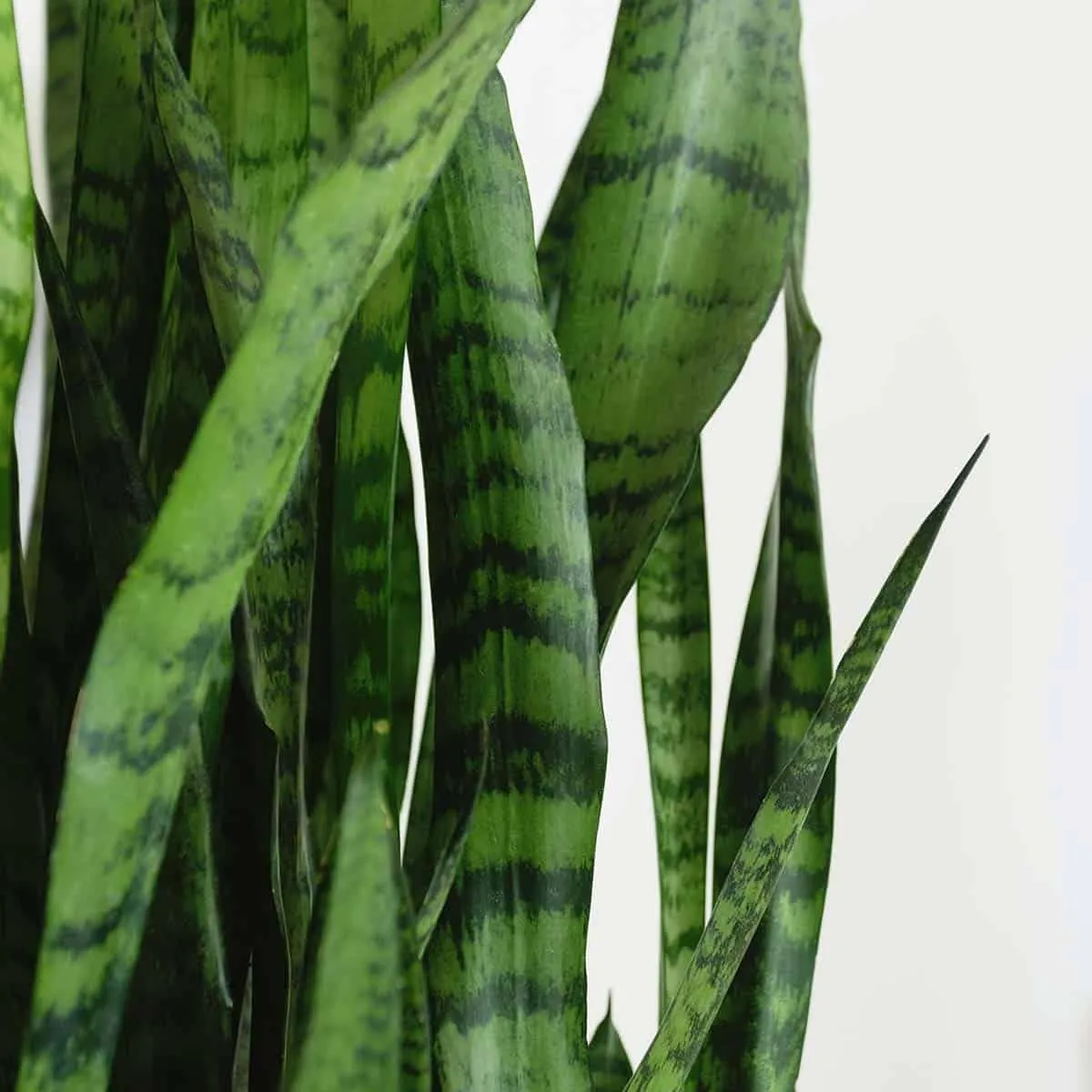
Potted snake plant with textured leaves
Are you dreaming of a lush, green indoor oasis but worried about a lack of a “green thumb”? Or perhaps you’re looking for striking architectural plants that practically care for themselves? Enter the magnificent snake plant, also known as Mother-in-Law’s Tongue (Dracaena trifasciata, formerly Sansevieria trifasciata). These stunning, resilient plants are often the answer, bringing life, style, and surprisingly easy care into any space. As your guide from Thelittle.garden, I’m here to share everything you need to know to help your snake plants not just survive, but truly flourish.
Here’s a quick peek at what makes snake plants so special and easy:
Let’s dive into the simple yet effective secrets to successful snake plant care!
Contents
The foundation of a happy snake plant is the right home – and that starts with the soil and pot. Think desert dwellers; they absolutely despise soggy feet!
Your snake plant needs soil that drains freely and quickly. Standard potting soil can often hold too much moisture, which is a recipe for disaster, specifically root rot. Root rot happens when roots sit in waterlogged soil, essentially drowning and then decaying. It’s the fastest way to lose a snake plant.
Aim for a well-draining mix, similar to what you’d use for cacti or succulents. You can buy a pre-made cactus/succulent mix, which usually contains sand or perlite to improve drainage and aeration. If you’re making your own, combine potting soil with gritty amendments like perlite or horticultural sand (make sure it’s meant for plants, not play sand, which can compact soil). A scoop of perlite is a fantastic addition to maximize airflow in the soil.
Just as crucial as the soil is the pot itself. I’m a big fan of terracotta pots for snake plants. These unglazed clay pots are porous, allowing excess moisture to evaporate through the sides, which helps the soil dry out faster and prevents that dreaded root rot.
If you choose a decorative pot made of ceramic or plastic, that’s perfectly fine, but there’s one non-negotiable feature: a drainage hole at the bottom. This allows water to escape freely. Pots without drainage holes are risky unless you’re an expert at watering and know how to use a layer of pebbles at the bottom (though even that doesn’t guarantee protection from overwatering). If you fall in love with a beautiful pot that lacks a hole, you can often drill one yourself with the right bit.
Using a plate or nonporous saucer under terracotta pots is a smart move to protect your furniture, as the clay wicks moisture out.
Snake plants are not heavy feeders. They appreciate a little boost, but too much fertilizer can do more harm than good.
You can give your plant a gentle feeding twice during its active growing season (spring and summer). Use a balanced general houseplant fertilizer diluted to half-strength. Apply it once at the beginning of spring and again in mid-summer. There’s no need to fertilize during the fall or winter when the plant’s growth slows down.
These plants actually don’t mind being a little snug in their pots. Repotting isn’t something you’ll do very often.
You’ll know it’s time for a larger pot if you see roots starting to push through the drainage holes, or if the plant seems unstable because it’s so root-bound. When you do repot, choose a container that’s just one size up – typically about 2 inches wider in diameter than the current pot. Giving a snake plant too much space means more soil volume, which stays wet longer and increases the risk of root rot.
One of the superpowers of the snake plant is its incredible adaptability to different light levels. You’ll often hear them recommended for low-light areas, and it’s true – they can survive in dimly lit rooms, hallways, or even offices with only fluorescent light. I’ve seen stunning snake plants thriving in spaces with almost no natural light!
However, while they tolerate low light, they won’t necessarily thrive or grow quickly there. Snake plants truly flourish in bright, indirect light. Placing your plant near a window where it gets plenty of ambient light, but not direct sun that could scorch the leaves, is ideal for encouraging faster and more robust growth.
So, feel free to place a snake plant in that dark corner, but know that if you want bigger, quicker growth, a brighter spot is better!
This is arguably the most critical aspect of snake plant care, and where most beginners (and even experienced plant parents) go wrong. Overwatering is the number one killer of snake plants.
The golden rule: Only water your snake plant when the soil is completely dry. How do you check? Stick your finger about 3-4 inches deep into the soil. If you feel any moisture, wait. Check again in a few days or a week. The frequency of watering depends heavily on factors like light, temperature, humidity, and the type of pot you’re using (terracotta dries out faster). In general, this might mean watering every 2-4 weeks during the growing season (spring/summer) and even less often (every 4-6 weeks or more) in the fall and winter when they are dormant.
When you do water, aim for the soil directly, avoiding getting water on the leaves, especially in the central rosettes where new growth emerges. Water pooling here can lead to rot. Water just enough to moisten the first few inches of soil, rather than completely saturating it. Underwatering is far less risky than overwatering with these plants.
Consider the water quality too. Tap water can contain chemicals like chlorine and fluoride that can build up over time. Letting tap water sit out in an open container for 24 hours before watering allows some of these chemicals to dissipate. Using filtered water or collected rainwater is also a great option for your snake plant.
Good news! Snake plants are incredibly adaptable and don’t require special humidity levels. Average indoor humidity (typically between 30% and 50%) is perfectly fine for them. You won’t need humidifiers or pebble trays for these low-maintenance beauties.
While snake plants are tough, keeping their leaves clean is a simple step that makes a big difference. Dust accumulation can block light and hinder photosynthesis.
Wipe down the leaves occasionally with a slightly damp, soft cloth. Clean both the top and underside of the leaves. It’s a quick task that keeps them looking glossy and helps them absorb light more efficiently. As a bonus, turning your pot every time you water helps the plant grow evenly, especially if it’s near a light source.
Want more snake plants? Propagation is surprisingly easy and rewarding! You can multiply your collection (or share with friends) using either water or soil methods.
This is my personal favorite because you can literally watch the magic happen!
Propagating in soil is also effective, though you won’t see the root growth as it happens.
Watching a new baby snake plant emerge from a cutting is incredibly satisfying!
Beyond the classic, upright Dracaena trifasciata with its striking yellow-edged leaves, the snake plant family (Dracaena genus, previously Sansevieria) is wonderfully diverse. Each variety offers a unique look while generally sharing the same easy-care needs. Don’t be afraid to explore different forms!
Here are a few popular and intriguing species and cultivars:
African Spear Plant / Cylindrical Snake Plant (Dracaena angolensis): Instead of flat leaves, this variety has round, stiff, upright leaves that often fan out. They can grow quite large and may need dividing as they spread. The Dracaena pearsonii variety is similar but often has red-tinted, succulent-like leaves.
Twist Variety (Sansevieria trifasciata ‘Twist’): A fun cultivar of the classic snake plant, known for its twisting and curving leaves that create a dynamic shape.
Rhino Grass (Sansevieria desertii): This variety has plumper, more succulent leaves that can resemble rhinoceros horns.
Bantel’s Sensation (Sansevieria trifasciata ‘Bantel’s Sensation’): Another cultivar of the classic, distinguished by its prominent white vertical stripes running up the leaves.
Moonglow (Dracaena trifasciata ‘Moonglow’): Offers a unique silvery-green color without the typical striping, giving it a soft, almost glowing appearance.
Each variety brings its own texture and form, but the basic principles of care remain consistent.
Even with their resilience, snake plants can occasionally encounter issues, usually related to care mistakes.
By paying attention to these signs, you can quickly adjust your care and help your snake plant recover.
Caring for snake plants is incredibly rewarding. They are truly forgiving and offer immense beauty with minimal effort. Whether you’re a seasoned collector or just starting your plant journey, these resilient wonders are sure to bring joy and a touch of modern elegance to your home.
Happy gardening! Don’t hesitate to leave a comment below with your own snake plant experiences or questions, and be sure to explore other plant care guides on Thelittle.garden!
Wichtigste Erkenntnisse: Der Anbau eigener gemischter Blattsalate bietet unübertroffene Frische und Geschmack – direkt aus…
Here's how implementing no-dig techniques can transform your container gardening: Build Richer Soil: Layers of…
Healthy soil is teeming with beneficial microbes that act as a natural defense system for…
Transform your patio into a vibrant, wildlife-friendly oasis. Discover how to create beautiful, low-maintenance container…
Unlock the secret to a beautiful, resilient garden with Sedum & Yarrow blends. Discover why…
Beat the Heat: Discover resilient perennials that thrive in containers during the hottest summer months,…