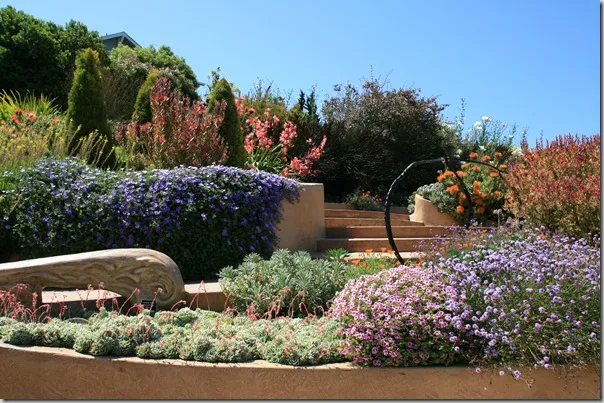
A tranquil garden patio with structured greenery and a limited, calm color palette
Designing a garden that supports local wildlife doesn’t mean sacrificing beauty or order. In fact, some simple design principles can elevate your space from a collection of plants to a thriving, attractive ecosystem. One of the most impactful secrets? Mastering your wildlife-friendly color schemes.
Key Takeaways:
Often, we home gardeners get excited by the sheer variety at the nursery, leading to impulse buys and a garden that feels a bit scattered. This is a common pitfall, even for those who know design principles! But when our goal is to create a beautiful space that also serves as a haven for pollinators, birds, and other creatures, making it visually appealing is key. A well-designed wildlife garden acts as an ambassador, showing neighbors and visitors just how stunning these natural spaces can be.
One of the biggest differences between a novice garden and a professional-looking one often comes down to restraint, particularly in color selection. Limiting your palette to just three or four colors can dramatically transform your garden’s appearance. This simple trick pulls the entire space together, making it feel intentional and harmonious.
Think of it this way: even if you struggle with plant textures, placement, or fall victim to the “one of everything” planting style, sticking to a defined set of colors creates an underlying sense of unity. It’s like having a hidden design superpower! Furthermore, mirroring colors you love inside your home can make your garden feel like a true extension of your living space, creating a seamless transition between indoors and out.
If the idea of planting large masses of the same thing feels too restrictive because you adore too many different plants, selecting a specific color palette is your perfect solution. Most native and wildlife-attracting plants come in various cultivars with different flower or foliage colors. This means you can often find varieties of your favorite species that fit within your chosen scheme, whether it’s shades of purple and silver, or warm oranges and yellows.
Choosing your garden’s color story doesn’t need to be complicated. It’s largely about trusting your instincts and identifying what brings you joy.
One wonderful approach is simply to gather cuttings of plants – both flowers and foliage – that you are naturally drawn to. Arrange them together like mini bouquets. See which combinations feel right to you. This tactile method helps you explore textures and shades in a very intuitive way.
If you’re more technologically inclined, take close-up photos of plants you admire, focusing on the colors and forms. Then, arrange these images on your computer screen. This allows you to easily mix and match different plant options and visualize how their colors might work together in your design.
Paradoxically, setting limits can actually unleash greater creativity. When faced with the infinite possibilities of the plant world, design can feel overwhelming. By deciding on a wildlife-friendly color scheme, you give yourself a clear framework. This eliminates a major source of design paralysis and allows you to focus your creative energy on plant placement, texture combinations, and creating layers within your chosen colors.
Ready to define your garden’s color scheme? Here’s a simple way to begin:
Let’s look at a couple of plants often used in wildlife gardens that can fit into various color schemes:
Known for its vibrant orange cups, the California Poppy is a symbol of the Golden State and a fantastic early-season food source for pollinators. While classic orange is popular, cultivars offer shades from cream and yellow to pink and red, allowing this cheerful native to fit into warm or even mixed-color schemes.
This beautiful California native groundcover or small shrub features clusters of fragrant, deep lilac-purple flowers for months on end. It’s a magnet for butterflies and other pollinators. Its cool purple tones make it an excellent choice for cool-color palettes or as a contrasting element against warmer hues.
A landscape featuring structured green foliage and touches of purple, illustrating a simple, elegant palette.
Clean lines and a limited palette of greens and grays define this modern, low-water design.
This water-wise garden uses varied textures and forms within a palette of muted greens and silvers.
Warm colors like orange and yellow dominate this vibrant, sun-drenched garden bed.
A rich tapestry of greens, purples, and pinks creates a lush, inviting atmosphere.
Naturalistic planting in a sustainable design, showcasing a mix of textures and colors.
The bright orange flowers of Bulbinella ‘Hallmark’ provide a striking focal point in a contemporary garden palette.
Designing a beautiful garden that supports wildlife doesn’t have to be complicated or overwhelming. By consciously choosing a simple wildlife-friendly color scheme, you create a powerful tool that guides your plant selection, simplifies the design process, and results in a garden that feels harmonious, professional, and incredibly inviting to both humans and nature. This intentional approach transforms your space into a stunning example of how beauty and biodiversity can flourish together.
Ready to pick your palette? Share your favorite garden colors in the comments below! Explore more garden design tips and plant spotlights on Thelittle.garden to continue your journey in creating your perfect wildlife haven.
Here's how implementing no-dig techniques can transform your container gardening: Build Richer Soil: Layers of…
Healthy soil is teeming with beneficial microbes that act as a natural defense system for…
Transform your patio into a vibrant, wildlife-friendly oasis. Discover how to create beautiful, low-maintenance container…
Unlock the secret to a beautiful, resilient garden with Sedum & Yarrow blends. Discover why…
Beat the Heat: Discover resilient perennials that thrive in containers during the hottest summer months,…
Variegated Pothos, like the Golden Pothos and Marble Queen, are stunning, easy-care houseplants perfect for…