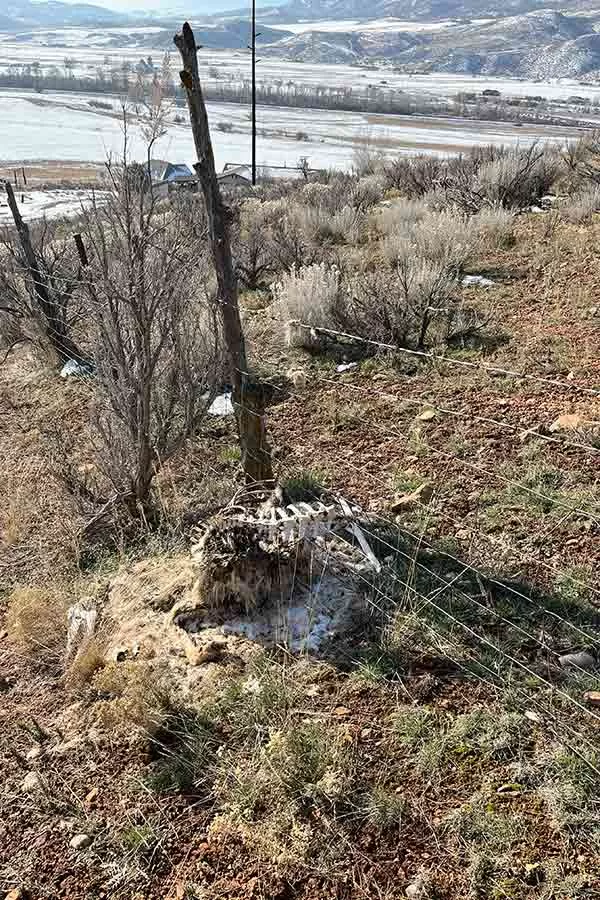
Dedicated Hunters removing old barbed-wire fencing at the Cinnamon Creek WMA
Have you ever watched a deer gracefully leap across a field or seen birds flit through the branches of a hedgerow? Our gardens and properties aren’t just our private spaces; they’re also part of a larger landscape shared with incredible wildlife. While fences serve important purposes like defining boundaries and ensuring privacy, they can sometimes pose unexpected challenges, even dangers, to our wild neighbors. But what if your fence could do more than just mark a line? What if it could actually support the wildlife around you? That’s where the beauty and practicality of wildlife-friendly living fences come into play, offering a way to blend function with ecological harmony right in your own backyard or larger property.
For decades, properties have been divided and protected by various types of fences, from classic wooden pickets to barbed wire and wrought iron. While effective for containing pets, marking territory, or preventing trespass, these structures can inadvertently become significant barriers or hazards for wildlife. Animals, especially those following historical migration routes or simply moving between food and water sources, can face serious issues.
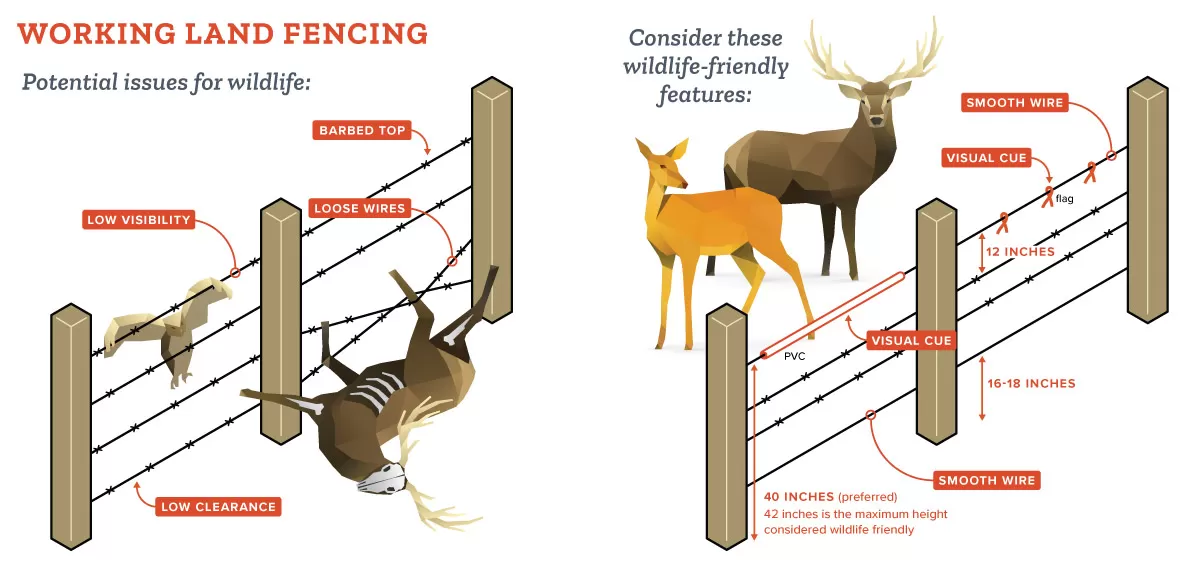
Think about deer navigating an urban edge or a ranch. A high, solid fence might completely block their path. Barbed wire or loose, damaged fencing can entangle legs, hooves, or wings, leading to painful injuries, infections, or even death. We’ve seen heartbreaking instances of deer impaled on pointed metal fences in residential areas or birds colliding with low-visibility wires. Even young fawns can become separated from their mothers by a fence they can’t cross, leading to tragic outcomes. Beyond immediate physical harm, fences can also restrict genetic flow between populations, potentially making wildlife more vulnerable to diseases.
The impact isn’t limited to large mammals. Birds can suffer broken wings or other fatal injuries from colliding with fence wires they don’t see, making them easy targets for predators or preventing them from hunting effectively.
The good news is that we don’t have to choose between having a defined property line and supporting wildlife. Thoughtful design and material choices can make a huge positive impact.
Instead of a solid wall or a potentially hazardous wire, imagine a vibrant hedge bursting with berries, a line of stately trees offering shelter, or a mix of shrubs creating a natural screen. This is the essence of a wildlife-friendly living fence.
For those looking to create a natural barrier or privacy screen that doubles as a wildlife haven, a living fence is an exceptional choice. It transforms a simple boundary into a thriving part of your garden’s ecosystem. Consider using native shrubs and trees for maximum benefit to local wildlife, as they are already adapted to the environment and provide the most relevant food and shelter.
While living fences are ideal, sometimes a physical barrier is necessary – perhaps to contain pets, manage livestock, or protect a specific garden area. In these cases, key design considerations can drastically reduce risks to wildlife:
If the primary goal is simply marking a property line or preventing vehicle access without needing a full barrier, consider alternatives like:
These options clearly delineate space while allowing wildlife unrestricted movement.
Choosing wildlife-friendly fencing, especially embracing the idea of wildlife-friendly living fences, is a powerful way to contribute to the health of local ecosystems. It demonstrates a commitment to coexisting with nature and can inspire neighbors to do the same. Even small adjustments in how we define our boundaries can open up crucial pathways for wildlife and prevent unnecessary harm.
Whether you have a small suburban garden or a larger rural property, evaluating your existing fences or planning new ones with wildlife in mind is a worthwhile endeavor. It enriches your own connection to the natural world and ensures your piece of the landscape is a welcoming, safe passage for all its inhabitants.
Want to learn more about specific plants for your area to create a thriving living fence? Curious about local regulations or resources for wildlife-friendly landscaping? Share your thoughts and questions in the comments below! And if you found this information helpful, please share it with others who might be planning their garden or landscape. Explore more articles on Thelittle.garden for tips on creating a beautiful and beneficial space for you and your wild visitors.
Key takeaways: Discover 5 enchanting flowers to create a magical fairy garden Learn the symbolic…
Watermelon Red Crape Myrtle is a classic, versatile tree with stunning pink-red blooms Grows 20-25…
Key Takeaways: Oriental lilies are prized for their large, fragrant blooms They thrive in well-draining…
Key takeaways: Amaranth is easy to grow in containers, perfect for beginners and experienced gardeners…
Vibrant, low-maintenance flowers for sunny spots Continuous color throughout summer Perfect for borders, ground cover,…
Here's how implementing no-dig techniques can transform your container gardening: Build Richer Soil: Layers of…