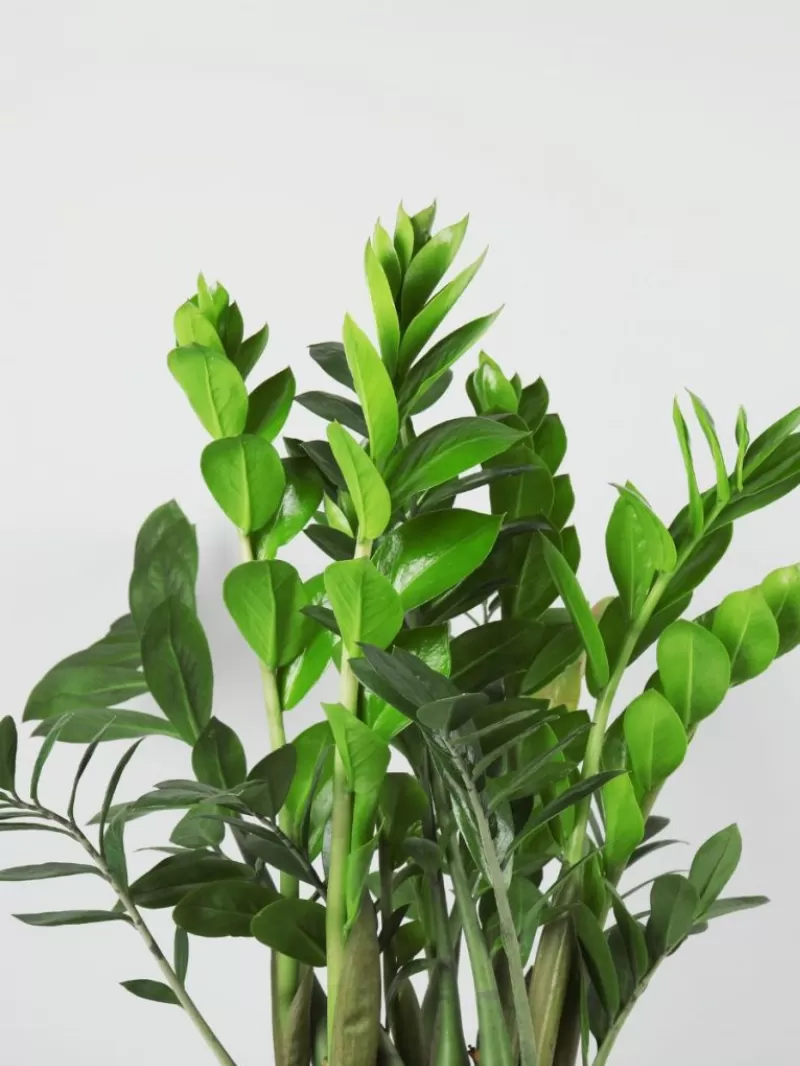
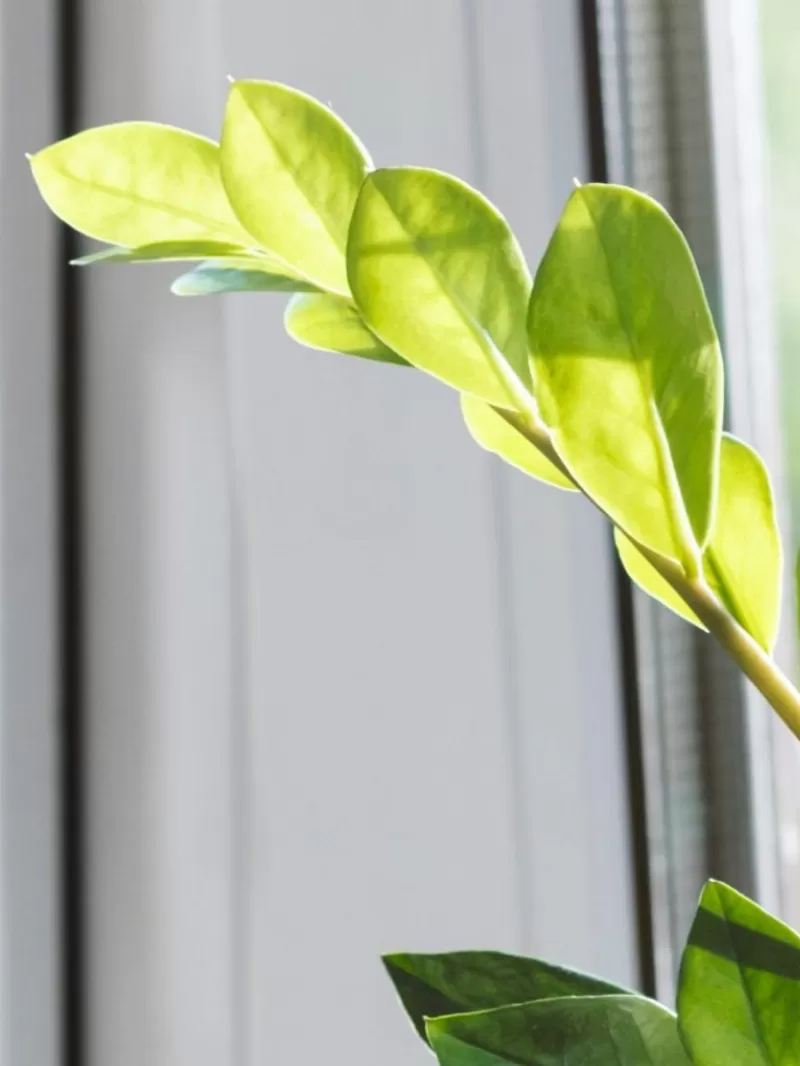
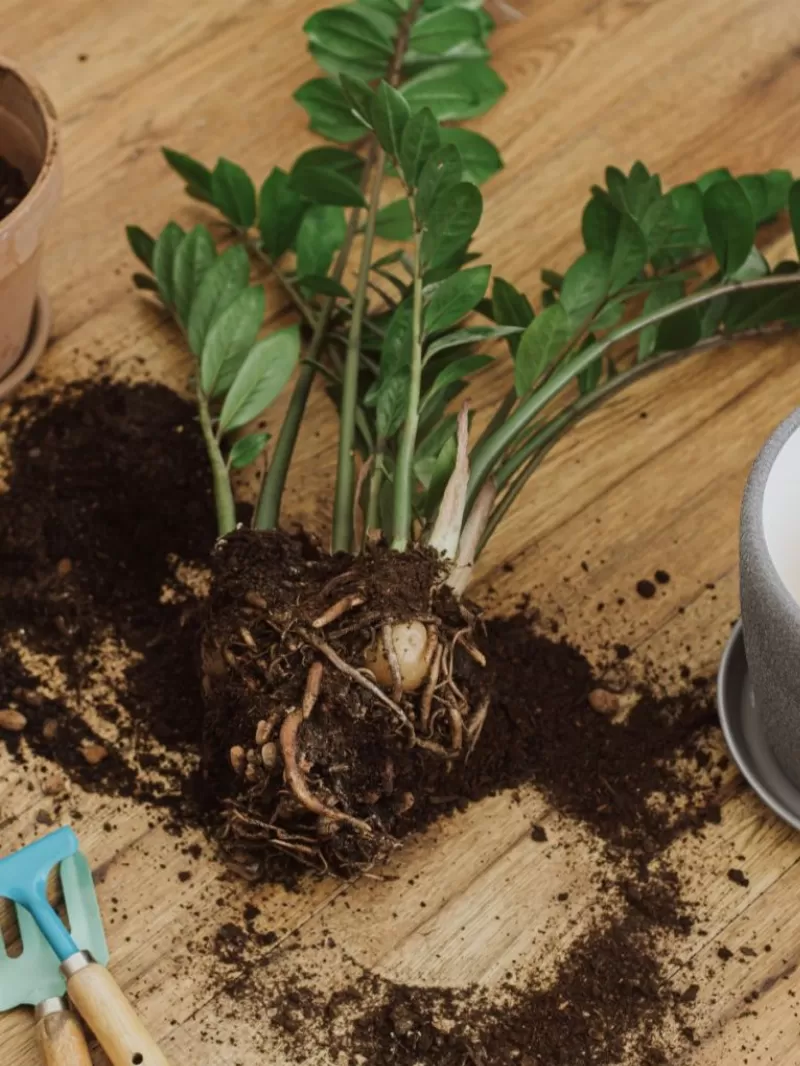
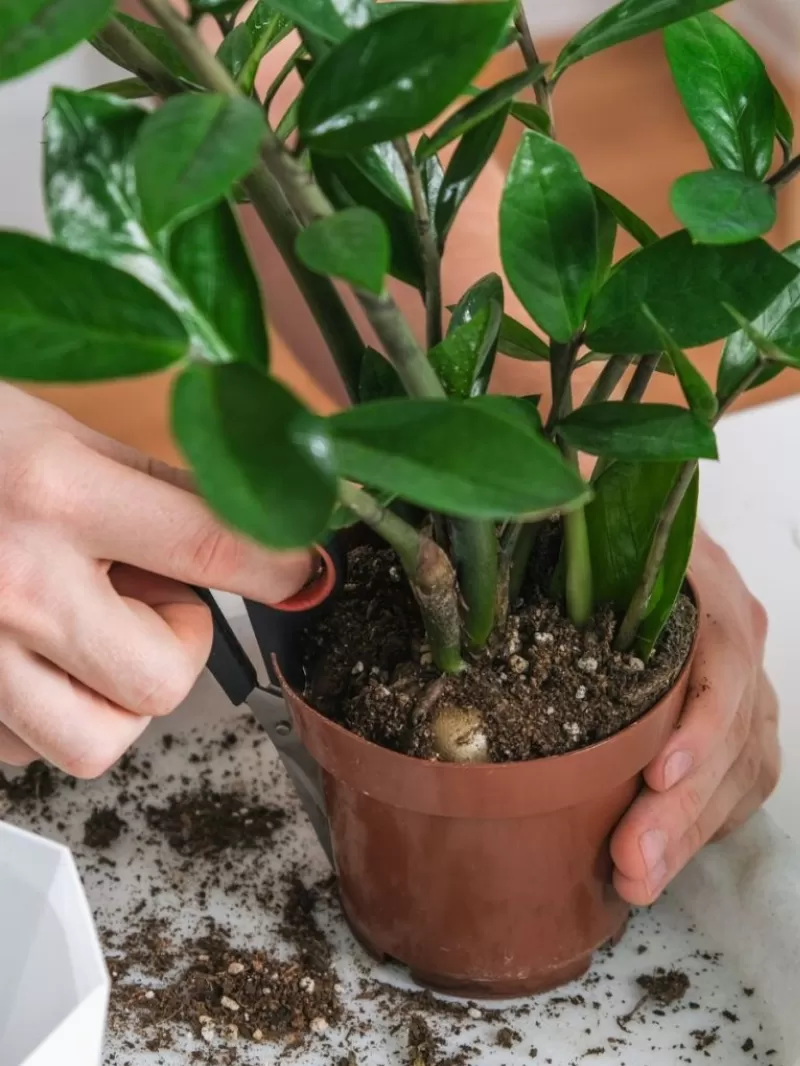
ZZ plants are highly resilient but not entirely immune to health issues
Are you noticing your beloved ZZ plant’s leaves turning an unsightly shade of brown? Don’t panic! While ZZ plants are known for their hardiness, even these tough cookies can face challenges. As a fellow plant enthusiast, I’ve been there, and I’m here to guide you through the process of reviving your green friend.
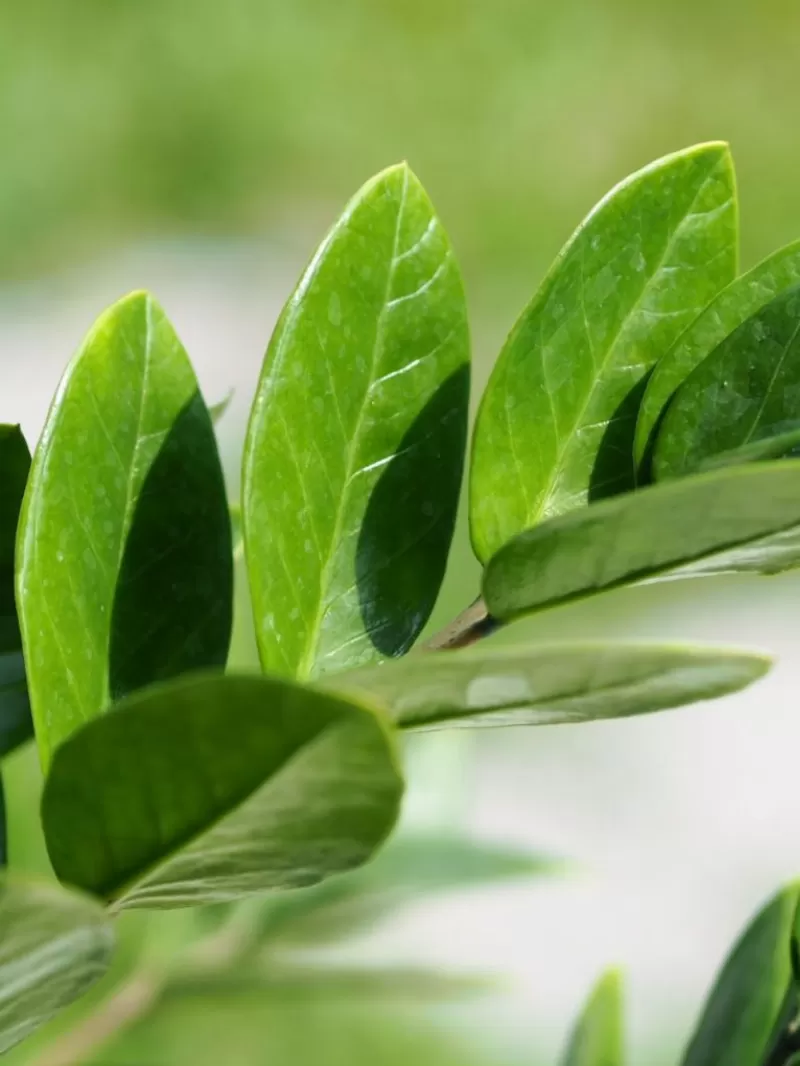
ZZ plants (Zamioculcas zamiifolia) are champions of endurance, often thriving even when neglected. However, when those glossy green leaves start to brown, it’s a clear signal that something’s amiss. Let’s dive into the top 10 reasons why your ZZ plant might be turning brown and explore how to bring back its lush, vibrant appearance.
Overwatering is the number one culprit behind browning ZZ plants. These drought-tolerant plants prefer their soil on the drier side. Too much water can lead to root rot, causing leaves to turn brown and become floppy.
While ZZ plants are drought-tolerant, extended periods without water can cause brown leaf tips or edges. This is especially true in drier climates or during hot summer months.
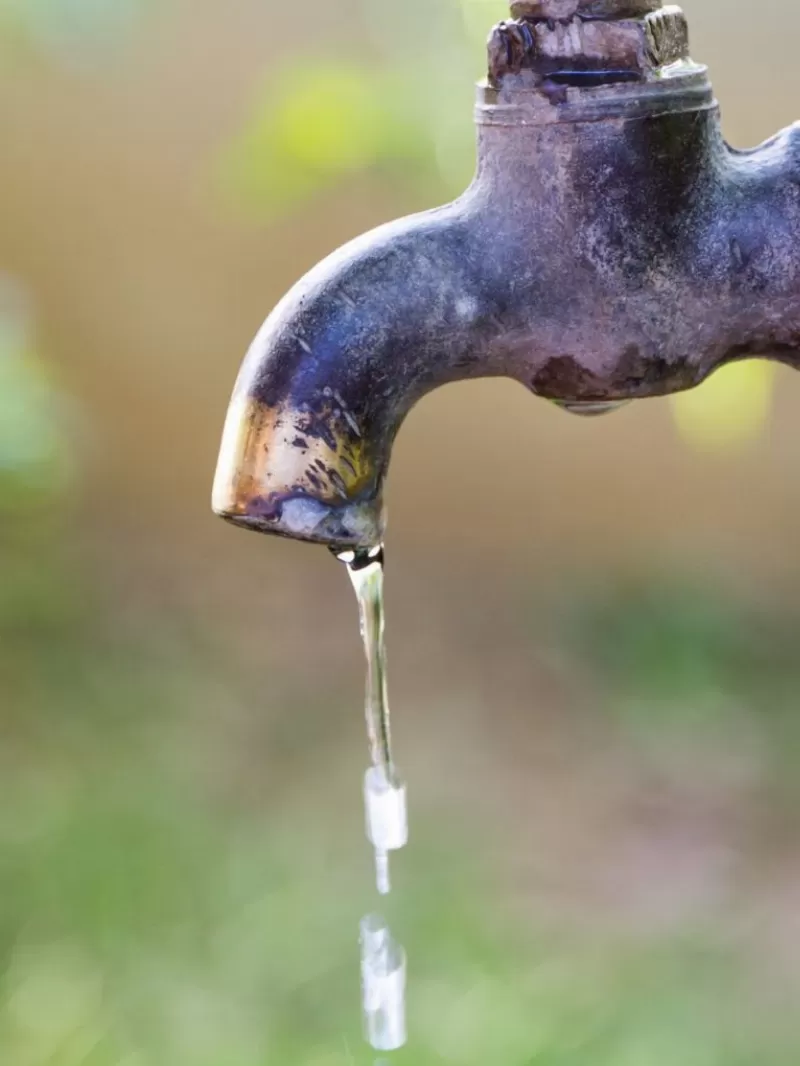
Tap water often contains chemicals like chlorine and fluoride that can accumulate in ZZ plant leaves over time, causing browning. Hard water with high mineral content can also be problematic.
While ZZ plants are generally pest-resistant, they can occasionally fall victim to mealybugs or spider mites. These pests can cause brown spots or patches on leaves.
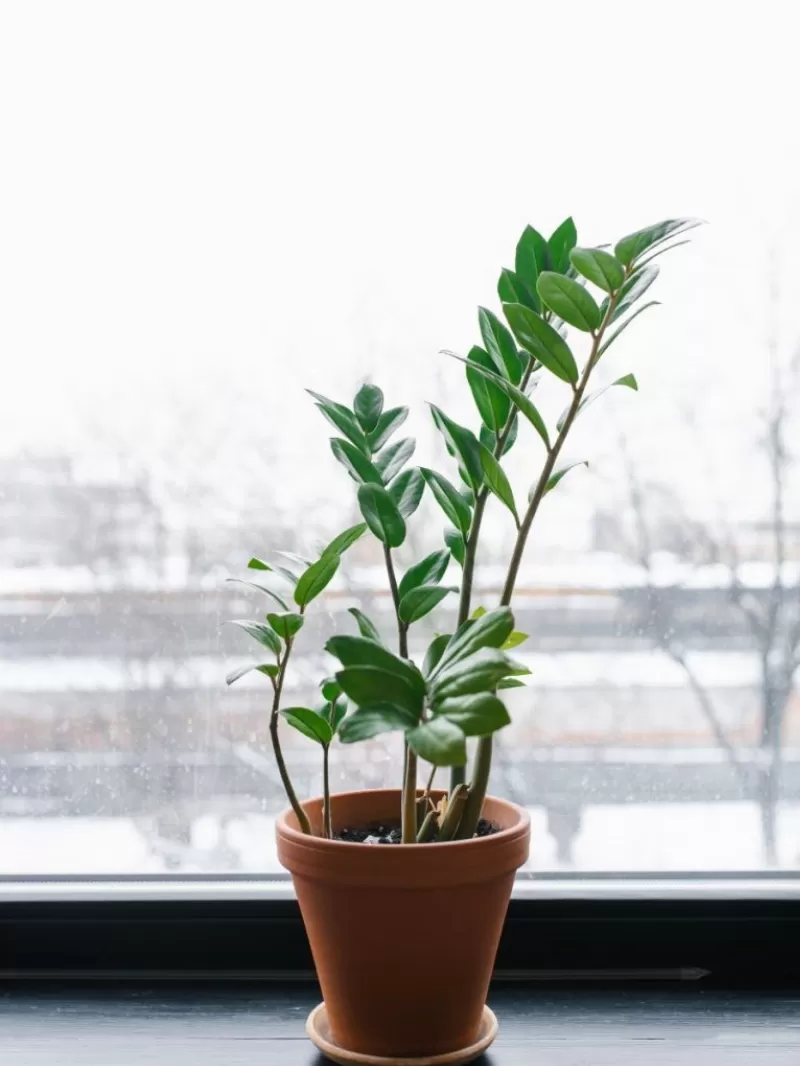
ZZ plants prefer indirect light. Too much direct sunlight can scorch their leaves, causing brown patches.
Low humidity can cause ZZ plant leaves to brown at the edges. While they’re adaptable, they do appreciate some moisture in the air.
Nutrient deficiencies can manifest as brown leaves in ZZ plants. This is often due to poor soil quality or lack of fertilization.
ZZ plants thrive in temperatures between 65-90°F (18-32°C). Extreme cold or heat can cause leaf browning.
Recently repotted ZZ plants may experience transplant shock, leading to temporary browning of leaves.
While uncommon, ZZ plants can occasionally fall victim to fungal or bacterial diseases, causing brown spots or patches.
Caring for a ZZ plant is a rewarding journey. By understanding these common causes of browning and implementing the right solutions, you can nurture your plant back to its lush, green glory. Remember, every plant is unique, so observe yours closely and adjust your care routine as needed.
Have you experienced browning issues with your ZZ plant? Share your stories and tips in the comments below! And don’t forget to explore our other articles for more plant care advice and inspiration. Happy gardening!
Here's how implementing no-dig techniques can transform your container gardening: Build Richer Soil: Layers of…
Healthy soil is teeming with beneficial microbes that act as a natural defense system for…
Transform your patio into a vibrant, wildlife-friendly oasis. Discover how to create beautiful, low-maintenance container…
Unlock the secret to a beautiful, resilient garden with Sedum & Yarrow blends. Discover why…
Beat the Heat: Discover resilient perennials that thrive in containers during the hottest summer months,…
Variegated Pothos, like the Golden Pothos and Marble Queen, are stunning, easy-care houseplants perfect for…