Here are the key takeaways on bringing cleaner air and tranquility into your sleep space:
- Certain houseplants naturally filter common indoor pollutants like formaldehyde, benzene, and carbon dioxide.
- Placing air-purifying plants in your bedroom can significantly improve air quality, leading to better sleep and overall well-being.
- Many effective air-purifying plants are low-maintenance and thrive in typical bedroom conditions, even low light.
- Beyond air quality, indoor plants reduce stress, boost mood, and add natural beauty to your personal sanctuary.
- Choosing the right air-purifying plants for bedrooms depends on factors like available light, humidity, and your personal plant care style.
Imagine stepping into your bedroom, a space designed for rest and rejuvenation, and taking a deep, refreshing breath. We spend a significant amount of time in our bedrooms, making the air quality in this personal sanctuary incredibly important. Unfortunately, indoor air can sometimes be less than ideal, collecting pollutants that affect our health and sleep. But what if you could easily and beautifully transform your bedroom air? That’s where the magic of air-purifying plants for bedrooms comes in. These green allies are not just lovely decor; they’re hard-working natural filters, absorbing common toxins and releasing fresh oxygen. Adding the right plants can create a healthier, more peaceful environment, helping you sleep better and wake up feeling more refreshed. Let’s explore some of the best green companions for your bedside table and discover how simple it is to nurture a healthier sleep space.
Contents
- How Houseplants Help Clean Your Indoor Air
- Top Air-Purifying Plants Perfect for Your Bedroom
- 1. Peace Lily
- 2. Snake Plant
- 3. English Ivy
- 4. Aloe Vera
- 5. Pothos
- 6. Spider Plant
- 7. Dracaena
- 8. Philodendron
- 9. Chinese Evergreen
- 10. Boston Fern
- 11. Monstera
- 12. Rubber Plant
- 13. ZZ Plant
- 14. Areca Palm
- 15. Anthurium
- Beyond Plants: Creating Your Ultimate Sleep Sanctuary
- Bring Home Better Air with Bedroom Plants
How Houseplants Help Clean Your Indoor Air
It might sound like magic, but the air-purifying power of houseplants is grounded in science. Plants perform photosynthesis, the process where they take in carbon dioxide and release oxygen. But many indoor plants also absorb other airborne pollutants through tiny pores in their leaves. These toxins, like formaldehyde (found in furniture, flooring) and benzene (in plastics, synthetic fibers), are then processed and neutralized within the plant or soil. The root-microorganism system in the pot also plays a role in breaking down pollutants.
While a single plant won’t turn your bedroom into a pristine forest, studies have shown that strategically placed houseplants can contribute to reducing levels of indoor air contaminants and boosting oxygen levels, creating a fresher atmosphere. Beyond the tangible air benefits, simply having visible greenery has been linked to reduced stress, improved mood, and a greater sense of well-being – perfect for winding down before sleep. For many, caring for plants is a calming ritual, connecting them with nature and fostering a sense of peace.
Top Air-Purifying Plants Perfect for Your Bedroom
Ready to invite some green goodness into your sleep haven? These fifteen plants are celebrated for their air-cleaning abilities and their suitability for the unique conditions often found in bedrooms – typically lower light and average home humidity.
1. Peace Lily
With its elegant white bracts (often mistaken for flowers) and glossy dark leaves, the Peace Lily is a symbol of tranquility and a powerhouse for air purification. It’s particularly effective at filtering formaldehyde, benzene, and trichloroethylene.
- Scientific Name: Spathiphyllum wallisii
- Common Name: Peace Lily
- Zone: Indoor
- Light: Thrives in low light, prefers medium to bright indirect light for blooming. Avoid direct sun.
- Humidity: Prefers high humidity but tolerates average indoor levels. Misting helps.
- Water: Water when the top inch of soil feels dry. It will visibly droop when thirsty, which is a good indicator (but don’t let it stay droopy!).
2. Snake Plant
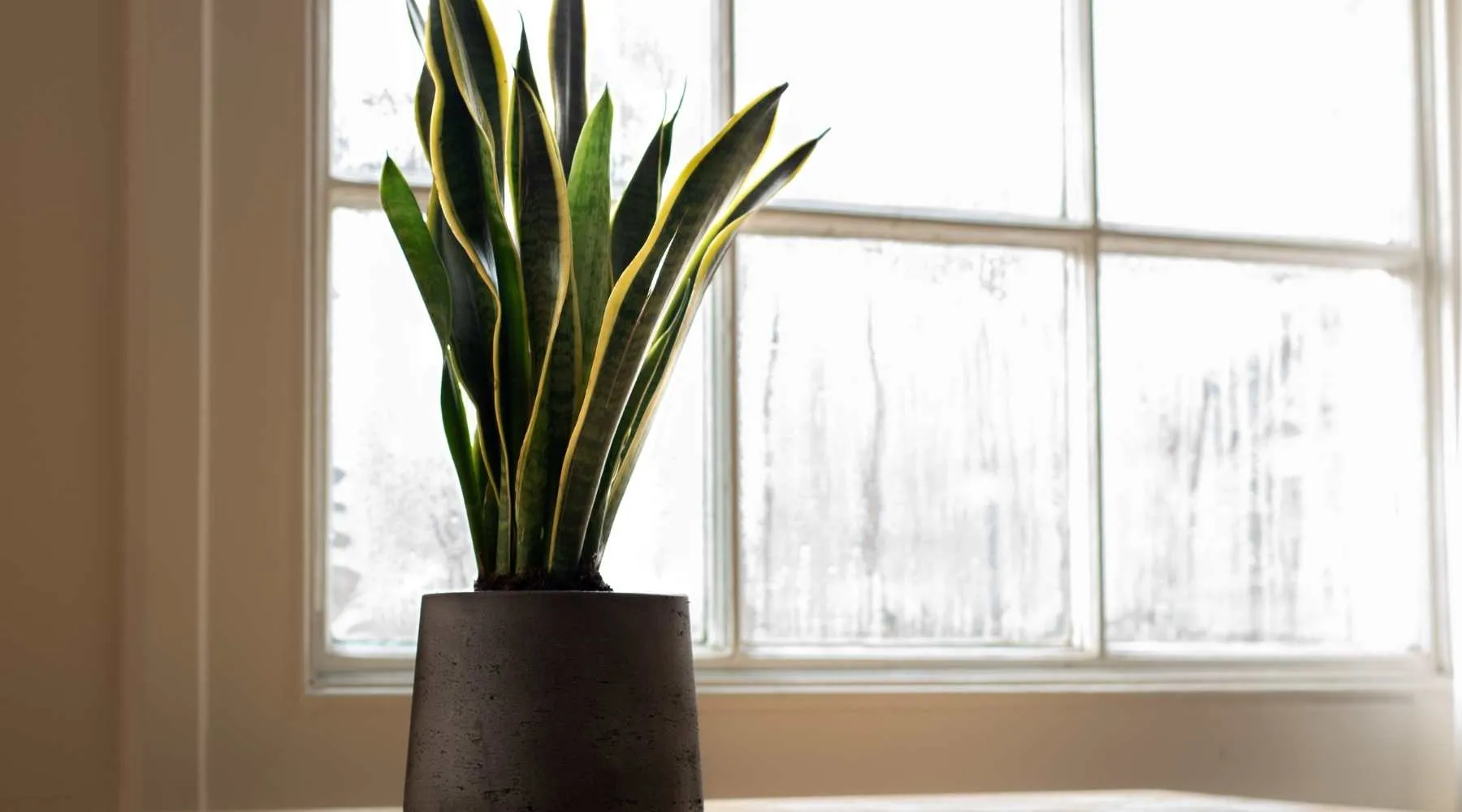
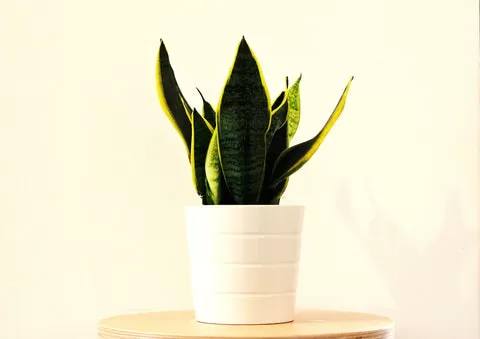
Often called Mother-in-Law’s Tongue, the Snake Plant is practically indestructible and one of the top recommendations for bedrooms. It uniquely converts CO2 to oxygen at night (most plants do this during the day) and filters out common toxins including formaldehyde, benzene, xylene, and trichloroethylene.
- Scientific Name: Sansevieria trifasciata (now classified as Dracaena trifasciata)
- Common Name: Snake Plant, Mother-in-Law’s Tongue
- Zone: Indoor
- Light: Extremely tolerant, from low light to bright indirect light. Performs best in medium to bright indirect.
- Humidity: Tolerates low humidity.
- Water: Water only when the soil is completely dry, typically every 2-4 weeks depending on light and temperature. Overwatering is the most common killer.
 Snake Plants are the perfect complement beside our beautifully-designed adjustable beds. Have a question? Contact our bed experts today!
3. English Ivy
This classic vine adds a touch of whimsical charm and is especially noted for its ability to filter airborne mold particles, making it great for those prone to allergies. It looks stunning trailing from a shelf or hanging basket.
- Scientific Name: Hedera helix
- Common Name: English Ivy
- Zone: 4-9 (outdoors), Indoor
- Light: Prefers bright indirect light but can tolerate lower light conditions.
- Humidity: Likes higher humidity. Regular misting or a pebble tray can help.
- Water: Keep soil consistently moist, but avoid letting it sit in water. Let the top inch dry slightly between waterings.
4. Aloe Vera
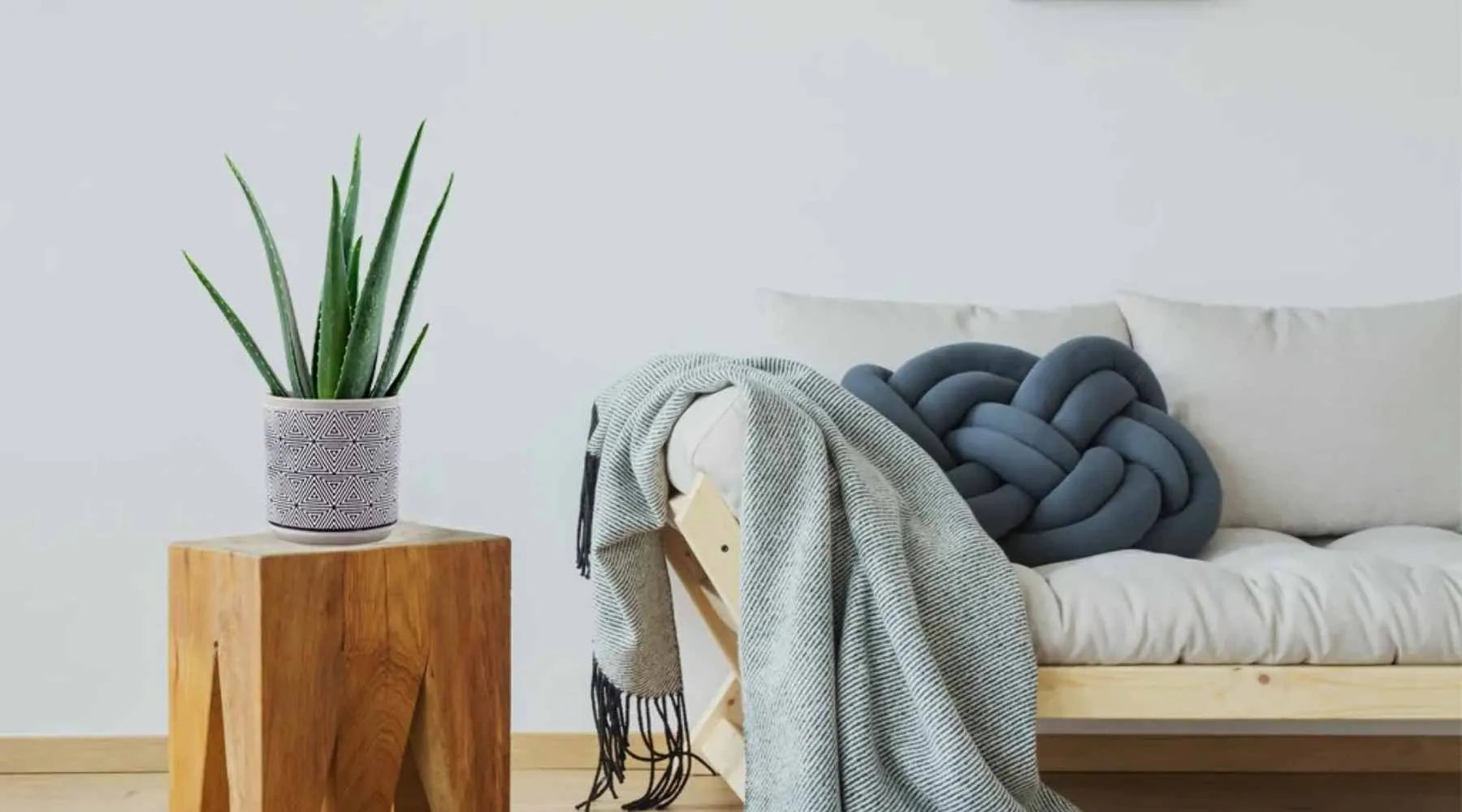
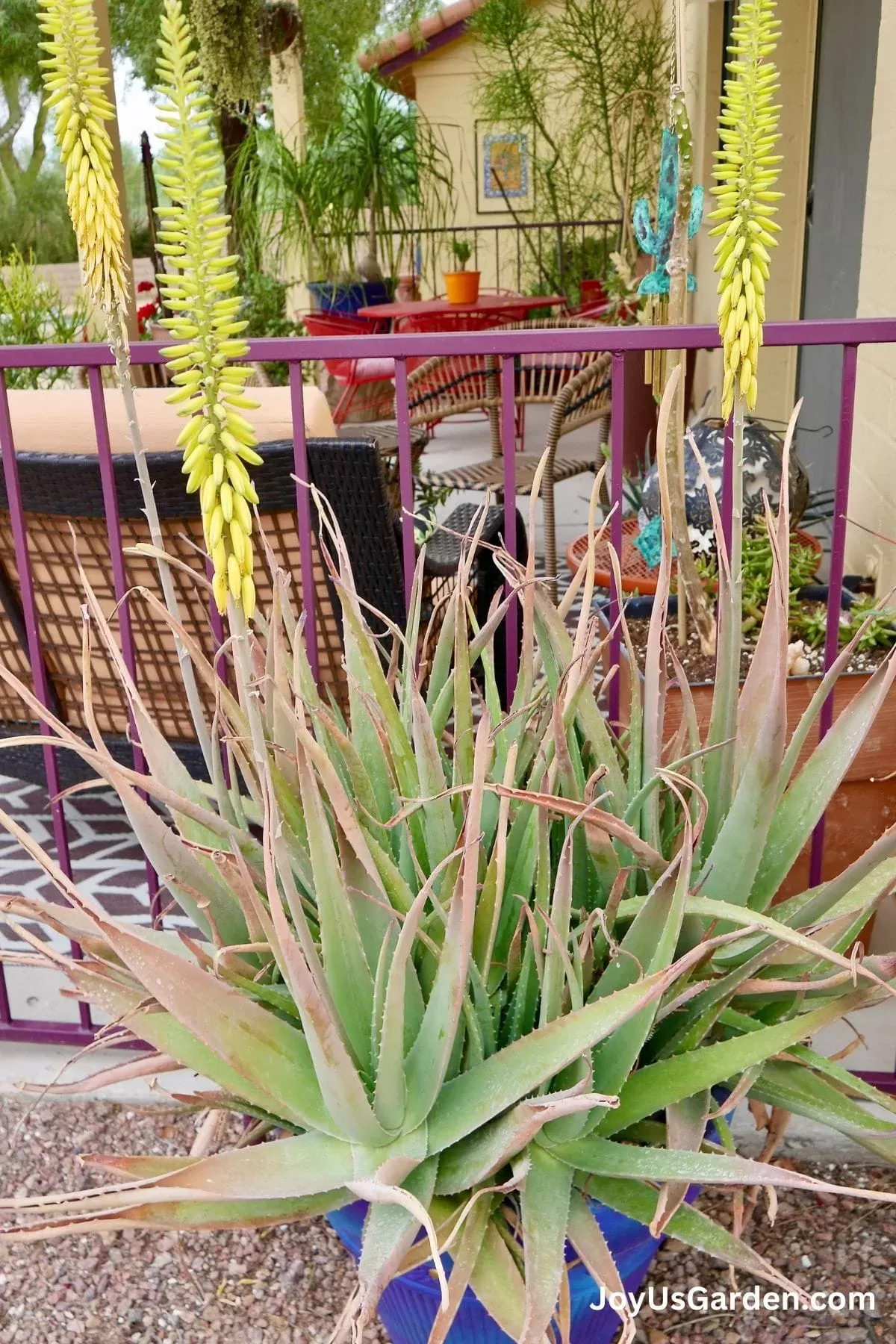
More than just a remedy for sunburns, the Aloe Vera plant works tirelessly to purify your bedroom air, specifically targeting formaldehyde and benzene. Its sculptural form adds modern flair.
- Scientific Name: Aloe barbadensis miller
- Common Name: Aloe Vera, Medicine Plant
- Zone: 10-12 (outdoors), Indoor
- Light: Thrives in bright, direct sunlight or very bright indirect light. Place it near a sunny window.
- Humidity: Tolerates low humidity.
- Water: Water deeply but infrequently, allowing the soil to completely dry out between waterings. It’s drought-tolerant.
5. Pothos
Often called the “Cubicle Plant” because it thrives even in less-than-ideal office lighting, Pothos is equally happy in your bedroom. Its trailing vines are easy to care for and effectively remove formaldehyde, benzene, and xylene.
- Scientific Name: Epipremnum aureum
- Common Name: Pothos, Devil’s Ivy, Golden Pothos
- Zone: Indoor
- Light: Very adaptable, from low light to bright indirect light. Low light may result in less variegation.
- Humidity: Tolerates average indoor humidity.
- Water: Water when the top few inches of soil feel dry. Pothos is quite forgiving if you miss a watering.
 What Our Customers Say: “The Supernal Hi-Low Bed has been a game changer for me. Easy to use and looks great!” Like our adjustable beds, Spider plants are beautiful too.
6. Spider Plant
Easy to grow and propagate, the Spider Plant is a popular choice for beginners. Its arching leaves and “spiderettes” (small plantlets) make it perfect for hanging baskets. It excels at removing formaldehyde and xylene from the air.
- Scientific Name: Chlorophytum comosum
- Common Name: Spider Plant, Airplane Plant
- Zone: Indoor
- Light: Prefers bright indirect light. Can tolerate lower light, but growth may slow.
- Humidity: Tolerates average indoor humidity.
- Water: Keep soil evenly moist, but avoid waterlogging. Allow the top inch to dry out slightly between waterings.
7. Dracaena
With many varieties available offering different leaf shapes and patterns, Dracaena plants are tall, striking additions that purify the air of benzene, formaldehyde, trichloroethylene, and xylene. Choose a variety that fits your light conditions.
- Scientific Name: Dracaena species (e.g., Dracaena marginata, Dracaena fragrans)
- Common Name: Dragon Tree, Corn Plant, Dracaena
- Zone: Indoor
- Light: Varies by species. Many tolerate low light, while some prefer bright indirect light. Avoid direct sun.
- Humidity: Tolerates average indoor humidity.
- Water: Let the top inch or two of soil dry out completely before watering. More frequent watering in brighter light.
 Caring for your household and best bedroom plants is relaxing and can also be a therapeutic form of hand therapy plus self-care!
8. Philodendron
Known for its lush, heart-shaped leaves, the Philodendron is a resilient vine that brings a touch of the tropics indoors. It’s effective at removing formaldehyde and is a fantastic choice for bedrooms with low light.
- Scientific Name: Philodendron hederaceum (Heartleaf Philodendron)
- Common Name: Philodendron, Sweetheart Plant
- Zone: Indoor
- Light: Thrives in low light to bright indirect light. Avoid direct sun.
- Humidity: Prefers higher humidity but tolerates average indoor levels well.
- Water: Water when the top inch of soil feels dry. Less frequent watering in lower light.
9. Chinese Evergreen
With beautiful patterned foliage, the Chinese Evergreen is a forgiving plant that tolerates low light and helps filter indoor air pollutants. It’s a stylish and low-maintenance option for any bedroom corner.
- Scientific Name: Aglaonema species
- Common Name: Chinese Evergreen
- Zone: Indoor
- Light: Thrives in low to medium indirect light. Higher light brings out more vibrant colors in patterned varieties.
- Humidity: Prefers higher humidity but tolerates average indoor levels.
- Water: Let the top few inches of soil dry out before watering. Avoid overwatering.
10. Boston Fern
A classic choice for its feathery fronds, the Boston Fern is a humidity-loving plant that not only purifies the air but also helps restore moisture to dry environments. It’s excellent at removing formaldehyde and xylene.
- Scientific Name: Nephrolepis exaltata ‘Bostoniesis’
- Common Name: Boston Fern
- Zone: Indoor
- Light: Prefers bright, indirect light. Avoid direct sun and deep shade.
- Humidity: Requires high humidity to thrive. Needs regular misting or placement near a humidifier.
- Water: Keep soil consistently moist, but not soggy. Do not let it dry out completely.
11. Monstera
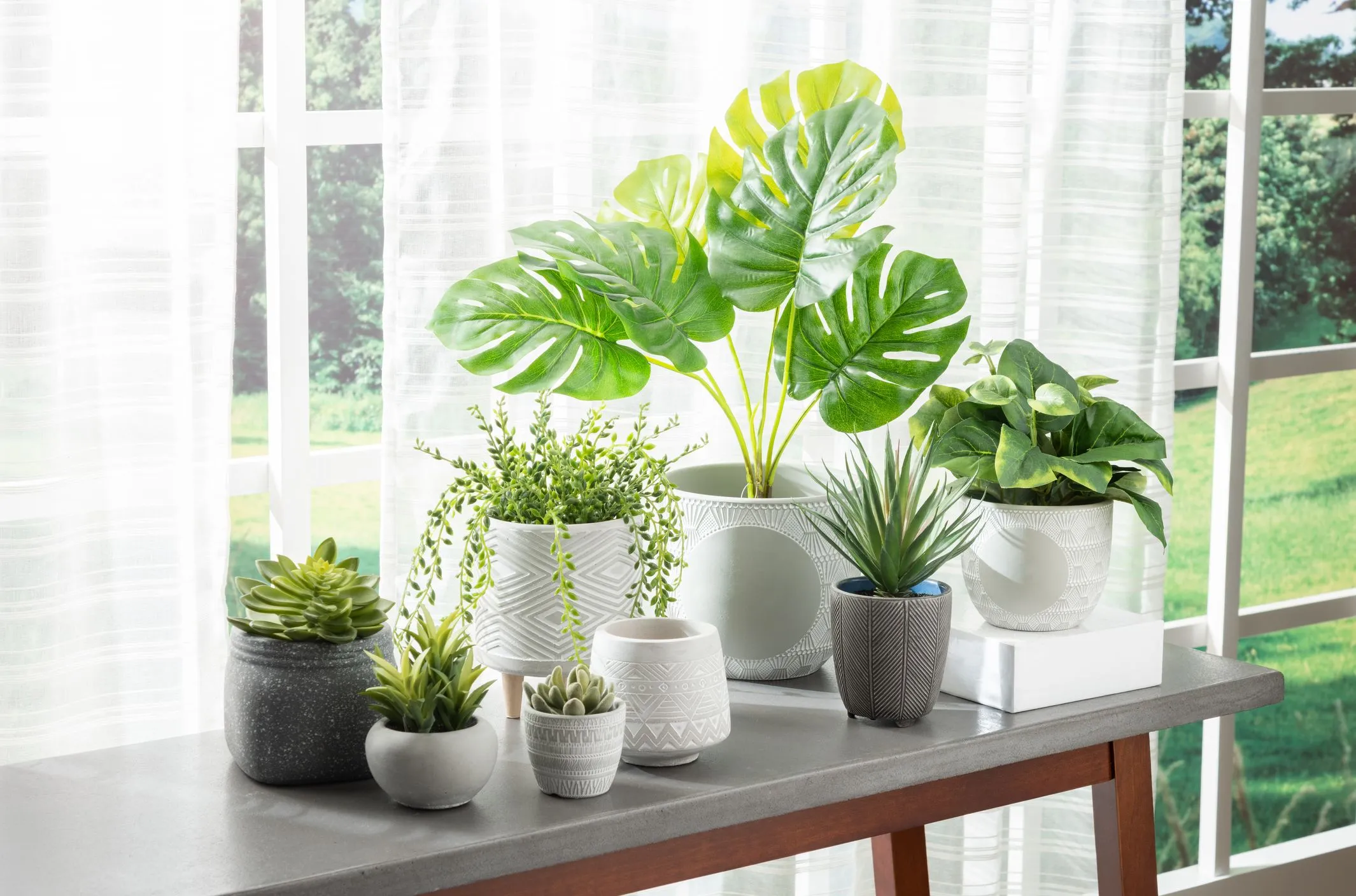
Instantly recognizable by its dramatic split leaves, the Monstera deliciosa adds a bold, tropical statement to a bedroom. It contributes to cleaner air by absorbing carbon dioxide and releasing oxygen, and its large leaves can help trap dust particles.
- Scientific Name: Monstera deliciosa
- Common Name: Swiss Cheese Plant, Split-Leaf Philodendron
- Zone: Indoor
- Light: Thrives in bright to medium indirect light. Avoid direct sun which can scorch leaves.
- Humidity: Prefers high humidity but tolerates average indoor levels.
- Water: Water when the top few inches of soil feel dry. Do not let it sit in water.
12. Rubber Plant
The Rubber Plant features striking, dark, glossy leaves that make a modern visual impact. It’s also a powerful air purifier, known for removing formaldehyde and other airborne toxins. It’s relatively easy to care for once established.
- Scientific Name: Ficus elastica
- Common Name: Rubber Plant, Rubber Tree
- Zone: Indoor
- Light: Prefers bright indirect light. Can tolerate medium light but may grow slower and have less vibrant color.
- Humidity: Tolerates average indoor humidity.
- Water: Allow the soil to dry out completely between waterings. Water less often in lower light.
 Independent living is beautiful, whether that means choosing easy-to-manage plants for your home decor or Transfer Master adjustable beds to improve your well-being.
13. ZZ Plant
For the ultimate low-maintenance plant parent, the ZZ Plant is a dream. It tolerates very low light and infrequent watering, while still working to filter benzene, toluene, ethylbenzene, and xylene from the air. It’s almost impossible to kill!
- Scientific Name: Zamioculcas zamiifolia
- Common Name: ZZ Plant, Eternity Plant
- Zone: Indoor
- Light: Extremely tolerant, from very low light to bright indirect light. Avoid direct sun.
- Humidity: Tolerates very low humidity.
- Water: Water only when the soil is completely dry. Can go weeks without water.
14. Areca Palm
Bringing a touch of the tropics with its feathery fronds, the Areca Palm is a tall, statement-making plant that excels at filtering a wide range of indoor pollutants, including formaldehyde, xylene, and toluene. It also releases a significant amount of moisture into the air.
- Scientific Name: Dypsis lutescens
- Common Name: Areca Palm, Butterfly Palm, Golden Cane Palm
- Zone: Indoor
- Light: Prefers bright, indirect light. Can tolerate medium indirect light. Avoid direct sun.
- Humidity: Prefers high humidity. Requires regular misting or grouping with other plants.
- Water: Keep soil consistently moist, but not soggy. Do not let it dry out completely.
15. Anthurium
With vibrant, heart-shaped waxy “flowers” (actually modified leaves) and dark green foliage, Anthurium adds a splash of color. It purifies the air, targeting formaldehyde, ammonia, toluene, and xylene. While it requires slightly more specific care (like higher humidity) than some others, its beauty and benefits are worth it.
- Scientific Name: Anthurium andraeanum
- Common Name: Flamingo Flower, Laceleaf
- Zone: Indoor
- Light: Prefers bright, indirect light. Avoid direct sun.
- Humidity: Requires high humidity. Mist daily or use a pebble tray.
- Water: Keep soil consistently moist, but not soggy. Allow the top inch to dry slightly between waterings.
Beyond Plants: Creating Your Ultimate Sleep Sanctuary
While air-purifying plants for bedrooms are fantastic allies for cleaner air and a calming atmosphere, creating the perfect sleep environment involves a few other elements too. Think about controlling light and sound. Blackout curtains can block disruptive outside light, while dimmable lamps or motion-sensor lights are gentle if you need to get up during the night. Consider a noise machine or earplugs if your space isn’t naturally quiet.
The foundation of great sleep is a comfortable mattress and a supportive bed frame. Ensuring your sleep setup meets your needs can make a world of difference in achieving deep, restful sleep. Surrounding yourself with items that bring comfort, peace, and health – like your new green companions – transforms your bedroom into a true sanctuary.
Bring Home Better Air with Bedroom Plants
Adding air-purifying plants for bedrooms is a simple yet powerful way to enhance your sleep environment. These natural filters work quietly to improve air quality, reduce stress, and add undeniable beauty to your space. Whether you’re a seasoned plant enthusiast or just starting your green thumb journey, there’s a perfect plant waiting to help you breathe easier and sleep more soundly. Choose one or two that catch your eye and suit your space’s light conditions, and experience the refreshing difference they can make.
Ready to transform your bedroom air and embrace the power of plants? Share your favorite bedroom plants in the comments below or discover more tips for creating a healthy home environment on Thelittle.garden!