Bringing the tranquility of nature indoors is a simple yet powerful way to create a personal sanctuary and melt away daily stress. Plants don’t just look beautiful; many offer incredible benefits, from purifying the air we breathe to emitting calming scents that soothe the mind. If you’re looking to cultivate a more peaceful atmosphere in your living space, incorporating the best plants for relaxation is a fantastic starting point.
Here’s what you’ll discover about relaxation-boosting plants:
- Certain plants actively purify your air, removing toxins and improving air quality.
- Some release oxygen at night, aiding better sleep and overall well-being.
- Aromatic plants fill your space with natural, calming fragrances.
- Simply caring for plants can be a mindful, stress-reducing activity in itself.
- Adding greenery creates a visually peaceful and inviting environment.
Ready to transform your home into a haven of calm? Let’s explore some of the best plants for relaxation that can help you de-stress and find your inner peace.
Contents
- Plants That Cultivate Calmness and Well-being
- Snake Plant (Sansevieria)
- Lavender (Lavandula)
- Peace Lily (Spathiphyllum)
- Moth Orchid (Phalaenopsis)
- Jade Plant (Crassula ovata)
- Aloe Vera
- Variegated Rubber Tree (Ficus teneke)
- Golden Pothos (Devil’s Ivy)
- Frequently Asked Questions About Relaxing Plants
- What are the best therapy plants?
- Which plant is best for anxiety?
- Create Your Calm Corner
Plants That Cultivate Calmness and Well-being
Plants have been used for centuries in various cultures for their therapeutic properties. Their ability to cleanse the air, improve humidity, and provide natural aromatherapy makes them ideal companions for promoting relaxation and reducing anxiety in our modern lives.
Snake Plant (Sansevieria)
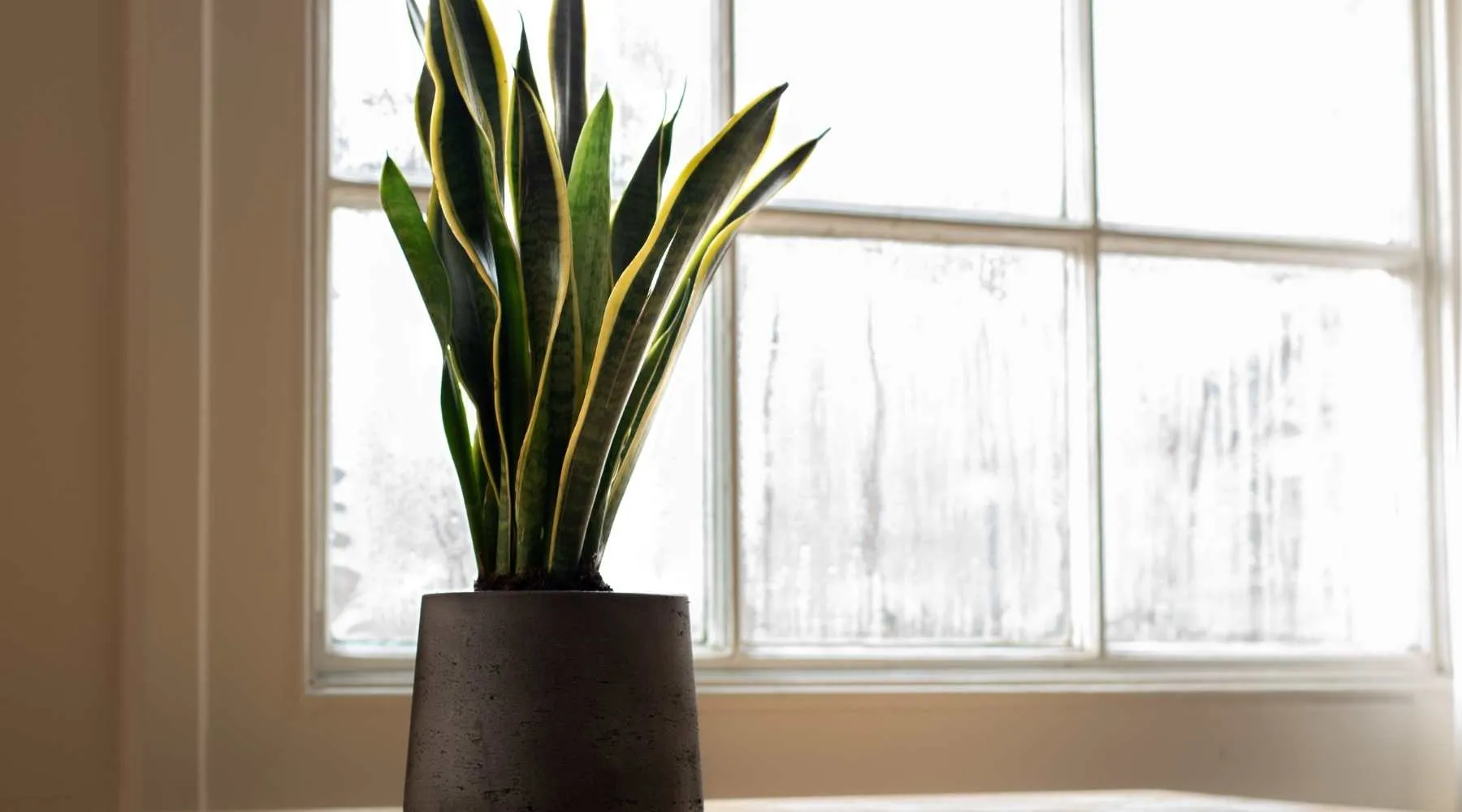
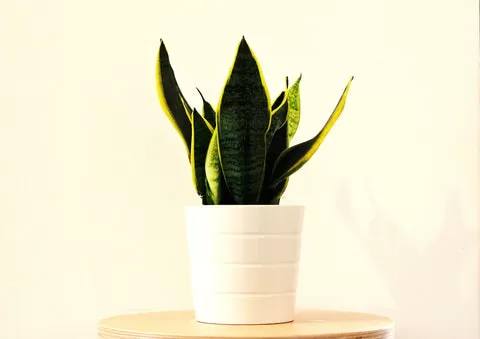
Often called “Mother-in-Law’s Tongue,” the snake plant is a truly remarkable and resilient houseplant. Unlike most plants that perform photosynthesis and release oxygen during the day, snake plants utilize a special process called CAM photosynthesis. This allows them to absorb carbon dioxide and release oxygen at night, making them excellent companions for bedrooms and spaces where you unwind in the evening.
Snake plants are celebrated for their powerful air-purifying capabilities. They are known to filter out common household toxins like formaldehyde, benzene, and xylene, contributing to fresher, cleaner air. Having cleaner air while you rest can significantly improve sleep quality and overall feelings of relaxation.
- Scientific Name: Sansevieria trifasciata (now often Dracaena trifasciata)
- Common Name(s): Snake Plant, Mother-in-Law’s Tongue
- Light: Adaptable; thrives in bright, indirect light but tolerates low-light conditions.
- Humidity: Low to average.
- Water: Low; allow soil to dry completely between waterings. Highly susceptible to root rot if overwatered.
Caring for a snake plant is incredibly simple, making it perfect even for beginner plant parents. They are drought-tolerant thanks to their succulent-like leaves, requiring watering only every few weeks, depending on light levels and temperature. Just be mindful not to overwater, as this is their main vulnerability. Their upright, architectural form also adds a touch of modern elegance to any room.
 Snake plant in a white pot being watered indoors
Lavender (Lavandula)
The unmistakable fragrance of lavender has been synonymous with calm and relaxation for generations. This beautiful flowering plant isn’t just a pretty face; its aromatic compounds, particularly linalool, are renowned for their ability to reduce stress, alleviate anxiety, and promote restful sleep.
Studies have shown that the scent of lavender can slow heart rate, lower blood pressure, and reduce levels of stress hormones. While you can enjoy lavender through essential oils, candles, or pillow sprays, having the actual plant nearby allows you to experience its natural aroma whenever the breeze stirs its leaves or you gently brush past it.
- Scientific Name: Lavandula spp.
- Common Name(s): Lavender
- Light: High; requires 6-8 hours of direct sunlight daily.
- Humidity: Low.
- Water: Moderate; prefers well-draining soil and doesn’t like sitting in water.
- Zone (Outdoor): Varies by species, typically zones 5-9.
While lavender thrives outdoors in sunny gardens, you can grow it indoors if you have a very bright, sunny windowsill or supplement with a grow light. Choose a well-draining pot and use sandy, alkaline soil. Ensure it gets plenty of airflow. Even if you can’t grow it indoors year-round, a fresh or dried bunch can fill your space with its calming scent.
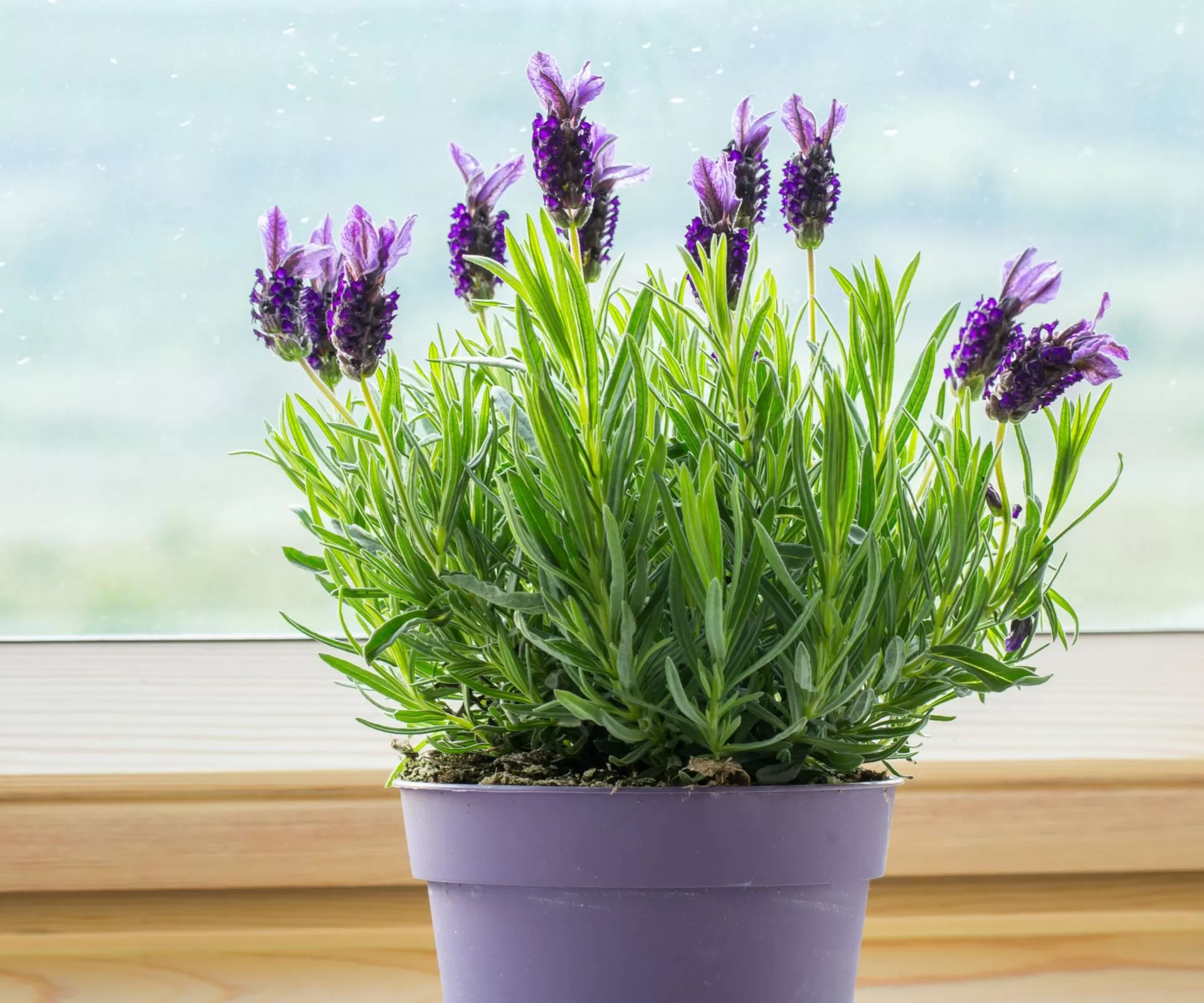 Potted lavender plant with vibrant purple flowers
Peace Lily (Spathiphyllum)
The peace lily, with its elegant white blooms and lush green foliage, is a symbol of peace and purification, making it a prime candidate for relaxation. These beautiful plants are not only visually soothing but are also highly effective at cleaning indoor air. NASA’s Clean Air Study identified the peace lily as one of the top plants for removing air pollutants, including benzene, formaldehyde, trichloroethylene, xylene, and ammonia.
Beyond air purification, peace lilies are known to increase humidity levels in a room. Higher humidity can help alleviate dry air symptoms like irritated sinuses or dry skin, contributing to a more comfortable and relaxing environment, especially beneficial for sleep.
- Scientific Name: Spathiphyllum wallisii
- Common Name(s): Peace Lily, Spathiphyllum
- Light: Low to moderate; prefers indirect light. Direct sun can scorch leaves.
- Humidity: High; benefits from misting or placement near a humidifier.
- Water: Moderate; keep soil consistently moist but not soggy. Wilting is a clear sign it needs water.
Peace lilies are relatively low-maintenance and communicate their needs clearly – their leaves droop dramatically when thirsty, perking back up quickly after watering. This direct feedback loop can even be a satisfying part of the plant care routine. Place them in a spot away from direct sunlight, and enjoy their calming presence and air-cleansing benefits.
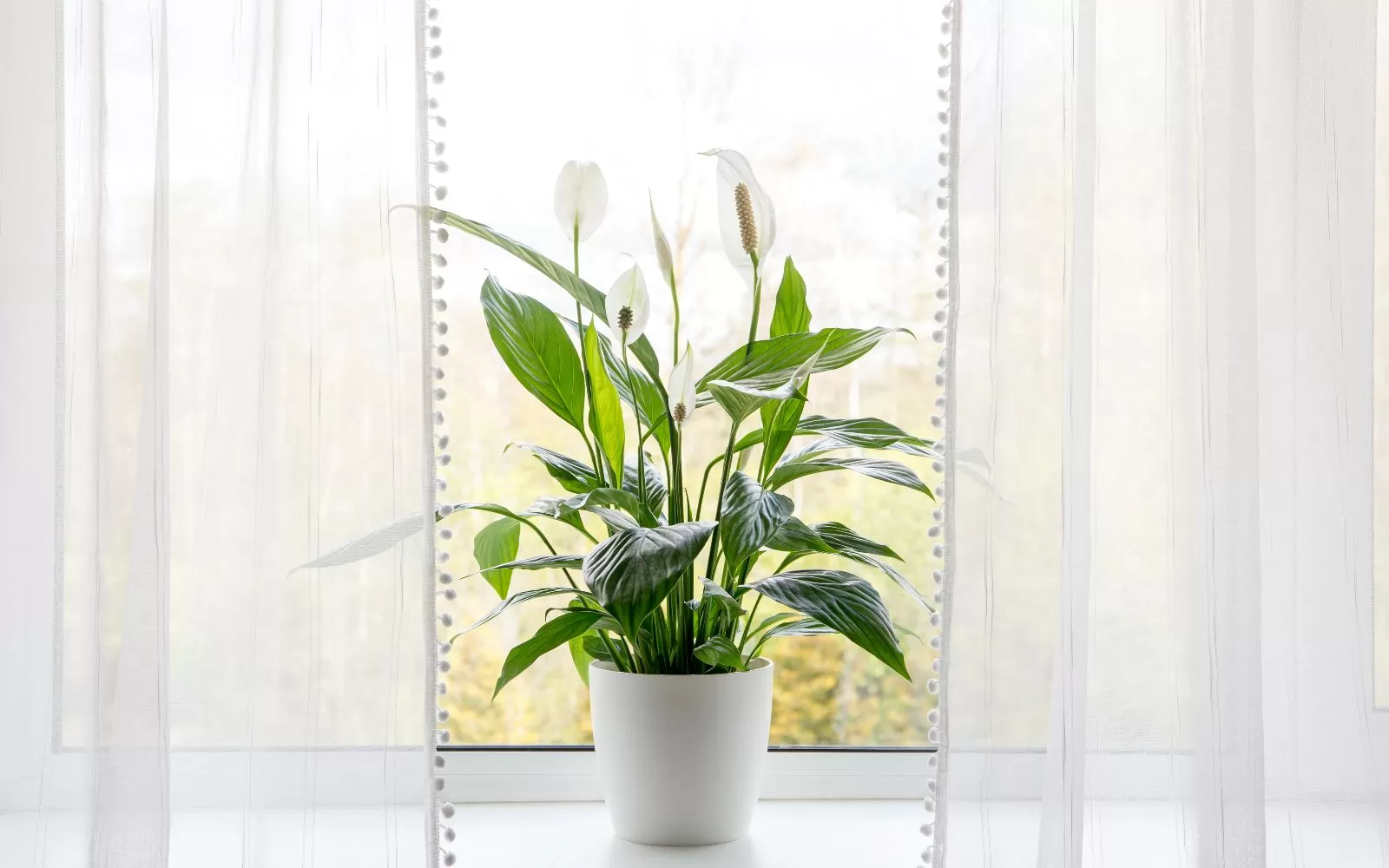 Lush peace lily plant with white flowers indoors
Moth Orchid (Phalaenopsis)
Often seen gracing tabletops in serene spaces like spas and high-end hotels, moth orchids exude an air of calm sophistication. Their elegant, long-lasting blooms and graceful form contribute to a peaceful aesthetic in any room. Orchids, in general, are associated with beauty, luxury, and strength, and simply having something so exquisitely beautiful in your home can be a source of quiet pleasure and relaxation.
While they aren’t known for air purification or strong scents (most Phalaenopsis varieties have very subtle or no fragrance), their visual appeal and the focused attention required for their specific care can be a form of mindful activity. Successfully nurturing an orchid and witnessing its beautiful blooms return can be incredibly rewarding and stress-reducing.
- Scientific Name: Phalaenopsis spp.
- Common Name(s): Moth Orchid
- Light: Moderate to bright, indirect light. Avoid direct sun.
- Humidity: High; ideally 50-70%. Benefits from pebble trays or humidifiers.
- Water: Moderate; water when potting mix is nearly dry. Typically weekly, less in winter. Use orchid-specific bark mix, not soil.
Moth orchids are often perceived as difficult, but once you understand their needs (indirect light, high humidity, specific watering), they can be surprisingly resilient and bloom for months. Their presence adds an element of understated elegance and natural beauty that promotes a sense of calm.
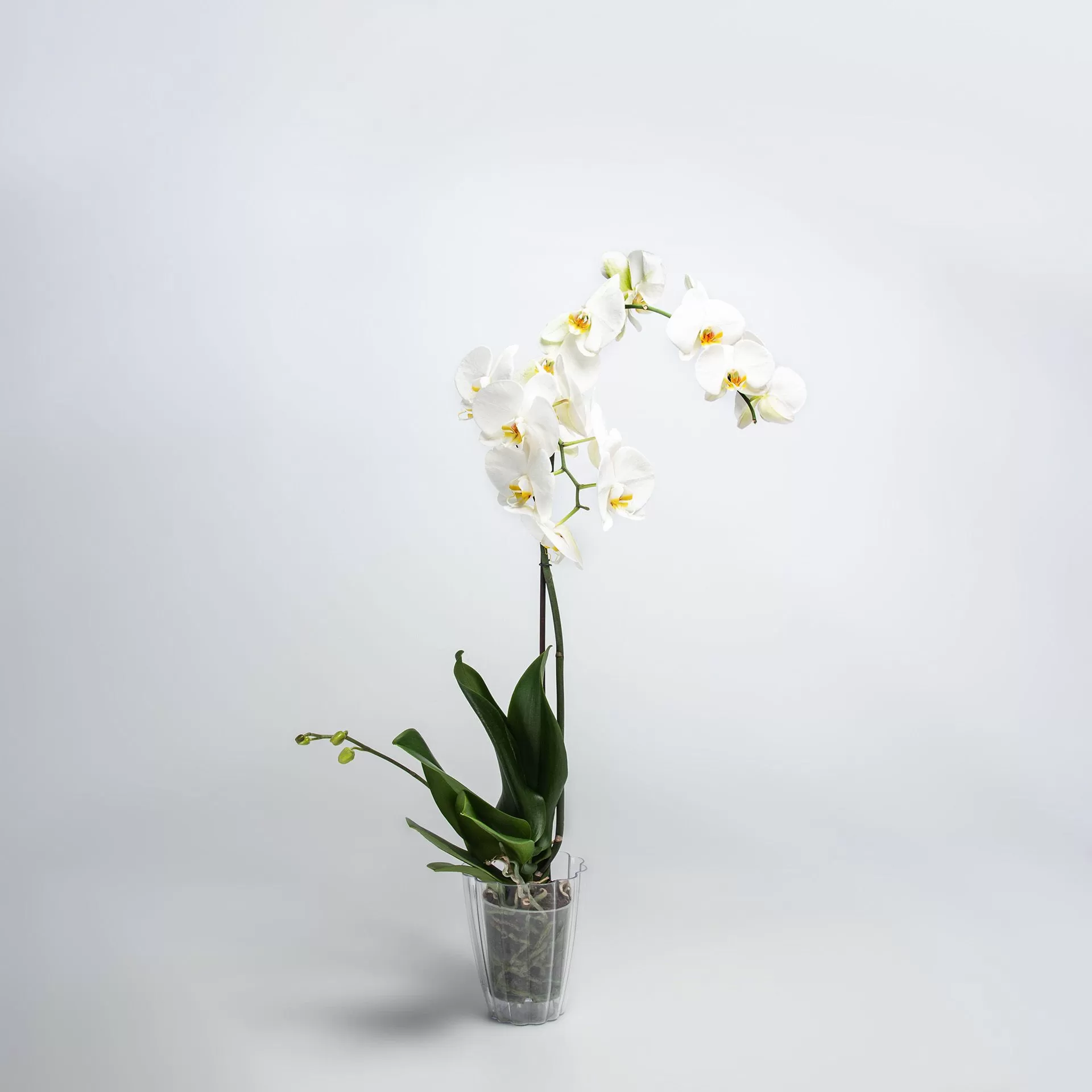 White moth orchid in a simple pot
Jade Plant (Crassula ovata)
The jade plant, sometimes called the “Money Tree” or “Lucky Plant,” is a popular succulent cherished for its plump, coin-like leaves and its reputation for bringing good fortune and prosperity. Beyond folklore, the jade plant is another contender in the list of plants that release oxygen at night through CAM photosynthesis, potentially contributing to better air quality in your resting spaces.
Caring for a jade plant is wonderfully easy, making it a stress-free addition to your home. Its succulent nature means it stores water in its leaves and stems, allowing it to tolerate infrequent watering.
- Scientific Name: Crassula ovata
- Common Name(s): Jade Plant, Money Tree, Lucky Plant
- Light: Bright, direct light is preferred for compact growth, but tolerates bright, indirect light.
- Humidity: Low to average.
- Water: Low; allow soil to dry completely between waterings.
- Zone (Outdoor): 10-11.
A happy jade plant is a low-fuss companion that asks for little but provides potential air benefits and a touch of cheerful green. Placing it on a sunny windowsill or a bright shelf will keep it thriving. Its slow growth and simple needs make it a truly relaxing plant to care for.
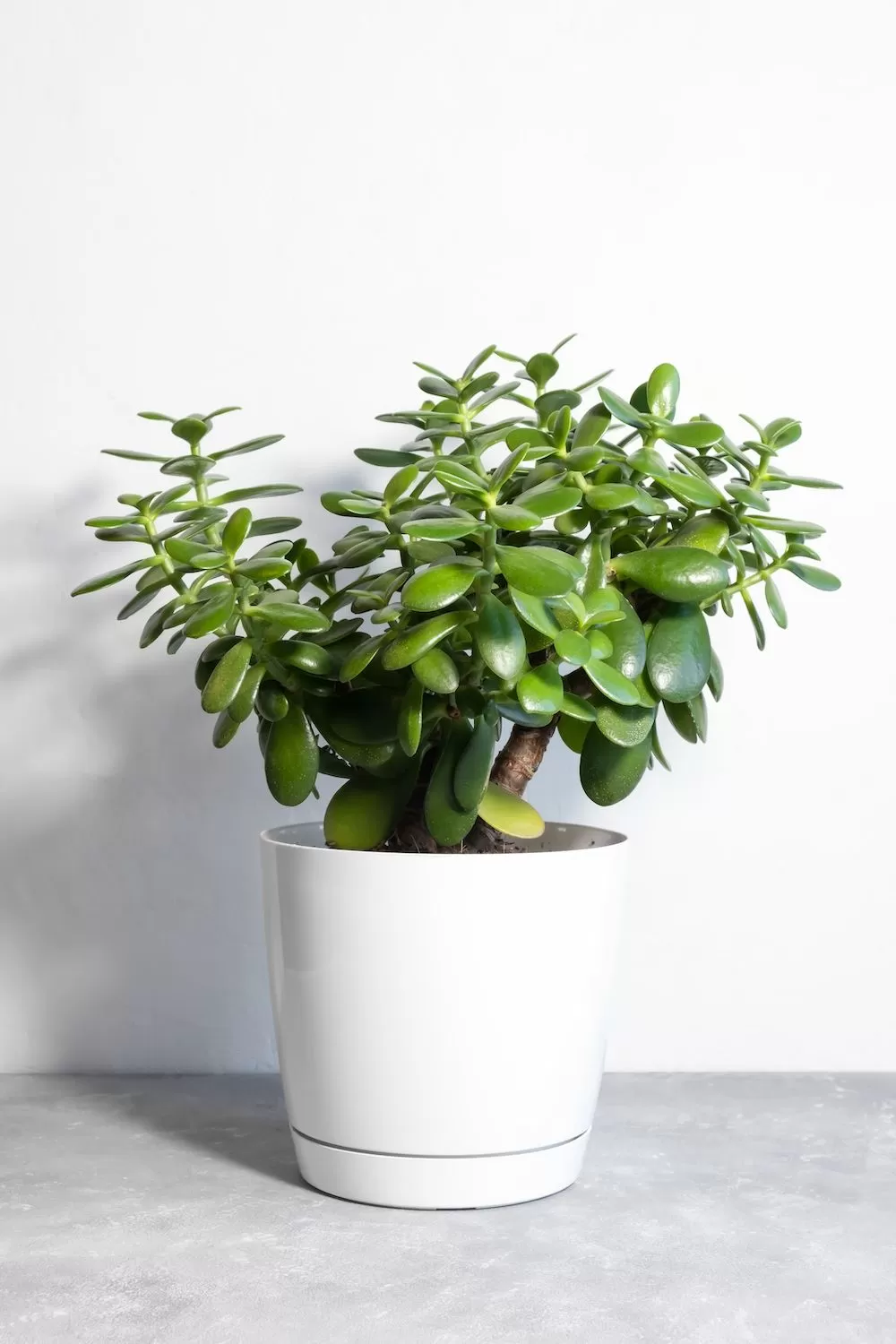 Healthy jade plant in a white pot
Aloe Vera
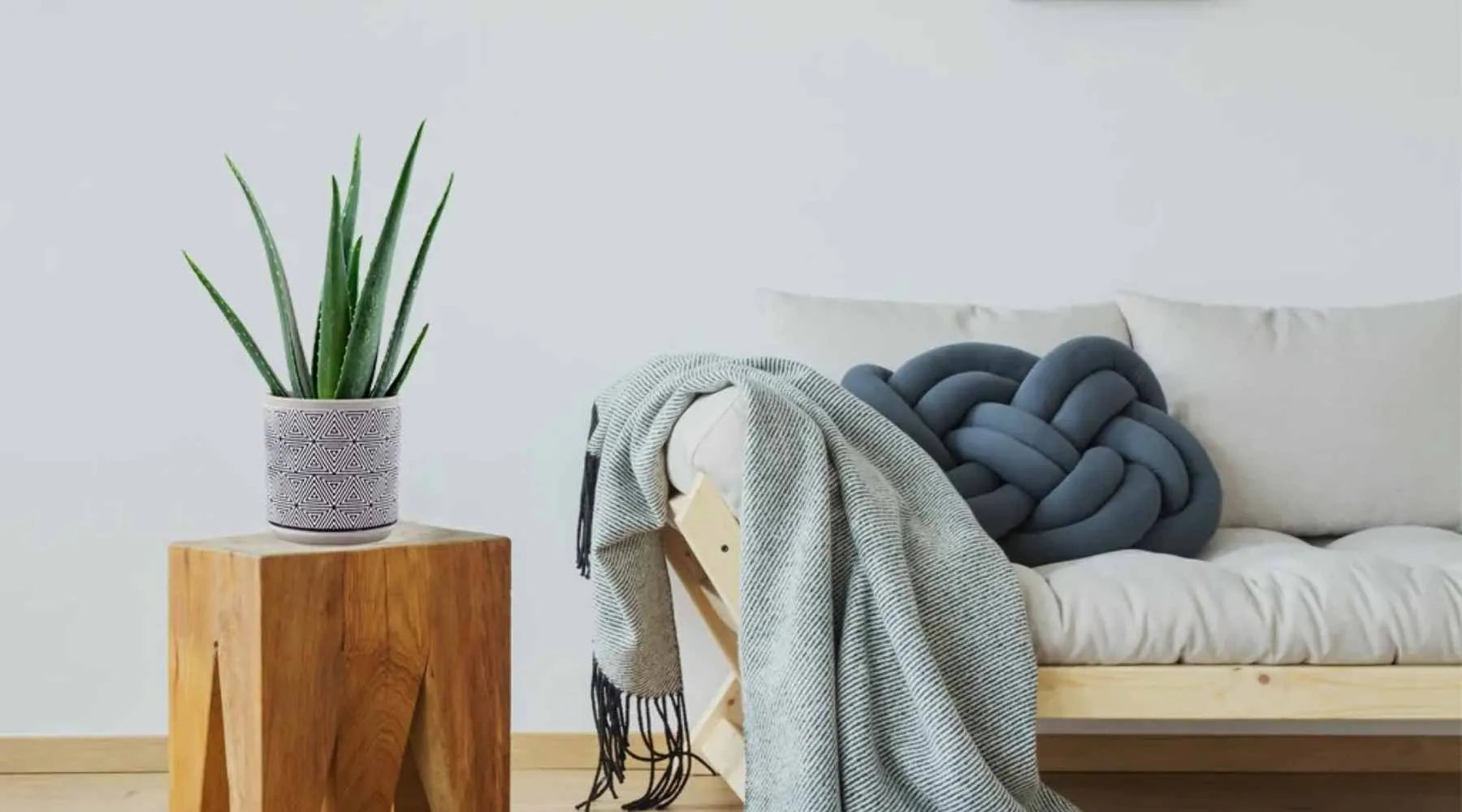
Well-known for the soothing gel found within its fleshy leaves, the aloe vera plant is a staple in many homes for its medicinal uses. But this spiky succulent offers more than just burn relief; it’s also another plant that releases oxygen at night, improving air quality while you sleep.
Like snake plants and jade plants, aloe vera is incredibly low-maintenance and drought-tolerant, making it ideal for busy individuals or those new to plant care. Its architectural form adds a unique visual element to your decor.
- Scientific Name: Aloe barbadensis miller
- Common Name(s): Aloe Vera
- Light: Bright, indirect light is best, but can tolerate lower light conditions.
- Humidity: Low to average.
- Water: Low; allow soil to dry completely between waterings. Water infrequently, especially in winter.
- Zone (Outdoor): 10-11.
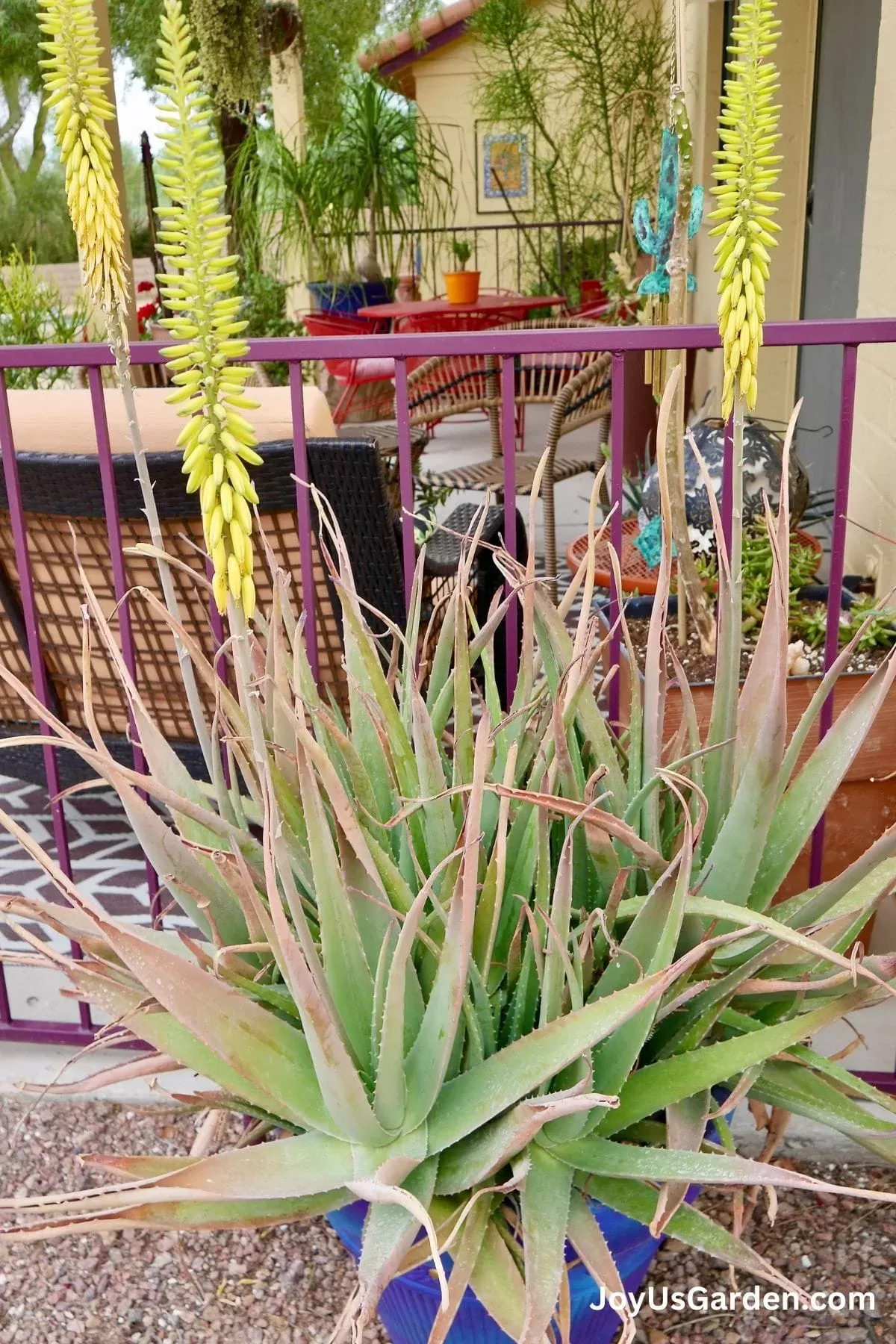
Aloe vera thrives on neglect, as long as it gets sufficient light and isn’t overwatered. Its robust nature and air-purifying qualities contribute to a feeling of well-being and ease in your home environment.
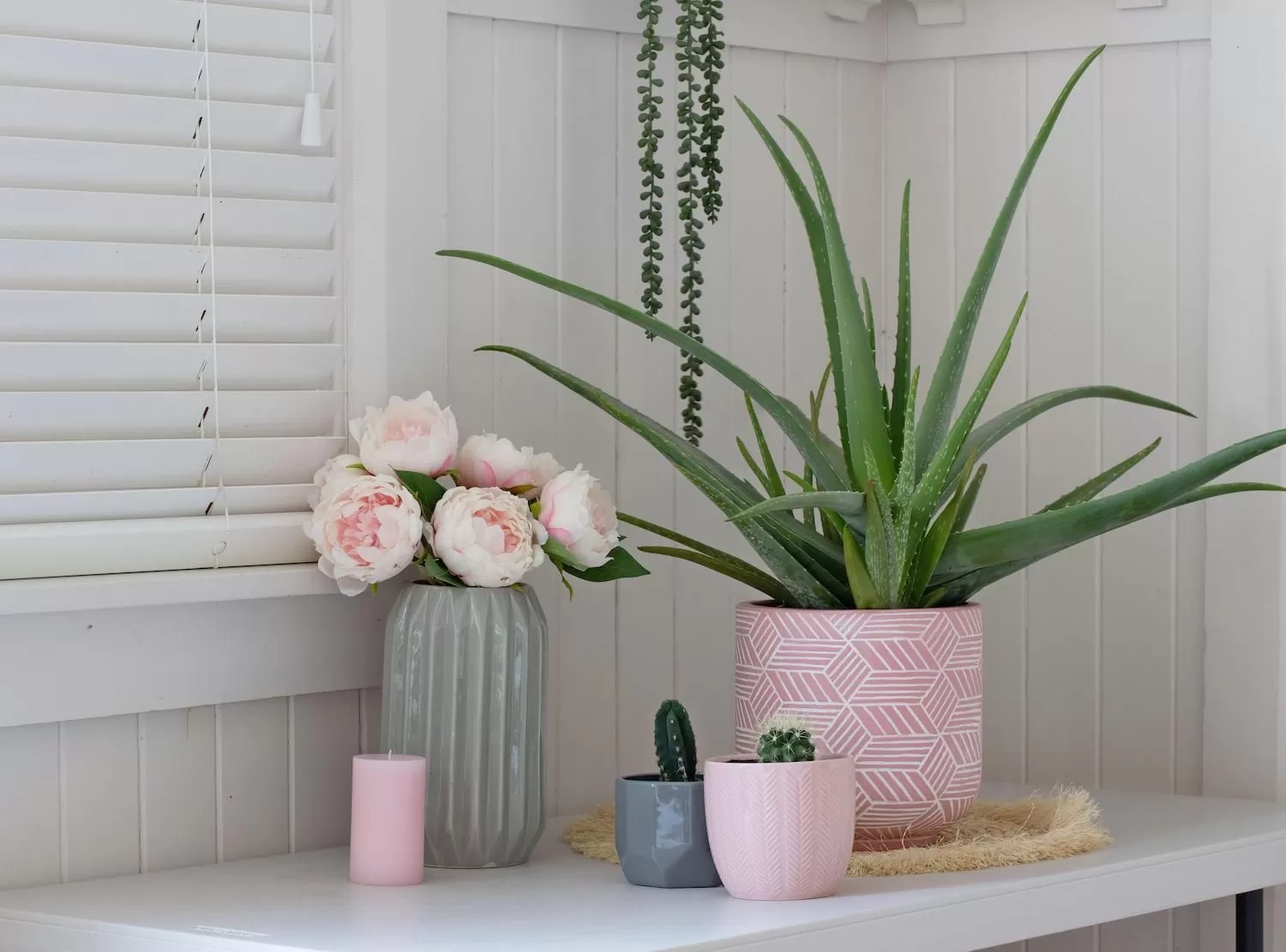 Potted aloe vera plant with tall, spiky leaves
Variegated Rubber Tree (Ficus teneke)
The rubber tree (Ficus elastica) is a popular indoor tree known for its large, glossy leaves and air-purifying abilities. The variegated variety, Ficus teneke, offers the same benefits with the added visual interest of striking patterns in shades of cream, pink, and green on its leaves. This beautiful foliage can add a pop of color and life to a room, contributing to a more vibrant yet calming atmosphere.
Like its non-variegated cousin, the variegated rubber tree is effective at filtering air pollutants. Its size can range from a small tabletop plant to a significant indoor tree, allowing you to choose a size that fits your space and contributes to the desired level of ‘bringing the outdoors in.’
- Scientific Name: Ficus elastica ‘Tineke’ (often listed as Ficus teneke)
- Common Name(s): Variegated Rubber Tree, Rubber Fig ‘Tineke’
- Light: Bright, indirect light is crucial to maintain variegation. Tolerates medium light but may lose color.
- Humidity: Moderate to high; appreciates occasional misting.
- Water: Moderate; water when the top inch or two of soil is dry. Avoid soggy soil.
Caring for a variegated rubber tree is relatively straightforward. They prefer consistent conditions and dislike being moved frequently. Their striking appearance and air-cleansing properties make them a wonderful addition to a living space where you seek relaxation and a connection to nature.
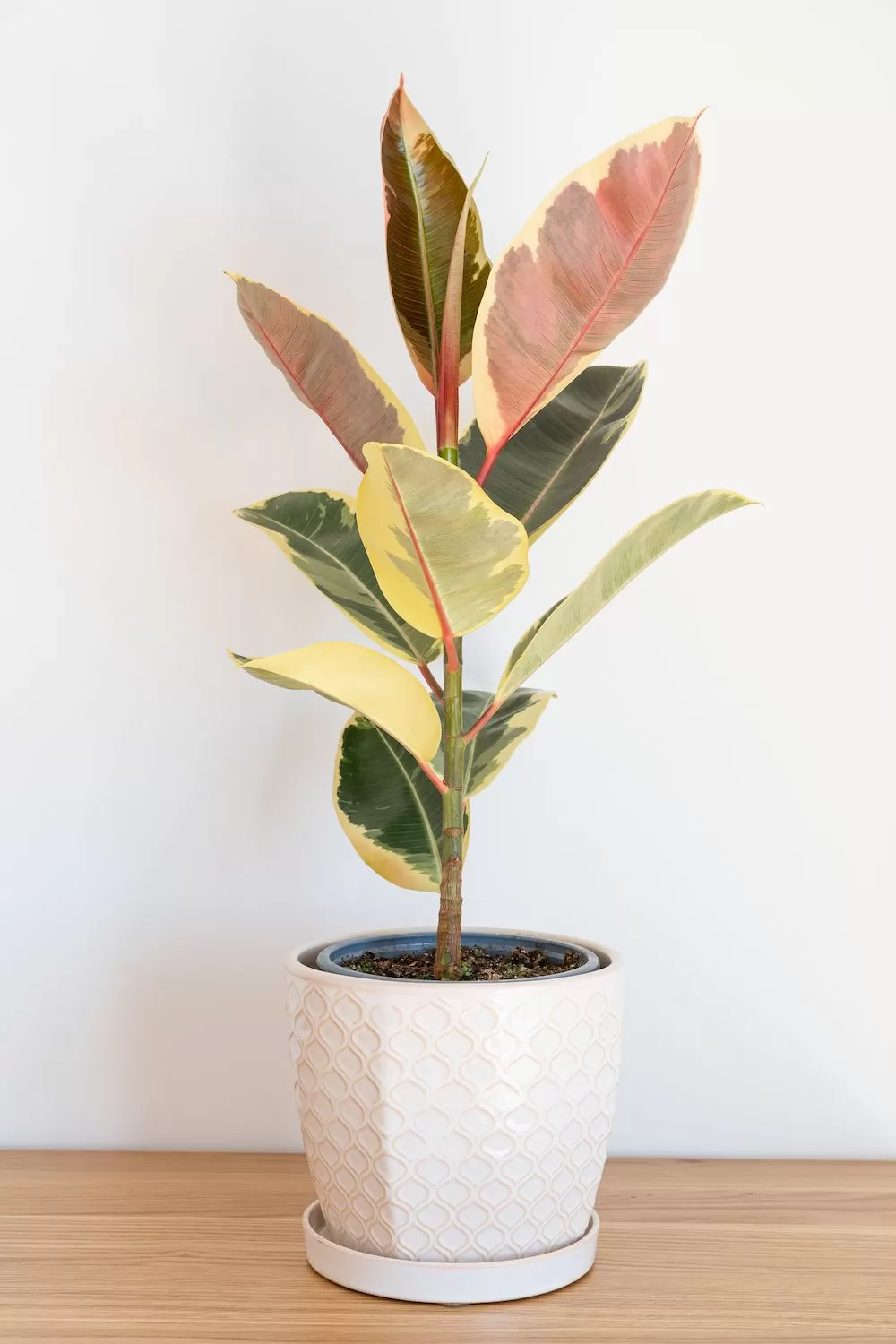 Variegated rubber tree with pink, green, and cream leaves
Golden Pothos (Devil’s Ivy)
Golden Pothos is one of the easiest houseplants to grow and one of the most rewarding due to its rapid, trailing growth. While it doesn’t offer the night-time oxygen boost of some succulents, its lush foliage and cascading vines create a feeling of abundance and natural immersion. Filling a space with vibrant greenery has been proven to reduce mental fatigue and stress, fostering a sense of calm and connection to the natural world.
Golden Pothos is incredibly forgiving and can tolerate a wide range of conditions, making it a great choice for beginners. Its ability to thrive and grow quickly provides a sense of accomplishment and joy, contributing to overall well-being.
- Scientific Name: Epipremnum aureum
- Common Name(s): Golden Pothos, Devil’s Ivy, Money Plant
- Light: Low to bright, indirect light. Variegation is best in brighter light.
- Humidity: Low to high. Adaptable.
- Water: Low to moderate; allow the top few inches of soil to dry out between waterings.
Hang a Golden Pothos in a basket or place it on a shelf where its vines can trail downwards. Its vibrant green and yellow leaves and easy-going nature make it a simple yet effective plant for creating a relaxing, jungle-like oasis in your home.
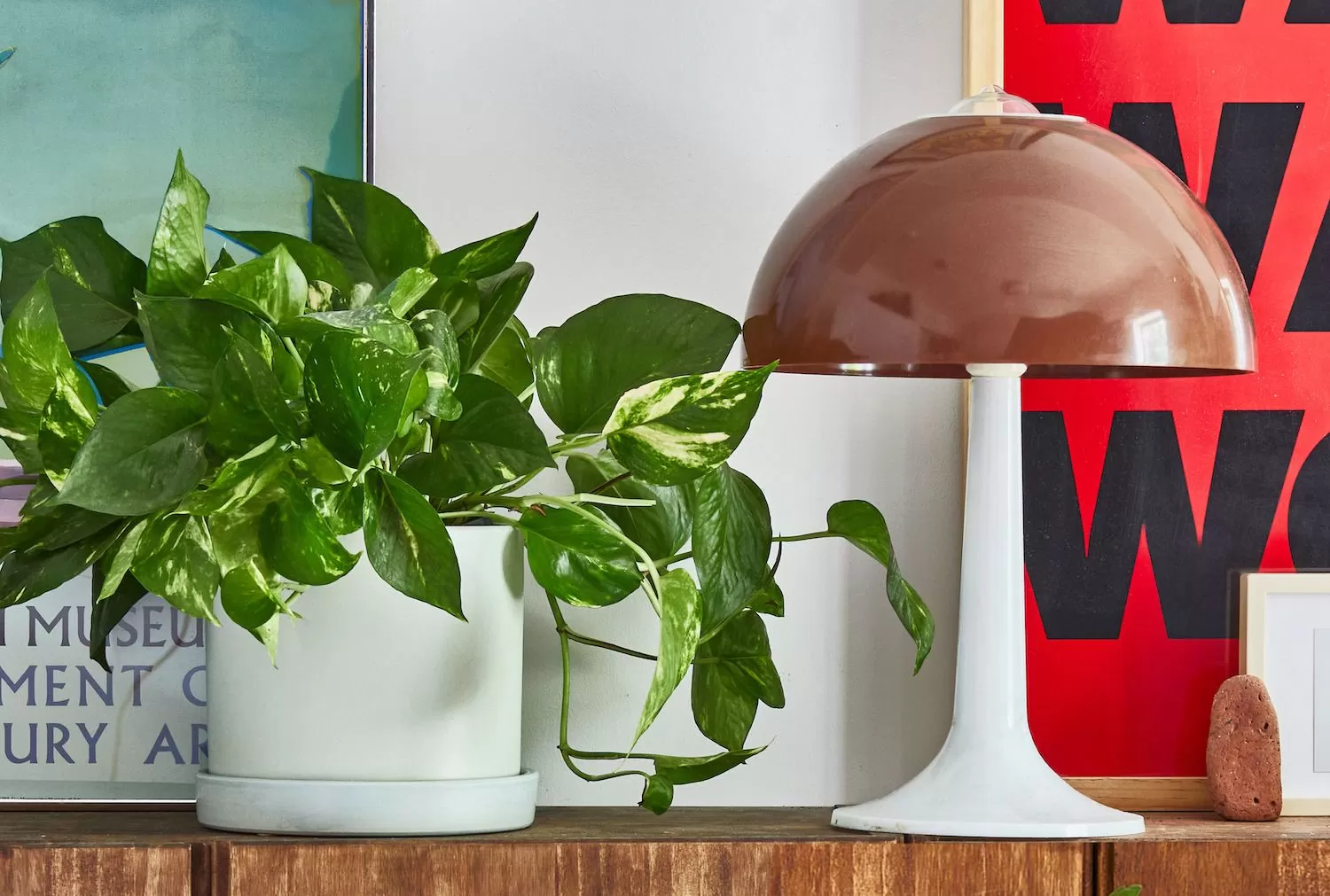 Golden Pothos plant with trailing vines over a shelf
Frequently Asked Questions About Relaxing Plants
What are the best therapy plants?
Plants used in therapy often focus on their aromatic qualities or their ability to engage you in a calming activity (like care). Aromatic plants like lavender, chamomile, rosemary, lemon balm, and even certain types of pine or eucalyptus are known for their soothing scents used in aromatherapy. Plants that are easy to care for or have unique textures can also be therapeutic through the act of nurturing them.
Which plant is best for anxiety?
Lavender is widely regarded as one of the best plants for anxiety due to its scientifically-backed calming fragrance. Keeping a lavender plant in a sunny spot, using dried lavender, or using lavender essential oil can all help reduce feelings of stress and anxiety. The simple act of caring for any plant can also be a form of mindfulness and stress reduction, making many plants beneficial for mental well-being.
Create Your Calm Corner
Incorporating the best plants for relaxation into your home is a simple yet profound way to enhance your well-being. Whether you choose plants that purify the air, offer soothing scents, or simply provide a beautiful, calming presence, you’re investing in your personal sanctuary. Start small, find plants that resonate with you, and enjoy the peaceful atmosphere they help create.
Have you experienced the calming effect of plants in your home? Share your favorite relaxation-boosting plants in the comments below! Looking for more ways to use plants to improve your space? Explore other articles on Thelittle.garden for tips and inspiration.