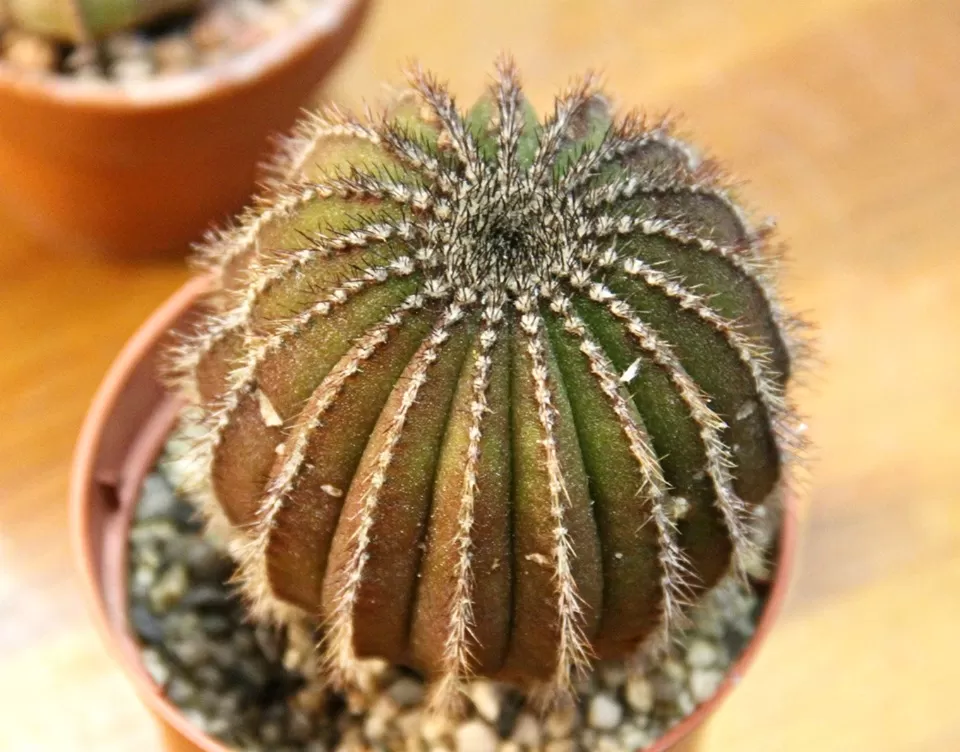
Close-up of a Uebelmannia pectinifera cactus showcasing its ribbed structure and spines.
The world of cacti and succulents is vast and fascinating, full of unique shapes, textures, and surprising blooms. While many common varieties are relatively forgiving, the allure of rare cactus types often captivates enthusiasts looking for a greater challenge and reward. These unusual specimens, hailing from diverse and often harsh environments, have specific needs that must be met to ensure they thrive. At the top of this list is the substrate they grow in – the soil. Getting the soil wrong is one of the most common reasons rare cacti fail to flourish. So, what exactly constitutes the Best Soil Mix for Rare Cactus Types? It’s less about finding a single magic formula and more about understanding the fundamental principles that mimic their native conditions. Join us as we dig into the secrets of creating the perfect foundation for your prized prickly pals.
Imagine a rare cactus growing in its natural habitat – perhaps a rocky mountainside, a gravelly plain, or even tucked into a crevice. These aren’t rich, loamy environments like a forest floor. They are places where water drains away almost instantly, where roots can breathe, and where nutrients are scarce. Standard potting soil, designed for leafy plants that need consistent moisture, is the equivalent of a death sentence for most cacti, especially sensitive rare ones.
The primary function of the soil for a rare cactus is not to hold water, but to provide anchorage and allow water to pass through rapidly. This rapid drainage prevents the roots from sitting in soggy conditions, which inevitably leads to root rot – the number one killer of cacti in cultivation. Beyond drainage, good soil provides essential aeration, allowing oxygen to reach the roots, and offers minimal nutrients, encouraging the plant to develop a strong root system as it searches for resources.
Creating the ideal mix means combining materials that offer structure, drainage, and minimal organic matter. Forget the bags of “cactus and succulent mix” from big box stores – while better than standard potting soil, they often still retain too much moisture for truly rare or sensitive species. Crafting your own mix allows you to fine-tune the properties.
This is where you’ll focus the majority of your mix. These components create the essential air pockets and pathways for water.
Keep this part to a minimum. Its purpose is just to provide a tiny bit of structure and negligible nutrients.
A very small amount of a quality base mix can be included.
It’s worth reiterating: the space between the particles in your mix is as important as the particles themselves. Coarse, irregularly shaped materials create these crucial air pockets, preventing compaction and ensuring roots get oxygen.
While exact ratios can vary depending on the specific cactus species and your local climate (more humidity might require even more drainage), a general starting point for many rare cacti is a mix that is 70-90% inorganic drainage material and 10-30% organic/base material.
For example, a simple, effective mix could be:
This ratio ensures rapid drainage and excellent aeration. But to really understand the specifics, let’s look at a fascinating example of a rare cactus group known for its particular needs.
Uebelmannia cacti are a captivating group native to the rocky, higher altitude regions of Brazil. Their unique appearance, often featuring striking ribs and coloration ranging from green-grey to deep purple, makes them highly sought after by collectors. However, they are also known for being less forgiving than many other cacti, especially when it comes to their roots and soil.
Here’s a quick look at their general needs:
Given their native environment and sensitivity, the best soil mix for rare cactus types like Uebelmannia focuses heavily on drainage and aeration, with a slight preference for a lower pH. Experienced growers often recommend a mix that includes generous portions of inorganic material. A well-regarded blend often consists of roughly equal parts loam (or a quality potting mix), grit, and sharp horticultural sand. This specific combination provides the sharp drainage and aeration crucial for Uebelmannia’s sensitive root system.
They also thrive in soil with a slightly lower pH (below 7.5 pH). This can be challenging with typical tap water or soil components. Using rainwater or slightly acidified water can help maintain the desired pH. Interestingly, if your Uebelmannia is grafted onto a more robust rootstock, it may be more tolerant of higher soil pH due to the resilience of the understock’s roots.
Choosing the right soil mix is just the first step. How you use it is equally important.
Mistakes are part of the learning process, but being aware of common issues related to soil can save your rare cacti.
Cultivating rare cactus types is a rewarding endeavor that connects us to the incredible diversity of the plant world. Mastering the soil mix is a crucial step in providing these unique plants with the conditions they need to not just survive, but truly thrive. By focusing on excellent drainage, ample aeration, and minimal organic matter, you can create a substrate that mimics their arid native homes. Using examples like the Uebelmannia helps illustrate how these principles are applied to meet the specific needs of different rare species.
Don’t be afraid to experiment slightly to find the mix that works best for your plants and your environment. Observing your cacti and how they respond to your watering and soil will be your best guide.
What’s your go-to soil mix for your rare cacti? Share your tips and experiences in the comments below! If you found this guide helpful, please share it with fellow plant enthusiasts. And be sure to explore more articles on Thelittle.garden for more tips on nurturing your green collection.
Here's how implementing no-dig techniques can transform your container gardening: Build Richer Soil: Layers of…
Healthy soil is teeming with beneficial microbes that act as a natural defense system for…
Transform your patio into a vibrant, wildlife-friendly oasis. Discover how to create beautiful, low-maintenance container…
Unlock the secret to a beautiful, resilient garden with Sedum & Yarrow blends. Discover why…
Beat the Heat: Discover resilient perennials that thrive in containers during the hottest summer months,…
Variegated Pothos, like the Golden Pothos and Marble Queen, are stunning, easy-care houseplants perfect for…