Succulents are beloved for their low-maintenance charm and unique textures, but even these hardy plants can send out distress signals. If you’ve noticed your succulent’s leaves starting to curl, it’s like your little plant friend is trying to tell you something isn’t quite right. Don’t panic! Curling leaves are a common issue, and understanding the cause is the first step to bringing your plant back to vibrant health. Let’s decode the top succulent leaf curling reasons together and get those leaves looking perky again.
Here are the key takeaways for understanding why your succulent leaves are curling:
- Leaf texture helps distinguish between overwatering (soft, translucent) and underwatering (dry, brittle).
- Excessive direct sunlight can cause leaves to curl inward and develop crispy tips.
- Pests like mealybugs or spider mites can sap leaves of moisture, leading to curling.
- Poor soil health or drainage can prevent roots from properly absorbing water.
- Knowing these signs empowers you to adjust care routines and prevent future curling.
Watering Woes: Finding the Right Balance
Watering is perhaps the most common culprit behind unhappy succulents, and it can manifest in opposite ways with similar results – curled leaves. Getting the balance right is key to their survival and leaf health.
Signs You’re Giving Too Much Love (Overwatering)
Succulent leaves that are soft, mushy, or even a bit translucent like they’ve been boiled are often drowning. This is a classic sign of overwatering. The leaves might feel bloated and lose their firm structure, sometimes curling downwards or outwards as they become waterlogged.
A more serious consequence of overwatering is root rot, which can silently creep up on your plant. Symptoms include yellowing leaves and a stem base that feels soft or mushy instead of firm. If the base of the plant feels like a squishy avocado, it’s a major red flag that excess moisture is present and potentially fatal.
Signs You’re Not Giving Enough Love (Underwatering)
On the flip side, a thirsty succulent will often curl its leaves inward as it tries to conserve moisture. The leaves might also appear dry, wrinkled, or shriveled, and the edges can become crispy. If the soil in the pot is bone dry and the pot feels surprisingly light, your succulent is definitely craving a drink.
Don’t wait until the leaves are severely shriveled or the plant looks completely droopy. These are clear signs that your watering schedule needs immediate attention. Think of inward curling as your plant cupping its leaves to shield itself from drought.
Achieving the Perfect Watering Act
The secret to a happy succulent lies in thoughtful watering, not rigid scheduling. Always check the soil moisture before watering. Stick your finger about an inch or two into the soil. If it feels dry at that depth, it’s usually time to water thoroughly until water drains from the bottom. If it still feels moist, hold off.
Crucially, ensure your pot has drainage holes! Succulents despise sitting in standing water. A pot without drainage is a guaranteed recipe for root rot. Develop a habit of checking soil dryness regularly, rather than watering on a fixed calendar date, as environmental factors like temperature and humidity change.
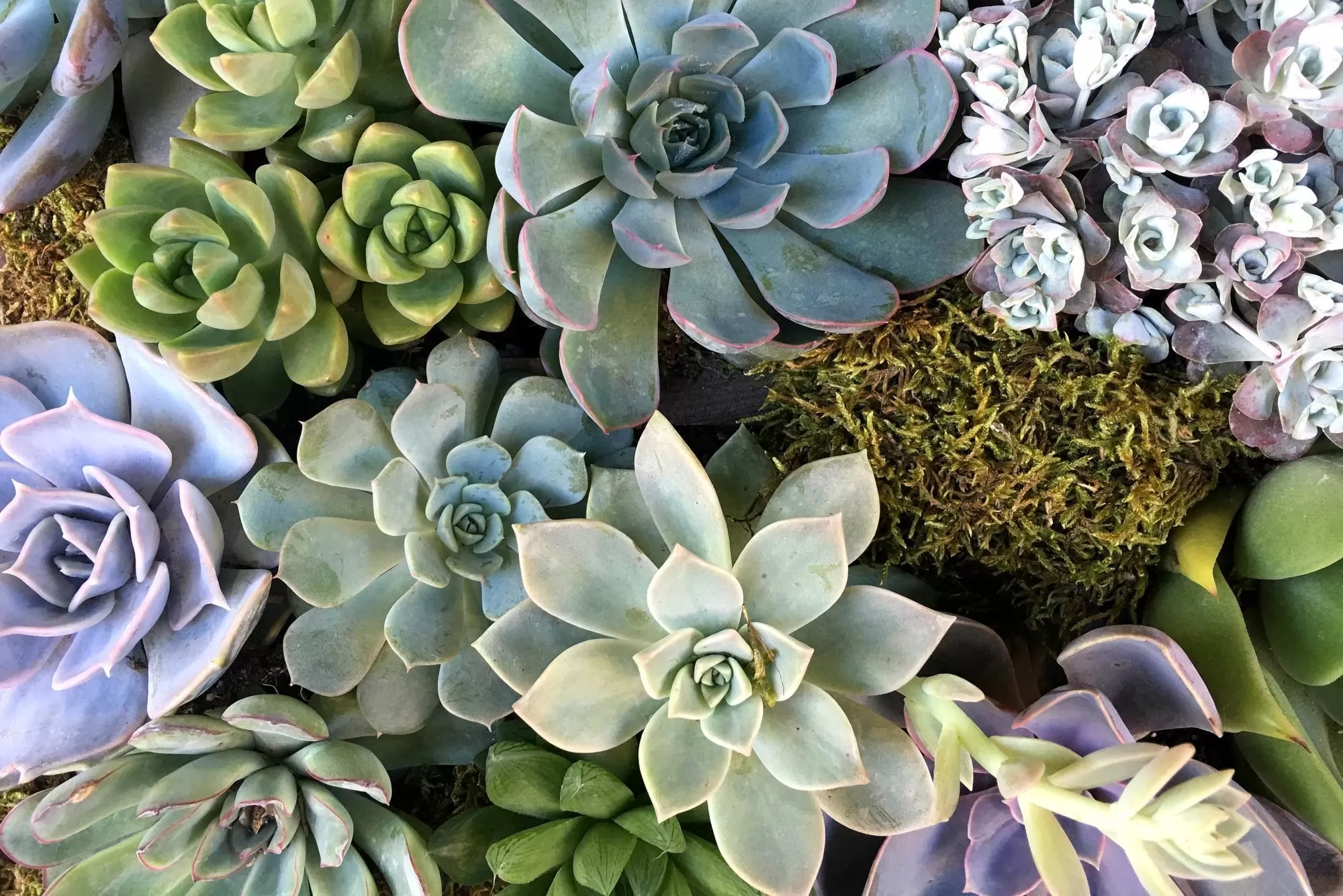
 Assorted healthy succulents in a garden setting, well-lit and vibrant green.
Too Much Sun or Heat: When Light Becomes Stressful
Succulents are sun-worshippers, but even they have their limits. Excessive direct sunlight, especially during the hottest part of the day or during a heatwave, can cause stress that leads to leaf curling.
The Sunburn Story
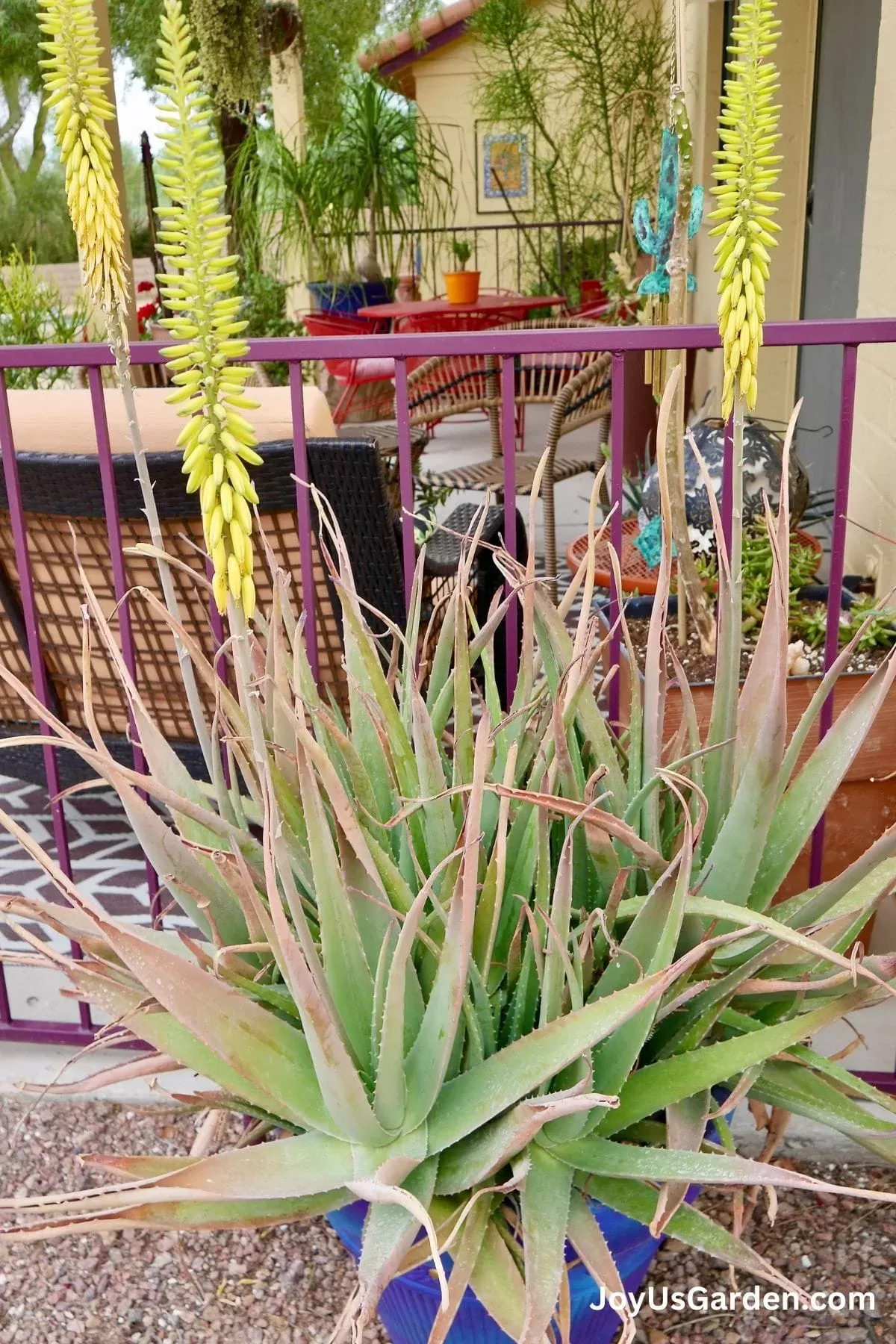
If your succulent’s leaves are curling inwards, becoming warm to the touch, or showing crispy brown tips, they might be getting sunburned. The plant curls its leaves as a defense mechanism to reduce the surface area exposed to intense light and heat, attempting to protect its core.
Keeping Your Succulent Cool and Content
If intense sun is the issue, adjust your succulent’s light exposure. Move the plant to a spot that receives bright, indirect light, or place it where it gets morning sun but is shielded from harsh afternoon rays. A sheer curtain can also help filter strong sunlight if moving isn’t an option.
Maintaining stable temperatures is also helpful. Avoid placing succulents near drafty windows, heating vents, or air conditioners, as rapid temperature fluctuations can stress the plant. Creating a slightly cooler “chill zone” during peak heat can make a big difference.
 Close-up of various healthy succulents in a decorative ceramic pot.
Pesky Invaders: Pests and Diseases
Sometimes, the reason behind curling leaves isn’t about light or water, but tiny unwelcome guests or fungal issues. Pests and diseases can weaken a succulent, causing its leaves to contort.
Identifying the Tiny Troublemakers
Mealybugs, those little cotton-like fuzzy spots, and spider mites, often indicated by fine webbing, are common culprits. They feed on plant sap, essentially sucking the life out of the leaves, which can lead to distorted and curled growth.
Fungal problems, such as powdery mildew (a white, powdery coating) or various forms of rot, can also cause leaves to discolor, become misshapen, and curl as the tissue is damaged.
Tactics to Fight Back
Immediate Action
If you spot pests, the first step is crucial: isolate the affected succulent immediately to prevent them from spreading to your other plants. For mealybugs and spider mites, a strong blast of water from a hose can physically remove many of them.
Natural and Organic Solutions
Organic treatments are your friend. Neem oil and insecticidal soap are effective against many common succulent pests. Apply them carefully according to instructions, ensuring you cover all parts of the plant where pests might hide. Introducing beneficial insects like ladybugs can also help keep aphid populations in check.
Prevention is the Best Medicine
Keeping your succulents clean is a simple but effective preventive measure. Wipe down leaves gently with a damp cloth to remove dust and potential pests. Good air circulation around your plants helps deter fungal diseases. Make regular inspections a routine part of your succulent care – the earlier you spot a problem, the easier it is to treat.
The Right Foundation: Soil and Repotting
Even perfect watering, light, and pest control won’t help if your succulent is growing in unsuitable soil or is root-bound. The foundation your succulent sits in plays a vital role in its overall health and preventing issues like leaf curling.
Your Soil’s Health Check-Up
Succulents need fast-draining soil. If your soil is compacted, holds onto moisture for too long, or is so old it’s lost its structure and nutrients, it can hinder root function and lead to unhappy leaves. Soil that stays soggy prevents roots from breathing and can encourage rot, while soil that dries out instantly might not be absorbing water properly when you do water.
Refreshing the soil annually or every two years provides a nutrient boost and prevents the build-up of pathogens. A healthy soil mix, typically a succulent or cactus mix amended with perlite or pumice, allows roots to thrive and properly absorb water and nutrients.
When and How to Repot Right
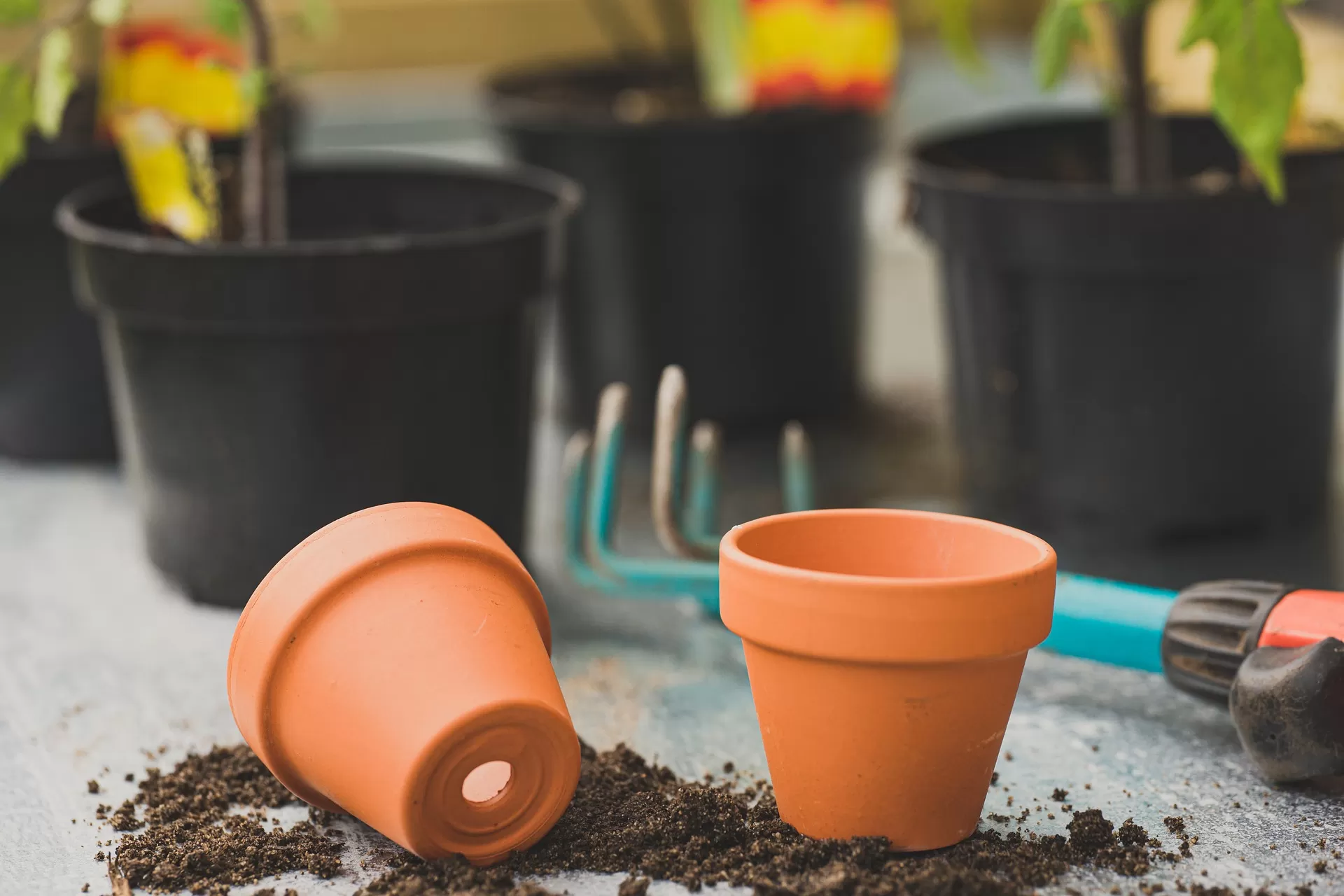
Repotting is like giving your succulent a fresh start or a roomier home. Signs that it’s time include roots circling the inside of the pot or growing out of the drainage holes. When choosing a new pot, pick one that is only slightly larger (about 1-2 inches wider) than the current one. Too large a pot holds too much moisture, increasing the risk of overwatering issues.
Always use a pot with drainage holes. When repotting, gently remove the succulent from its old pot, brush off old soil (inspecting roots for rot), and place it in the new pot with fresh, well-draining succulent soil. The best time to repot is usually in spring or early summer when the plant is actively growing. A careful repotting process minimizes stress and helps your succulent settle into its new home happily.
Conclusion
Curling leaves in succulents can stem from various issues, but thankfully, the most common reasons are usually fixable with simple adjustments to your care routine. By paying close attention to the signs of over or underwatering, monitoring their light exposure, keeping an eye out for pests, and ensuring they have the right soil and pot, you can help your succulents overcome this challenge.
Understanding the unique language of your succulent’s leaves empowers you to become a more confident plant parent. Don’t be discouraged by a few curled leaves; see it as an opportunity to learn and connect more deeply with your green companions.
Ready to keep your succulents thriving and their leaves perfectly plump? Explore more of our expert succulent care guides on Thelittle.garden and share your own experiences in the comments below!