Creating a garden that feels both effortlessly beautiful and deeply connected to nature is a dream for many. The Boho naturalistic planting style offers just that – a relaxed, free-spirited approach that celebrates the beauty of the natural world right in your backyard.
Key Takeaways:
- Boho naturalistic planting combines bohemian freedom with ecological inspiration.
- It emphasizes informal design, layering, and a focus on textures and natural colors.
- Choosing resilient, often native or drought-tolerant plants is key.
- The style incorporates natural elements and encourages biodiversity.
- It offers a beautiful, personal retreat that feels wild yet intentional.
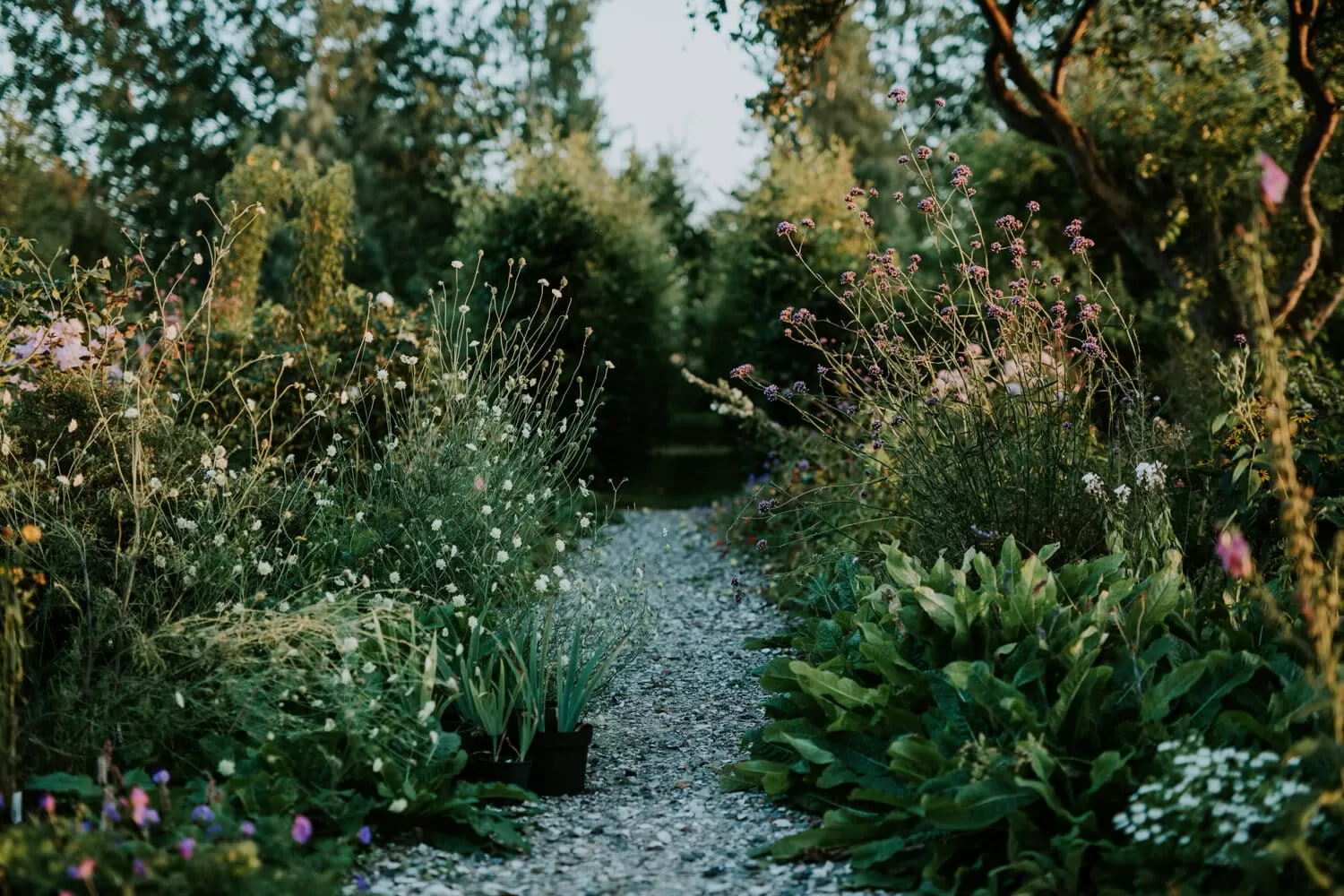
Forget rigid lines and manicured perfection. Boho naturalistic planting is about creating a space that feels lush, abundant, and a little bit wild, much like a meadow or a woodland edge. It’s a style that invites pollinators, thrives on texture, and celebrates the ever-changing beauty of the seasons. It’s not just about what you plant, but how you arrange it – in sweeping drifts and layered tapestries that mimic nature’s own artistry.
What Exactly IS Boho Naturalistic Planting?
At its heart, this style is a fusion of the relaxed, artistic vibe of bohemian design and the ecological principles of naturalistic landscape architecture. Think less traditional garden bed, more living, breathing ecosystem. It’s about stepping back and letting plants express their natural forms, allowing self-seeders to pop up playfully, and choosing varieties that work together harmoniously, supporting wildlife and creating a resilient landscape. It feels intentional, yet delightfully informal.
Why Choose a Boho Naturalistic Style?
Embracing this style offers a wealth of benefits beyond just aesthetics:
- Biodiversity Haven: By selecting a variety of plants, especially natives, you create a welcoming habitat for birds, bees, butterflies, and other beneficial insects. Your garden becomes a vibrant ecosystem.
- Lower Maintenance (Once Established): While there’s initial work in planning and planting, a naturalistic garden often requires less intense care than formal gardens. Plants are chosen for resilience, and the layered planting helps suppress weeds.
- Year-Round Interest: The focus on textures, seed heads, and structural plants ensures your garden looks captivating even in the depths of winter.
- Personal Expression: This style is deeply personal, allowing you to play with color, form, and texture in a way that feels uniquely you. It’s a garden that grows and evolves with you.
- Connection to Nature: Spending time in a garden designed to mimic natural landscapes fosters a deeper connection to the rhythm and beauty of the environment around you.
Designing Your Boho Naturalistic Sanctuary
Creating this look isn’t about randomness; it’s about informed design that appears effortless.
Key Design Principles
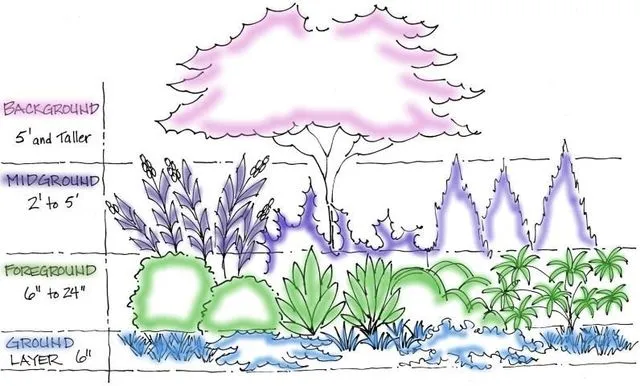
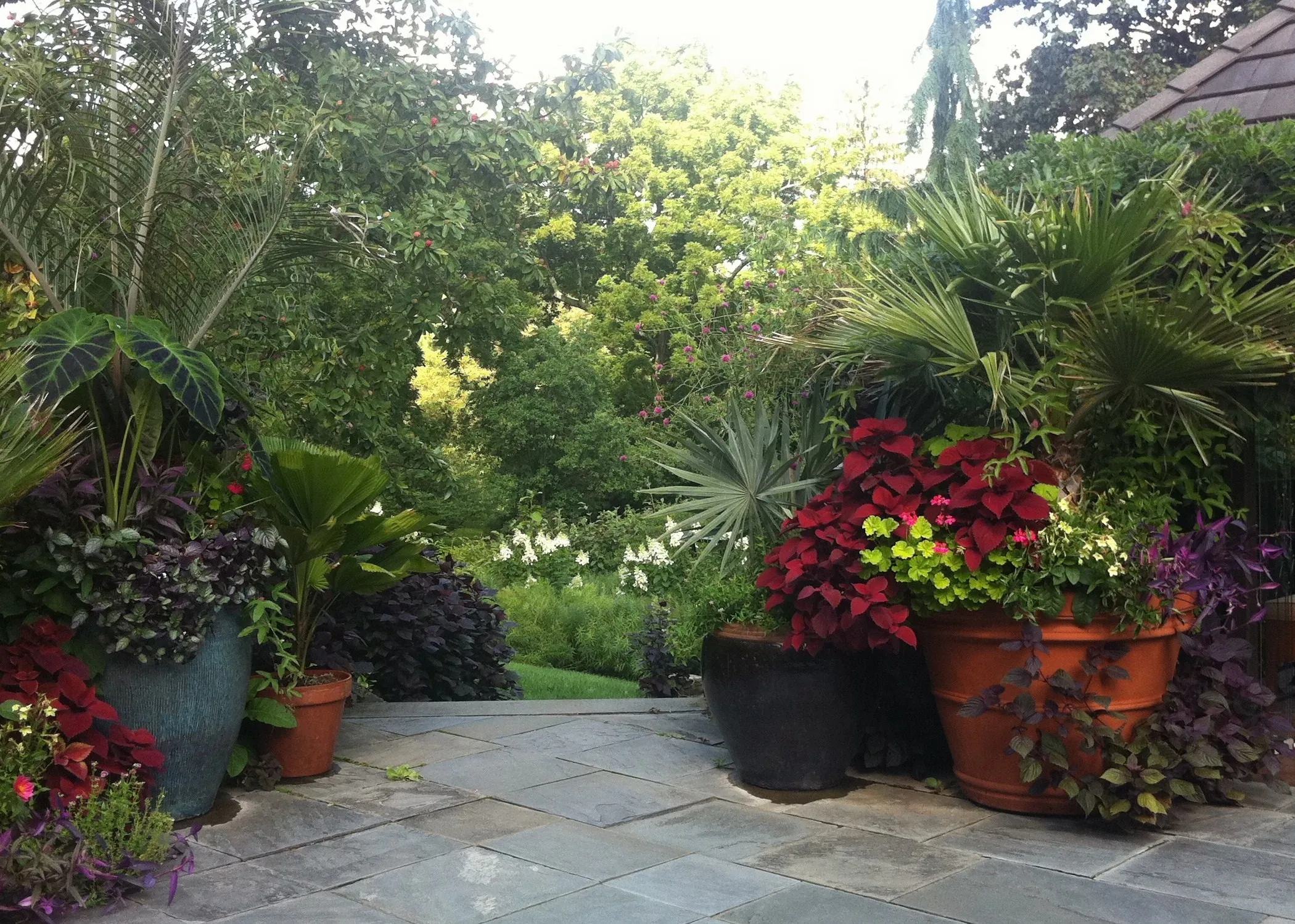
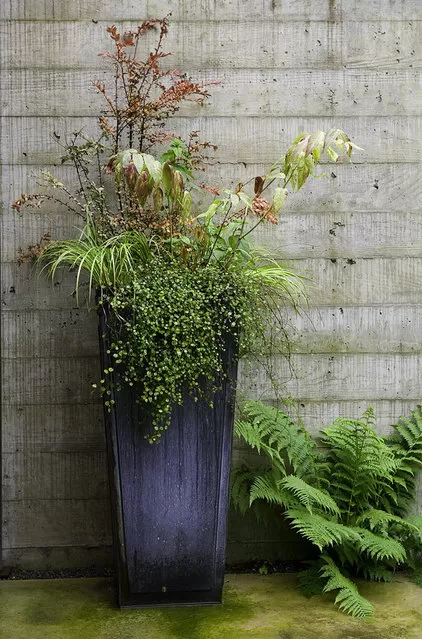
- Layering is Paramount: Just as in nature, plants should occupy different levels. Start with groundcovers, add perennials and grasses of various heights, and include taller shrubs or small trees for structure and vertical interest. Think of it as creating a living painting with depth.
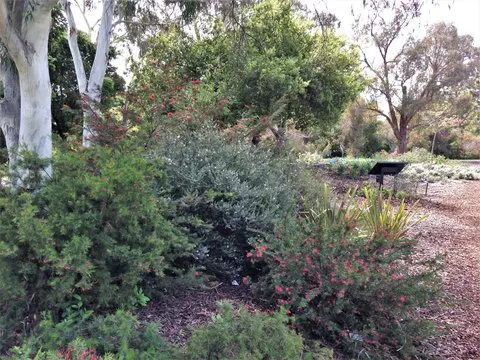
- Embracing a Natural Color Palette: While pops of vibrant color are welcome, the core palette often leans towards greens, earth tones, and the softer hues of wildflowers and grasses. Allow colors to blend and flow rather than creating stark contrasts.
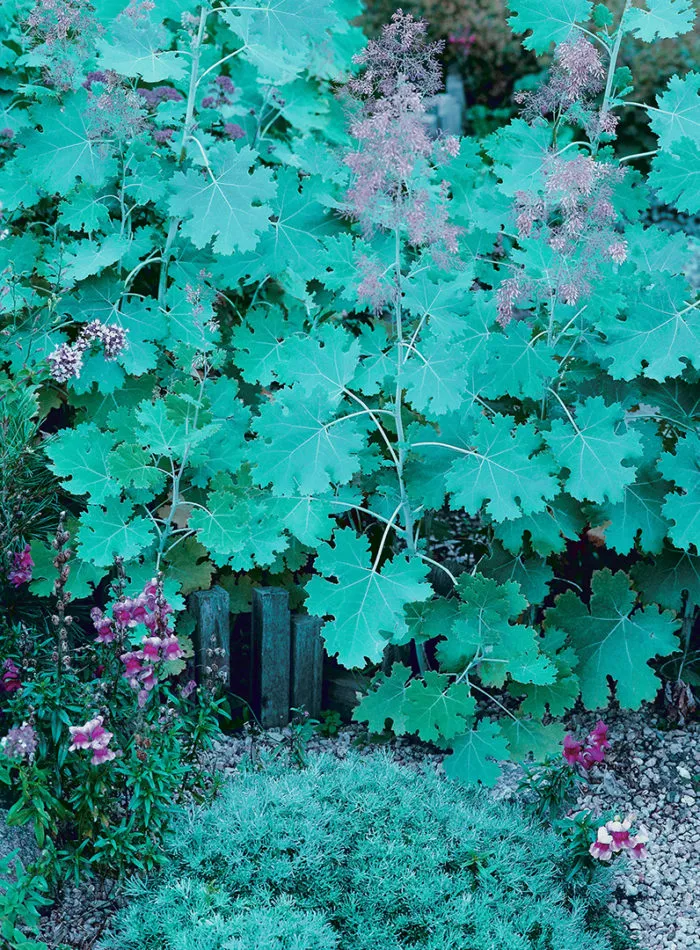
- Texture, Texture, Texture: This is where the naturalistic style truly shines. Mix the fine textures of ornamental grasses with the bold leaves of perennials, the spiky forms of sedges, and the delicate airiness of certain wildflowers. The interplay of textures provides interest even when flowers aren’t blooming.
Planning Your Space
Observe your yard’s light conditions, soil type, and drainage. Consider how you use the space and where you want paths or seating areas to meander through the planting. Sketch out areas for different plant communities – perhaps a sun-drenched meadow area or a shadier, woodland-inspired corner.
Choosing Plants for Your Boho Oasis
Selecting the right plants is crucial. Focus on those that are well-suited to your climate and conditions (check your USDA hardiness zone!). Resilient, disease-resistant, and often native species are perfect fits.
The Essential Cast:
- Ornamental Grasses: These are non-negotiable! They provide movement, texture, and structure throughout the year. Think Little Bluestem, Feather Reed Grass, Switchgrass, or Pink Muhly Grass for stunning seasonal color.
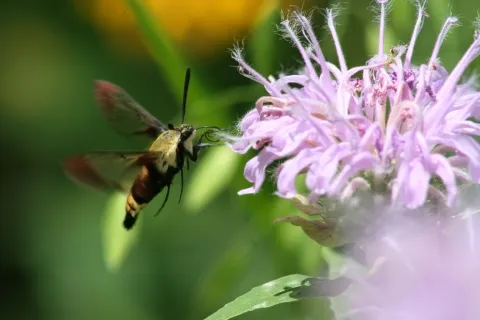
- Flowering Perennials: Choose perennials that bloom at different times to ensure continuous color and pollinator food. Coneflowers, Bee Balm (Monarda), Salvia, Sedum, Yarrow, and Baptisia are excellent, reliable choices.
- Wildflowers & Self-Seeders: Embrace the spontaneous joy of wildflowers. Species like California Poppies, Cornflowers, and certain Asters can add splashes of color and a truly natural feel. Allow some plants to self-seed for a relaxed, evolving look.
- Structural Shrubs & Small Trees: Don’t forget the backbone. Small trees like Serviceberry or Dogwood, or shrubs like Sumac or certain Viburnums, can provide height, seasonal interest (berries, bark), and support for the softer layers.
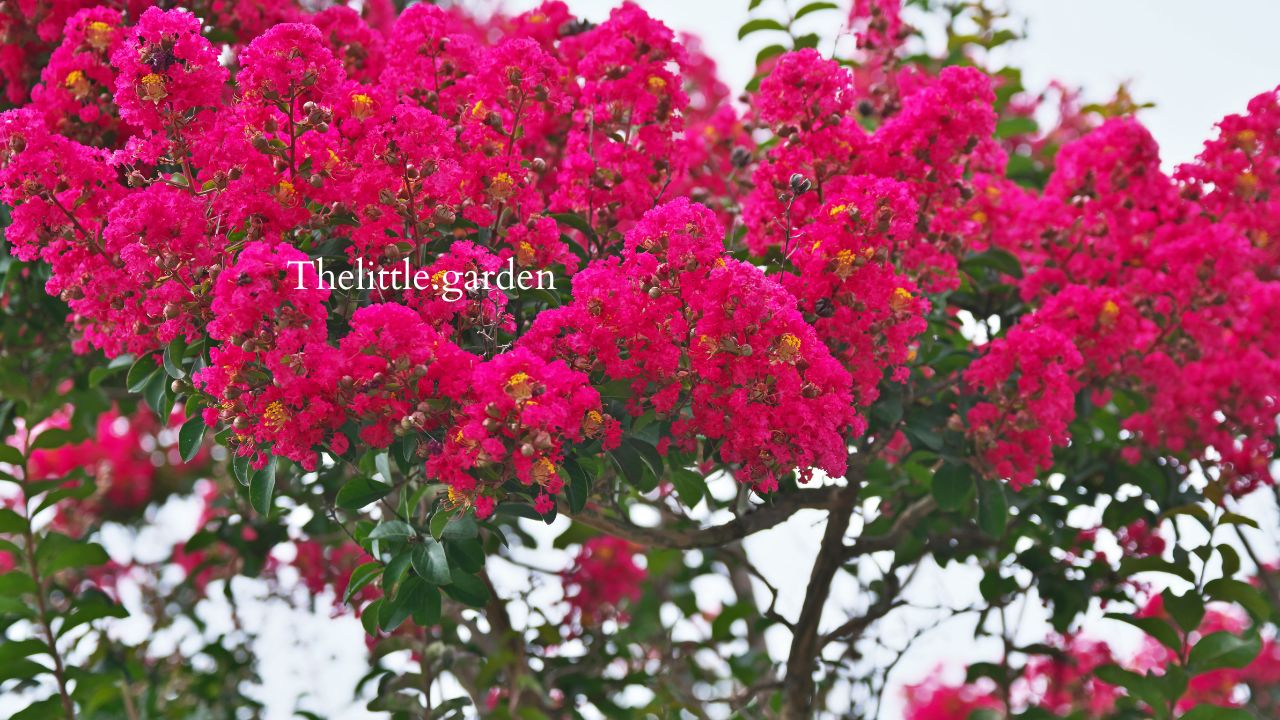
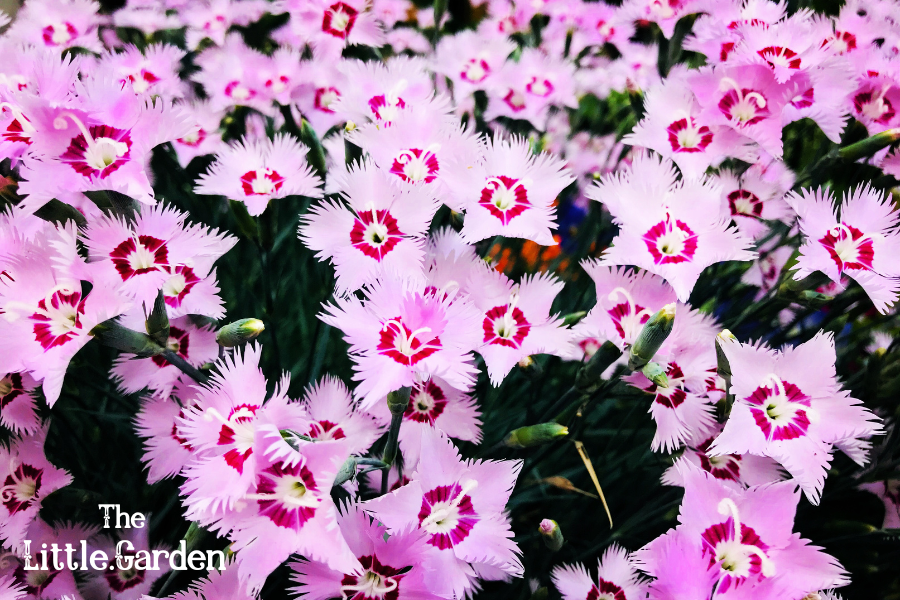
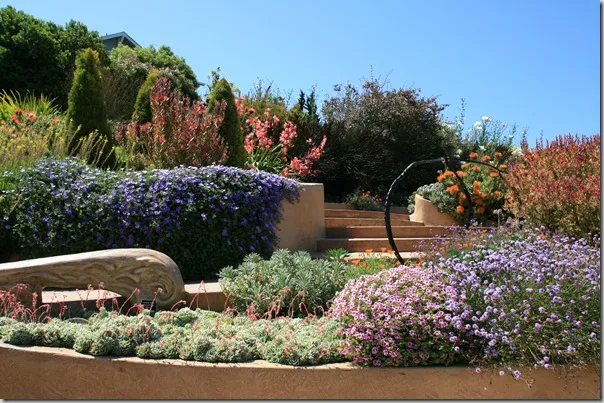
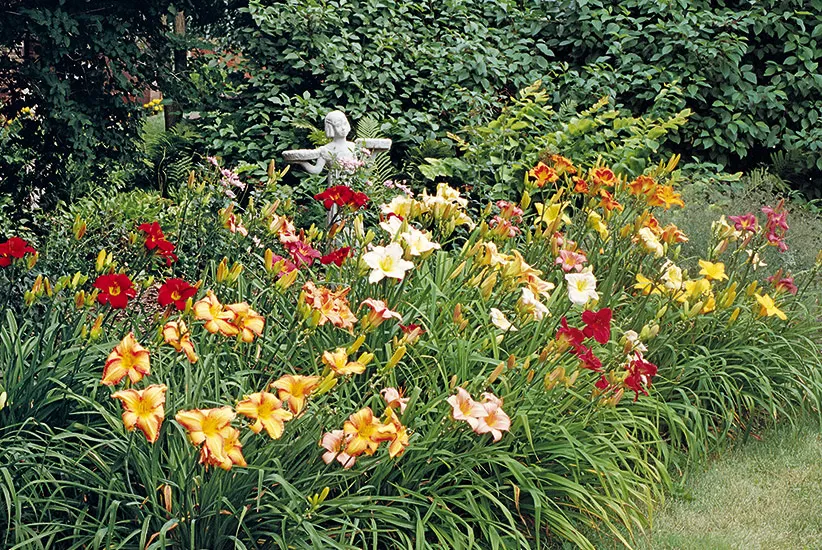
 Colorful garden blooms suitable for a naturalistic planting design
Let’s look at a few plant examples often used in naturalistic plantings:
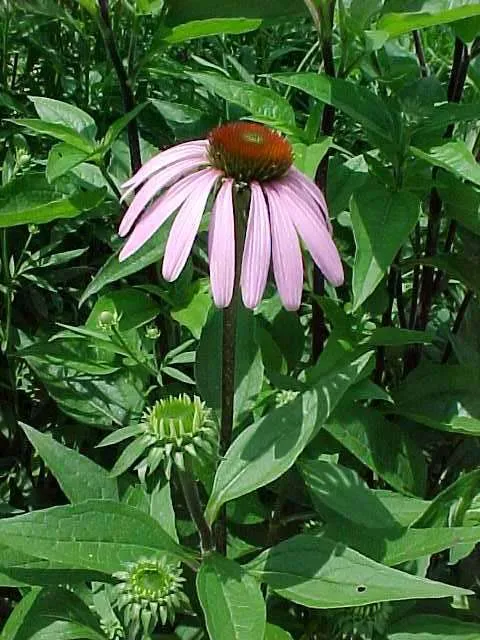
- Echinacea purpurea (Purple Coneflower)
- Common Name: Purple Coneflower
- Zone: 3-8
- Light: Full sun to partial shade
- Humidity: Moderate
- Water: Drought-tolerant once established, prefers well-drained soil.
- Schizachyrium scoparium (Little Bluestem)
- Common Name: Little Bluestem
- Zone: 3-9
- Light: Full sun
- Humidity: Low to moderate
- Water: Very drought-tolerant, requires well-drained soil.
- Monarda species (Bee Balm)
- Common Name: Bee Balm, Bergamot
- Zone: 4-9 (varies by species)
- Light: Full sun to partial shade
- Humidity: Moderate to high
- Water: Prefers consistently moist soil, but needs good drainage.
Bringing the Boho Vibe Beyond the Plants
The naturalistic planting is the star, but you can enhance the boho feel with other garden elements:
- Informal Pathways: Use stepping stones, gravel, or mulch paths that meander through the planting beds, inviting exploration.
- Relaxed Seating: Think comfortable floor cushions, a low bench, a hammock, or Adirondack chairs nestled amongst the plants.
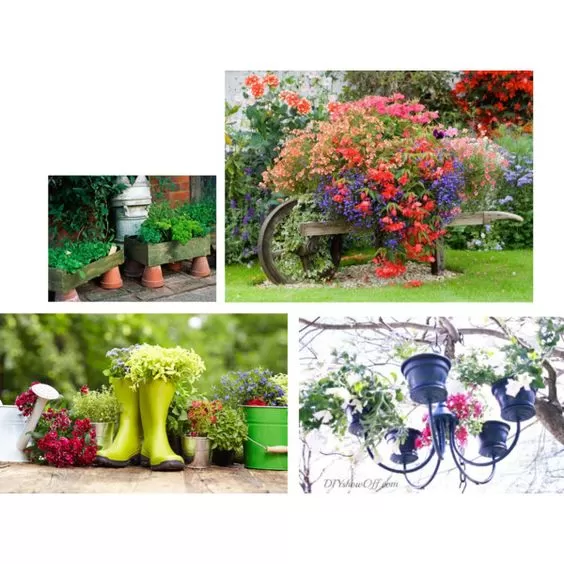
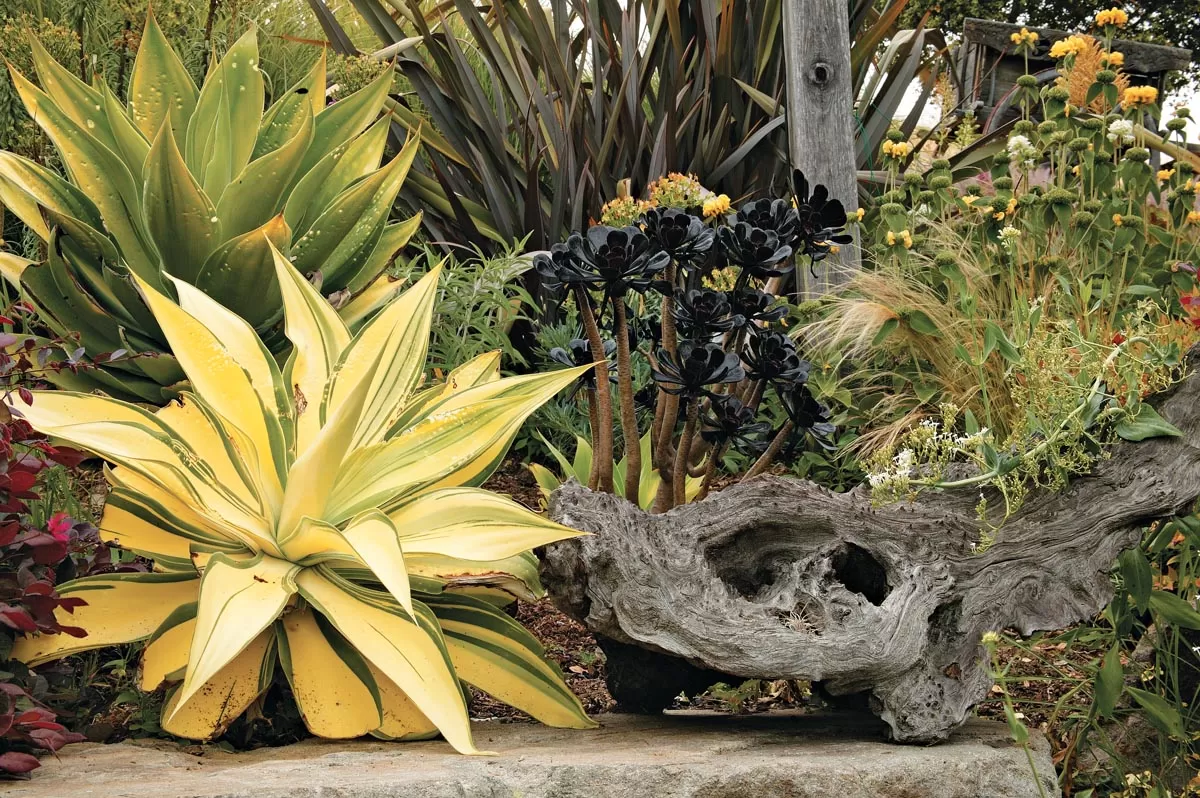
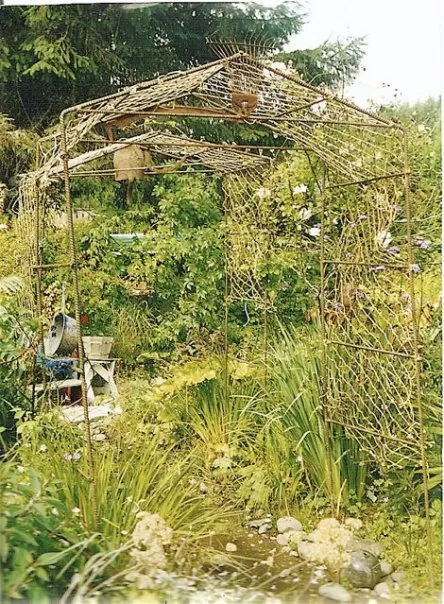
- Natural Decor: Incorporate elements like driftwood, interesting stones, wind chimes, lanterns, or repurposed vintage items. Avoid plastic or overly synthetic materials.
- Water Features: A simple bird bath or a small, natural-looking pond can add tranquility and attract wildlife.
Nurturing Your Naturalistic Oasis
While lower maintenance than some styles, a boho naturalistic garden still requires care.
- Weeding: You’ll still need to manage weeds, especially while the garden is establishing. Learn to identify desirable plants from unwanted ones.
- Cutting Back: Decide how you want to handle end-of-season growth. Leaving seed heads and dried grasses provides winter interest and wildlife habitat, then cut back in late winter or early spring before new growth emerges.
- Division: Some perennials and grasses may need to be divided every few years to maintain vigor.
- Observation: Spend time observing how your plants are growing and interacting. This helps you understand what’s working and where adjustments might be needed.
Creating a Boho naturalistic planting is a journey, not a destination. It’s about celebrating the beauty of imperfection, embracing the dynamic nature of plants, and cultivating a space that feels authentically connected to the earth.
Ready to let your garden go a little wild? Experiment with textures, play with layers, and choose plants that invite nature in. Your personal boho sanctuary awaits!
Do you have a favorite plant for naturalistic gardens? Share your thoughts in the comments below! Explore more garden styles and plant inspiration on Thelittle.garden.