- Transform ordinary garden paths into fragrant sensory experiences.
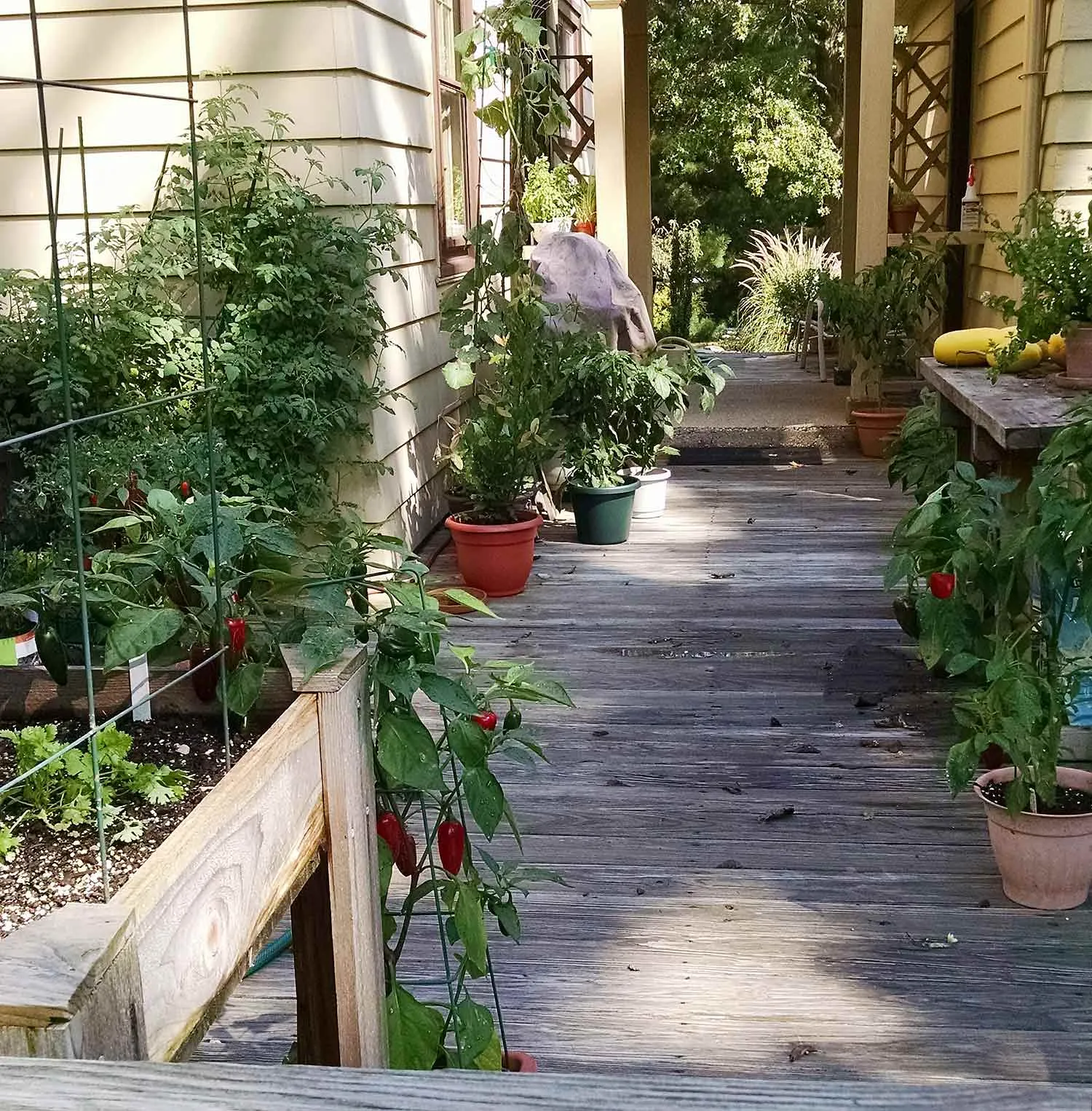
- Utilize containers for flexible placement and easy access to delightful plant scents.
- Discover a variety of fragrant foliage plants like mints and scented geraniums perfect for brushing past.
- Learn how to incorporate other aromatic or touchable plants for added interest along your walkways.
- Enhance your garden’s appeal with plants that engage more than just sight.
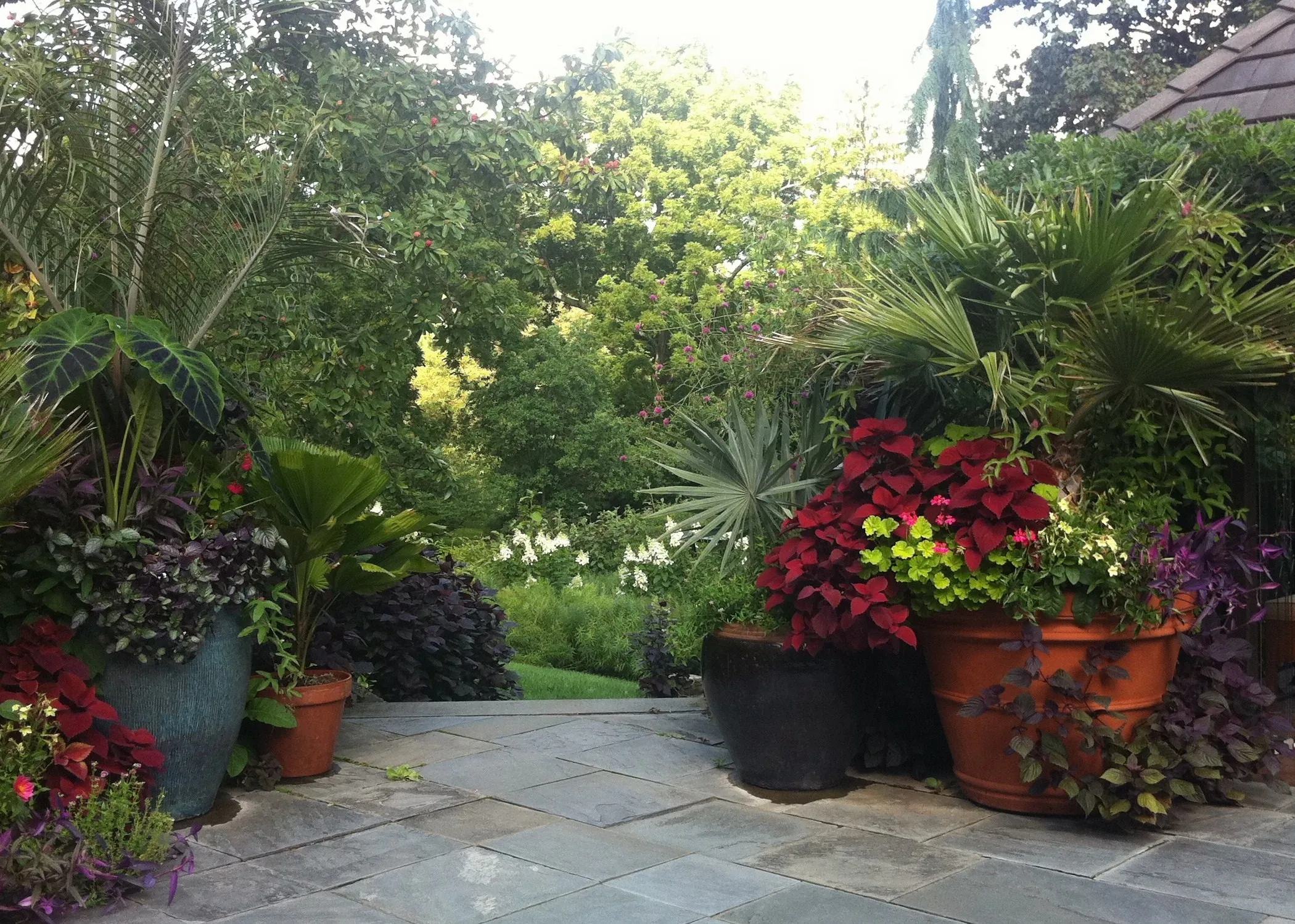
Imagine strolling through your garden, not just admiring the vibrant colors, but also enveloped in sweet or spicy fragrances released with every gentle brush against a leaf. This isn’t just a dream; it’s the magic of creating scented container garden walkways. While some gardeners prefer a hands-off approach, carefully navigating designated paths, others find joy in engaging directly with their green companions – touching soft petals, rubbing aromatic leaves, or feeling the texture of bark. If you belong to the latter group, or even if you’re just curious about adding a new dimension to your garden, focusing on plants with delightful scents and interesting textures placed in containers along your paths is a wonderful way to invite interaction and fill your garden with perfume. Containers offer incredible flexibility, allowing you to position fragrant beauties right where you’ll experience them most – along frequented walkways and near seating areas.
Fragrant Foliage for Sensory Paths
Foliage can be just as fragrant, if not more so, than flowers. Plants that release intoxicating scents when their leaves are touched or bruised are perfect candidates for placement along walkways where they can be easily brushed against. Using containers elevates these aromatic treasures, putting their perfumed leaves within easy reach and adding a decorative element to your path.
Minty Magic in Containers
Herbs, especially mints, are perhaps the quintessential plants for touch-and-sniff gardening. Their spreading habit makes containers an ideal solution for keeping them contained while raising their fragrant leaves to nose level. A collection of different mint varieties in a large pot or series of containers can provide a diverse palette of scents right by your door or along a path.
- Pineapple Mint
- Scientific Name: Mentha suaveolens ‘Variegata’
- Common Name: Pineapple Mint
- Zone: 5-9 (general)
- Light: Full sun to partial shade
- Water: Keep soil consistently moist
- Spearmint
- Scientific Name: Mentha spicata
- Common Name: Spearmint
- Zone: 4-11 (general)
- Light: Full sun to partial shade
- Water: Keep soil consistently moist
- Peppermint
- Scientific Name: Mentha x piperita
- Common Name: Peppermint
- Zone: 4-9 (general)
- Light: Full sun to partial shade
- Water: Keep soil consistently moist
- Corsican Mint
- Scientific Name: Mentha requienii
- Common Name: Corsican Mint
- Zone: 6-9 (often grown as an annual or tender perennial)
- Light: Partial shade
- Water: Requires consistently moist soil, does not tolerate drying out
Pineapple mint offers a fruity, sweet aroma and lovely variegated foliage. Spearmint provides that classic, refreshing mint scent. Peppermint delivers a strong menthol kick. And the tiny Corsican mint, while less hardy in colder climates, packs an incredibly powerful scent, often compared to pennyroyal. Growing these in containers near your walkway allows you to easily lift, divide, and refresh them each spring, ensuring a constant supply of fragrant leaves within arm’s reach. Corsican mint, in particular, thrives in pots where its specific watering needs can be carefully met.
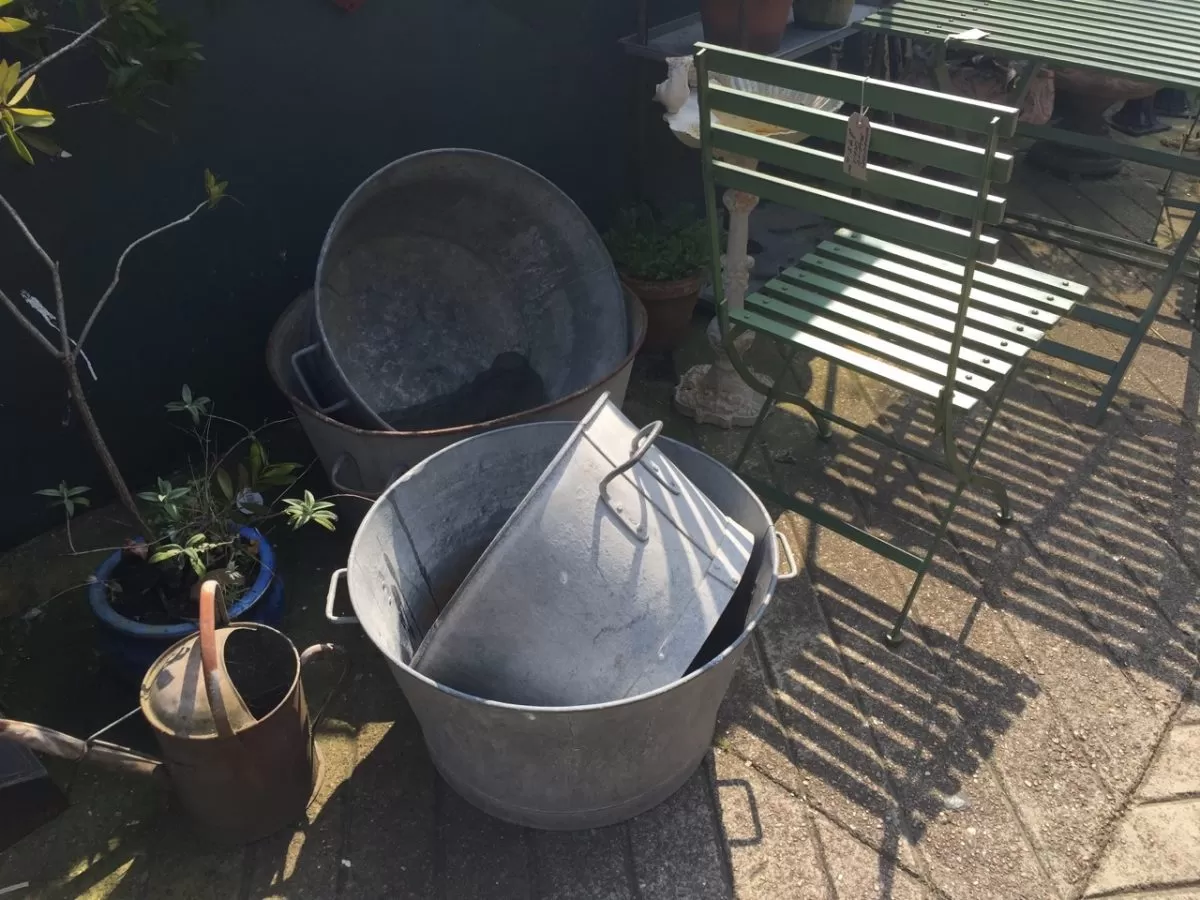
 Mint collection in a metal washtub container near garden steps
Delightful Scented Geraniums
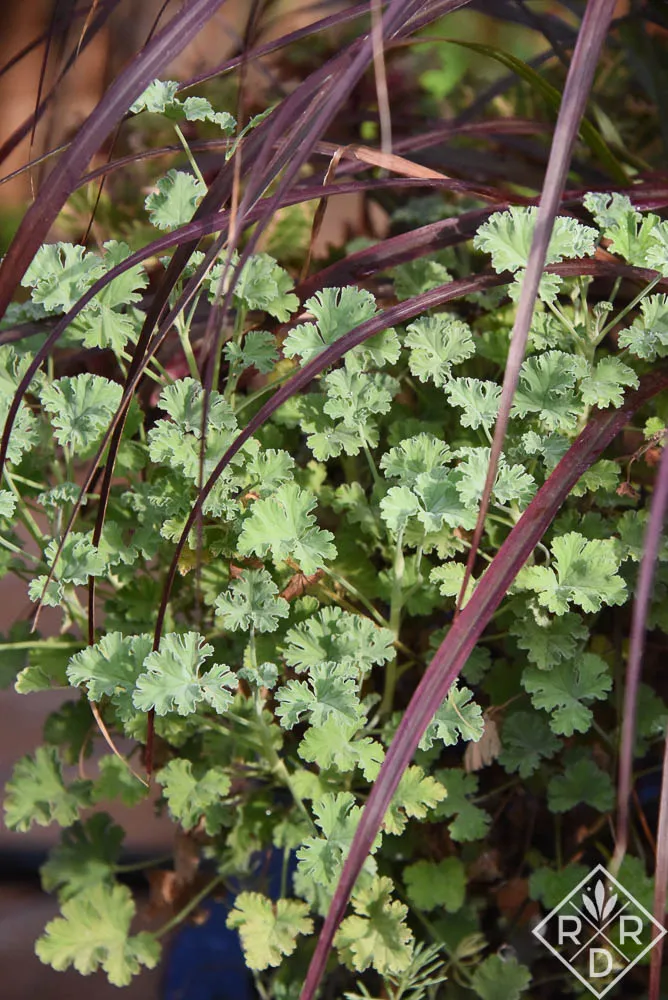
Scented geraniums (Pelargonium species and hybrids) are another treasure trove of fragrance and texture perfect for scented container garden walkways. Unlike the pungent smell of common zonal geraniums, these varieties boast aromas ranging from rose and lemon to apple, nutmeg, pine, and even chocolate mint. Their leaves also offer fascinating textures, inviting you to touch first and then inhale the released oils.
- Pine Geranium
- Scientific Name: Pelargonium denticulatum ‘Filicifolium’
- Common Name: Pine Geranium
- Zone: 9-11 (often grown as an annual)
- Light: Full sun
- Water: Allow soil to dry slightly between waterings
- Variegated Lemon Geranium
- Scientific Name: Pelargonium crispum ‘Variegatum’
- Common Name: Variegated Lemon Geranium, ‘French Lace’
- Zone: 9-11 (often grown as an annual)
- Light: Full sun
- Water: Allow soil to dry slightly between waterings
- ‘Snowy Nutmeg’ Scented Geranium
- Scientific Name: Pelargonium fragrans (or Fragrans Group) ‘Snowy Nutmeg’
- Common Name: ‘Snowy Nutmeg’ Geranium
- Zone: 9-11 (often grown as an annual)
- Light: Full sun to partial shade
- Water: Allow soil to dry slightly between waterings
- Rose-Scented Geraniums
- Scientific Name: Pelargonium graveolens (or Graveolens Group)
- Common Name: Rose Geranium
- Zone: 9-11 (often grown as an annual)
- Light: Full sun
- Water: Allow soil to dry slightly between waterings
- Apple-Scented Geranium
- Scientific Name: Pelargonium odoratissimum
- Common Name: Apple-Scented Geranium
- Zone: 9-11 (often grown as an annual)
- Light: Full sun to partial shade
- Water: Allow soil to dry slightly between waterings
- Peppermint Geranium
- Scientific Name: Pelargonium tomentosum
- Common Name: Peppermint Geranium
- Zone: 9-11 (often grown as an annual)
- Light: Full sun to partial shade
- Water: Allow soil to dry slightly between waterings
Pine geraniums have finely cut leaves with a unique pine-like scent. Variegated lemon geraniums offer a refreshing citrusy fragrance from their crinkled leaves. ‘Snowy Nutmeg’ provides a warm, soft, nutmeg aroma and fuzzy texture. Rose-scented varieties, like ‘Grey Lady Plymouth’, fill the air with a classic heavy rose perfume. Apple-scented geraniums have soft, velvety leaves with a sweet, apple-cider scent. Peppermint geraniums, particularly the straight species P. tomentosum with its large, furry leaves, are incredibly soft to the touch and release a clean, minty fragrance. These make fantastic container plants, spilling over edges and creating mounds of scented, touchable foliage along your garden path.
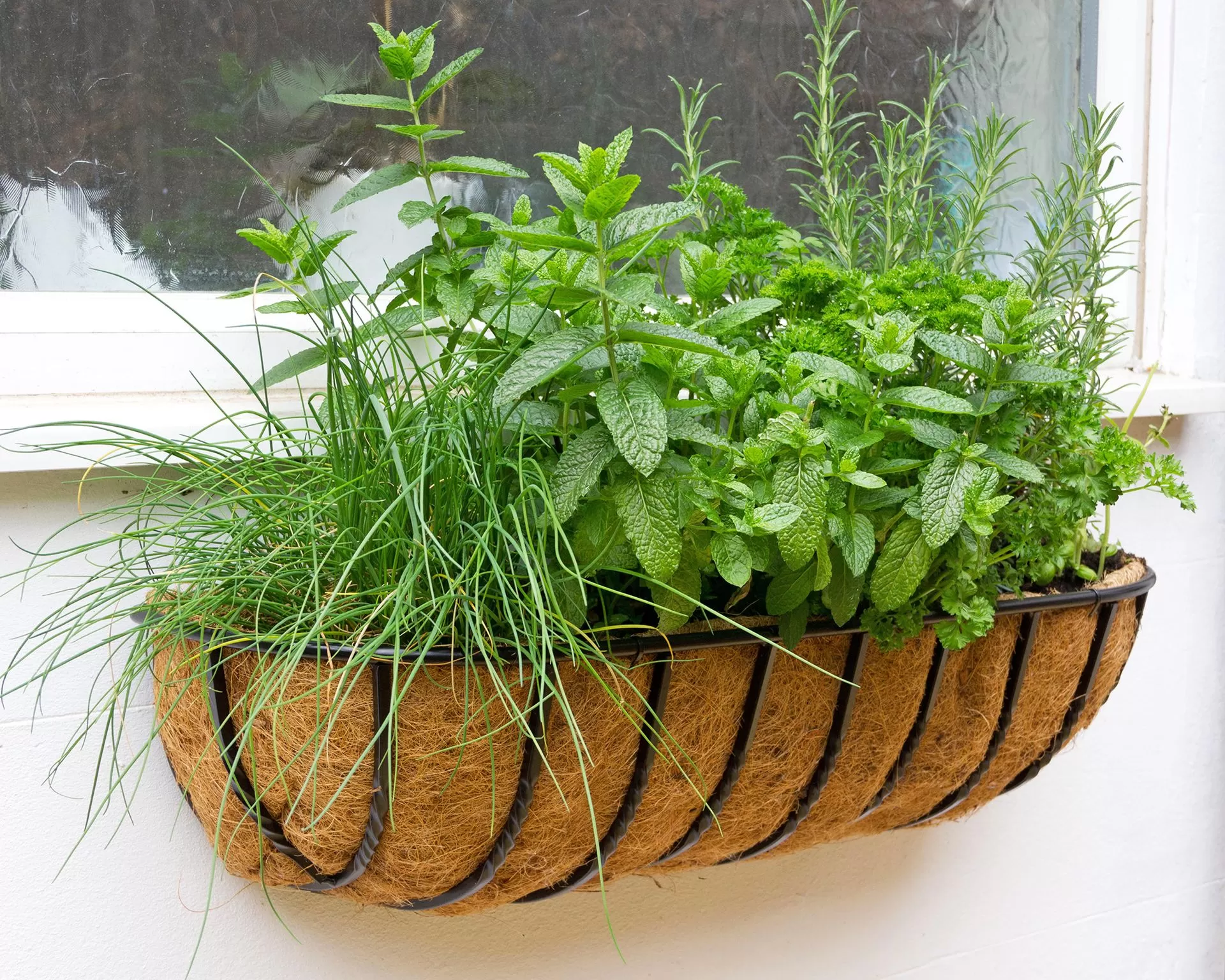
 Group of scented geraniums and mint in containers
Adding Scent & Texture Beyond Foliage
Scented container garden walkways aren’t limited to fragrant leaves. Flowers and even some grasses can add aromatic or tactile elements to your pathside display.
Aromatic Grasses and Feathery Textures
While most ornamental grasses aren’t intensely fragrant, some varieties do offer a pleasant aroma, and many others invite touch with their interesting textures. Placing grasses in containers along a walkway adds movement and sound as well as potential scent and touch.
- Lemongrass
- Scientific Name: Cymbopogon citratus
- Common Name: Lemongrass
- Zone: 9-10 (often grown as an annual)
- Light: Full sun
- Water: Keep soil consistently moist
- Mexican Feather Grass
- Scientific Name: Stipa tenuissima (or Nassella tenuissima)
- Common Name: Mexican Feather Grass
- Zone: 7-10
- Light: Full sun
- Water: Drought tolerant once established, needs good drainage
Lemongrass is well-known for its strong citrusy scent and culinary uses. Grown in a pot, it can be placed where its fragrant blades can be easily brushed. Mexican Feather Grass, while not primarily scented, is a favorite for its incredibly soft, wispy texture. Its graceful plumes beg to be touched and feel wonderfully silky. Placing a container of this grass where its seedheads can brush your hand as you pass by adds a delightful tactile dimension to your walkway garden.
 Mexican Feather Grass planted alongside a stone pathway
Inviting Fluffy Blooms and Forms
Some plants feature blooms or structures that are simply irresistible to touch. While not always heavily scented, their tactile appeal adds another layer to the sensory experience of a walkway garden, complementing the fragrant elements from other plants. Using containers allows you to bring these interesting textures right to the edge of your path.
- Lamb’s Ears
- Scientific Name: Stachys byzantina
- Common Name: Lamb’s Ears
- Zone: 4-8
- Light: Full sun to partial shade
- Water: Drought tolerant, avoid wet conditions
- Ornamental Onion (Allium)
- Scientific Name: Allium species (e.g., A. sphaerocephalon, A. ‘Gladiator’, A. ‘Ambassador’)
- Common Name: Ornamental Onion, Drumstick Allium, Giant Allium
- Zone: 4-10 (varies by species/cultivar)
- Light: Full sun
- Water: Moderate, prefers well-drained soil
Lamb’s Ears are a classic choice for their fuzzy, soft leaves that feel just like velvet. While they don’t have a strong fragrance, their texture is a powerful draw. Ornamental onions, like the drumstick allium with its small, firm balls or the giant alliums with their large, fuzzy globes, offer a different kind of tactile fun. Their sturdy, spherical flower heads invite a gentle tap or pat as you walk by. While the foliage has a faint oniony scent when bruised, the appeal of the blooms is primarily visual and tactile. Placing these in containers provides easy access for interaction and adds unique shapes to your walkway display.
 Close-up of purple drumstick allium flower heads
Bringing it Together: Creating Your Scented Walkway
Designing scented container garden walkways is all about deliberate placement. Think about where you walk most often and where you pause. These are the perfect spots to place containers filled with fragrant mints, scented geraniums, or textured grasses and alliums. Elevating plants in pots brings their best features – scent and texture – closer to you. Mix and match plants with different scents and textures for a varied sensory experience. Ensure containers have good drainage and choose plants suited to your light conditions. Regular watering is crucial for container plants, especially those placed near sunny paths. By thoughtfully selecting and placing your scented and touchable plants in containers, you can transform a simple walkway into a captivating sensory journey, filling your garden with delightful fragrances and inviting tactile moments that make every stroll a richer experience.
What fragrant or touchable plants are your favorites for adding sensory delight to your garden paths? Share your ideas in the comments below!