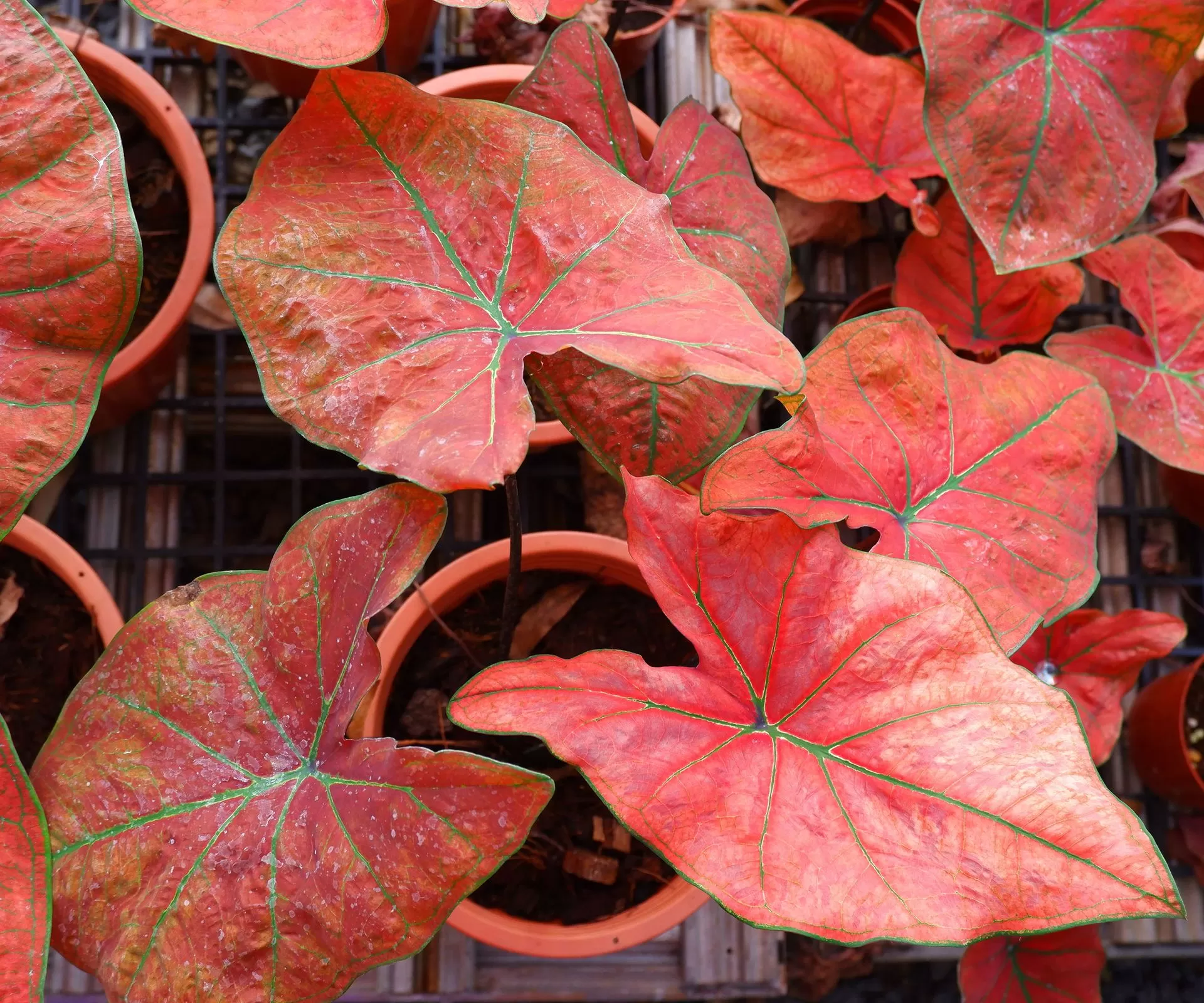
caladiums as young plants in containers
Caladiums, with their vibrant foliage and striking patterns, bring a touch of the tropics to any space. While traditionally grown outdoors, these beauties can thrive indoors with proper care, transforming your home into a lush oasis. This guide delves into the specifics of caladium indoor care, ensuring your plants flourish year-round. From light and water requirements to troubleshooting common issues, we’ll equip you with the knowledge to become a confident caladium caregiver.
Caladiums, native to South and Central America, crave warmth and humidity. Recreating these conditions indoors is crucial for their well-being.
While caladiums prefer shade outdoors, they need bright, indirect light indoors. A north-facing window or a spot shielded from direct sunlight is ideal. Too much sun can scorch the leaves, while insufficient light can lead to dull colors and leggy growth. Observe your plant closely after moving it to a new location and adjust accordingly.
Consistent moisture is essential for thriving caladiums. Water thoroughly when the top inch of soil feels dry, typically once a week during active growth. As the plant prepares for dormancy in the fall, reduce watering frequency. During dormancy, cease watering until new growth appears in the spring.
Maintaining warm temperatures and adequate humidity is vital. Keep your caladium away from drafts and cold air vents. Cooler temperatures can trigger premature leaf drop or dormancy. To boost humidity, mist regularly or place the pot on a pebble tray filled with water.
Well-draining soil is paramount to prevent root rot. A standard potting mix works well, but a mix formulated for acid-loving plants is even better. While not heavy feeders, caladiums benefit from a balanced, slow-release fertilizer at planting time. For potted plants, supplement with monthly applications of water-soluble fertilizer during active growth.
While generally pest-resistant indoors, caladiums can occasionally fall victim to aphids or spider mites. Inspect your plant regularly and address infestations promptly. Stress from improper light, water, or temperature can also cause yellowing leaves, premature leaf drop, or early dormancy.
Regular pruning helps maintain a tidy appearance and prevent disease. Remove dead or spent leaves as needed. Pinch off flowers to encourage foliage growth. As the plant enters dormancy, cut it back to soil level. Repot caladium tubers after division, allowing the cut surfaces to callus before planting in fresh potting mix.
With a multitude of varieties available, selecting the perfect caladium can be exciting! Here are a few popular choices:
Absolutely! Caladiums are excellent indoor plants, bringing a splash of color and tropical flair to any room. Growing them indoors also provides an opportunity to overwinter your favorite varieties.
Yes, with proper care. Maintaining warm temperatures, adequate light, and consistent humidity during the growing season is key. Remember that even indoor caladiums require a dormant period during winter, resuming growth in the spring.
We hope this comprehensive guide empowers you to successfully nurture your indoor caladiums. Feel free to share your experiences and tips in the comments below! Explore The Little Garden for more insightful articles and resources to enhance your indoor jungle.
Key takeaways: Discover 5 enchanting flowers to create a magical fairy garden Learn the symbolic…
Watermelon Red Crape Myrtle is a classic, versatile tree with stunning pink-red blooms Grows 20-25…
Key Takeaways: Oriental lilies are prized for their large, fragrant blooms They thrive in well-draining…
Key takeaways: Amaranth is easy to grow in containers, perfect for beginners and experienced gardeners…
Vibrant, low-maintenance flowers for sunny spots Continuous color throughout summer Perfect for borders, ground cover,…
Here's how implementing no-dig techniques can transform your container gardening: Build Richer Soil: Layers of…