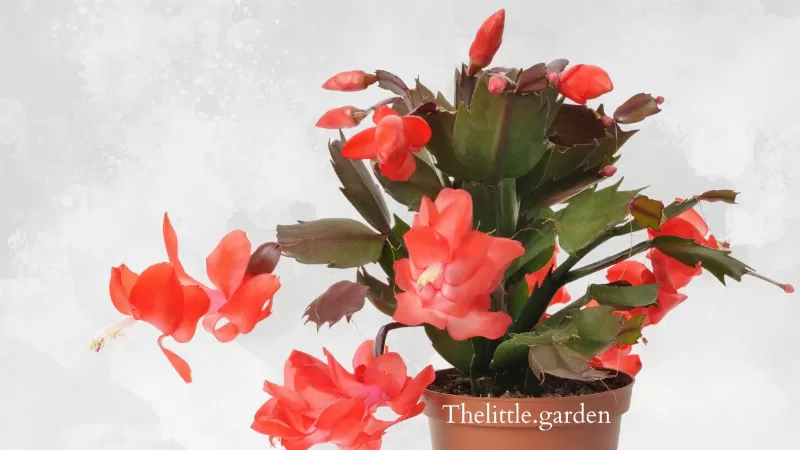
Christmas cactus with brown leaves
Key takeaways:
As the holiday season approached, I eagerly anticipated the vibrant blooms of my Christmas cactus. However, my excitement quickly turned to concern when I noticed its leaves turning an alarming shade of brown. If you’re facing a similar predicament, don’t despair! In this article, we’ll explore the top 10 reasons why your Christmas cactus might be turning brown and provide practical solutions to bring it back to life.
Overwatering is perhaps the most common reason for a Christmas cactus turning brown. Despite their name, these plants aren’t true desert cacti and prefer more moisture than their spiny cousins. However, they still can’t tolerate waterlogged soil.
To remedy this, allow the top inch of soil to dry out between waterings. Ensure your pot has adequate drainage holes and consider using a well-draining potting mix.
On the flip side, underwatering can also cause your Christmas cactus to turn brown. These plants store water in their leaves, but they still need regular hydration.
To fix this, establish a consistent watering schedule. Water thoroughly when the top inch of soil feels dry, but avoid letting the plant sit in standing water.
Christmas cacti thrive in bright, indirect light. Too little light can lead to weak growth and brown, unhealthy leaves.
If your plant isn’t getting enough light, consider moving it to a brighter location or supplementing with grow lights.
While Christmas cacti need light, direct sunlight can scorch their leaves, causing them to turn brown or reddish.
If you notice sunburn, move your plant to a shadier spot and trim off any severely damaged leaves.
Like all living things, Christmas cacti need proper nutrition to thrive. A lack of essential nutrients can result in brown, unhealthy leaves.
Remember, over-fertilizing can be just as harmful as under-fertilizing, so always follow the package instructions.
As Christmas cacti grow, they may outgrow their pots, leading to stress and browning leaves.
When repotting, choose a container 1-2 inches larger in diameter and use fresh, well-draining potting mix.
Christmas cacti require well-draining soil that mimics their natural epiphytic habitat.
If your plant’s soil feels compacted or water doesn’t drain easily, it’s time for a soil refresh.
Christmas cacti are sensitive to temperature and humidity fluctuations. Extreme conditions can stress the plant, causing brown leaves.
To increase humidity, try misting the plant, using a pebble tray, or placing a small humidifier nearby.
Various pests, including mealybugs, spider mites, and scale insects, can attack Christmas cacti, causing brown spots and overall decline.
Remember to treat the entire plant, including the undersides of leaves and stem joints where pests often hide.
Fungal diseases, particularly root rot, can cause Christmas cacti to turn brown and wilt.
In severe cases, you may need to take cuttings from healthy parts of the plant and start anew.
While a browning Christmas cactus can be alarming, most issues are reversible with proper care and attention. By addressing these common problems and providing the right growing conditions, you can nurse your plant back to health and enjoy its beautiful blooms for many holiday seasons to come.
Remember, every plant is unique, and it may take some trial and error to find the perfect care routine for your Christmas cactus. Don’t be discouraged if you don’t see immediate results – with patience and persistence, your plant will thrive.
Have you successfully revived a struggling Christmas cactus? Share your experiences and tips in the comments below! And if you found this article helpful, don’t forget to share it with your fellow plant enthusiasts. Happy gardening!
Key takeaways: Discover 5 enchanting flowers to create a magical fairy garden Learn the symbolic…
Watermelon Red Crape Myrtle is a classic, versatile tree with stunning pink-red blooms Grows 20-25…
Key Takeaways: Oriental lilies are prized for their large, fragrant blooms They thrive in well-draining…
Key takeaways: Amaranth is easy to grow in containers, perfect for beginners and experienced gardeners…
Vibrant, low-maintenance flowers for sunny spots Continuous color throughout summer Perfect for borders, ground cover,…
Here's how implementing no-dig techniques can transform your container gardening: Build Richer Soil: Layers of…