- Transform your garden into a vibrant retreat with dynamic hues.
- Discover easy-to-grow colorful flowers that thrive in various conditions.
- Learn how integrating bright blooms boosts mood and supports local ecosystems.
- Get practical tips for choosing, planting, and caring for a dazzling display.
- Explore creative ways to design stunning flower beds and containers using striking colors.
Imagine stepping into your garden, greeted by a riot of color – a living tapestry woven with every shade imaginable. Colorful flowers have a unique power; they don’t just brighten a space, they elevate our spirits, attract buzzing pollinators, and turn any patch of earth into a captivating scene. As your guide from The Little Garden, I’m thrilled to share how you can cultivate this vibrant beauty, transforming your outdoor space into a personal haven bursting with life and spectacular color. Forget drab corners and monotonous greens; it’s time to explore the wonderful world of bright blooms!
Why Colorful Flowers are Garden Game-Changers
Beyond their obvious beauty, colorful flowers offer numerous benefits to both the gardener and the environment. Their vibrant hues aren’t just for show; they are a signal, a beacon for the natural world.
- Mood Boosters: Studies have shown that exposure to colorful environments, especially natural ones like gardens filled with bright flowers, can significantly improve mood, reduce stress, and increase feelings of happiness and well-being. A splash of sunshine yellow or a calming patch of true blue can make all the difference after a long day.
- Pollinator Magnets: Bees, butterflies, hummingbirds, and other beneficial insects are strongly attracted to brightly colored blossoms. By planting a diverse array of colorful flowers, you’re creating a vital food source and habitat, supporting biodiversity right in your backyard. This also helps ensure the pollination of other plants in your garden, including vegetables and fruits.
- Aesthetic Appeal: Bold and bright colors add depth, interest, and personality to your landscape design. They can create focal points, define borders, or simply provide a joyful visual experience. Whether you prefer a harmonious blend or a dramatic contrast, color is your most powerful tool in garden design.
Choosing the Right Colorful Flowers for Your Space
Selecting the perfect colorful flowers involves more than just picking your favorite shades. Consider these factors to ensure your chosen blooms will thrive and provide the spectacular display you envision:
Climate and Hardiness Zone
Know your USDA Hardiness Zone. This dictates which plants can survive the winter in your region. Choosing plants suited to your zone is the first step to successful gardening.
Light Requirements
Different flowers need different amounts of sunlight. Assess the light conditions in your planting areas: full sun (6+ hours), partial sun (4-6 hours), or shade (less than 4 hours).
Soil and Water Needs
Understand your soil type (sandy, loamy, clay) and how well it drains. While some colorful flowers are drought-tolerant, others need consistent moisture. Group plants with similar needs together.
Your Color Palette
Plan your desired color scheme. Will you go for a vibrant mix like a rainbow bouquet, or select a few key colors for a more sophisticated look? Consider how the flower colors will interact with your home’s exterior and other garden elements.
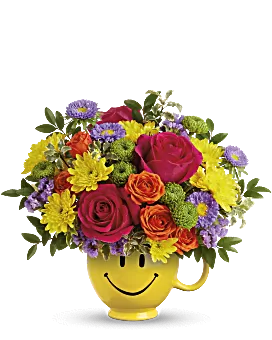 Bright assortment of colorful flowers including roses, lilies, and daisies
Top Easy-Care Colorful Flowers
You don’t need to be a seasoned expert to grow breathtaking colorful flowers. Many varieties are surprisingly low-maintenance and deliver stunning results. Here are a few favorites perfect for adding immediate impact:
Zinnia (Zinnia elegans)
- Scientific Name: Zinnia elegans (common zinnia)
- Common Name: Zinnia
- Zone: Annual (grows in all zones during warm season); Perennial varieties exist for warmer zones (e.g., Zinnia angustifolia, Zones 5-10)
- Light: Full Sun
- Humidity: Moderate
- Water: Moderate, regular watering when establishing
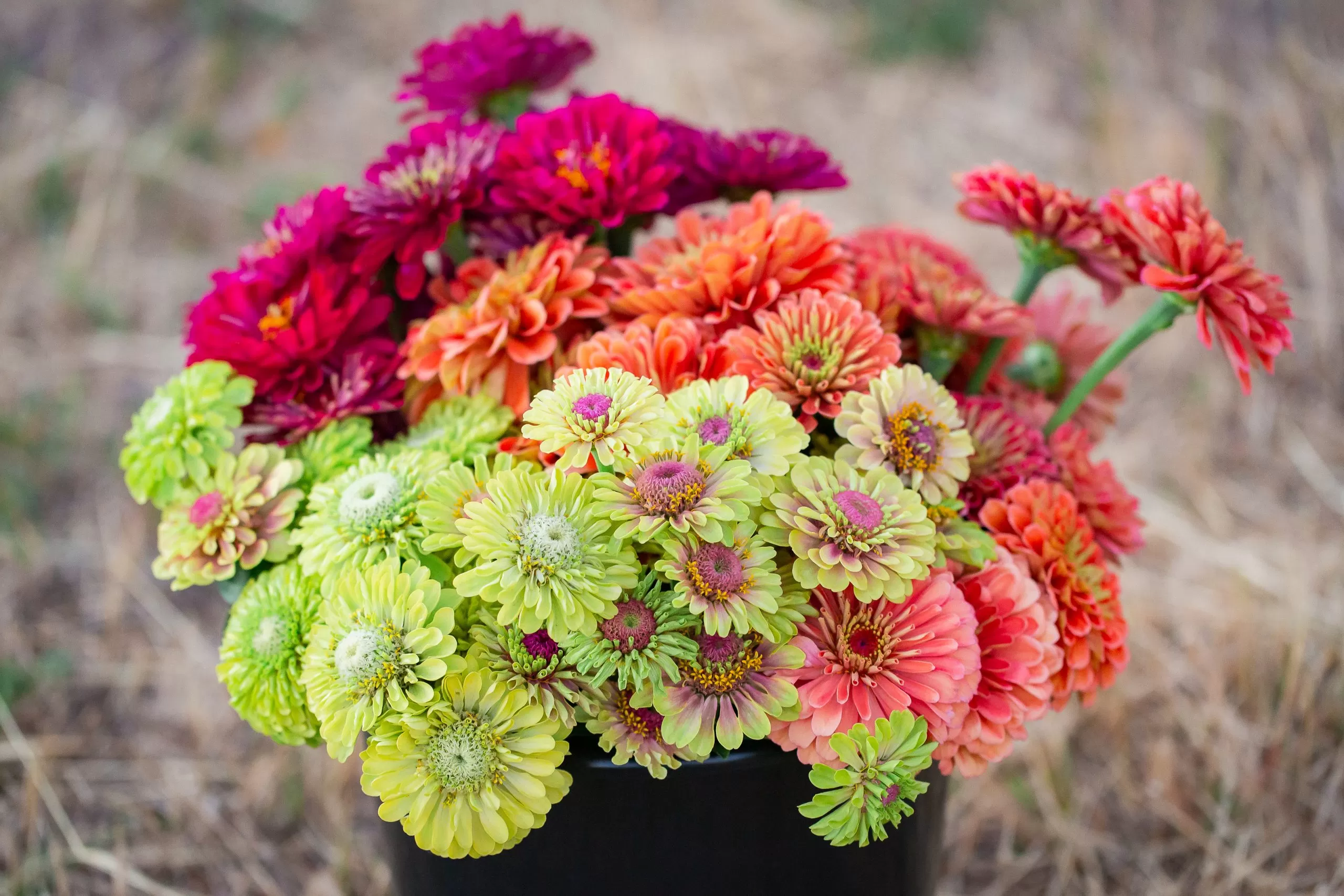
Zinnias are the champions of effortless color. Available in almost every shade imaginable (except true blue), they come in various heights and bloom shapes. Sow seeds directly in the garden after the last frost, and you’ll have continuous blooms from summer until fall. They are incredibly attractive to butterflies.
Marigold (Tagetes spp.)
- Scientific Name: Tagetes spp. (various species)
- Common Name: Marigold
- Zone: Annual (grows in all zones during warm season)
- Light: Full Sun
- Humidity: Moderate
- Water: Moderate, drought-tolerant once established
Marigolds, with their sunny yellows, oranges, and reds, bring instant cheer. They are remarkably hardy, tolerate heat, and are often said to deter certain garden pests (though scientific evidence varies). Plant them in beds, borders, or containers for reliable color all season.
 Rainbow-colored flower arrangement in a clear vase
Coneflower (Echinacea purpurea)
- Scientific Name: Echinacea purpurea (Purple Coneflower)
- Common Name: Coneflower
- Zone: 3-9 (most common species)
- Light: Full Sun to Partial Sun
- Humidity: Moderate
- Water: Moderate to Low, drought-tolerant once established
A North American native, Coneflower is a perennial favorite known for its daisy-like blooms with a prominent central cone. While purpurea is purple, modern cultivars offer vibrant pinks, oranges, yellows, reds, and whites. They are tough, drought-tolerant, and a magnet for bees and butterflies. Plus, the seed heads provide winter interest and food for birds.
Petunia (Petunia x hybrida)
- Scientific Name: Petunia x hybrida (common garden petunia)
- Common Name: Petunia
- Zone: Annual (grows in all zones during warm season)
- Light: Full Sun to Partial Sun
- Humidity: Moderate
- Water: Moderate, requires more frequent watering in containers or hanging baskets
Petunias are a staple for continuous, vibrant color in containers, hanging baskets, and garden edges. Available in a staggering array of colors and patterns, from deep purples and blues to bright pinks, reds, yellows, and whites, they offer trailing or mounding habits. Regular deadheading will keep them blooming prolifically.
 Vibrant orange, pink, and purple flowers in a bouquet
Designing with Colorful Flowers
Color is the artist’s palette in the garden. How you use it can dramatically change the feeling and impact of your space.
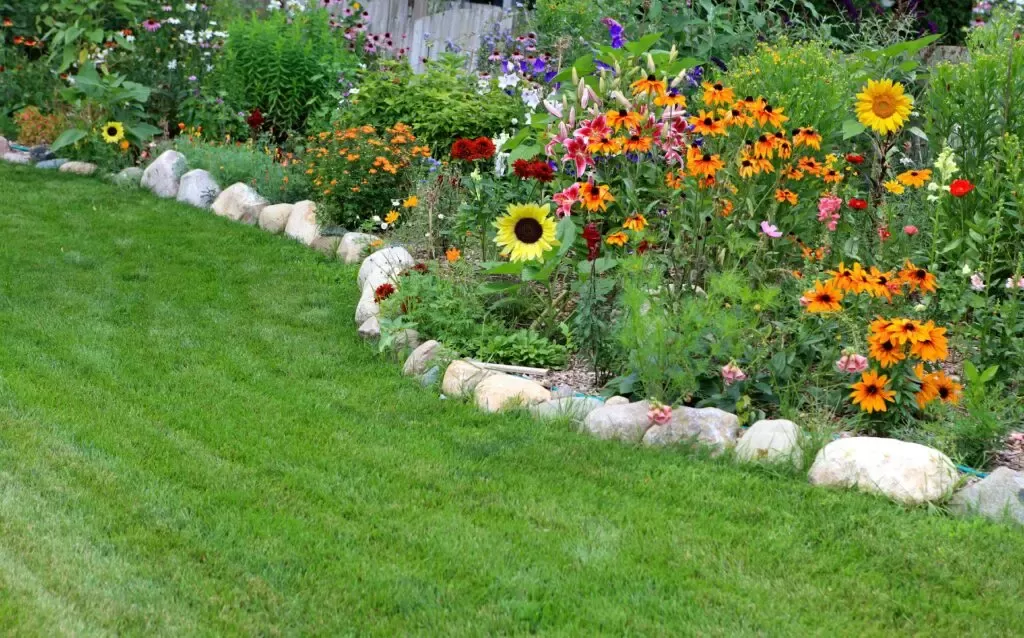
- Mass Planting: Planting a large drift of a single colorful flower creates a strong, dramatic statement. Think swaths of red salvias or a sea of yellow coreopsis.
- Borders and Edges: Use vibrant, low-growing colorful flowers to line walkways or define garden beds, creating a cheerful pathway.
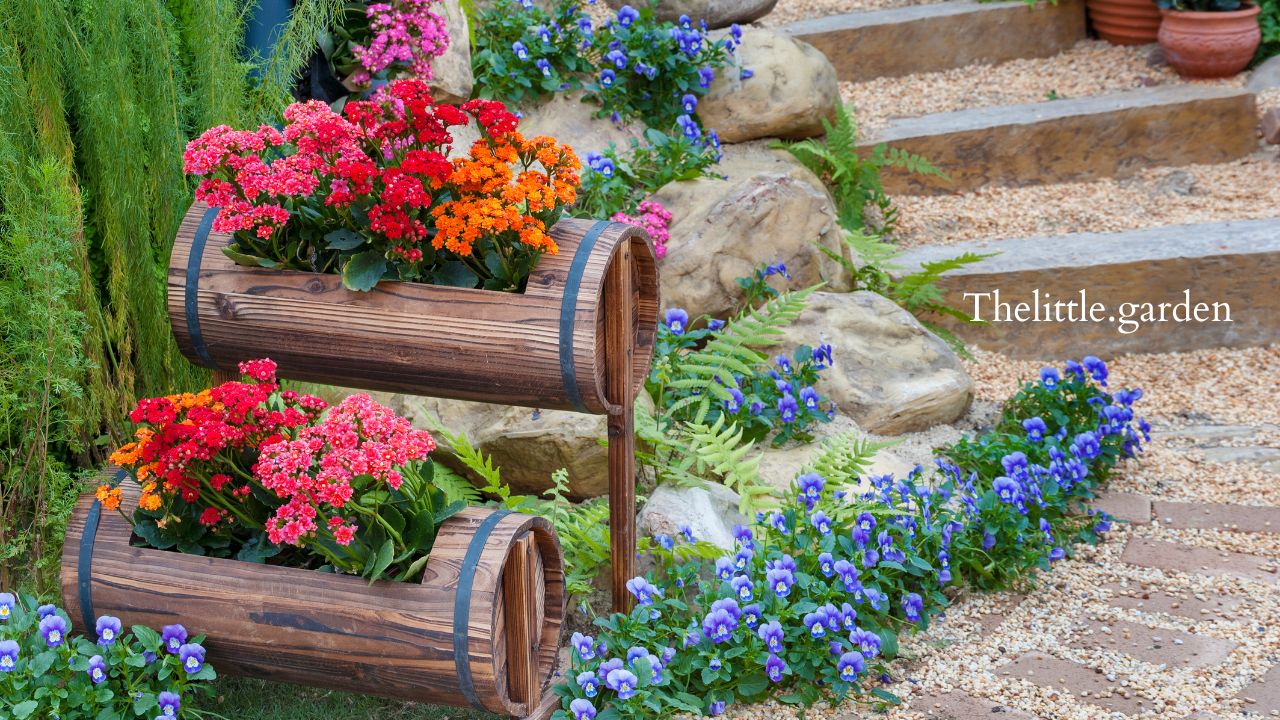
- Containers and Baskets: Perfect for small spaces, patios, or balconies, containers filled with colorful flowers bring blooms up to eye level and allow you to change displays seasonally. Mix different colors and textures for dynamic arrangements.
- Complementary Colors: Planting colors opposite each other on the color wheel (e.g., blue and orange, purple and yellow) creates high contrast and visual excitement.
- Analogous Colors: Using colors next to each other on the color wheel (e.g., pinks, reds, and oranges) creates a harmonious, flowing effect.
- Consider Bloom Time: Plan for continuous color by choosing varieties with staggered bloom times, ensuring your garden stays vibrant throughout the growing season.
Assortment of colorful flowers including gerbera daisies and carnations in a pink vase
Caring for Vibrant Blooms
Once your colorful flowers are planted, a little ongoing care will ensure they remain healthy and produce abundant blossoms.
- Watering: Water consistently, especially during hot or dry periods and when plants are establishing. Water at the base of the plant to keep foliage dry and prevent fungal diseases. Containers dry out faster and may need daily watering.
- Feeding: Most colorful annuals benefit from regular feeding (every 4-6 weeks) with a balanced liquid fertilizer to support continuous blooming. Perennials often require less frequent feeding, perhaps once or twice during the growing season.
- Deadheading: Removing spent flowers (deadheading) is crucial for many colorful annuals and some perennials. This prevents the plant from putting energy into seed production and encourages it to produce more flowers.
- Pest and Disease Watch: Keep an eye out for common pests like aphids or signs of fungal diseases. Healthy plants are more resistant, but early detection makes control easier.
 Pink, red, and purple colorful flowers arranged in a heart shape
Conclusion
Adding colorful flowers to your garden, landscape, or even just a few pots on your patio is one of the most rewarding gardening endeavors. They are nature’s way of painting the world with joy, attracting beneficial visitors, and providing us with endless visual delight. By choosing the right plants for your conditions and providing some basic care, you can easily create a vibrant, thriving space that brings a smile to your face every day.
Are you ready to add more color to your life? Start small, or go big! Share your favorite colorful blooms or garden design tips in the comments below, and don’t forget to explore more tips and inspiration for your own little garden space.