Close-up of gardener's hand pinching off a spent flower head from a plant with green leaves.
Key Takeaways:
There’s a simple secret many experienced gardeners use to keep their flower beds bursting with color from spring right through fall: it’s called deadheading. If you’ve ever wondered why some gardens seem to have an endless supply of vibrant blossoms while others fade quickly, the answer often lies in this one key practice. Mastering deadheading tips for more blooms is perhaps one of the most effective techniques you can employ in your home garden to achieve a stunning display and truly maximize your plants’ potential.
At its heart, deadheading is just the simple act of removing flowers that have finished their show. Think of those blossoms that have dropped their petals, started to dry out, or are beginning to form seed pods. These spent flowers are the targets. While it might seem counterintuitive to remove parts of the plant, this strategic trimming serves multiple important purposes beyond just tidying up.
In my own garden, I’ve seen firsthand the difference deadheading makes. A bed of cheerful marigolds goes from a fleeting summer display to a season-long spectacle just by regularly snipping away the faded blooms. It’s a small task that yields big results!
Many of us start deadheading just to make our plants look neater, but the advantages go much deeper. This simple gardening task offers significant benefits for the health and productivity of your plants.
This is the primary goal for many gardeners, and it’s where understanding deadheading tips for more blooms really pays off. Once a flower has been pollinated, a plant’s biological mission shifts from attracting pollinators (by producing beautiful flowers) to producing seeds for the next generation. By removing these spent flowers before they go to seed, you interrupt this process. The plant’s energy, instead of being directed towards developing seeds, is redirected back into vegetative growth and, crucially, into producing more flowers. This is how deadheading dramatically extends the flowering period for many species.
Let’s face it, faded, droopy flowers aren’t the most attractive sight. They can make even the healthiest plant look tired and neglected. Regularly removing spent blooms instantly improves the appearance of your plants, keeping them looking fresh, vibrant, and full of life. Plus, it prevents messy petals from dropping all over your paths and neighboring plants.
Decaying plant material, whether it’s still attached to the stem or lying on the soil below, can become a breeding ground for fungal diseases and bacterial problems. Removing spent flowers before they start to rot reduces the amount of potential disease material, helping to keep your plants healthier and less susceptible to infection.
Sometimes, we love a plant so much we wish it would self-seed, but often, unchecked self-seeding can lead to plants popping up where you don’t want them and potentially overcrowding your garden beds. Deadheading prevents seeds from forming and dropping, giving you more control over where your plants grow and preventing potentially aggressive spreaders from taking over. This is especially important for plants known for their prolific self-seeding habits.
Getting into a regular deadheading routine is key. The best time to deadhead is when the flower has clearly passed its prime – maybe the petals are wilting, fading, or have fallen off, and a seed head is beginning to form.
Don’t wait until the plant is covered in spent blooms! Making deadheading a small, frequent task is much easier than tackling a huge cleanup job later in the season. Start checking your plants in late spring or early summer as the first wave of flowers fades. A quick walk-through the garden every few days, scissors or fingers in hand, is usually enough to keep on top of it. This proactive approach ensures the plant redirects energy towards new blooms continuously.
The exact technique you use depends largely on the type of plant and its stem structure. There are two main methods:
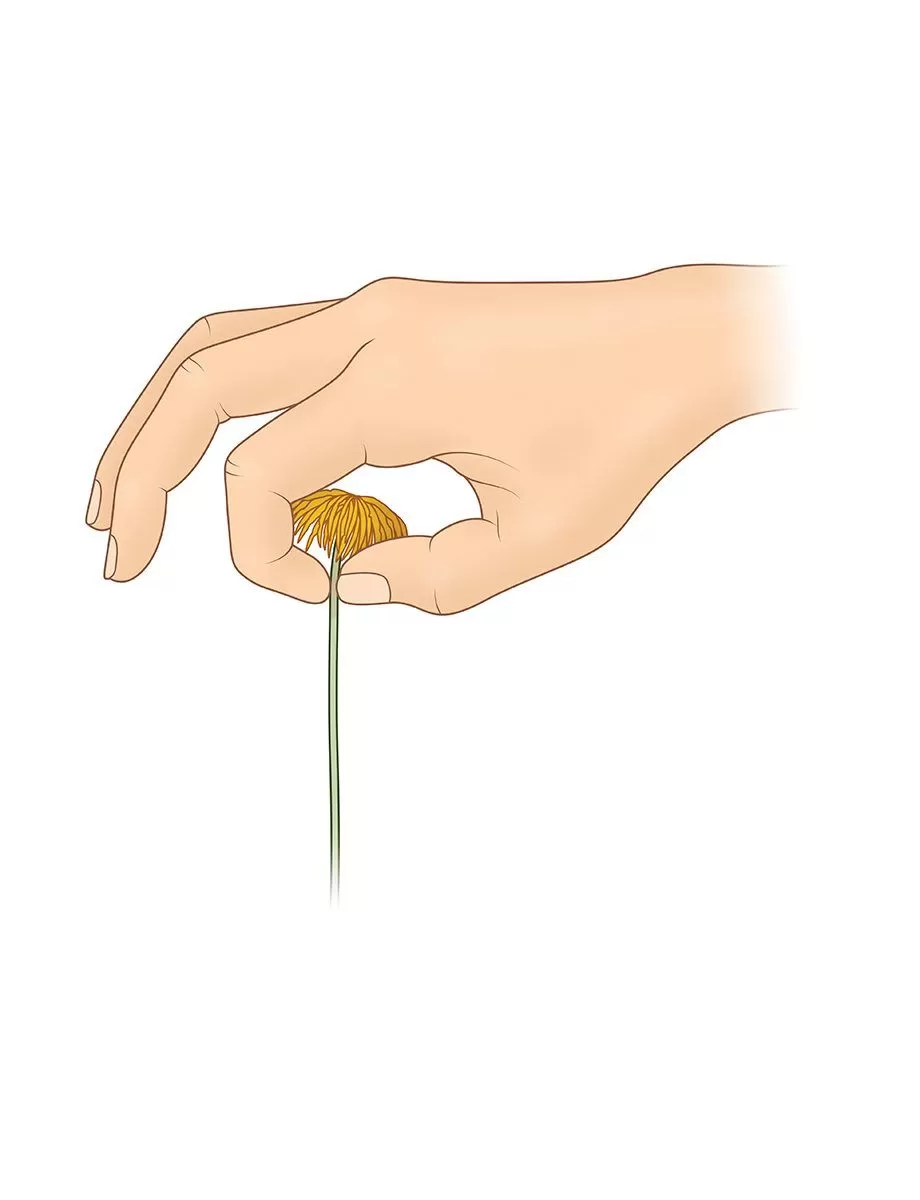
For plants with thin, soft stems, like many annuals, you can often simply pinch off the faded flower head using your thumb and forefinger. Make the pinch just below the spent flower, above the first healthy set of leaves or a new side bud. This method is quick and easy for plants like petunias (though many modern varieties are self-cleaning) or basil flowers. If you have sensitive skin or are working with prickly or sticky plants, wearing gardening gloves is a good idea.
For plants with thicker, tougher, or woody stems, like roses, peonies, or larger perennials, you’ll need sharp bypass pruners or snips. Make a clean cut below the spent flower head. Again, aim to cut just above a leaf node (where leaves attach to the stem) or a developing side shoot. This encourages the plant to send out new growth from that point, which often leads to more flowers.
Some plants, particularly those with many small flowers on branched stems (like some types of Salvia or Coreopsis) or groundcovers, can be tedious to deadhead individually. In these cases, a technique called “shearing” might be more efficient. After the main flush of blooms is past, you can cut back the top third or so of the plant using hedge shears or pruners. This removes most of the spent flowers quickly and encourages a new flush of growth and potentially more blooms, albeit often on shorter stems. Always check carefully for new buds hiding amongst the old before you shear heavily; if you see new buds, cut just above them.
Not every plant benefits from deadheading, and for some, it can even be detrimental or simply unnecessary. Understanding a plant’s growth habit is key.
Annuals (plants that complete their life cycle in one season) are generally excellent candidates for deadheading because their main goal is to produce seed before they die. Preventing seed formation encourages them to keep trying, resulting in more flowers.
Perennials (plants that live for multiple years) vary more. Many re-blooming perennials benefit greatly, giving you additional flushes of color. However, some perennials only bloom once regardless of deadheading, and others are grown for attractive seed heads that add winter interest.
Many popular garden plants will reward your deadheading efforts with continuous blooms throughout the season. These are often referred to as ‘cut-and-come-again’ flowers because harvesting or deadheading them encourages further production.
Here are some common examples:
Some plants are best left undeadheaded. This includes plants grown specifically for their attractive seed heads which provide architectural interest in the fall and winter garden, as well as food and habitat for wildlife. Others simply don’t re-bloom after deadheading, or they are “self-cleaning,” meaning the spent flowers drop off naturally.
Here are some common plants often best left to their own devices:
(Note: Many modern Impatiens and Petunia varieties are bred to be “self-cleaning” and may not require deadheading, or respond differently.)
Adding deadheading to your regular gardening tasks is one of the most rewarding efforts you can make. By simply removing spent flowers, you actively encourage your plants to produce more blooms, extend their flowering season, maintain a tidy appearance, and even improve their overall health. It’s a powerful technique that helps transform your garden from a fleeting display into a vibrant, long-lasting spectacle. So grab your snips or simply use your fingers, and get ready to enjoy an abundance of beautiful flowers all season long!
Have you tried deadheading your plants? What results have you seen? Share your experiences in the comments below, or share this article with fellow garden enthusiasts!
Key takeaways: Discover 5 enchanting flowers to create a magical fairy garden Learn the symbolic…
Watermelon Red Crape Myrtle is a classic, versatile tree with stunning pink-red blooms Grows 20-25…
Key Takeaways: Oriental lilies are prized for their large, fragrant blooms They thrive in well-draining…
Key takeaways: Amaranth is easy to grow in containers, perfect for beginners and experienced gardeners…
Vibrant, low-maintenance flowers for sunny spots Continuous color throughout summer Perfect for borders, ground cover,…
Here's how implementing no-dig techniques can transform your container gardening: Build Richer Soil: Layers of…