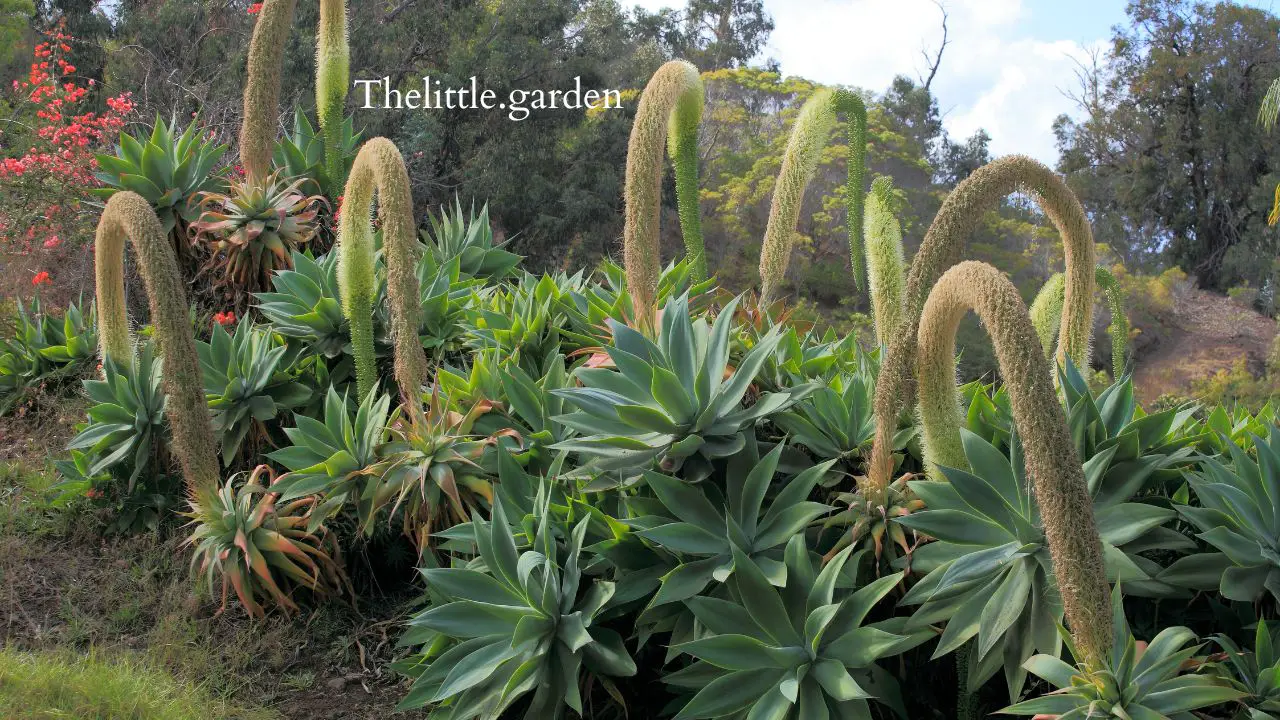
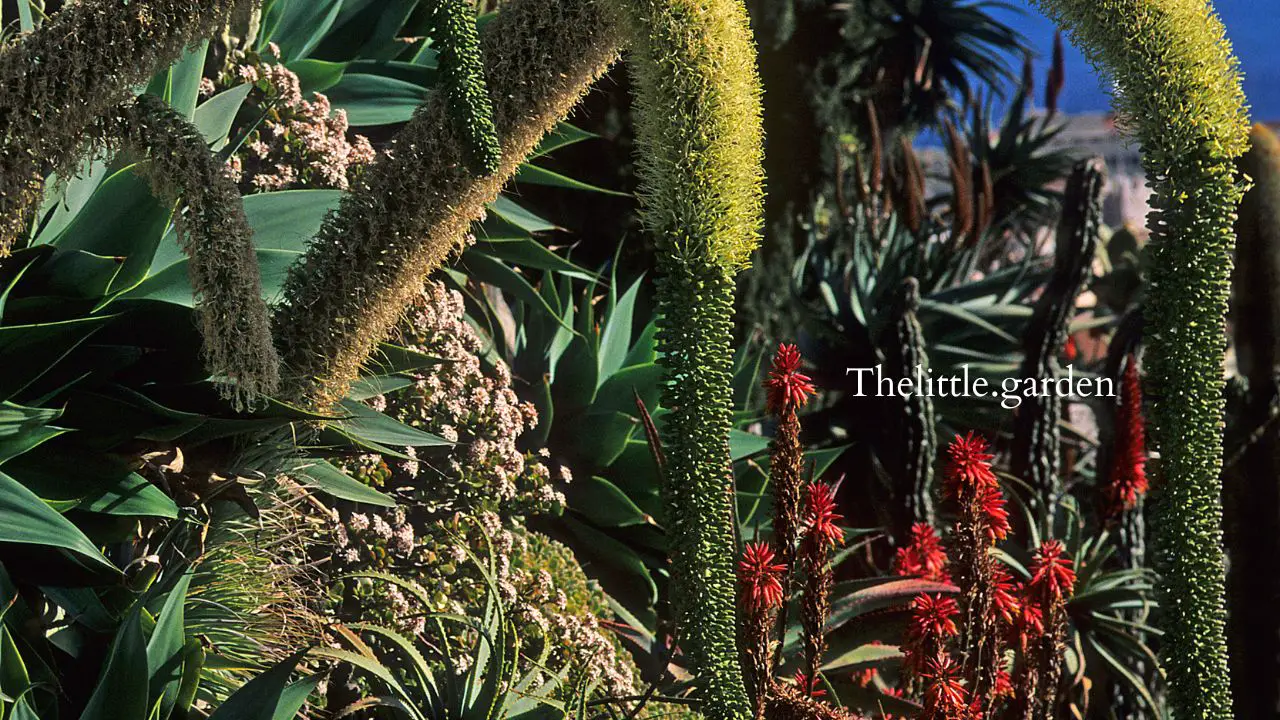
Picture this: You’re strolling through a sun-drenched garden in Spain when you suddenly encounter a breathtaking sight – a majestic Foxtail Agave in full bloom. Its elegant, curved flower stalk reaches skyward, adorned with countless greenish-yellow blossoms. But as you marvel at this botanical wonder, a bittersweet realization dawns: this spectacular display marks the grand finale of the plant’s life. Today, we’ll explore the fascinating life cycle of the Foxtail Agave and answer the burning question: Do Foxtail Agaves die after flowering?
Foxtail Agaves, scientifically known as Agave attenuata, belong to a group of plants with a unique life strategy. These succulents are monocarpic, meaning they flower once in their lifetime and then gradually fade away. This process is both beautiful and poignant, representing the plant’s final act of reproduction before its demise.
Dr. Maria Rodriguez, a succulent expert at the Botanical Gardens of Madrid, explains, “The flowering of a Foxtail Agave is truly a sight to behold. It’s the plant’s way of ensuring its genetic legacy continues, even as the parent plant reaches the end of its life cycle.”
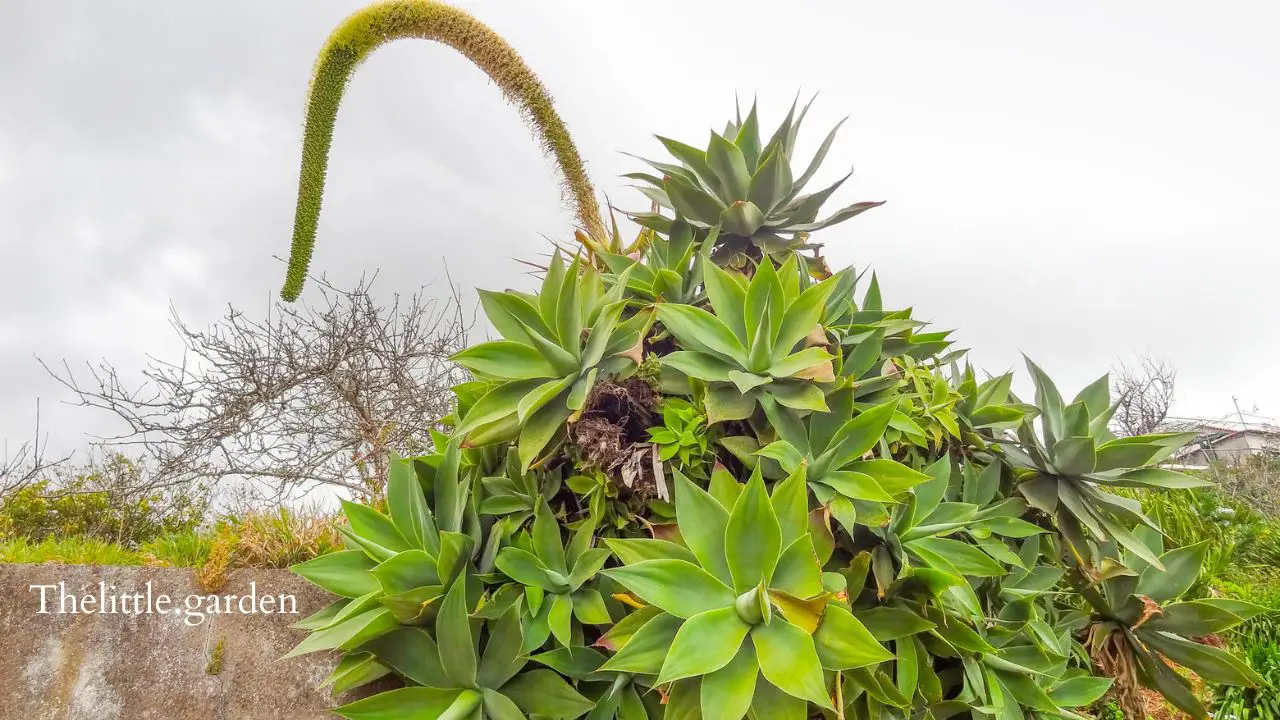
After patiently growing for 10 to 25 years, a mature Foxtail Agave begins its crowning achievement – the development of a magnificent flowering stalk. This process is a true spectacle of nature, with the stalk growing rapidly and curving gracefully, reminiscent of a fox’s tail (hence the common name).
The flowering period itself can last anywhere from several weeks to a few months, depending on various factors such as climate, plant health, and specific genetic variations. During this time, the agave puts all its energy into producing flowers and, subsequently, seeds.
As the flowers begin to wither and the seeds mature, you might notice the agave’s leaves starting to yellow and droop. This is a natural part of the process and signals the beginning of the end for the main plant. However, all is not lost in the garden!
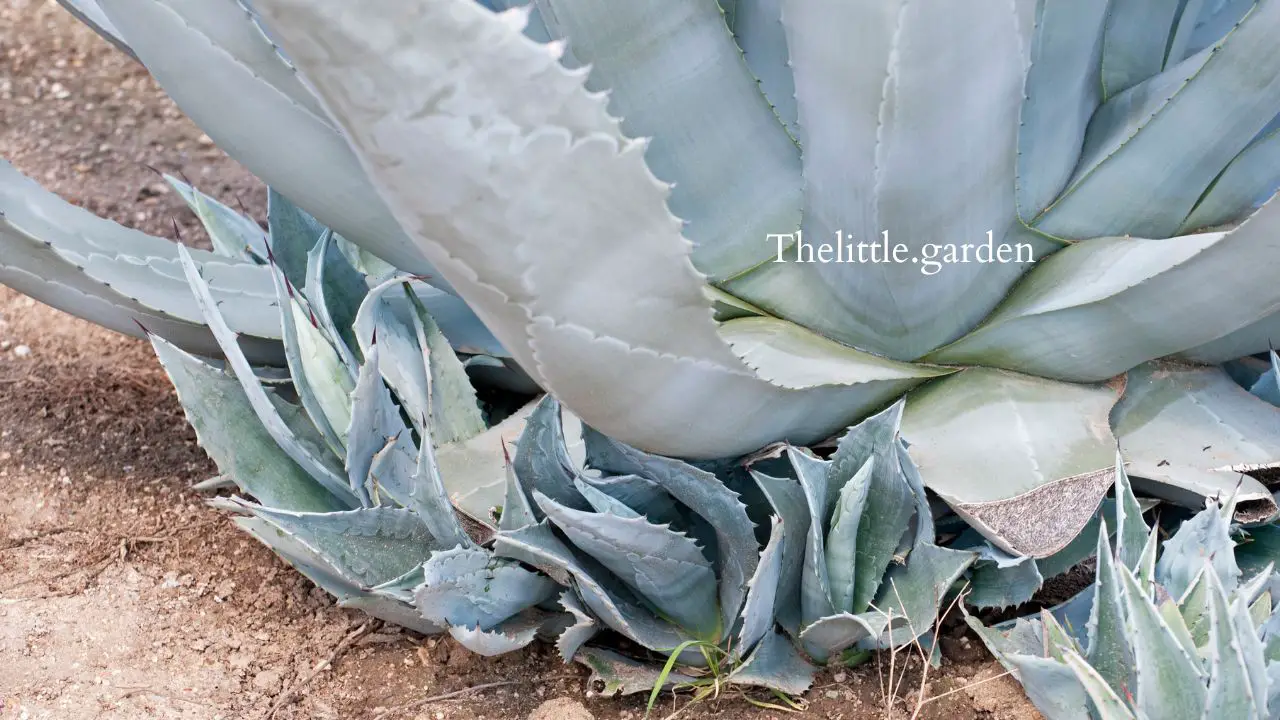
While the flowering Foxtail Agave may be on its way out, it leaves behind a parting gift – pups. These small offshoots grow around the base of the parent plant and are genetically identical to it. They represent the agave’s strategy for vegetative reproduction, ensuring that its legacy lives on even after the main plant has died.
Gardening enthusiast Sarah Thompson shares her experience: “When my first Foxtail Agave flowered, I was heartbroken to see it dying. But then I noticed all these little pups sprouting up around it. It was like the plant was saying, ‘Don’t worry, I’m leaving you with plenty of babies to care for!'”
For those who want to continue growing Foxtail Agaves, these pups offer an excellent opportunity for propagation. Here’s a quick guide to getting started:
To ensure your Foxtail Agave thrives and eventually produces its spectacular flower, follow these care tips:
Remember, patience is key when growing Foxtail Agaves. These slow-growing plants reward the patient gardener with their unique beauty and, eventually, a truly unforgettable flowering display.
While it’s true that Foxtail Agaves die after flowering, this natural process is far from the end of the story. The spectacular bloom, lasting for weeks or even months, is a celebration of the plant’s life and a mechanism for ensuring its genetic continuity through seeds and pups.
As gardeners and plant enthusiasts, we can appreciate the full cycle of life represented by the Foxtail Agave. From the slow growth of the rosette to the dramatic flowering finale, each stage offers its own beauty and wonder. And with proper care of the pups left behind, we can ensure that the legacy of these magnificent plants continues for generations to come.
So, the next time you spot a Foxtail Agave in bloom, take a moment to marvel at nature’s grand design. It’s not just an ending, but a beautiful transition and a new beginning.
Key takeaways: Discover 5 enchanting flowers to create a magical fairy garden Learn the symbolic…
Watermelon Red Crape Myrtle is a classic, versatile tree with stunning pink-red blooms Grows 20-25…
Key Takeaways: Oriental lilies are prized for their large, fragrant blooms They thrive in well-draining…
Key takeaways: Amaranth is easy to grow in containers, perfect for beginners and experienced gardeners…
Vibrant, low-maintenance flowers for sunny spots Continuous color throughout summer Perfect for borders, ground cover,…
Here's how implementing no-dig techniques can transform your container gardening: Build Richer Soil: Layers of…