- Quick Wins: Discover herbs that practically grow themselves, like mint, chives, and basil.
- Pollinator Power: Attract beneficial insects to your garden with dill and parsley.
- Flavor Bursts: Elevate your culinary creations with fresh, homegrown herbs.
- Gardening for All: Even if you’re new to gardening, you can cultivate a flourishing herb garden.
Growing your own herbs is a rewarding experience, bringing fresh flavors to your kitchen and beauty to your space. Whether you’re a seasoned gardener or just starting, there are several easy herbs to grow that will thrive with minimal effort. Let’s explore some of the best choices for a successful herb garden, packed with tips and real-life experiences.
Herbs That Thrive with Ease
Some herbs practically grow themselves. These vigorous growers are perfect for beginners but require some management to prevent them from taking over your garden.
Mint and Oregano: Container Champions
Mint and oregano, both members of the mint family, are incredibly easy to grow, sometimes a little too easy! From personal experience, planting oregano directly in the ground can lead to an oregano invasion. Containing these herbs in pots or planter boxes will keep them from spreading rampantly while still providing you with abundant leaves for your culinary adventures. Both thrive in well-drained soil with plenty of sunshine.
Chives and Garlic Chives: Allium All-Stars
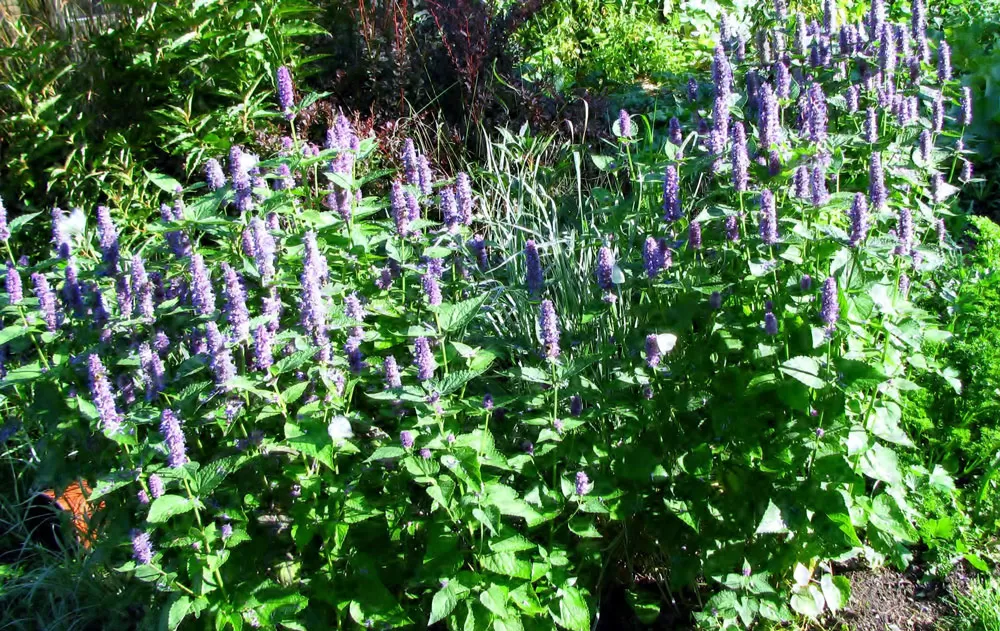
Chives and garlic chives, part of the Allium family, are also remarkably low-maintenance. Garlic chives have flat leaves, white flowers, and a distinct garlicky flavor, while onion chives offer a milder onion taste. Garlic chives are especially prolific spreaders. Containing them in pots and diligently deadheading the flowers will prevent them from dominating your garden. Onion chives are less aggressive but can still benefit from similar care.
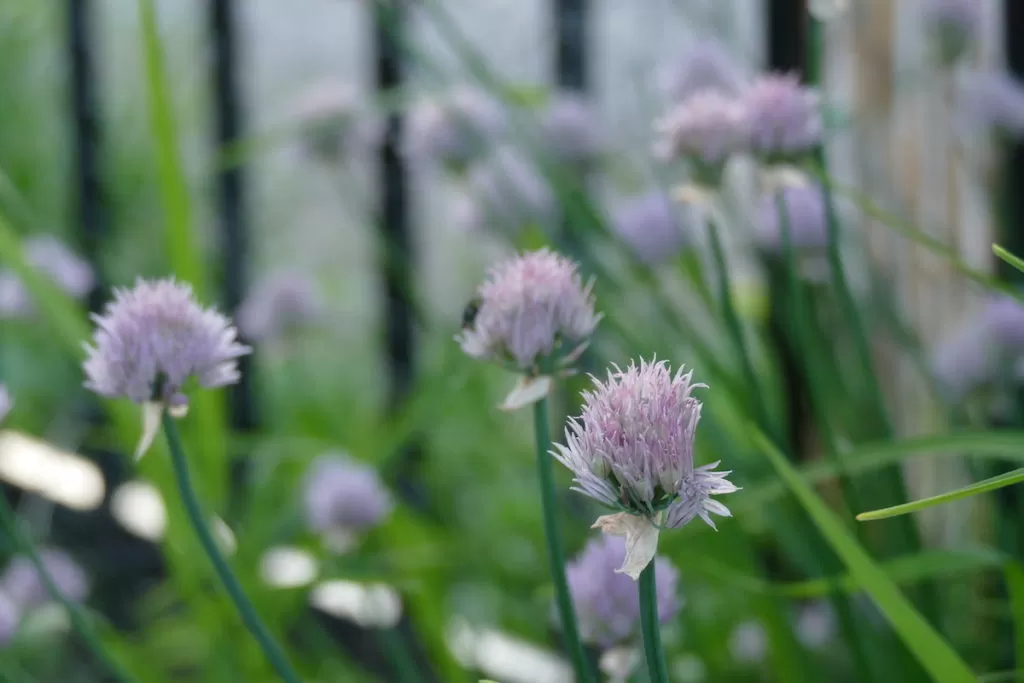 Chive plant with round purple flowers in a garden bed
Pollinator-Friendly Herbs
Attract beneficial insects to your garden with these easy-to-grow herbs.
Dill: A Swallowtail Favorite
Dill may not be a culinary staple for everyone, but it’s a must-have for attracting pollinators. Dill serves as a host plant for black swallowtail butterfly caterpillars and its flowers provide nectar for bees, butterflies, and other beneficial insects. Dill can self-seed, but it’s easy to manage and its airy foliage adds a lovely touch to the garden.
Parsley: A Versatile Beauty
Parsley is another easy herb that won’t spread aggressively. It’s a biennial, meaning it flowers and sets seed in its second year. Start parsley from seed indoors or purchase seedlings in early spring. It has a taproot, so handle transplants with care to avoid disturbing the roots. Parsley can be used as an edging plant, added to containers, or simply harvested for its fresh, flavorful leaves.
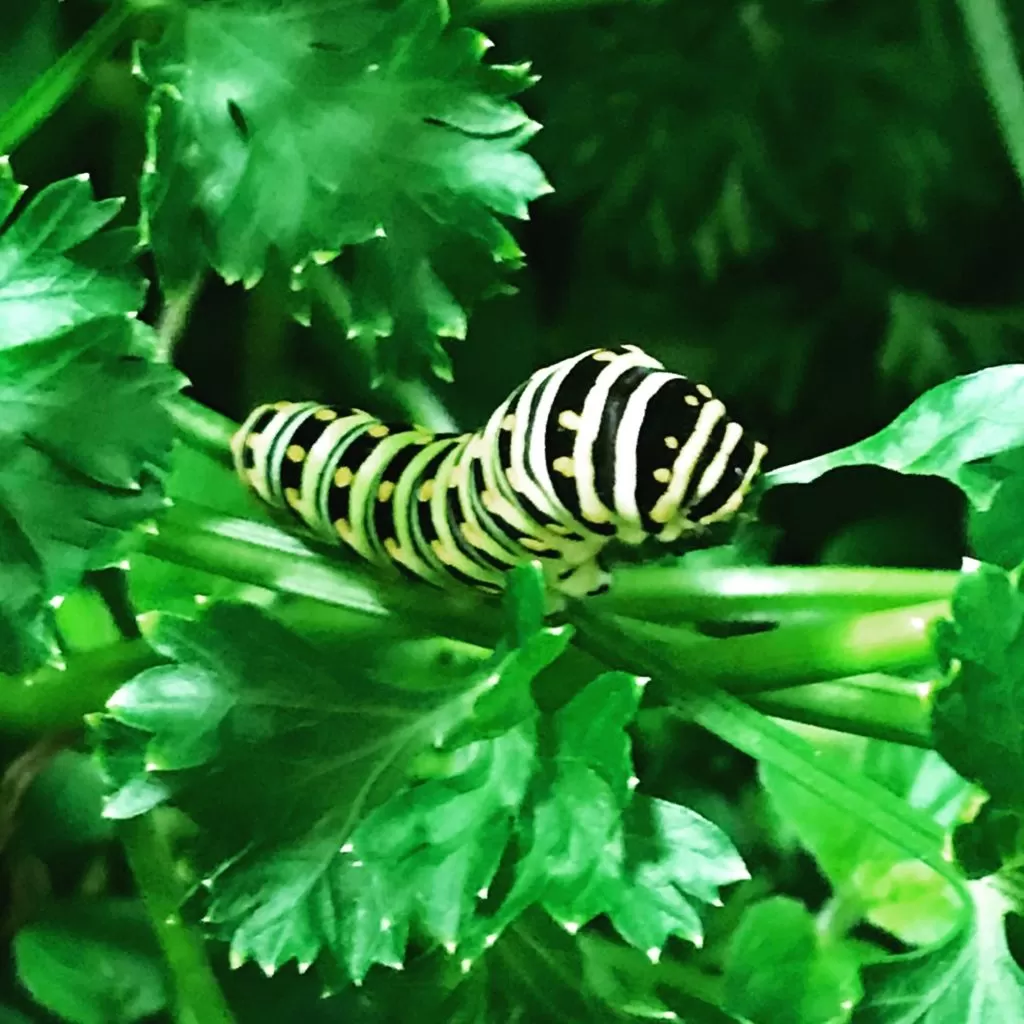 Black swallowtail caterpillar on parsley
Flavorful Favorites from Seed
These herbs are not only easy to grow from seed but also add delicious flavors to your dishes.
Basil: A Culinary Essential
Basil, a culinary favorite, is remarkably easy to grow from seed. Successive plantings will ensure a steady supply of fresh basil throughout the summer. Basil can be grown in pots or directly in the ground, where it tends to flourish. While susceptible to some diseases like wilts and downy mildew, regular harvesting and good air circulation can help prevent issues. Leaving some plants to flower will also attract pollinators.
Cilantro: A Quick Crop
Cilantro, with its distinctive flavor, is a fast-growing herb that’s perfect for spring and fall gardens. It tends to bolt (go to seed) quickly in warm weather, so planting it in early spring or late summer is recommended. Cilantro germinates quickly and is ready to harvest in about four weeks, attracting native bees and syrphid flies to your garden.
Aromatic Additions
Expand your herb garden with these fragrant and flavorful choices.
Lemon Balm: A Citrusy Delight
Lemon balm, a relative of mint, is another easy-to-grow herb with a captivating lemon scent. Less aggressive than mint, it thrives in containers and is relatively pest-free. Its leaves can be used to infuse syrups, teas, and other culinary creations. Lemon balm prefers warmer soil for germination, so starting with seedlings is often easier than sowing seeds directly.
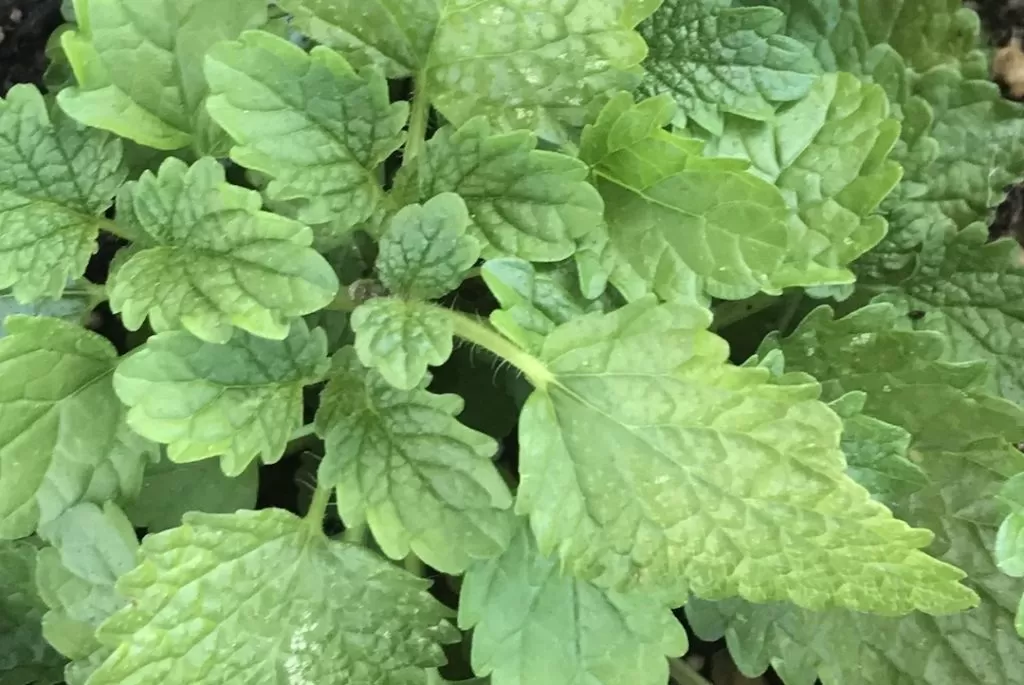 Lemon balm plant with serrated leaves
Conclusion
Growing herbs is a simple pleasure that anyone can enjoy. With a little knowledge and care, you can cultivate a thriving herb garden filled with fresh flavors and aromatic delights. From mint and basil to dill and parsley, the options are abundant and the rewards are plentiful. So, get started and experience the joy of homegrown herbs! Share your favorite herb-growing tips in the comments below. We’d love to hear from you!