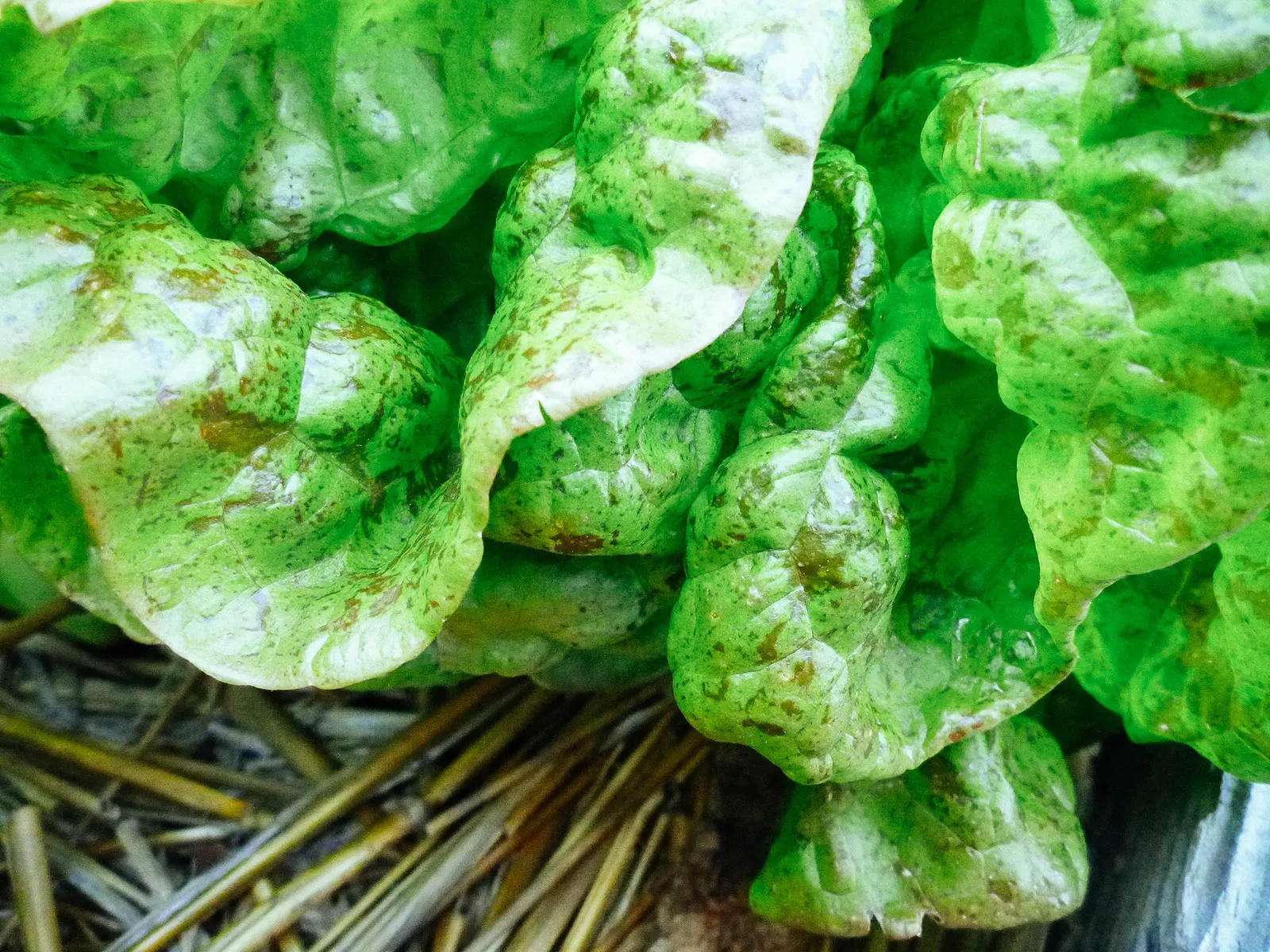
Red-speckled leaves on Butterhead Speckles lettuce
Here are the key takeaways for enjoying fresh salad greens even when the temperature rises:
The summer garden bursts with ripe tomatoes, peppers, and zucchini, but often, our beloved salad greens wave a quick goodbye as soon as the heat arrives. It feels like a cruel joke of nature, offering bounty when we crave fresh salads the most, only for lettuce to bolt and turn bitter. But what if you could continue harvesting crisp, delicious salad greens right from your patio or balcony containers, even in the dog days of summer? It’s not a myth; it’s entirely achievable with the right plant choices and smart gardening practices, especially when growing heat-resilient container salad greens for peak summer harvest. After years of experimenting and watching many lettuces succumb to the heat, I discovered there are varieties and techniques that allow us to defy the summer wilt and keep the salad bowl full.
Traditional lettuce varieties are cool-weather crops. As soon as temperatures climb, they think their life cycle is complete and rush to produce flower stalks and seeds – a process known as bolting. This diverts energy from leaf production and often results in a bitter taste. Heat-tolerant varieties, however, are bred or selected to withstand warmer temperatures for longer periods before bolting. This is crucial for growing heat-resilient container salad greens for peak summer harvest.
My personal journey to year-round salad greens led me to a standout: Butterhead Speckles lettuce. I grew these from seed in small pots in late spring, placing them directly in full sun in my Zone 10b garden. They germinated quickly, and once transplanted (some into larger containers, some into beds), they thrived even as summer intensified. These weren’t just surviving; they were producing beautiful, loosely formed heads of tender, sweet leaves with lovely red speckles.
What impressed me most was their resilience. They didn’t wilt in the midday sun and showed no signs of bolting for months, continuing to produce leaves even as temperatures soared into the 90s during our Indian summer. This experience solidified my belief that with the right varieties, growing heat-resilient container salad greens for peak summer harvest isn’t just possible, it can be incredibly rewarding. And containers offer an extra layer of control, making success even more likely.
While Butterhead Speckles holds a special place, many other lettuce varieties are known for their ability to resist bolting and maintain good flavor in warmer conditions. When selecting seeds or starts for your summer containers, look for varieties described as “heat-tolerant,” “slow to bolt,” or “summer crisp.”
Here are some reliable types and specific varieties to consider for growing heat-resilient container salad greens for peak summer harvest:
Often the most heat-tolerant type. Known for their soft, tender leaves that form loose heads.
Loose-leaf types are generally slower to bolt than head-forming varieties.
Provides color and often heat resistance.
These lettuces combine crisp texture with excellent heat tolerance.
While often seen as less flavorful, some varieties offer surprising heat tolerance.
Known for crisp, upright leaves, some varieties are very heat-tolerant.
Choosing a mix of varieties can add interest to your salads and hedge your bets against unpredictable summer weather. Many seed companies offer “heat wave” mixes specifically designed for summer planting.
Containers offer unique advantages for managing heat stress on salad greens. Here’s how to maximize your success:
While head lettuces are great, loose-leaf varieties (like many mentioned above) are generally more forgiving in heat. They allow for “cut and come again” harvesting, which also helps prevent bolting. Butterheads are typically the most reliable.
Lettuce seeds struggle to germinate in hot soil (above 80°F). For a summer harvest, sow seeds when soil temperatures are still mild in late spring or early summer. For continuous harvest, you’ll need to employ the next two tips.
If you missed the early-season window, starting seeds indoors in a cooler environment ensures germination. Once seedlings have a few true leaves, harden them off gradually before moving them outside to your containers. Alternatively, buy young transplants from a nursery. Planting transplants in containers allows them to establish roots more easily than direct sowing in hot soil.
Planting new seeds or transplants every 2-3 weeks ensures that as one batch matures or starts to fade in the heat, another is ready to harvest. This is especially easy with containers – you can have containers at different stages of growth.
Containers dry out much faster than garden beds, especially in summer heat. Lettuce has shallow roots, so consistent moisture is critical. Aim for soil that is consistently moist but not waterlogged. Check containers daily, sometimes twice on the hottest days. Water thoroughly until water drains from the bottom. Watering early in the morning is best, but a light afternoon watering can help cool the roots and foliage during peak heat. Drip irrigation or self-watering containers can be excellent allies here.
This is where containers truly shine for growing heat-resilient container salad greens for peak summer harvest. Containers are portable! Move your lettuce containers to a location that receives morning sun but is shaded during the hottest part of the afternoon (typically 11 am – 3 pm). Place them behind taller container plants, under a tree, next to a wall or fence that casts a shadow, or even under a portable shade structure. Just a few degrees drop in temperature can significantly delay bolting. You can also use shade cloth draped over hoops or a simple frame above your containers.
A diluted liquid fertilizer can support leafy growth. However, avoid fertilizing during heat waves (when temps are consistently above 85-90°F) as this can stress the plants further. Focus on watering during extreme heat. A balanced slow-release fertilizer mixed into the potting mix at the start is often sufficient, supplemented perhaps once a month with a gentle liquid feed during milder periods.
Consistent harvesting encourages the plant to produce more leaves rather than focusing on seed production. For loose-leaf types, pick the outer leaves regularly, leaving the central core to continue growing (“cut and come again”). For head varieties, harvest the entire head when it reaches a desirable size, or pick outer leaves as needed. Don’t let leaves get overly large before harvesting. Harvesting frequently is one of the simplest yet most effective ways to prolong your lettuce season.
Don’t let the summer heat deter you from enjoying fresh, homegrown salad greens. By selecting heat-resilient varieties and implementing smart container gardening techniques – focusing on proper watering, strategic shade, and regular harvesting – you can successfully keep your salad bowl full right through the peak of summer. Growing heat-resilient container salad greens for peak summer harvest is not only possible but can be incredibly rewarding. Give it a try and taste the difference!
What are your favorite heat-tolerant salad greens for containers? Share your experiences in the comments below! Explore more tips and plant guides on Thelittle.garden to make your gardening journey successful year-round.
Here's how implementing no-dig techniques can transform your container gardening: Build Richer Soil: Layers of…
Healthy soil is teeming with beneficial microbes that act as a natural defense system for…
Transform your patio into a vibrant, wildlife-friendly oasis. Discover how to create beautiful, low-maintenance container…
Unlock the secret to a beautiful, resilient garden with Sedum & Yarrow blends. Discover why…
Beat the Heat: Discover resilient perennials that thrive in containers during the hottest summer months,…
Variegated Pothos, like the Golden Pothos and Marble Queen, are stunning, easy-care houseplants perfect for…