- Harvesting sun-ripened tomatoes and vibrant peppers fresh from your garden is the ultimate summer reward.
- Container gardening makes achieving a peak summer harvest accessible, even in small spaces.
- Timing your planting, particularly around the summer solstice, can maximize growth during the longest days.
- Choosing the right varieties and providing tailored care are key to abundant yields from pots.
There’s nothing quite like stepping onto your patio or balcony and plucking a juicy tomato or a crisp pepper you grew yourself. As the summer solstice approaches, marking the longest day of the year, it’s a prime time to think about maximizing your harvest bounty during the peak summer months. While traditional in-ground gardening is wonderful, growing tomatoes and peppers in containers offers fantastic flexibility and control, making it an ideal strategy for ensuring a prolific peak summer harvest. Let’s dive into how you can master growing solstice tomato & pepper containers for peak summer harvest.
Why Containers Are Perfect for Summer Harvest Goals
Choosing containers isn’t just about saving space; it’s a strategic move for getting that perfect summer yield. Pots heat up faster in the spring, giving your warm-loving tomato and pepper plants a head start. You have complete control over the soil, drainage, and nutrients, creating an optimal environment right from the start. Plus, you can move them to capture the most sun or offer a little afternoon shade if summer gets intensely hot, which is especially helpful around the solstice when the sun’s power is strongest.
Choosing Your Solstice Stars: Tomatoes & Peppers
Not all tomatoes and peppers are created equal for container life. For the best chance at a prolific summer harvest, look for varieties labeled as “bush,” “determinate,” or those known for being more compact or suitable for pots.
Selecting Tomato Varieties for Pots
Determinate tomatoes grow to a specific size and produce most of their fruit around the same time, making them ideal for a focused summer harvest burst. Cherry tomatoes are also fantastic in containers, offering continuous small fruits.
- Species: Solanum lycopersicum
- Common Name: Tomato
- Zone: Typically grown as annuals in most zones; Perennial in Zones 10-11
- Light: Full sun (6-8+ hours direct light daily)
- Humidity: Prefers moderate humidity
- Water: Consistent moisture, especially in containers; avoid drying out
Selecting Pepper Varieties for Pots
Many pepper varieties, especially smaller chili peppers and compact bell peppers, thrive in containers. Look for varieties known for their bush habit.
- Species: Capsicum annuum (most common types like Bell, Jalapeño, Poblano), Capsicum chinense (Habanero, Scotch Bonnet), etc.
- Common Name: Pepper
- Zone: Typically grown as annuals in most zones; Perennial in Zones 9-11+ depending on type
- Light: Full sun (6-8+ hours direct light daily)
- Humidity: Prefers moderate humidity
- Water: Consistent moisture; allow the top inch or two of soil to dry slightly between waterings
Getting Started: Containers, Soil, and Site Selection
Success starts before you even plant. The right foundation is crucial for healthy, productive container plants aiming for that peak summer window.
Choosing the Right Containers
Size matters! Tomatoes need at least 10-gallon pots (20 inches in diameter or larger is even better), while most peppers do well in 5-10 gallon pots. Crucially, ensure ample drainage holes at the bottom. Without them, roots will drown.
Soil Mix Matters
Don’t use garden soil in pots; it compacts too easily. Use a high-quality, loose, well-draining potting mix. Blending in some compost or aged manure provides essential nutrients and improves drainage and water retention – a perfect balance for happy container roots.
Sun is Key
Tomatoes and peppers are sun worshippers, especially when loaded with fruit. Place your containers where they will receive at least 6-8 hours of direct sunlight daily. More sun often means more fruit, which is exactly what you want for a peak summer harvest.
Planting for Success
Getting your seedlings into their summer homes correctly sets them up for vigorous growth leading up to and through the solstice.
Timing Your Planting
For a peak summer harvest (think July/August), you typically need to start your plants well before the solstice. This means sowing seeds indoors 6-8 weeks before your last expected spring frost or purchasing healthy seedlings when frost danger has passed and nighttime temperatures are consistently above 50-55°F. Transplanting into containers when conditions are warm allows them to establish quickly and be ready to explode with growth during the long, sunny days around the solstice and into summer.
Transplanting into Containers
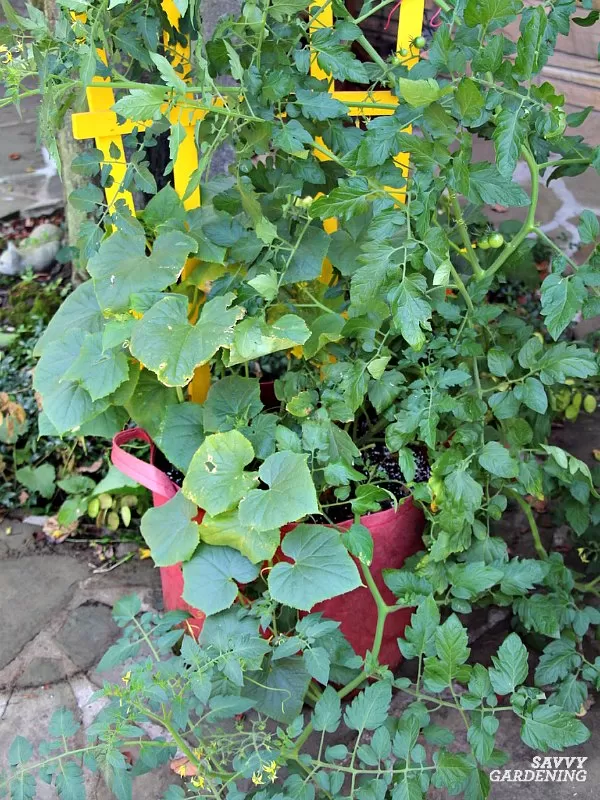
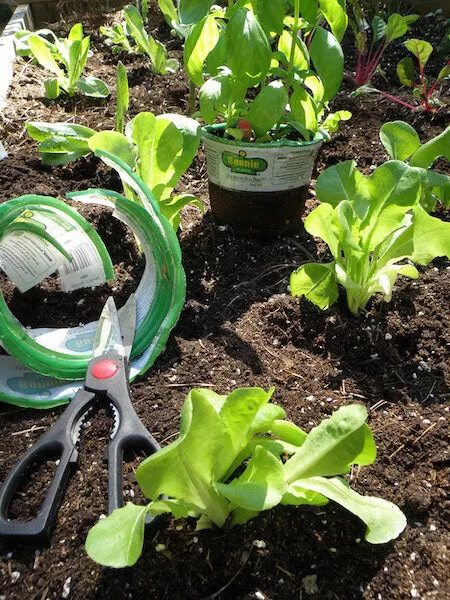
When transplanting tomato seedlings, pinch off the lower leaves and plant them deeply – roots will form along the buried stem, creating a stronger root system. Peppers can be planted at the same depth as they were in their nursery pot. Plant only one tomato or pepper plant per container of the recommended size to avoid overcrowding and competition for resources.
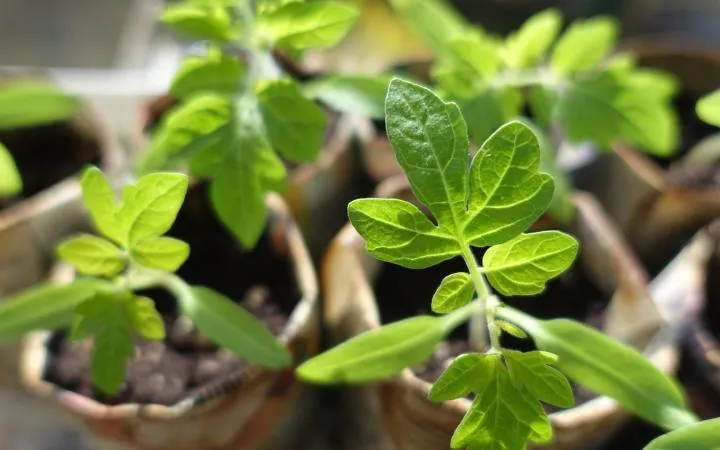 Tomato seedlings
Supporting Your Plants
Even bushier varieties can benefit from support, especially once they are heavy with fruit. Install stakes or cages at planting time to avoid damaging roots later. This keeps fruit off the soil (reducing disease risk) and prevents branches from breaking. For tomatoes, a sturdy stake or a standard tomato cage works well. Peppers often just need a small stake or two as they become top-heavy.
Nurturing Your Container Crops
Container plants have specific needs that differ from in-ground gardens, especially when pushing for maximum production.
Watering Needs
This is perhaps the most critical difference. Containers dry out much faster than garden beds. Check your pots daily, sometimes twice on hot, windy days. Water thoroughly until water drains from the bottom. Consistent moisture is key; fluctuating watering can lead to problems like blossom end rot in tomatoes and peppers. Aim for consistently moist, but not waterlogged, soil.
Feeding Your Plants
With limited soil, container plants quickly use up available nutrients. Start with a good potting mix enriched with compost. Once plants begin to flower and set fruit, feed them regularly (every 2-4 weeks) with a balanced liquid fertilizer or one formulated for tomatoes and vegetables, following package directions. Avoid fertilizers high in nitrogen early on, as this promotes leafy growth at the expense of flowers and fruit.
Hardening Off
If you started seeds indoors or bought plants that haven’t been outdoors before, remember to “harden them off” over a week or two. Gradually expose them to outdoor conditions (sun, wind, temperature fluctuations) before transplanting them permanently into their containers.
Troubleshooting Common Container Garden Issues
While containers offer control, they aren’t immune to problems. Watch for common pests like aphids or spider mites, and diseases like powdery mildew. Good air circulation (achieved by proper spacing and pruning lower leaves) helps prevent fungal issues. Address problems quickly to keep your plants healthy and productive.
Reaching Peak Summer Harvest!
As the days remain long after the solstice and temperatures climb, your plants, if started at the right time and cared for diligently, should be entering their most prolific phase. Harvest tomatoes when they are fully colored and feel slightly soft. Harvest peppers when they reach their desired size and color. Regular harvesting encourages the plant to produce more fruit, extending your peak season.
Growing delicious tomatoes and peppers in containers for a peak summer harvest is incredibly rewarding. By choosing appropriate varieties, providing the right container, soil, and sun, and staying consistent with watering and feeding, you’ll be enjoying a bountiful harvest straight from your pots all summer long.
Ready to fill your summer with homegrown goodness? Give container gardening a try! What are your favorite tomato or pepper varieties for pots? Share your tips in the comments below! And if you found this guide helpful, don’t forget to share it with your fellow garden enthusiasts. Explore more gardening tips and inspiration right here on Thelittle.garden!