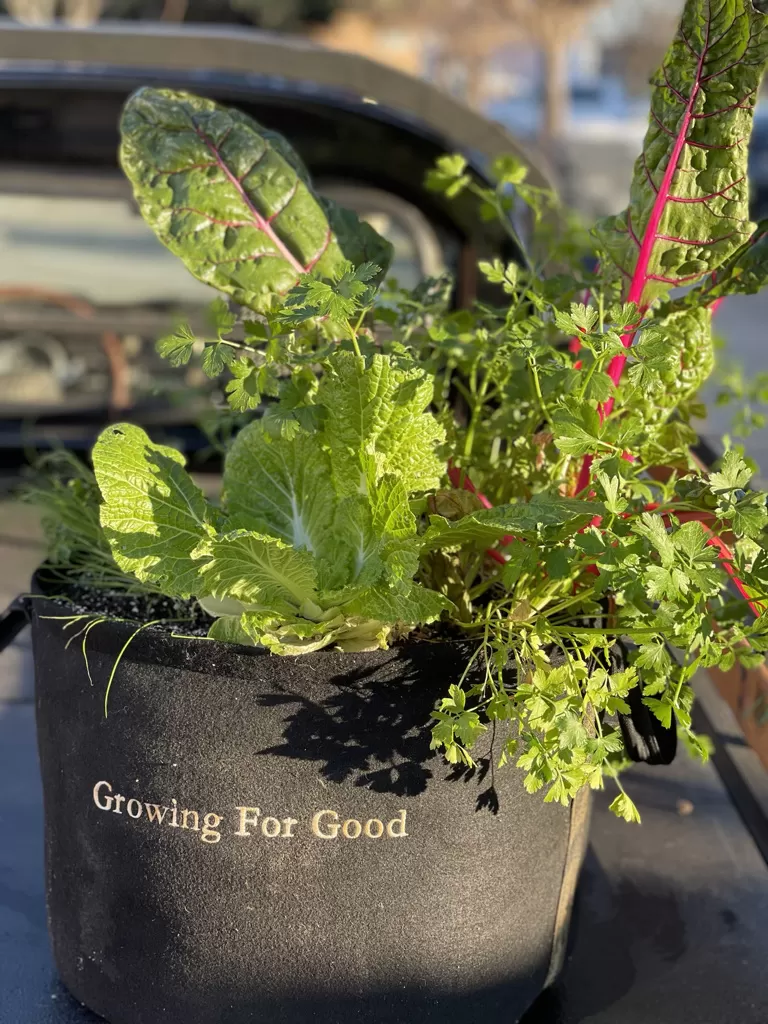
Container filled with various green plants, possibly herbs or lettuces
Imagine stepping just outside your door to snip fresh basil for your pasta, grab a ripe tomato for a salad, or pick vibrant radishes for a snack. That’s the magic of growing herb & veggie combos in containers. Whether you have a sprawling garden or just a sunny balcony, container gardening opens up a world of fresh, home-grown possibilities. It’s accessible, rewarding, and surprisingly simple, even for beginners. Let’s explore how to create beautiful, bountiful container gardens filled with your favorite culinary pairings.
Growing herbs and vegetables together in pots isn’t just convenient; it’s a smart way to garden. This approach maximizes limited space, makes tending easier, and allows you to experiment with companion planting right on your patio or windowsill. Companion planting, the practice of growing different plants together for mutual benefit, is especially effective in containers. Certain herbs can deter pests from your veggies, while others can improve soil health or even enhance flavor. Plus, having your edible garden close at hand means you’re more likely to use fresh ingredients in your cooking!
Before you start mixing and matching, a few fundamental principles will set your herb & veggie combos in containers up for success. Think of these as the golden rules of pot-based edible gardening:
Size matters! Select containers large enough to accommodate the mature size of your chosen plants and their root systems. A container that’s too small will dry out quickly and stunt growth. Terracotta pots are classic and breathable, but they can dry fast; plastic or glazed pots retain moisture better. Hanging baskets work well for vining plants or trailing herbs if space is minimal.
This is perhaps the most crucial tip for container gardening. Whatever container you choose, it MUST have drainage holes at the bottom. Without drainage, waterlogged soil will quickly lead to root rot, a death sentence for most plants. Adding a layer of gravel or broken pottery at the bottom is an old trick, but it doesn’t actually improve drainage; good drainage relies solely on the holes themselves and the right potting mix.
Don’t use garden soil in containers! It compacts too easily in pots, preventing air and water from reaching the roots properly. Opt for a lightweight, well-draining potting mix specifically formulated for containers. Look for mixes that contain a blend of organic matter, perlite or vermiculite for drainage, and perhaps some slow-release fertilizer. Adding compost to your mix provides valuable nutrients and improves soil structure.
Most herbs and vegetables require ample sunlight, typically 6-8 hours of direct sun per day. Before selecting your plants, observe your growing space throughout the day to determine how much sun it receives. This will help you choose combinations that are best suited to your specific light conditions. Place sun-loving herb & veggie combos in containers where they get the most light.
Container plants dry out faster than in-ground plants. Check the soil moisture regularly by sticking your finger about an inch or two deep. If it feels dry, it’s time to water. Water thoroughly until you see water draining from the bottom holes. In hot weather, you might need to water daily, or even twice a day. Consistent moisture is important, but avoid letting pots sit in standing water.
Since nutrients leach out of containers more quickly with watering, regular feeding is important. Use a balanced liquid fertilizer every 2-4 weeks, or incorporate a slow-release granular fertilizer into your potting mix at the beginning of the season. Compost added to the mix or as a top dressing is also excellent for providing nutrients.
A thriving container garden showcasing a variety of herbs and vegetables planted together.
The real fun begins when you start choosing which plants will share a pot. Thinking about complementary growth habits, needs, and companion planting benefits will lead to the most successful herb & veggie combos in containers.
Companion planting works in several ways:
While the science behind all companion planting claims is debated, many gardeners swear by specific combinations based on generations of experience. In containers, where resources are limited, choosing plants with similar light, water, and soil needs is also crucial for successful cohabitation.
Based on compatibility and culinary synergy, here are some fantastic herb & veggie combos in containers to try:
These combinations are chosen not just for compatibility but also because the plants typically share similar needs regarding sunlight and watering frequency when grouped.
Common Plants Mentioned in Combinations:
Tailor your container garden to its location:
Just as some plants help each other, others can hinder growth or attract shared pests. Avoid these pairings in close quarters:
Pay attention to these potential conflicts to keep your herb & veggie combos in containers happy and healthy.
Once your herb & veggie combos in containers are planted, ongoing care is key to a successful harvest.
As mentioned, consistent watering is vital. Water when the top inch or two of soil is dry. Water deeply until it drains from the bottom. This encourages roots to grow downwards. Automatic watering systems or self-watering pots can be helpful if you’re prone to forgetting or are away often.
Container plants need regular feeding because nutrients wash out. Use a balanced liquid fertilizer diluted according to package instructions every few weeks during the growing season. Alternatively, mix in a slow-release fertilizer when planting or add compost as a top dressing periodically.
Healthy plants are less susceptible to pests. Ensure proper sunlight, water, and air circulation. Companion planting with deterrents like marigolds can help. Regularly inspect your plants for signs of pests or diseases. Early detection makes control easier. Handpick larger pests. For smaller infestations, a gentle insecticidal soap or neem oil can be effective, applied in the early morning or late evening.
A container labeled “Tea Garden” filled with various herbs, demonstrating the potential for themed container planting.
Creating your own herb & veggie combos in containers is a rewarding journey. It’s a hands-on way to connect with nature, enjoy fresh, flavorful produce, and add beauty to your living space, no matter how small. Don’t be afraid to experiment and see what thrives in your specific microclimate.
Are you ready to turn your balcony, patio, or porch into a vibrant edible oasis? Pick your favorite herbs and vegetables, find the right containers, and get your hands dirty! Share your successful combinations or ask questions in the comments below – we love hearing about your gardening adventures!
Key takeaways: Discover 5 enchanting flowers to create a magical fairy garden Learn the symbolic…
Watermelon Red Crape Myrtle is a classic, versatile tree with stunning pink-red blooms Grows 20-25…
Key Takeaways: Oriental lilies are prized for their large, fragrant blooms They thrive in well-draining…
Key takeaways: Amaranth is easy to grow in containers, perfect for beginners and experienced gardeners…
Vibrant, low-maintenance flowers for sunny spots Continuous color throughout summer Perfect for borders, ground cover,…
Here's how implementing no-dig techniques can transform your container gardening: Build Richer Soil: Layers of…