St. Augustine grass statistics
St. Augustine grass, known for its lush, vibrant green hue, is a popular choice for lawns. But achieving that thick, enviable carpet requires more than just planting the sod. If you’re wondering how to get St. Augustine grass to spread and thrive, you’ve come to the right place. This guide will provide you with practical tips and techniques to encourage healthy growth and rapid spreading, transforming your lawn into a verdant paradise.
Getting your St. Augustine grass to spread effectively requires careful attention to several key factors. From the soil beneath its roots to the maintenance practices you employ, each element plays a vital role in the health and expansion of your lawn.
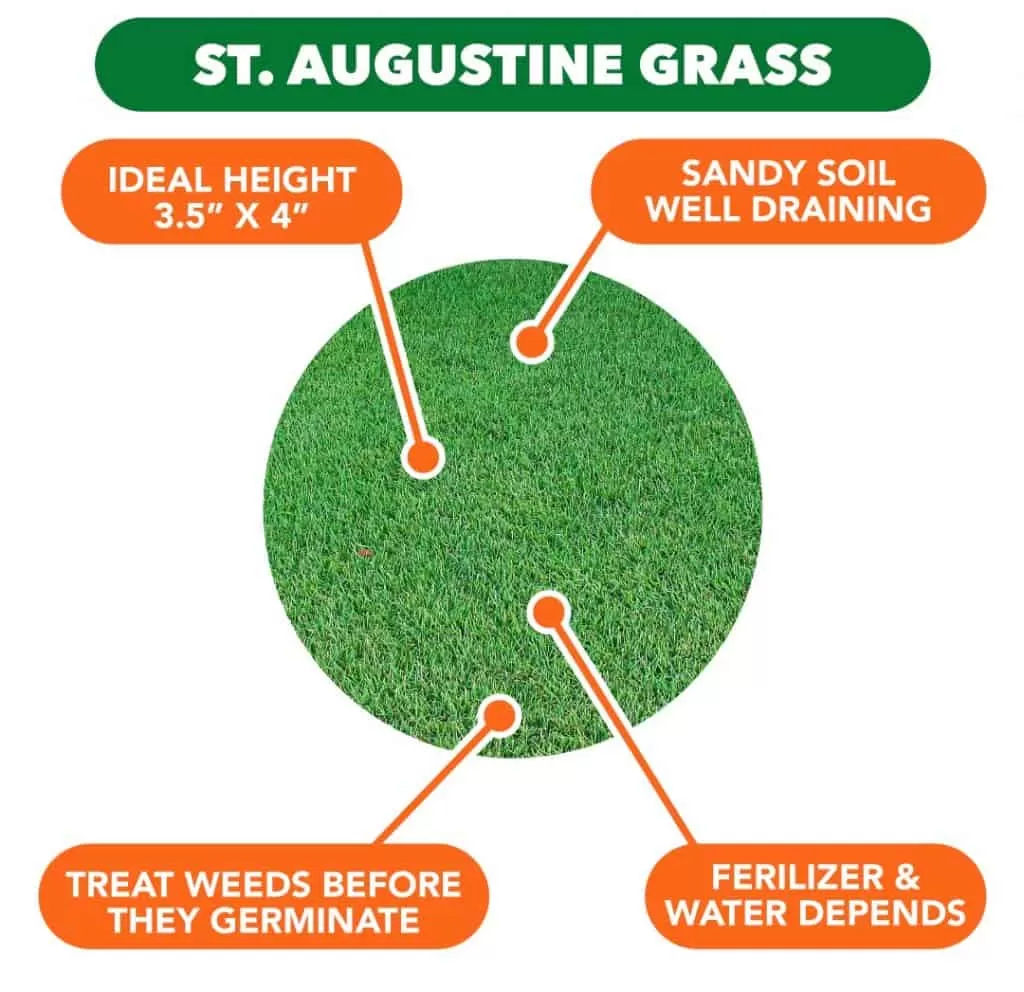
The right soil is the foundation for a flourishing St. Augustine lawn. This grass type prefers well-draining soil, ideally sandy or a mix that allows excess water to flow away easily. Waterlogged soil deprives the roots of oxygen, hindering growth and potentially leading to root rot. Aim for a soil pH level between 5.0 and 8.5 for optimal nutrient absorption. If you’re dealing with uneven areas or bare patches, incorporating topsoil can help level the ground and improve drainage, encouraging the grass to fill in those gaps.
Regular mowing is essential for a healthy lawn, but the mowing height significantly impacts St. Augustine’s growth and spread. Keeping the grass between 3.5 and 4 inches encourages lateral growth, allowing the stolons (above-ground runners) to spread and establish new roots, resulting in a thicker lawn. Mowing too low weakens the grass, making it susceptible to disease and weed invasion.
Proper fertilization provides the essential nutrients for St. Augustine grass to thrive. For the first 3-4 months after installation, use a phosphorus-rich fertilizer to promote strong root development. After this initial period, switch to a nitrogen-rich fertilizer, applying approximately 0.7 pounds of nitrogen per 1,000 square feet. Remember to follow the specific instructions on your chosen fertilizer for best results.
Watering is crucial, especially during the establishment phase. For the first 7-10 days after installation, water multiple times a day to keep the soil consistently moist. After this period, gradually reduce the frequency, aiming for about half an inch of water per week, either through rainfall or irrigation. By week six, your lawn should be established enough to water only when necessary, typically during extended dry periods.
Weeds compete with your St. Augustine grass for essential nutrients, water, and sunlight, hindering its growth and spread. Implementing a proactive weed control strategy is vital. Pre-emergent herbicides can prevent weeds from germinating in the first place. Common culprits like dallisgrass, crabgrass, and various broadleaf weeds can significantly impact St. Augustine’s growth, so addressing them early is essential.
Achieving a thick, vibrant St. Augustine lawn requires a multifaceted approach. By focusing on the right soil, mowing height, fertilization, watering, and weed control, you can create the ideal environment for your grass to flourish and spread. Remember that consistency is key – regular maintenance and attention to these factors will reward you with a beautiful, resilient lawn you can be proud of. Do you have any tips for growing St. Augustine grass? Share your experiences and questions in the comments below!
Key takeaways: Discover 5 enchanting flowers to create a magical fairy garden Learn the symbolic…
Watermelon Red Crape Myrtle is a classic, versatile tree with stunning pink-red blooms Grows 20-25…
Key Takeaways: Oriental lilies are prized for their large, fragrant blooms They thrive in well-draining…
Key takeaways: Amaranth is easy to grow in containers, perfect for beginners and experienced gardeners…
Vibrant, low-maintenance flowers for sunny spots Continuous color throughout summer Perfect for borders, ground cover,…
Here's how implementing no-dig techniques can transform your container gardening: Build Richer Soil: Layers of…