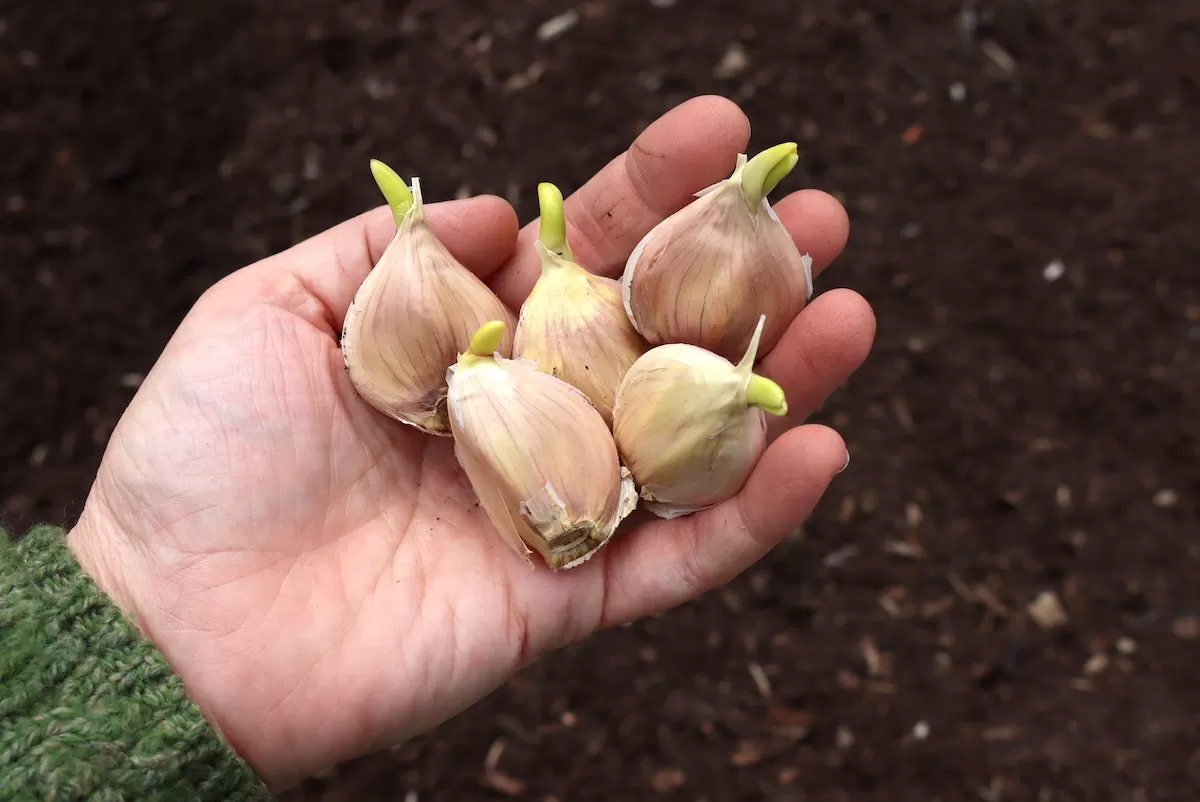
Sprouted garlic broken apart into individual cloves for planting
Finding a forgotten head of garlic in your pantry that’s started to sprout can feel a little disappointing. Maybe you feel like you’ve wasted it, or you’re unsure if it’s still good. But what if I told you those green little sprouts are actually a sign of potential, a promise of a whole new garlic harvest right in your garden?
Growing garlic from sprouted cloves is a wonderfully rewarding way to reduce waste and add fresh, pungent flavor to your kitchen later in the year. It’s a simple process that proves you don’t need perfectly manicured bulbs to start your garlic-growing journey. Let’s dig in and find out how to grow garlic sprouts!
Absolutely! That little green shoot pushing its way out of a garlic clove is simply the plant doing what it’s naturally meant to do – start growing. Pantry conditions might not be ideal, but the sprout is ready to seek light and nutrients. Planting these sprouted cloves is a fantastic way to give them the chance to fulfill their potential.
Each individual clove, when planted, has the capacity to grow into a brand new, full head of garlic. Think of it as propagating garlic – taking one clove and turning it into a whole bulb with many cloves! It’s gardening magic powered by nature’s own design.
The best time to plant sprouted garlic outdoors depends on your climate. If your soil isn’t frozen, you can likely plant them directly outside in the spring or even late winter in warmer regions. If winter still has a grip, no worries – you can start them indoors in a pot!
So, you’ve found garlic with sprouts. Is it still edible? Yes, it is! Sprouted garlic is perfectly safe to eat. However, you might notice a difference in flavor compared to fresh or fully cured garlic. The sprout itself has a milder, greener taste, almost like a chive or mild green onion. The clove itself can also become less potent.
Once garlic starts sprouting, its energy is being redirected into growing the plant, not maintaining the bulb’s storage life. This means sprouted garlic won’t keep for much longer in the pantry. If you don’t plan to use that whole bulb in your cooking right away, planting the cloves is often the best option. It gives them a purpose and promises a future harvest!
Preparing sprouted garlic for planting is straightforward and only takes a moment.
Why separate the cloves? If you plant the whole bulb without breaking it apart, all the cloves will try to grow right next to each other. They’ll compete for space and nutrients, resulting in stunted growth and small, poorly formed bulbs all clumped together. Planting individual cloves gives each one the room it needs to develop into a healthy, full-sized head.
(If the sprout is yellow or white because the garlic has been stored in the dark, that’s completely normal! It will quickly turn bright green once it’s exposed to sunlight after planting.)
Once your sprouted cloves are prepped, it’s planting time!
Choosing the right spot and preparing the soil is key to success when growing garlic sprouts.
If you find sprouted garlic during the cold winter months when outdoor planting isn’t possible, simply plant the cloves in a pot filled with potting mix. Use a pot that’s deep enough to accommodate the clove and cover it with a couple of inches of soil. Place the pot on a sunny windowsill and water it regularly until outdoor conditions improve. You can then transplant the sprouts into the garden once the soil is workable and the weather is mild.
Once your sprouted garlic cloves are nestled in the soil, they’ll focus on developing a strong root system before putting on significant top growth.
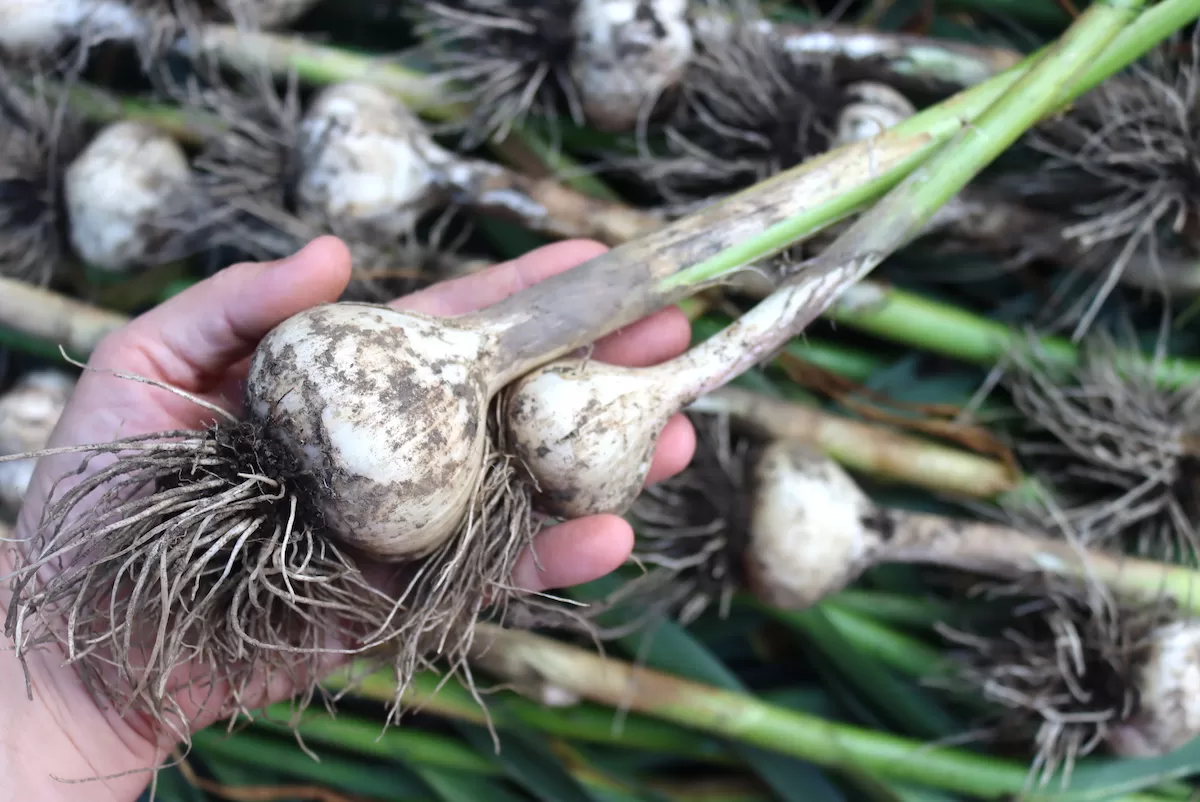
Timing the harvest is important for getting well-formed bulbs that will store well. Look for these signs, typically appearing in late summer (July or August in many climates):
If you’re unsure, you can gently dig around the base of one plant to check on the bulb’s development. It should look well-formed and feel firm and tight.
Harvesting too late can cause the bulb to start separating into individual cloves while still in the ground. While still edible, these separated bulbs won’t store as long as those harvested at the right time. Harvest them first and use them relatively quickly.
To harvest, gently loosen the soil around the bulb with a trowel or fork, then pull the plant up by the stem. Avoid pulling too hard if the soil is compacted, as you could break the stem from the bulb.
You might wonder why many gardeners recommend planting garlic in the fall. The main reason is to give the cloves a critical head start. Planted in autumn, about 4-6 weeks before the ground freezes, garlic cloves focus on developing robust root systems throughout the fall. They then go dormant during the cold winter. As soon as the soil warms in spring, these well-rooted plants are ready to rocket upwards, putting on vigorous leafy growth early in the season.
Spring-planted garlic, including those grown from sprouts, misses this fall rooting phase. While they will catch up quickly in the warmer spring soil, they start the season without that extensive root network already established.
This difference can sometimes result in spring-planted bulbs being slightly smaller than their fall-planted counterparts, or maturing a week or two later. However, planting sprouted garlic in the spring is still a perfectly viable way to get a great garlic harvest the same year! Don’t let not planting in fall stop you from growing garlic if you have sprouts ready to go.
Freshly harvested garlic, often called “green garlic,” is milder and delicious, but it won’t last long on the counter. To store your homegrown garlic for months, you need to “cure” it. Curing is simply a drying process that hardens the outer layers of the bulb and stem, preparing it for long-term storage.
If you live in a very humid climate where curing is difficult or storage is challenging, consider preserving your garlic in other ways, like making pickled garlic or fermented garlic honey.
And if, months down the road, you find one of your home-cured bulbs starting to sprout again… well, now you know exactly what to do! Either eat it fresh or plant it for yet another cycle of homegrown goodness.
Don’t let those sprouted garlic cloves go to waste! Learning how to grow garlic sprouts is a rewarding experience that extends the life of your pantry staples and brings the joy of harvesting your own garlic right to your table. It’s a simple process with big flavor payoffs. Give it a try this season and enjoy the bounty of your efforts!
Have you tried growing garlic from sprouts? Share your experiences or ask your questions in the comments below!
Here's how implementing no-dig techniques can transform your container gardening: Build Richer Soil: Layers of…
Healthy soil is teeming with beneficial microbes that act as a natural defense system for…
Transform your patio into a vibrant, wildlife-friendly oasis. Discover how to create beautiful, low-maintenance container…
Unlock the secret to a beautiful, resilient garden with Sedum & Yarrow blends. Discover why…
Beat the Heat: Discover resilient perennials that thrive in containers during the hottest summer months,…
Variegated Pothos, like the Golden Pothos and Marble Queen, are stunning, easy-care houseplants perfect for…