How to Remove A Palm Tree Stump: 4 Effective Methods

  • Palm tree stumps can be removed using four main methods: digging, grinding, chemical rotting, and burning
  • DIY methods like digging and grinding are safer and more eco-friendly for homeowners
  • Professional help is recommended for chemical and burning methods due to safety concerns
  • Proper preparation and safety precautions are essential for all stump removal techniques
  • Stump removal costs average $320 for professional services, but DIY options can be more cost-effective

Palm trees can be a beautiful addition to any landscape, but when it’s time to say goodbye, removing the stump can be quite a challenge. Whether you’re dealing with an eyesore, a tripping hazard, or potential pest problems, getting rid of that stubborn palm tree stump is often necessary. In this guide, we’ll explore four effective methods to remove a palm tree stump, along with essential tips to ensure your safety and success.

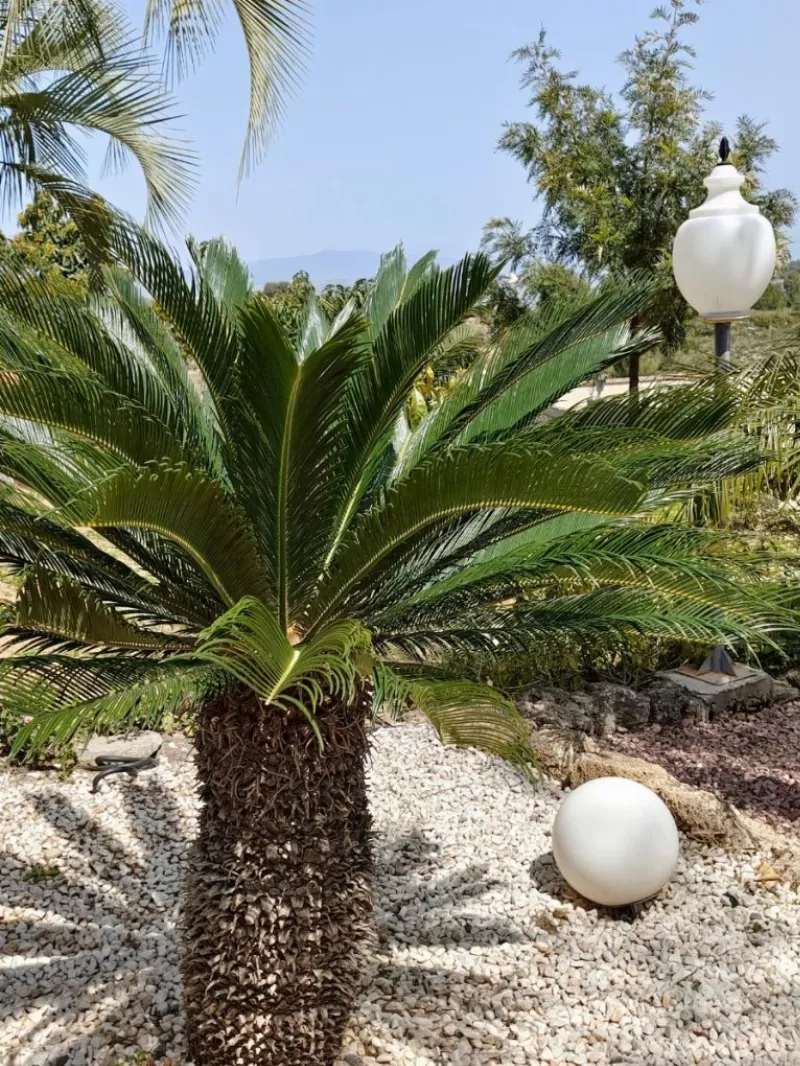
It is time to say goodbye to the last remainders of your palm tree

Why Remove a Palm Tree Stump?

Before we dive into the removal methods, let’s consider why you might want to get rid of that palm tree stump in the first place:

  1. Safety concerns: Stumps can be tripping hazards, especially for children or in areas with high foot traffic.
  2. Pest prevention: Decaying stumps can attract termites and other wood-boring insects.
  3. Aesthetic improvements: An old stump can be an eyesore in an otherwise well-maintained garden.
  4. Space utilization: Removing the stump frees up valuable garden space for new plantings or landscaping features.

One incentive to removing a palm tree stump is to prevent pest infestations

Preparation: Setting the Stage for Success

Before tackling any stump removal method, proper preparation is key:

  1. Gather necessary tools and safety equipment (gloves, goggles, sturdy shoes)
  2. Clear the area around the stump
  3. Check for underground utilities by calling 811
  4. Obtain any required permits from local authorities

With preparations complete, let’s explore the four main methods for removing a palm tree stump.

Method 1: Digging Out the Stump

This method is best for smaller stumps and those comfortable with physical labor.

Steps:

  1. Dig around the stump to expose surface roots
  2. Cut through exposed roots using a saw or axe
  3. Continue digging deeper to reveal more roots
  4. Use a shovel or crowbar to pry the stump loose

Get the stump out of the soil with a shovel or crowbar

Pro Tip: Wetting the soil around the stump can make digging easier, especially in clay-heavy soils.

Method 2: Grinding the Stump

Stump grinding is efficient and effective, especially for larger stumps or multiple removals.

Steps:

  1. Rent a stump grinder (costs average $190-$270 per day)
  2. Clear the area of rocks and debris
  3. Use a chainsaw to cut the stump as close to the ground as possible
  4. Position the grinder over the stump and grind it down in sections
  5. Remove wood chips and fill the hole with soil

Grinding the stump with a tree grinder works it into little pieces

Safety First: Always wear protective gear when operating a stump grinder, including eye and ear protection.

Method 3: Chemical Rotting

This slower method uses chemicals to accelerate the natural decomposition process.

Steps:

  1. Drill holes into the stump
  2. Pour stump remover chemicals into the holes
  3. Keep the area covered and moist
  4. Wait 4-6 weeks for the stump to soften
  5. Break apart the softened stump with an axe

Chemical rotting takes around two months to process

Caution: Chemical stump removers can be harmful to other plants and animals. Use with extreme care and consider eco-friendly alternatives.

Method 4: Burning the Stump

This method should only be attempted if legal in your area and with extreme caution.

Steps:

  1. Check local laws and obtain necessary permits
  2. Create a fire barrier around the stump
  3. Drill holes in the stump and fill with kerosene
  4. Ignite the stump and monitor closely
  5. Extinguish thoroughly when finished

Burning the stump can take up to half a day, so plan accordingly

Warning: Burning stumps can be extremely dangerous and is not recommended for DIY removal. Consider professional help for this method.

DIY vs. Professional Removal: Making the Right Choice

While DIY methods can save money, sometimes calling in the pros is the wisest choice. Consider professional help if:

  • You have multiple large stumps to remove
  • The stump is in a difficult-to-access location
  • You’re not comfortable with heavy machinery or chemicals
  • Time is a critical factor in your project

Remember, safety should always be your top priority when tackling any garden project.

Conclusion: A Stump-Free Future Awaits

Removing a palm tree stump might seem daunting, but with the right approach, it’s a manageable task. Whether you choose to dig, grind, rot, or burn (cautiously!), you’re on your way to reclaiming your garden space.

By understanding these removal methods and weighing the pros and cons of each, you can make an informed decision that suits your specific situation. Remember to prioritize safety, follow local regulations, and don’t hesitate to call in professionals for complex jobs.

We’d love to hear about your palm tree stump removal experiences! Share your stories, tips, or questions in the comments below. Happy gardening, and here’s to a stump-free landscape!

Clare

I'm Clare Nguyen, a full-time blogger who's all about exploring and sharing fresh ideas. I've got this inexplicable love for plants that adds so much joy to life. Investing in some green goodness at home is my favorite hobby. Now, I may not be an expert plant-whisperer, but I'm always excited to share any new insights and legit knowledge that I've gathered along the way. My goal is to inspire and connect with others who feel the same way!

Recent Posts

Fairy Flowers Plants: Create a Magical Haven with 5 Enchanting Blooms

Key takeaways: Discover 5 enchanting flowers to create a magical fairy garden Learn the symbolic…

3 weeks ago

Watermelon Red Crape Myrtle: A Timeless Beauty for Your Garden

Watermelon Red Crape Myrtle is a classic, versatile tree with stunning pink-red blooms Grows 20-25…

3 weeks ago

From Novice to Pro: Growing Oriental Lily Flowers with Ease!

Key Takeaways: Oriental lilies are prized for their large, fragrant blooms They thrive in well-draining…

3 weeks ago

Growing Amaranth in Pots: A Hassle-Free Guide for Bountiful Greens

Key takeaways: Amaranth is easy to grow in containers, perfect for beginners and experienced gardeners…

3 weeks ago

15 Best Low Growing Perennials That Bloom All Summer for Full Sun

Vibrant, low-maintenance flowers for sunny spots Continuous color throughout summer Perfect for borders, ground cover,…

3 weeks ago

Unlock Thriving Container Gardens: Implementing No-Dig Techniques for Ultimate Soil Health

Here's how implementing no-dig techniques can transform your container gardening: Build Richer Soil: Layers of…

1 year ago