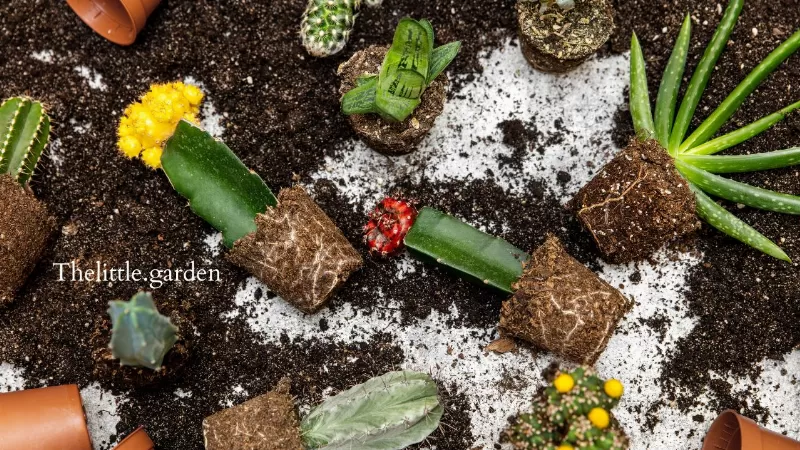
A person carefully transplanting a cactus
Key Takeaways:
Cacti are fascinating plants that can add a unique touch to any garden or indoor space. However, there comes a time when these prickly companions need a new home. Whether you’re a seasoned gardener or a complete novice, transplanting a cactus can seem daunting. But fear not! With the right approach, you can safely and successfully move your spiky friend to its new abode.
In this comprehensive guide, we’ll walk you through the process of transplanting cacti, ensuring both your safety and the well-being of your plant. So, let’s dive in and discover how to give your cactus a smooth transition to its new home!
The first rule of cactus transplantation is choosing the right moment. Early to mid-spring is the golden period for this operation. Why? It’s when your cactus is awakening from its winter dormancy and entering its active growth phase. This timing gives your plant the best chance to recover and adapt to its new environment.
Before you even think about touching that cactus, let’s talk protection. Those tiny spines might look harmless, but they can be a real pain – literally! Here’s what you need:
“I once tried to move a small barrel cactus with bare hands,” shares Sarah, an experienced gardener. “Let’s just say I spent the next hour with tweezers and regret. Always gear up!”
While you’re protecting yourself, don’t forget about your cactus. Those spines aren’t just for show – they’re delicate and prone to damage during the move. Here’s a pro tip:
Now that you’re prepared, it’s time for the main event. Follow these steps to ensure a smooth transplant:
Start by digging a trench around your cactus. Keep it about 1-2 feet away from the plant and dig down to about 18 inches. This gives you plenty of room to work without damaging the roots.
Gently pry around the plant, being careful not to damage the roots. For larger cacti, you might need some extra hands or even machinery to help lift it out.
Once your cactus is out, let those roots air dry for a few days. This helps prevent rot when you replant.
While your cactus is drying, prep its new home. If you’re dealing with sandy soil, mix in about 25% compost. For rich or clay soils, add some pumice to improve drainage.
Dig a hole in the new location that matches the size of the original planting site. Remember to orient your cactus the same way it was before to prevent sunburn.
Carefully place your cactus in its new hole, fill it with soil, and give it a good watering to help settle everything in.
Your work isn’t over once your cactus is in its new spot. Here’s how to ensure it thrives:
For the first month, water your cactus twice a week, unless temperatures drop below 60°F (16°C). After that, reduce watering to every 2-3 weeks in summer and even less in winter.
If you’ve moved your cactus during spring or summer, provide some shade for the first 3-4 weeks. A shade cloth works wonders in helping your cactus adjust.
For taller cacti (over 5 feet), consider using stakes for extra support until they’re fully established.
Even with the best care, your cactus might face some challenges. Here are some common problems and solutions:
Transplanting a cactus doesn’t have to be a prickly situation. With proper preparation, careful handling, and attentive aftercare, you can successfully move your cactus to its new home. Remember, patience is key – give your cactus time to adjust, and it will reward you with healthy growth and maybe even some beautiful blooms!
Have you successfully transplanted a cactus? Share your experiences and tips in the comments below. And if you found this guide helpful, don’t forget to share it with your fellow plant enthusiasts. Happy gardening!
Key takeaways: Discover 5 enchanting flowers to create a magical fairy garden Learn the symbolic…
Watermelon Red Crape Myrtle is a classic, versatile tree with stunning pink-red blooms Grows 20-25…
Key Takeaways: Oriental lilies are prized for their large, fragrant blooms They thrive in well-draining…
Key takeaways: Amaranth is easy to grow in containers, perfect for beginners and experienced gardeners…
Vibrant, low-maintenance flowers for sunny spots Continuous color throughout summer Perfect for borders, ground cover,…
Here's how implementing no-dig techniques can transform your container gardening: Build Richer Soil: Layers of…