- Enhance curb appeal and create beautiful focal points by incorporating trees into your landscape design.
- Discover creative solutions for common challenges like shade, exposed roots, and falling leaves.
- Explore ideas ranging from vibrant shade gardens and simple mulching to structural elements like retaining walls and decks.
- Learn how lighting and thoughtful placement of seating can turn the area around your trees into a functional oasis.
- Get practical tips on mulching and addressing exposed roots for the health of your trees and the beauty of your landscape.
Trees are more than just stately features in our yards; they offer shade, structure, and a connection to nature. But often, the space directly around their base can feel neglected or challenging to manage. Learning how to effectively utilize and enhance these areas through clever landscaping around trees can transform your entire outdoor space, adding beauty, functionality, and charm. Whether you’re dealing with dense shade, surface roots, or just a bare patch of ground, these ideas will inspire you to turn the area around your trees into a highlight of your garden.
Embrace the Shade: Grow a Shade Garden
Don’t let the shade beneath your tree discourage you from planting! This cooler, less sunny environment is the perfect home for a variety of beautiful plants that thrive out of direct sun. Creating a dedicated shade garden around your tree is a fantastic way to add color and texture where you might least expect it.
Think vibrant foliage and delicate blooms that prefer dappled light. Some excellent choices for a shade garden include:
- Coleus:
- Scientific Name: Plectranthus scutellarioides
- Common Name: Coleus
- Zone: 10-11 (often grown as annual)
- Light: Partial Shade to Shade (some varieties tolerate sun)
- Humidity: Moderate to High
- Water: Consistent moisture
- Coral Bells:
- Scientific Name: Heuchera
- Common Name: Coral Bells
- Zone: 4-9
- Light: Partial Shade to Shade
- Humidity: Moderate
- Water: Moist, well-drained soil
- Hosta:
- Scientific Name: Hosta
- Common Name: Hosta, Plantain Lily
- Zone: 3-9
- Light: Shade to Partial Shade (some varieties tolerate more sun)
- Humidity: Moderate
- Water: Moist, well-drained soil
- Impatiens:
- Scientific Name: Impatiens walleriana
- Common Name: Busy Lizzie, Impatiens
- Zone: 10-11 (often grown as annual)
- Light: Shade to Partial Shade
- Humidity: High
- Water: Consistent moisture
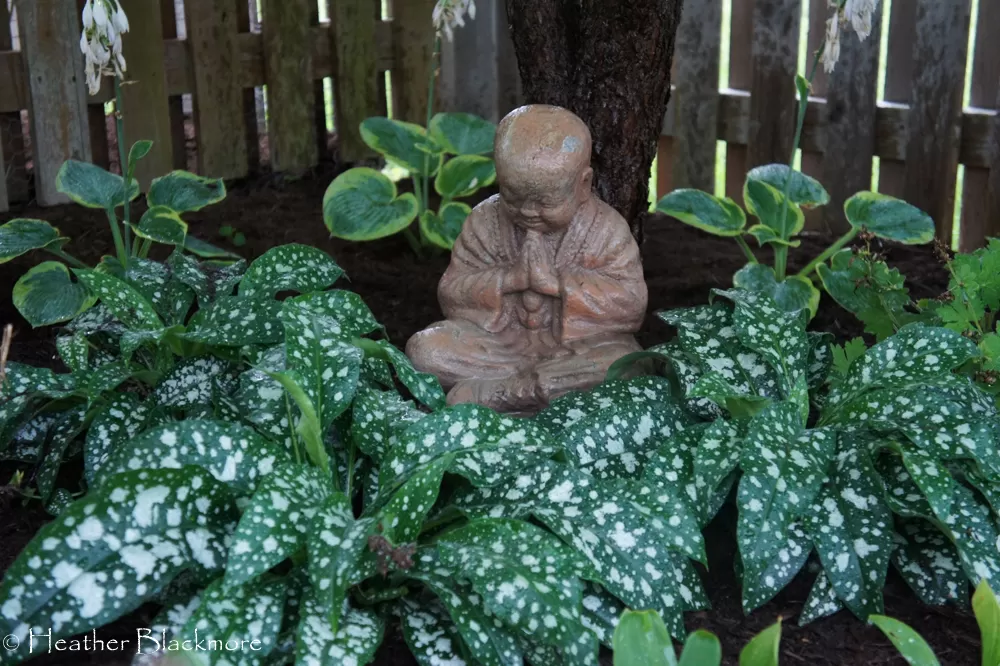
Planting a variety of these shade-loving beauties creates a lush, inviting scene at the base of your tree. To make your shade garden even more accessible and enjoyable, consider winding a simple garden path through or around it. This invites exploration without disturbing your newly planted gems.
 Lush shade garden with hostas and other plants growing under a large tree
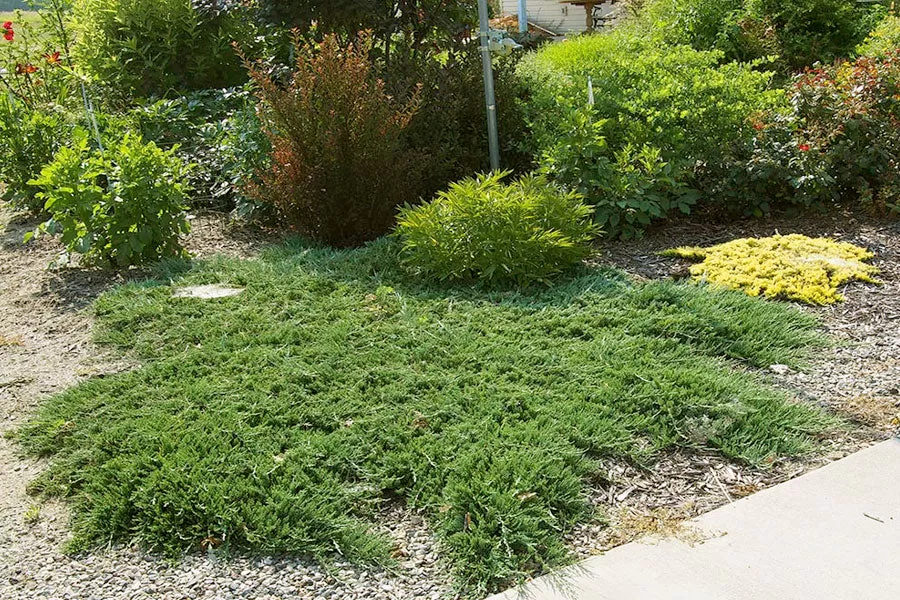
For homeowners in cooler climates, ground covers like ivy or pachysandra offer a low-maintenance solution. Planting these in a generous circle (perhaps 6 feet in diameter) around the trunk can eliminate the need for mulch and create a natural, green border between the tree area and the lawn.
Simple Elegance: Just Add Mulch
Sometimes, the simplest solutions are the most effective. Adding a layer of mulch around your tree is an easy and inexpensive way to enhance its appearance, cover exposed roots, and provide benefits to the tree itself.
Mulch comes in a wide variety of colors and materials, allowing you to choose a look that complements your landscape. From shredded bark and wood chips to decorative stones, the options are plentiful. Mulch not only adds a clean, finished look but also helps retain soil moisture, suppress weeds, and regulate soil temperature, which is great for tree health.
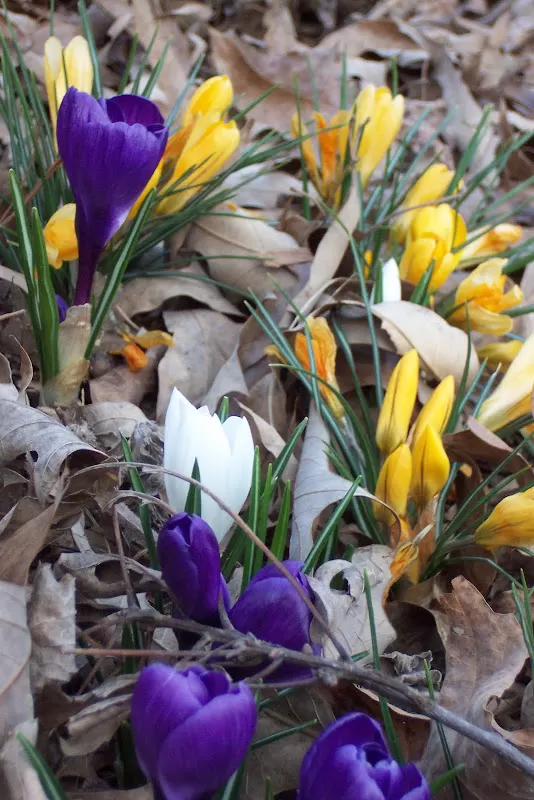
You can even add pops of seasonal color by planting bulbs like crocuses directly into the mulched area for spring blooms, or incorporate shade-tolerant perennials like hostas for consistent green texture against the mulch.
Mulching Right: Avoid the Volcano
While mulch is beneficial, applying it incorrectly can harm your tree. Avoid piling mulch high against the trunk, creating what’s often called a “mulch volcano.” This can trap moisture against the bark, leading to rot, disease, and inviting pests.
Instead, spread mulch in an even layer, about 2-3 inches deep. Keep it at least 6 inches away from the base of the tree trunk. This allows for good air circulation and prevents trunk rot, ensuring your tree stays healthy.
Bursting with Color: Plant Some Flowers
Who says trees have to be solitary figures? Surrounding the base of your tree with colorful flowers brings life and vibrancy to the area. Choosing flowers that thrive in the specific light conditions under your tree – whether it’s full shade, partial shade, or gets some direct sun – is key.
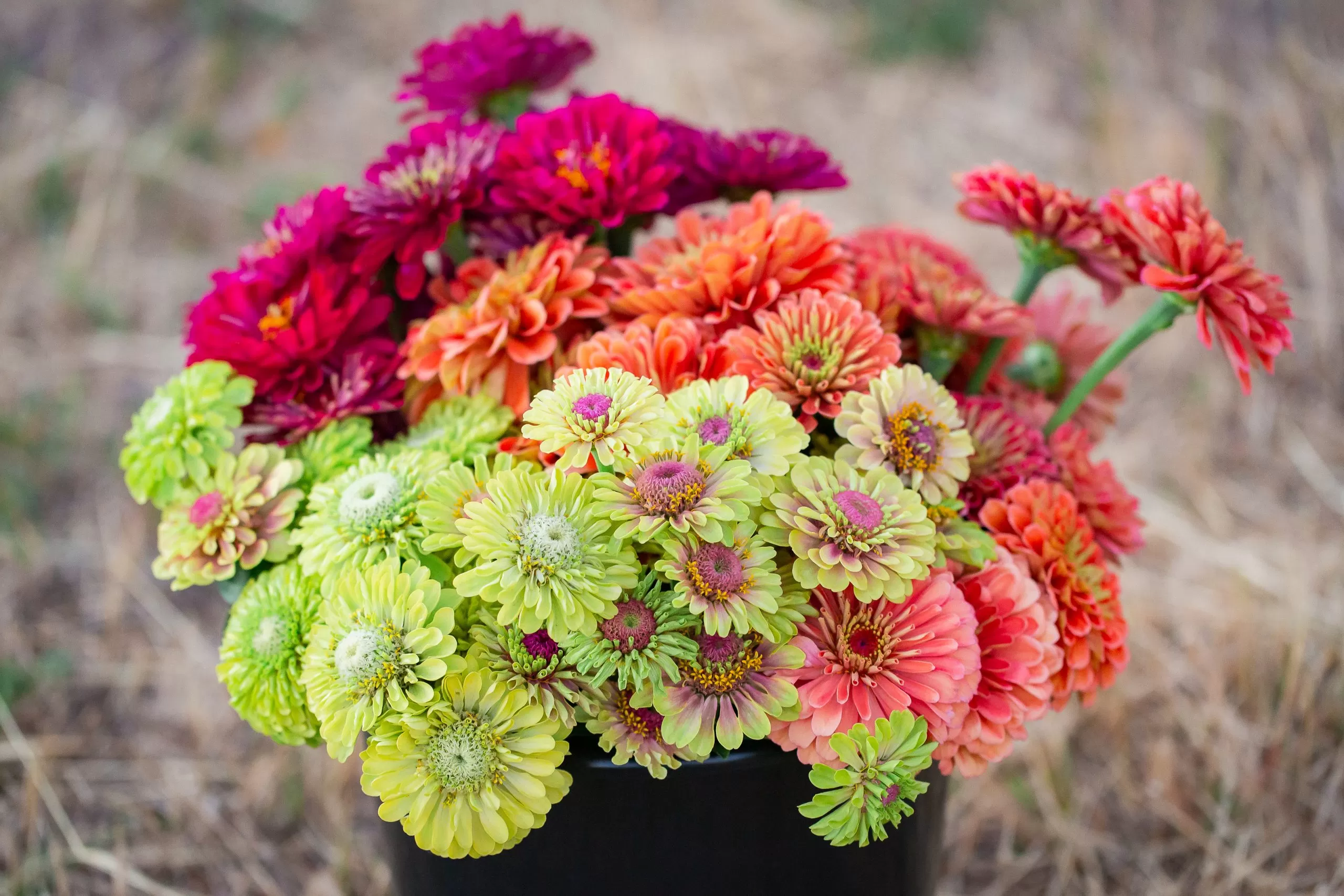
Bright annuals like petunias can provide season-long color, while perennials like daffodils or hostas offer reliable beauty year after year. Plant them in a ring around the tree trunk or expand the planting area into a larger flower bed where the tree serves as a magnificent centerpiece. This draws the eye upward and highlights the tree’s natural beauty while adding significant curb appeal.
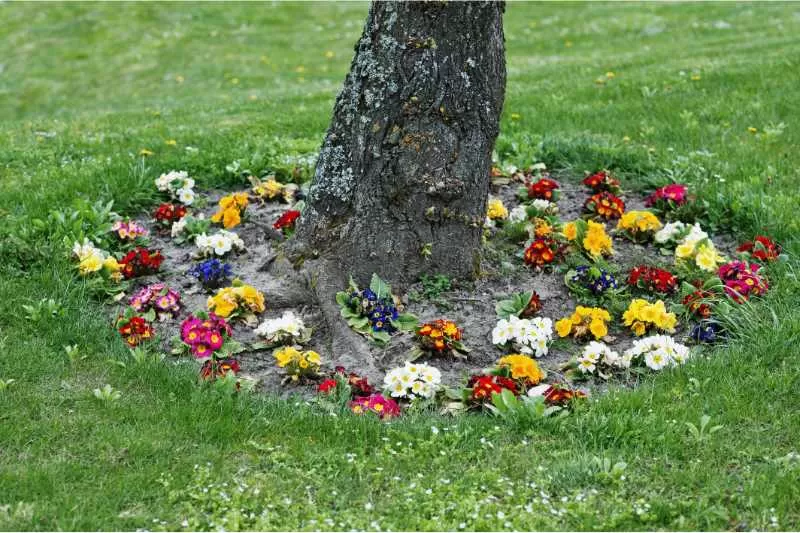 Bright flowers blooming in a landscaped bed around the base of a tree
Selecting plants that are suited to the light and soil conditions will ensure your floral display thrives, creating a cheerful and welcoming view around your tree.
Define and Detail: Build a Retaining Wall
For a more structured and formal look, or to address sloped terrain and erosion issues, building a retaining wall around your tree is an elegant solution. A circular or multi-sided wall built from stone, brick, or concrete pavers creates a raised bed effect that beautifully frames the tree and defines the space.
A retaining wall transforms a potentially messy area of bare roots or patchy grass into a clean, intentional focal point. It adds architectural interest and can significantly boost your yard’s curb appeal. While building a retaining wall is a more involved and potentially costly project than mulching or planting a simple bed, the lasting impact on your landscape’s design and functionality can be well worth the investment. Ensure the design allows for the tree’s future growth and doesn’t constrict the trunk or roots.
Seamless Integration: Design a Deck or Patio Around the Tree
Imagine relaxing on your deck or patio with a majestic tree growing right through it! Designing an outdoor living space around an existing tree creates a truly unique and immersive connection with nature. The tree provides natural shade and a stunning aesthetic element that makes your deck or patio feel like an extension of the landscape.
This design choice is a bold statement and can be incredibly rewarding, offering a cool, shaded retreat during warm weather. However, it requires careful planning and maintenance. As the tree grows, its trunk and roots will expand, which could potentially affect the surrounding deck or patio structure.
Regular inspection and sometimes adjustments to the deck boards around the trunk are necessary. Also, be mindful of tree litter (leaves, branches, fruit) and potential issues like attracting pests, including termites, to wooden structures close to the tree. Despite the maintenance, the dramatic effect and natural comfort of having a tree as part of your outdoor living space are unparalleled.
Illuminate the Night: Use Landscape Lighting
Why let the beauty of your trees disappear when the sun goes down? Strategic landscape lighting can dramatically enhance the appearance of your trees and the surrounding landscaped areas after dark. Up-lighting the canopy of a large tree creates a striking silhouette against the night sky, while path lights can illuminate walkways through garden beds around the tree.
Lighting not only highlights your landscaping efforts but also adds a layer of safety and security to your property. It allows you to enjoy your outdoor spaces into the evening, creating ambiance for gatherings or simply providing a peaceful, illuminated view from inside your home. Low-voltage LED lights are energy-efficient and come in various styles to match your desired aesthetic.
Create Your Oasis: Design a Quiet Spot
The shade and natural beauty provided by a mature tree offer the perfect setting for a personal retreat. Design the area around your tree to be a quiet spot for relaxation, reading, meditation, or simply enjoying the outdoors.
Consider adding comfortable seating like a bench or even installing a hammock between two sturdy trees. Enhance the atmosphere with a small, soothing water feature or attract avian visitors with a birdbath. Plant fragrant flowers or foliage nearby to engage the senses. This dedicated space becomes your personal sanctuary, a place to escape the everyday hustle and connect with the tranquility of your garden.
Tailor this quiet spot to your preferences, creating an inviting niche under the protective branches of your tree.
Texture and Form: Plant a Succulent Garden
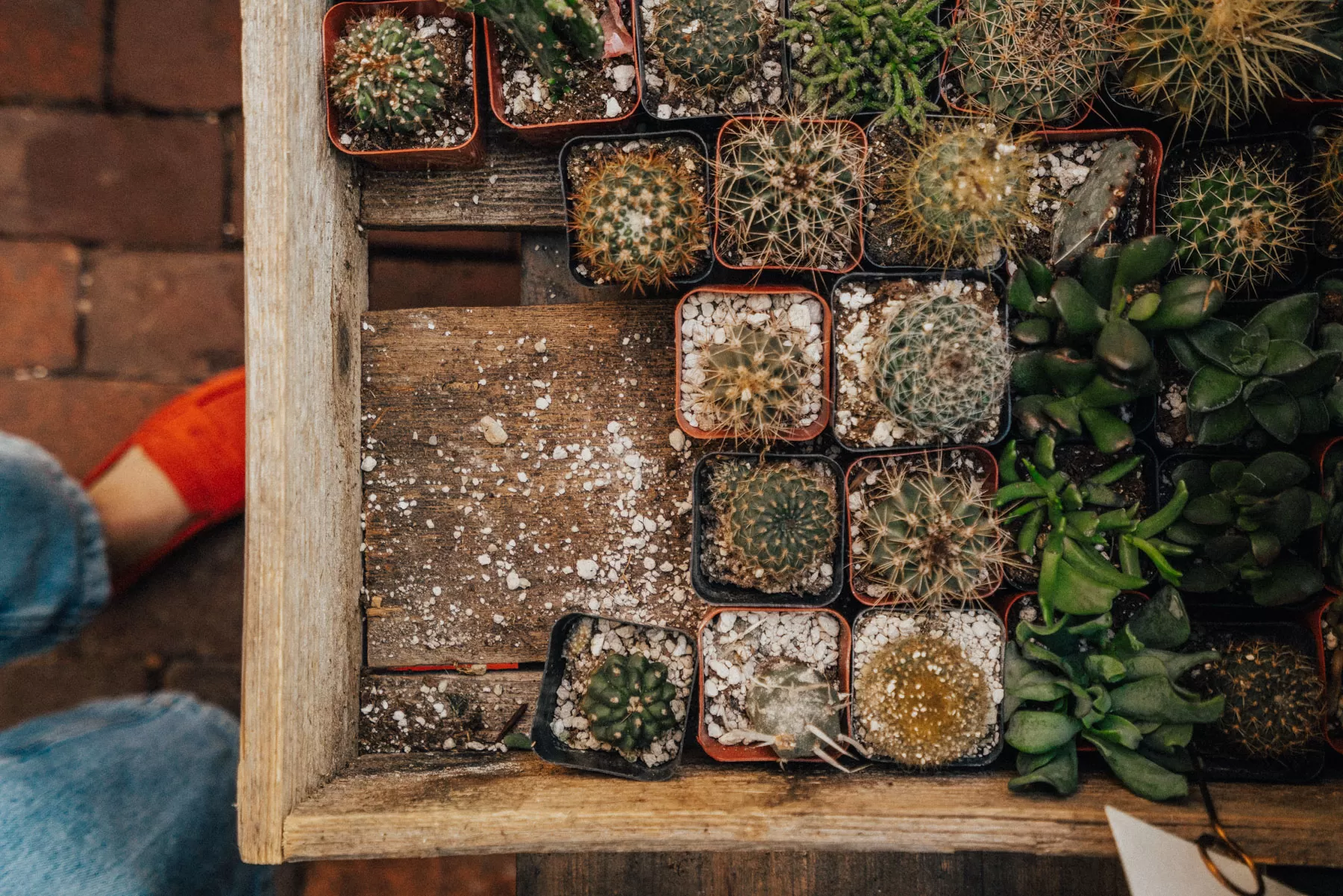
While many succulents love full sun, some varieties can actually benefit from the filtered light and protection from scorching heat that a tree provides. A succulent garden around the base of your tree can introduce unique textures, shapes, and colors to your landscape design.
Succulents are known for their water-storing capabilities, making them relatively low-maintenance once established, though they still require well-draining soil. Their diverse forms, from rosettes and spiky clusters to trailing varieties, create fascinating visual interest. Before planting, research succulent species that are suitable for the specific light conditions under your tree and ensure the soil drains adequately to prevent root rot.
A well-designed succulent planting can create a modern, architectural look or a rugged, naturalistic feel, adding another dimension to the landscaping around your tree.
Clean Lines: Use Edging
Simple edging is a highly effective way to define the area around your tree, creating a clean separation between grass, garden beds, or mulch. Edging provides a finished look, holds mulch or soil in place, and helps protect the tree’s base from lawnmower damage.
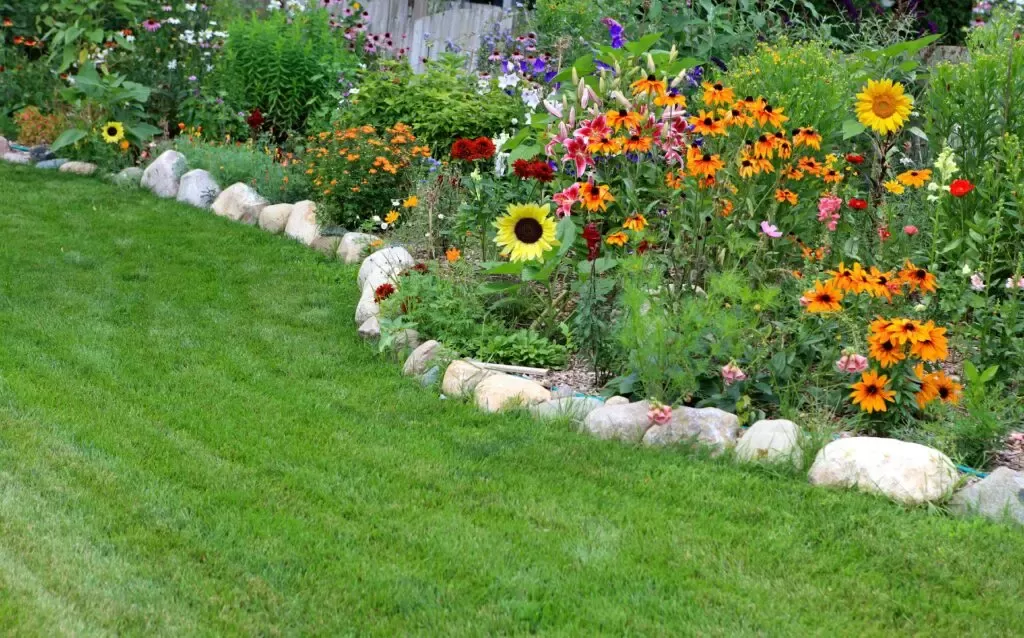
Materials like small stones, bricks, metal, or plastic edging can be used to create a neat border. This helps to visually “pop” the area around the tree, making it a more deliberate and attractive feature in your yard.
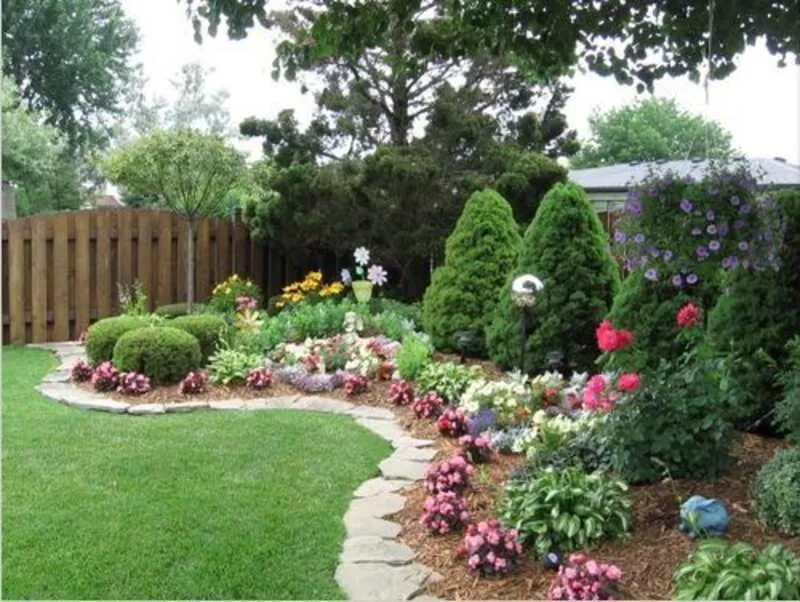 Decorative stone edging separating a mulched garden bed from a lawn, ideal for landscaping around trees
For a softer barrier that also adds height and texture, consider planting a low hedge around the tree bed. Edging not only enhances aesthetics but also serves a practical purpose by safeguarding the tree’s sensitive root zone from foot traffic or machinery.
Addressing Common Challenges
Landscaping around trees can present unique challenges, particularly concerning exposed roots and proper mulching. Understanding how to handle these issues is key to a successful and healthy landscape.
Are Exposed Roots Bad for My Tree?
Exposed or surfacing tree roots can indeed pose problems. They are vulnerable to damage from lawnmowers, which can create wounds susceptible to disease. Exposed roots can also make mowing difficult, create tripping hazards, and in some cases, even lift nearby structures like patios or sidewalks. While surface roots are a natural part of a tree’s growth, managing them is important for both tree health and yard usability.
Landscaping Around Exposed Roots
Dealing with exposed roots requires a gentle approach. Adding a thick layer of soil on top of the roots might seem like a quick fix, but it can actually suffocate the tree’s roots by preventing necessary oxygen exchange. The best solution is often to create a mulched bed around the tree. Extend the mulched area out far enough to cover the surface roots. This protects them from damage, makes mowing easier (by eliminating grass in that area), and provides the benefits of mulch without harming the tree.
How Much Mulch Should Be Around a Tree?
As mentioned earlier, the “mulch volcano” is a common mistake. For healthy trees, apply organic mulch like wood chips or shredded bark in an even layer 2 to 3 inches deep. The mulched area should extend outward to at least the tree’s drip line (the edge of the canopy). Crucially, keep the mulch pulled back about 6 inches from the base of the trunk to ensure proper air circulation and prevent rot.
Can You Put Landscape Fabric Around Trees?
Landscape fabric is a debated topic among gardeners. Some use it under inorganic mulches like gravel to prevent them from sinking or under organic mulches to suppress weeds, especially around trees where there’s less need for digging. However, landscape fabric can impede the natural decomposition of organic mulch, reducing its contribution to soil health over time. It can also restrict water and air flow if it becomes clogged, and may discourage beneficial soil organisms. For optimal soil health around trees, many prefer using organic mulches directly on the soil, refreshing them as needed. If using fabric, ensure it’s permeable and consider its long-term impact.
When to Call a Landscaping Pro
While many of these landscaping ideas are achievable DIY projects, some situations may warrant calling in a professional landscape service. If you’re planning complex structures like extensive retaining walls or custom decks, dealing with significant drainage or erosion issues, or if you have concerns about the health of your tree during the landscaping process, a professional can provide invaluable expertise.
They can offer design advice tailored to your specific yard, suggest appropriate plants for your climate and tree’s conditions, and ensure that any construction work is done without damaging the tree’s roots or trunk. A professional consultation can save you time, prevent costly mistakes, and ensure your landscaping around trees is both beautiful and sustainable for years to come.
Trees add so much character and value to our properties. By thoughtfully approaching the space around them, you can create stunning landscape features that enhance the beauty of your home and garden.
Ready to transform the area around your trees? Try one of these ideas or combine a few to create a unique landscape design! Share your projects with us in the comments below, or explore more garden and landscape inspiration on Thelittle.garden.