- Discover vibrant late-summer blooming plants to extend your garden’s beauty.
- Learn essential care tips for each featured flower, ensuring a thriving display.
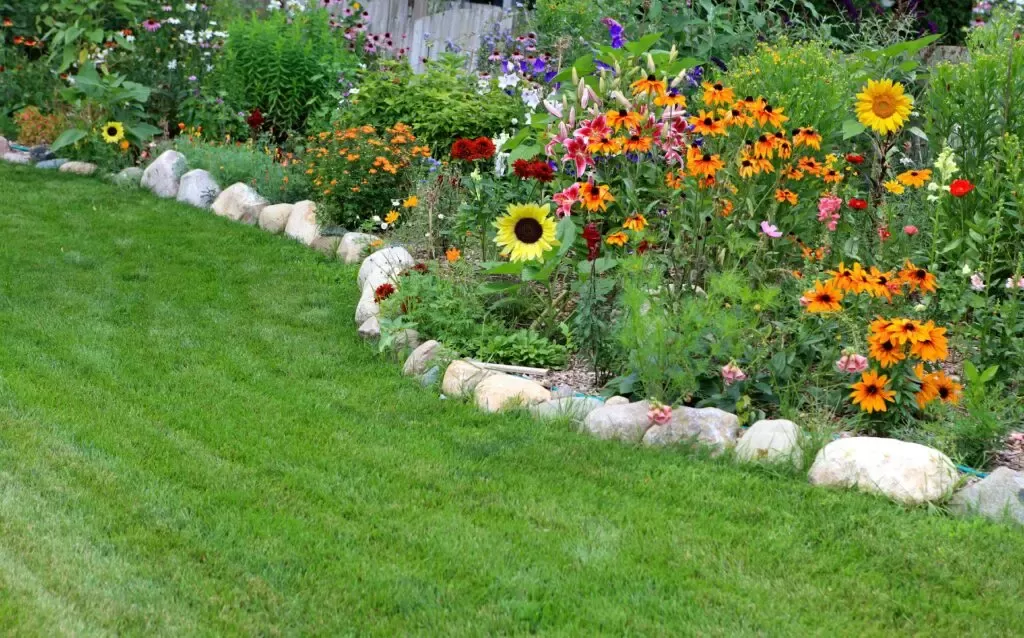
- Explore a variety of colors and textures to create a stunning late-summer landscape.
- Attract pollinators like butterflies and bees with nectar-rich blooms.
Late summer doesn’t mean the end of vibrant garden color. In fact, with the right selection of late summer flowers, your landscape can be just as stunning as it was in spring and early summer. From the cheerful daisies of Nippon Daisies to the fiery hues of Helenium, there’s a late summer bloomer to suit every taste and garden style. Let’s explore some fantastic options to keep your garden bursting with color until the first frost.
Nippon Daisy: A Late Summer Delight
Nippon Daisy, also known as Montauk Daisy, is a star performer in the late summer garden. This easy-care perennial explodes with cheerful white flowers, bringing a fresh and vibrant look to your landscape. They thrive in full sun and well-drained soil, reaching a height of 24 to 36 inches. A bonus? Nippon Daisies are both frost tolerant and deer-resistant, making them a low-maintenance choice for busy gardeners.
- Scientific Name: Nipponanthemum nipponicum
- Common Name: Nippon Daisy, Montauk Daisy
- Zones: 5-9
- Light: Full sun
- Humidity: Average
- Water: Moderate
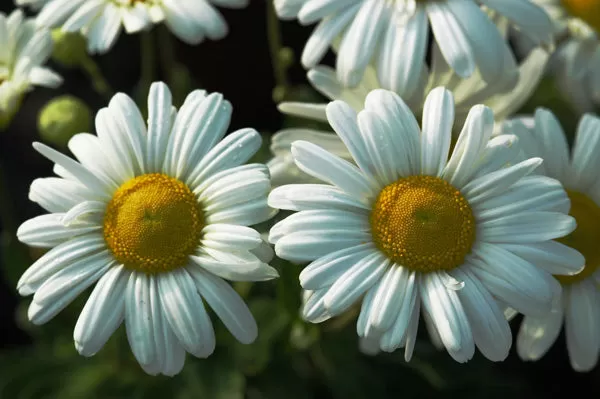 Nippon Daisy
Goldenrod: A Golden Touch for Your Garden
Goldenrod is a classic late summer flower, adding a touch of gold to your landscape. Modern hybrids are compact and produce even more flowers than their wild counterparts. Growing 18 to 24 inches tall, they are heat and drought-tolerant, making them a resilient choice for hot, dry climates. Goldenrod is also a magnet for bees and butterflies, adding life and movement to your garden.
- Scientific Name: Solidago
- Common Name: Goldenrod
- Zones: 3-9
- Light: Full sun
- Humidity: Average
- Water: Moderate
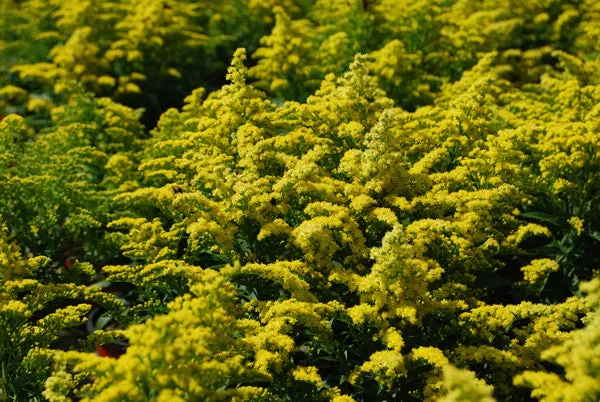 Goldenrod
Joe Pye Weed: A Majestic Presence
For a truly impressive late summer display, consider Joe Pye Weed. This tough native perennial can reach a towering height of 6 to 7 feet, making it a focal point in any garden. Dwarf varieties are also available for smaller spaces. Joe Pye Weed boasts handsome burgundy-green foliage and large heads of whitish-purple flowers, attracting butterflies and bees.
- Scientific Name: Eutrochium purpureum
- Common Name: Joe Pye Weed
- Zones: 4-10
- Light: Full sun to part shade
- Humidity: Average to moist
- Water: Moderate to regular
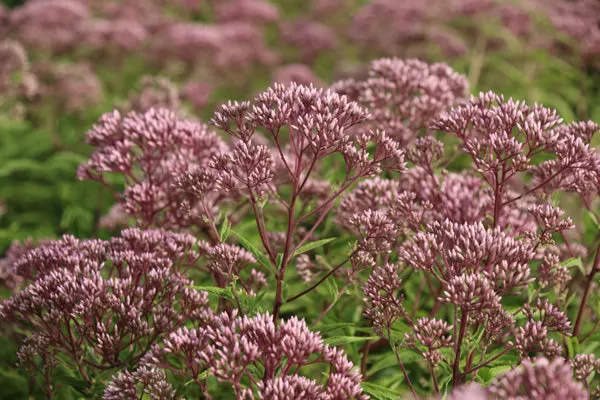 Joe Pye Weed
Helenium: A Fiery Fall Display
Helenium brings a burst of fiery color to the late summer and fall garden. These easy-care perennials produce masses of daisy-like flowers in shades of yellow, orange, red, and bi-color. Growing 3 to 4 feet tall, Helenium thrives in sunny locations and is remarkably drought-tolerant.
- Scientific Name: Helenium autumnale
- Common Name: Helenium, Sneezeweed
- Zones: 3-8
- Light: Full sun
- Humidity: Average
- Water: Moderate
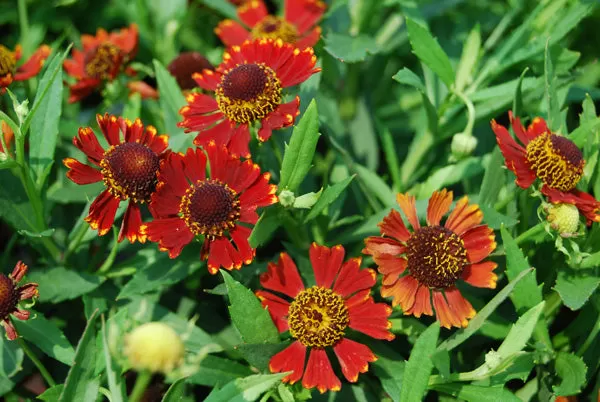 Helenium
Extending the Season with Other Late Bloomers
Several other beautiful flowers can extend the color in your garden well into fall. Oriental lilies bring fragrance and exotic beauty with their large, star-shaped blooms. Chrysanthemums offer a vast array of colors and flower forms, perfect for containers or landscape plantings. Japanese anemones add a touch of elegance with their tall stems and delicate pink or white flowers. Balloon flowers, with their unique balloon-shaped buds, provide a playful touch. Finally, Sedum, with its fleshy foliage and drought tolerance, is a low-maintenance choice that attracts pollinators.
In conclusion, late summer is a wonderful time to enjoy the vibrant colors and textures of blooming flowers. By choosing the right plants and providing proper care, you can create a stunning late-summer garden that extends the beauty of the growing season.