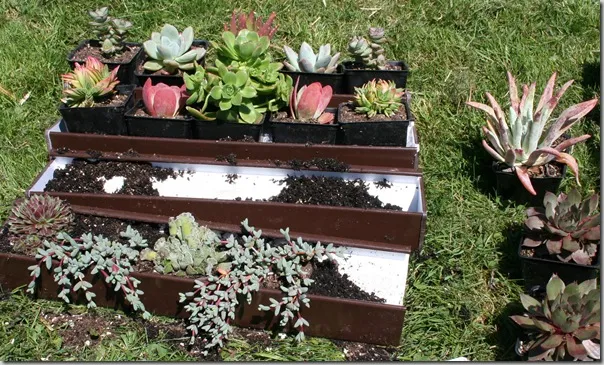
Hand planting herbs into vertical trays
Imagine snipping fresh basil for your pasta, fragrant mint for your tea, or vibrant parsley for your salad – all grown right on your wall! Creating a living herb wall isn’t just a dream for those with sprawling gardens; it’s a perfectly achievable goal for anyone, anywhere. The secret? Easy-to-use living herb wall kits that simplify the process and bring green goodness indoors or out. Forget complicated setups that require weeks of rooting; these kits get you growing and displaying your favorite herbs in no time, adding beauty and delicious flavor to your life.
Vertical gardening is a fantastic way to maximize space, especially in urban environments or smaller homes. A living herb wall specifically offers the added benefit of having culinary delights literally at your fingertips. Kits take the guesswork out of creating these vertical oases. They provide the structure you need, making it easy to plant and display your herbs without complex DIY projects involving pallets or extensive construction. Many kits are designed for immediate hanging, meaning you plant your herbs and hang the garden up the same day – a huge plus for impatient gardeners!
While many vertical garden systems exist, look for kits specifically designed for ease of use and plant health. Some older systems or DIY frames might require you to plant and then lay the frame flat for weeks or even months to allow plants to root before hanging. This can be frustrating, messy, and challenging, especially if you have curious pets (or chickens!) who might disturb your delicate seedlings.
Modern living herb wall kits, like some simple tray-based systems, often allow for planting directly into containers that hook onto a frame. The diagonal orientation of the trays ensures soil stays put while letting you admire your green wall instantly. When choosing a kit, consider:
While some very affordable kits might have minor drawbacks, like flimsy endcaps on trays that occasionally need a bit of glue (a small price to pay for convenience!), the overall benefit of getting your vertical herb garden up and running quickly is immense.
Getting started with a living herb wall kit is often surprisingly simple. Once you’ve chosen your kit and found the perfect spot (considering light requirements for your chosen herbs!), assembly usually involves connecting a few pieces to form the main frame.
Next comes the fun part: planting! Fill your chosen containers or pockets with suitable potting mix. For herbs, a well-draining mix is crucial. Gently place your herb plants (start with small nursery plants or even seeds, though plants are quicker) into the soil, ensuring their roots are covered. Water gently to settle the soil.
With many easy kits, you can then simply attach the planted containers to the frame using hooks or clips. Find sturdy wall hooks or a place to lean the frame securely, and hang your beautiful new herb wall! The transformation is instant, bringing life and color to your chosen location.
Not all herbs are equally suited for vertical growing, but many popular varieties thrive in these conditions. Consider herbs that don’t grow too large or have sprawling habits.
When selecting herbs, consider your climate and the amount of light the wall receives.
Caring for your living herb wall involves attention to a few key areas:
Like any garden, a living herb wall might encounter minor issues. The original article mentioned flimsy tray parts in one specific kit, highlighting that sometimes minor repairs might be needed, but the overall benefit and cost-effectiveness make it worthwhile. Other potential challenges include:
By being observant and attending to your plants’ needs, your vertical herb garden will thrive.
A living herb wall kit is an accessible, rewarding way to bring the joy and flavor of fresh herbs into your home or garden. These kits simplify the process, allowing you to enjoy an instant, beautiful, and productive vertical garden without the wait. From selecting your favorite culinary varieties to setting up the frame and tending to your plants, the journey is enjoyable and ends with delicious rewards. Start your own vertical herb adventure today and experience the satisfaction of growing your own greens, literally on your wall!
Have you tried a living herb wall kit? Share your experiences or favorite herbs to grow vertically in the comments below! Looking for more gardening inspiration? Explore other articles on Thelittle.garden for tips and ideas to grow your green thumb.
Key takeaways: Discover 5 enchanting flowers to create a magical fairy garden Learn the symbolic…
Watermelon Red Crape Myrtle is a classic, versatile tree with stunning pink-red blooms Grows 20-25…
Key Takeaways: Oriental lilies are prized for their large, fragrant blooms They thrive in well-draining…
Key takeaways: Amaranth is easy to grow in containers, perfect for beginners and experienced gardeners…
Vibrant, low-maintenance flowers for sunny spots Continuous color throughout summer Perfect for borders, ground cover,…
Here's how implementing no-dig techniques can transform your container gardening: Build Richer Soil: Layers of…