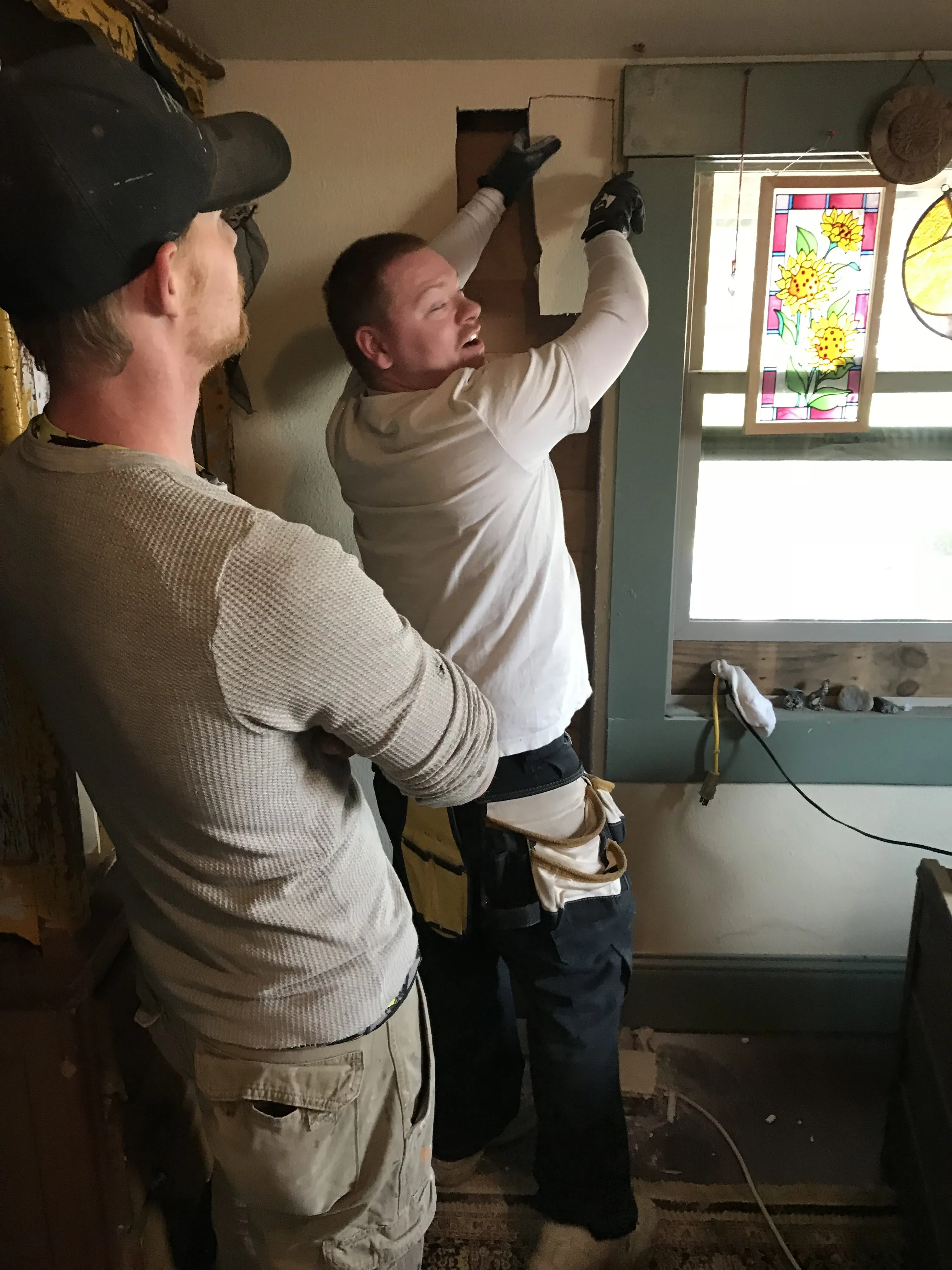
Preparing the wall cavity for installing a vertical herb garden
Imagine stepping into your home and being greeted by the vibrant green and intoxicating aroma of fresh herbs, not just on a windowsill, but beautifully integrated into your living space as a living piece of art on your wall. Indoor herb walls bring the garden intimately into your life, offering fresh ingredients at your fingertips and a constant connection to nature. Just like any garden, these vertical wonders require thoughtful care to flourish. Mastering indoor herb wall maintenance is key to ensuring your leafy companions stay healthy, productive, and beautiful throughout the year. Let’s dive into how you can keep your edible wall garden looking its absolute best.
Light is the lifeline for most herbs. An indoor herb wall needs a location that receives adequate sunlight, ideally 6-8 hours of bright, indirect light per day. A south-facing window is often best, but east or west-facing windows can also work.
If natural light is insufficient (and for many indoor spaces, it is), grow lights are your best friend. Full-spectrum LED grow lights mimic natural sunlight and can provide the necessary intensity for healthy herb growth. Position them a few inches above your plants, adjusting as they grow. Proper lighting is a foundational element of successful indoor herb wall maintenance.
Watering an indoor herb wall can be trickier than watering potted plants due to the vertical orientation and potentially limited drainage depending on the system. Overwatering is a common pitfall, leading to root rot. Underwatering causes wilting.
The key is consistency and checking the moisture level. Most systems will have individual pockets or containers. Feel the soil about an inch or two down. If it feels dry, it’s time to water. Water gently until you see a little moisture drain away (if your system allows for drainage), or until the soil is evenly moist but not soggy. Consider a watering can with a long, narrow spout or even a drip irrigation system for larger walls to ensure even distribution.
Indoor herbs use the nutrients available in their limited soil volume quickly. Regular feeding is part of good indoor herb wall maintenance to encourage robust growth and maximum flavor.
Use a balanced liquid fertilizer diluted to half or quarter strength every 2-4 weeks during the growing season (typically spring and summer, or year-round under grow lights). Avoid getting fertilizer directly on the leaves. Alternatively, slow-release fertilizers can be mixed into the planting medium, releasing nutrients gradually over time. Always follow the product instructions.
Don’t be afraid to prune your herbs! Regular harvesting isn’t just about getting ingredients; it’s essential indoor herb wall maintenance that encourages plants to become bushier and more productive.
Snip off leaves and stems regularly, ideally from the top of the plant. This prevents them from getting leggy and signals the plant to produce more side shoots. For herbs like basil and mint, pinching off the top leaves just above a set of nodes will encourage dense growth. Woody herbs like rosemary and thyme benefit from light pruning to maintain shape and encourage new foliage.
Indoor environments aren’t immune to pests. Common issues include aphids, spider mites, and fungus gnats. Regular inspection is a key aspect of indoor herb wall maintenance.
Check the undersides of leaves and new growth frequently. If you spot pests, act quickly. Often, a strong spray of water can dislodge them. For more persistent issues, organic solutions like insecticidal soap or neem oil can be effective. Ensure good air circulation around your wall, as stagnant air can promote fungal diseases. Proper watering also helps prevent fungus gnats, which thrive in overly wet soil.
Selecting herbs suited for indoor conditions is the first step in minimizing maintenance issues. Here are a few popular and relatively easy-to-grow options:
Matching your herb selection to the available light and your watering habits will make indoor herb wall maintenance much simpler.
Caring for your indoor herb wall is a rewarding practice. By paying attention to light, mastering your watering technique, providing nutrients, pruning regularly, and keeping an eye out for pests, you can enjoy a thriving, fragrant wall of fresh herbs right inside your home. It’s a small act of bringing the vibrant energy of a garden indoors, enriching both your space and your cooking.
What are your favorite herbs to grow indoors? Share your experiences and tips for indoor herb wall maintenance in the comments below! Looking for more ways to green up your indoor spaces? Explore other articles on our site for inspiration and advice.
Key takeaways: Discover 5 enchanting flowers to create a magical fairy garden Learn the symbolic…
Watermelon Red Crape Myrtle is a classic, versatile tree with stunning pink-red blooms Grows 20-25…
Key Takeaways: Oriental lilies are prized for their large, fragrant blooms They thrive in well-draining…
Key takeaways: Amaranth is easy to grow in containers, perfect for beginners and experienced gardeners…
Vibrant, low-maintenance flowers for sunny spots Continuous color throughout summer Perfect for borders, ground cover,…
Here's how implementing no-dig techniques can transform your container gardening: Build Richer Soil: Layers of…