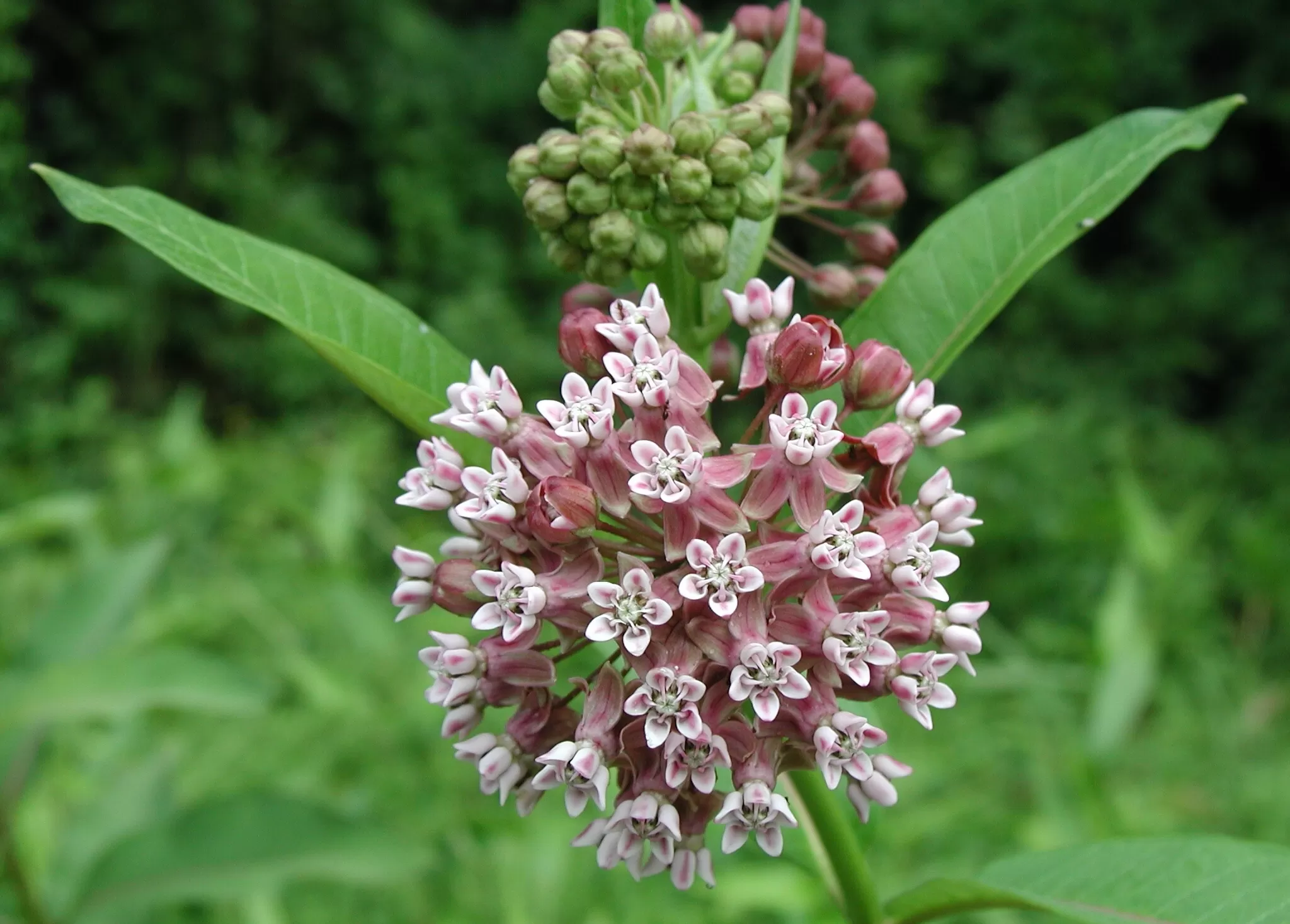
Vibrant pink-purple flower clusters of Common Milkweed (Asclepias syriaca), a top choice among milkweed varieties for monarch caterpillars.
Welcome, fellow garden enthusiasts, to a journey into the world of milkweed! If you’ve ever marveled at the majestic flight of a monarch butterfly, you’ve witnessed a creature deeply connected to one special group of plants. The monarch population has faced daunting challenges, but we, as gardeners, hold a powerful key to their comeback: planting native milkweed varieties. It’s more than just adding a plant to your garden; it’s about weaving a thread of life, creating a sanctuary, and participating in a beautiful ecological story. I still remember the first time I saw a monarch caterpillar munching happily on a swamp milkweed I’d planted – it was a tiny miracle, a direct result of a simple gardening choice. Let’s explore some incredible milkweeds that can transform your garden into a haven for these winged wonders and fill your heart with the joy of nurturing nature.
The monarch butterfly’s lifecycle is intricately tied to milkweed. Female monarchs lay their eggs exclusively on these plants, and the emerging caterpillars rely on milkweed leaves as their sole food source. Sadly, habitat loss and the decline of native grasslands have drastically reduced the availability of these crucial plants. By choosing native milkweed varieties—those that have co-evolved with monarchs in your region—you provide the most suitable nourishment and support their natural migration patterns. Planting native milkweed is a direct and impactful way to contribute to monarch conservation, right in your own backyard.
Let’s dive into some of the most beloved and beneficial milkweed species. Each one has its unique charm and growing preferences, ensuring there’s a perfect fit for almost any garden.
Common Milkweed is a classic choice for a reason. Its large, fragrant globes of pinkish-purple flowers are a magnet for monarchs and a host of other pollinators. It’s a robust grower, perfect for creating a naturalized milkweed patch. Watching the intricate flowers develop and then seeing them bustling with activity is a true garden delight.
This tall perennial is known for its distinctive, large seed pods that release silky, wind-borne seeds in the fall. It can spread, so give it some space or consider it for a wildflower meadow or a dedicated butterfly garden area.
With its fiery orange to yellowish-orange flat-topped flower clusters, Butterflyweed is a true showstopper. Unlike other milkweeds, it has clear sap, not milky. It’s wonderfully drought-tolerant once established, making it an excellent choice for sunny, drier spots in your garden. I love how its vibrant color acts like a beacon, drawing butterflies from all around.
This species is generally well-behaved and doesn’t spread as aggressively as Common Milkweed, making it a great fit for perennial borders and more formal garden settings. Its long bloom time from early to late summer provides a sustained nectar source.
Don’t let the name “swamp” fool you; while it loves moisture, Swamp Milkweed can adapt to average garden soils as long as it doesn’t dry out completely. Its beautiful clusters of intricate pink to mauve flowers have a lovely vanilla-like fragrance. This was one of the first milkweed varieties I planted, and its elegant blooms quickly became a favorite.
It’s a fantastic choice for rain gardens or areas with slightly more moisture. The tall, branching stems provide a wonderful vertical accent in the garden, and monarchs absolutely adore it.
Aptly named for its unique, curved seed pods that resemble antelope horns, this milkweed is a fascinating addition to gardens in arid and semi-arid regions. Its pale, greenish-yellow flowers, often tinged with maroon, are held in large, spherical clusters.
This clump-forming perennial is well-adapted to dry conditions and is an important early-season nectar source and host plant in its native range. Its distinct appearance makes it a conversation starter!
Purple Milkweed boasts stunning, deep magenta-purple flowers that are truly captivating. It’s often considered one of the most ornamental milkweed varieties. The rich color is a beautiful contrast against its green foliage.
It prefers well-drained soils and can tolerate a bit more shade than some other milkweeds, though it flowers best in sun. It can be a bit slower to establish but is well worth the wait for its gorgeous blooms.
True to its name, Showy Milkweed features large, globe-like clusters of pinkish, star-shaped flowers with a sweet fragrance. Its broad, blue-green leaves are also quite attractive. This species is similar in appearance to Common Milkweed but often has larger, more prominent “hoods” on its flowers.
It’s a robust plant that thrives in sunny locations and is a favorite of monarch butterflies, especially in western North America. It can spread by rhizomes, so consider this when choosing a planting location.
A unique beauty for West Coast gardens, California Milkweed is distinguished by its white, woolly foliage and striking deep purple flowers. It’s a real standout with its fuzzy texture and rich bloom color.
This perennial is well-suited to dry slopes and Mediterranean climates, making it a drought-tolerant champion. Its specialized native range means it’s a crucial plant for local monarch populations in California.
White Milkweed presents elegant, rounded clusters of small white flowers, often with purplish centers, resembling snowballs. It’s a more shade-tolerant option compared to many other milkweeds, making it versatile.
This species thrives in woodland edges or partly shaded garden spots with dry to mesic soil. Its clean white flowers provide a lovely contrast in shadier parts of a butterfly garden.
Whorled Milkweed is characterized by its fine, needle-like leaves arranged in whorls around the stem, giving it a delicate, airy appearance. It produces small, greenish-white flowers in flat-topped clusters.
This species is adaptable, tolerating a range of soil conditions from dry to moist, and is often found in prairies and open woodlands. It’s a later-blooming milkweed, providing an important food source when other flowers may be fading.
Also known as Narrowleaf Milkweed, this species is similar in appearance to Whorled Milkweed but is primarily found in western states. It features narrow leaves and clusters of greenish-white flowers, sometimes tinged with lavender or purple.
It’s a crucial host plant for monarchs in its native range and is quite drought-tolerant, making it suitable for xeriscapes and naturalistic Western gardens.
As its name suggests, Desert Milkweed is a champion of arid environments. It typically has pale yellow to creamy white flowers and striking, often silvery or light green, stems and leaves. Leaf characteristics can vary, sometimes smooth, sometimes hairy.
This is an excellent choice for desert landscapes and gardens with very dry, sandy soils and intense sun. It’s a testament to the adaptability of milkweed varieties.
Also known as Green Antelopehorn, this milkweed species features distinctive large, green-white flower clusters. Unlike Antelope-horns Milkweed (A. asperula), its seed pods typically lack the prominent “horns.”
It’s an important early-season host plant for monarchs in prairies, glades, and open woods throughout its native range. It’s quite tolerant of heat and various soil types.
While exploring milkweed varieties, you might encounter Tropical Milkweed (Asclepias curassavica) in garden centers. Though monarchs will use it, this non-native species can cause significant problems. It doesn’t die back in warmer climates, potentially leading to a buildup of a harmful parasite (Ophryocystis elektroscirrha, or OE) and disrupting natural monarch migration patterns.
Similarly, other non-native milkweeds like Blue Milkweed Vine (Tweedia caerulea or Oxypetalum coeruleum) are appearing in the trade, but their impact on monarchs is largely unknown. To best support these beautiful butterflies, it’s always recommended to stick with native milkweed species that have co-evolved with them.
Planting even a small patch of native milkweed can make a world of difference. Imagine the joy of spotting those first tiny caterpillars, watching them grow, and then, if you’re lucky, witnessing a monarch eclose and take its first flight from your garden. It’s a deeply rewarding experience that connects you directly to the wonders of nature. By choosing the right milkweed varieties for your area, you’re not just beautifying your space; you’re becoming a vital part of the monarch recovery story.
We hope this guide has inspired you to explore the diverse and beautiful world of milkweeds! Which native milkweed varieties thrive in your garden, or which ones are you excited to try? Share your experiences, questions, and monarch moments in the comments below. Let’s grow a brighter future for monarchs, one garden at a time!
Key takeaways: Discover 5 enchanting flowers to create a magical fairy garden Learn the symbolic…
Watermelon Red Crape Myrtle is a classic, versatile tree with stunning pink-red blooms Grows 20-25…
Key Takeaways: Oriental lilies are prized for their large, fragrant blooms They thrive in well-draining…
Key takeaways: Amaranth is easy to grow in containers, perfect for beginners and experienced gardeners…
Vibrant, low-maintenance flowers for sunny spots Continuous color throughout summer Perfect for borders, ground cover,…
Here's how implementing no-dig techniques can transform your container gardening: Build Richer Soil: Layers of…