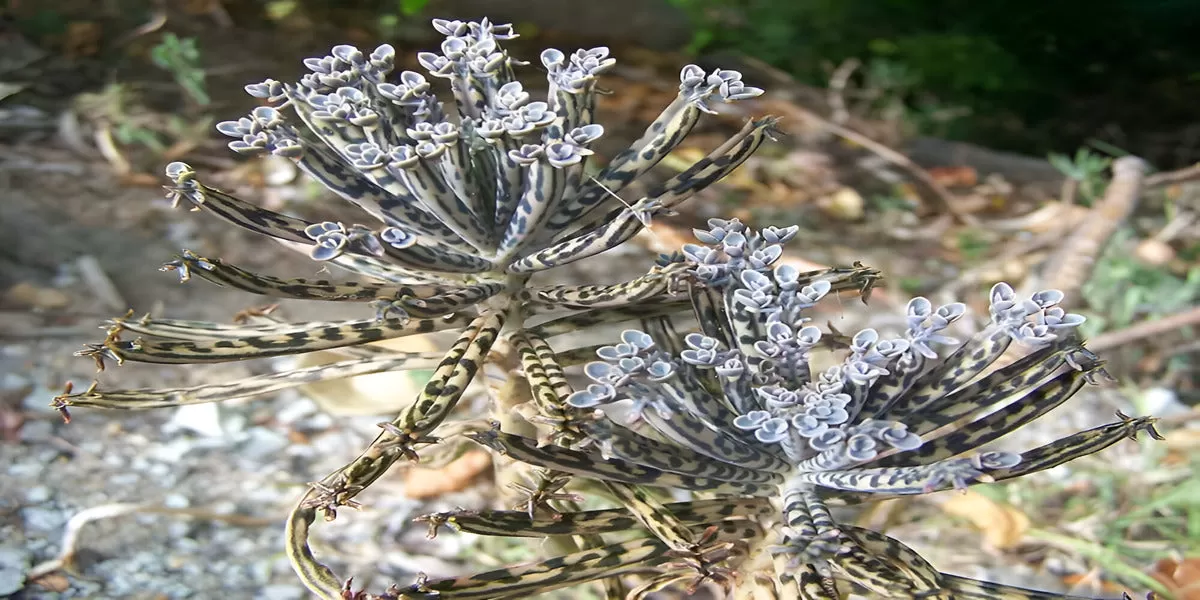
Mother of Millions Plantlets
The Mother of Millions ( Kalanchoe delagoensis), also known as the Chandelier Plant, is a fascinating succulent renowned for its prolific reproduction. Its name derives from the countless plantlets that sprout along its leaves, each capable of growing into a new plant. This comprehensive guide dives into every aspect of mother of millions care, equipping you with the knowledge to nurture this unique succulent.
The Mother of Millions is native to Madagascar but has naturalized in other regions. It’s a striking plant with thick, fleshy, narrow leaves arranged in a rosette formation. The leaves are typically green with reddish-brown markings and have scalloped edges adorned with tiny plantlets. These “babies” are clones of the parent plant, complete with miniature roots and leaves, ready to drop off and establish themselves.
Mother of Millions is a drought-tolerant succulent, so less is more when it comes to watering. Water thoroughly when the soil is completely dry, allowing the water to penetrate deeply. Avoid overwatering, which can lead to root rot. Reduce watering frequency in winter as the plant enters dormancy.
Provide bright, indirect light for optimal growth. If growing indoors, place near a window that receives ample sunlight. Outdoors, protect from intense midday sun. Leggy growth and pale leaves indicate insufficient light, while brown or scorched leaves signify too much direct sun.
Use a well-draining soil mix specifically formulated for succulents. A commercial mix or a blend of garden soil, sand, and perlite works well. Fertilize sparingly, once a year in spring with a balanced NPK fertilizer.
Mother of Millions prefers temperatures between 60-85°F (15-29°C) and can tolerate average indoor humidity. Protect from frost and extreme cold, especially during winter.
Prune sparingly, removing dead or damaged leaves and trimming leggy stems to encourage bushier growth. Dispose of trimmed leaves and plantlets carefully to prevent unwanted propagation.
Repot every 1-2 years or when the plant outgrows its current pot, preferably in spring or summer after blooming. Use a slightly larger pot with fresh, well-draining soil.
Propagating Mother of Millions is remarkably easy. Gently detach the plantlets from the leaf margins and plant them directly in soil or place them in water until roots develop.
Mother of Millions is generally pest-resistant but can be susceptible to powdery mildew and root rot. Address these issues promptly with appropriate treatments.
Mother of Millions is toxic to humans and pets if ingested. Keep out of reach of children and animals.
Mother of Millions is considered invasive in some areas due to its prolific reproduction. Be mindful of its potential to spread and avoid planting in areas where it could become a problem.
With its unique appearance and ease of care, the Mother of Millions is a rewarding plant to grow. By following these mother of millions care guidelines, you can enjoy the beauty and fascinating reproductive nature of this intriguing succulent. Do you have any tips or experiences to share? Leave a comment below!
Key takeaways: Discover 5 enchanting flowers to create a magical fairy garden Learn the symbolic…
Watermelon Red Crape Myrtle is a classic, versatile tree with stunning pink-red blooms Grows 20-25…
Key Takeaways: Oriental lilies are prized for their large, fragrant blooms They thrive in well-draining…
Key takeaways: Amaranth is easy to grow in containers, perfect for beginners and experienced gardeners…
Vibrant, low-maintenance flowers for sunny spots Continuous color throughout summer Perfect for borders, ground cover,…
Here's how implementing no-dig techniques can transform your container gardening: Build Richer Soil: Layers of…