- Discover the joys and benefits of patio gardening, no matter your space or experience level.
- Learn how to choose the right plants, containers, and layout for a stunning display.
- Explore expert tips and tricks for maintaining a healthy and vibrant patio garden.
- Get inspired by real-life examples and creative ideas for your own unique outdoor oasis.
A patio garden is a wonderful way to bring the beauty and serenity of nature to your doorstep, even if you have limited space. Whether you’re dealing with physical limitations, apartment living, or simply prefer the convenience of container gardening, a patio garden can be a thriving and rewarding experience. For over seven years, I’ve cultivated a flourishing patio-only garden, and I’m excited to share my insights and experiences with you. This guide covers everything you need to know to create your own stunning patio garden.
Planning Your Patio Garden Paradise
The first step in creating a successful patio garden is understanding your space and choosing the right plants. Consider the amount of sunlight your patio receives throughout the day. This will determine which plants will thrive in your environment. You can group plants with similar sunlight needs in the same containers. For example, create one container specifically for full-sun perennials, another for part-sun plants, and a third for shade-loving varieties.
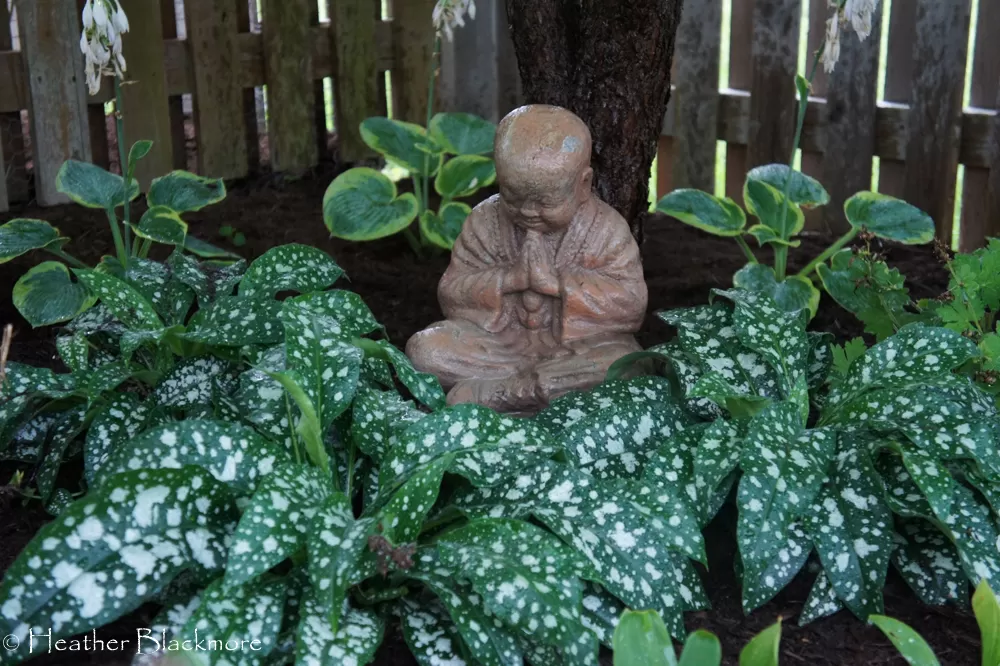
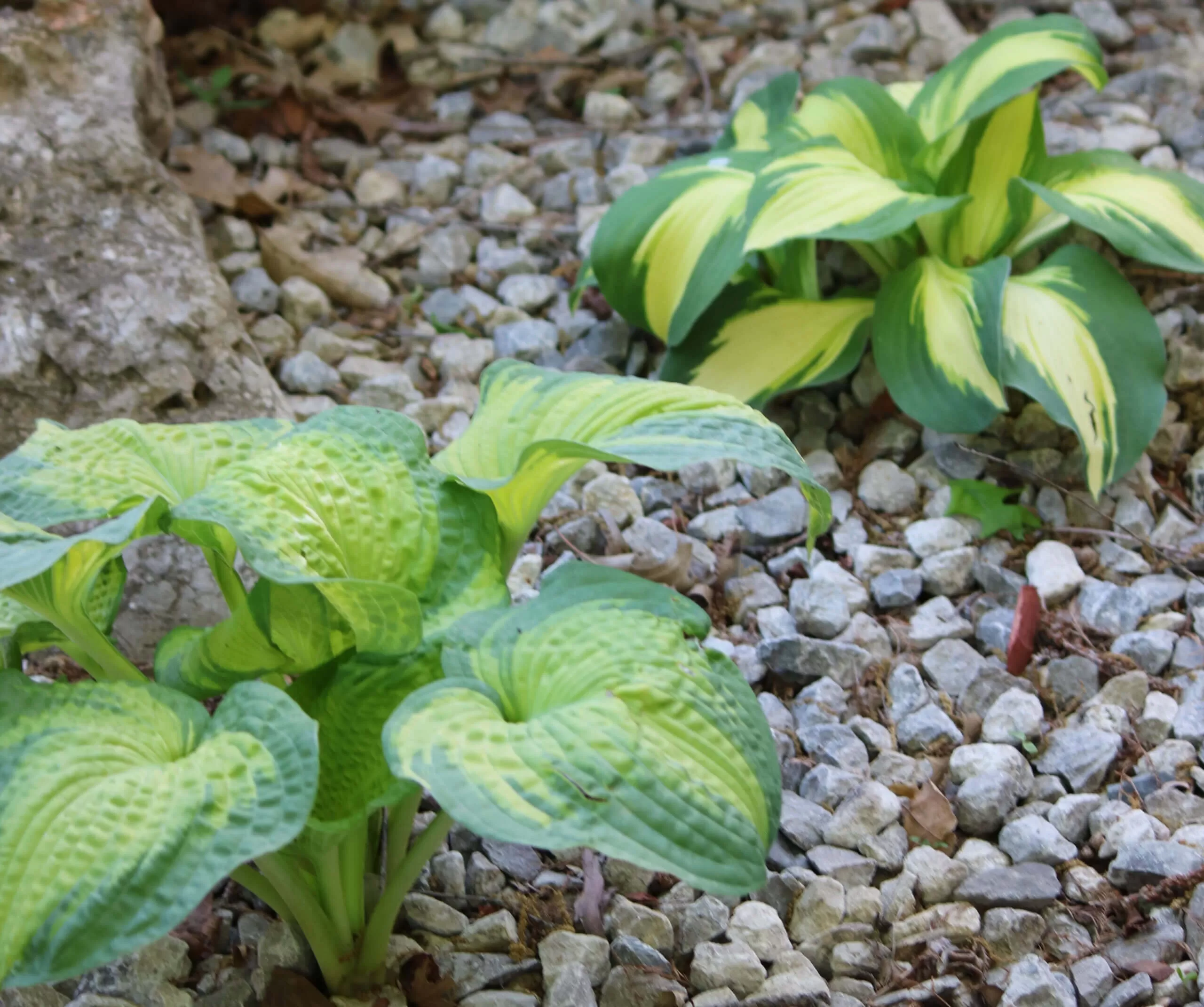 Two Hosta plants surrounded by gravel in a shade garden.
Sun-Drenched Patio Gardens
For patios bathed in sunlight, a wide array of vibrant plants can thrive. Popular choices for full-sun patio gardens include:
- Geraniums: Known for their colorful blooms and easy care.
- Petunias: Cascading beauties available in a rainbow of hues.
- Marigolds: Cheerful and low-maintenance annuals.
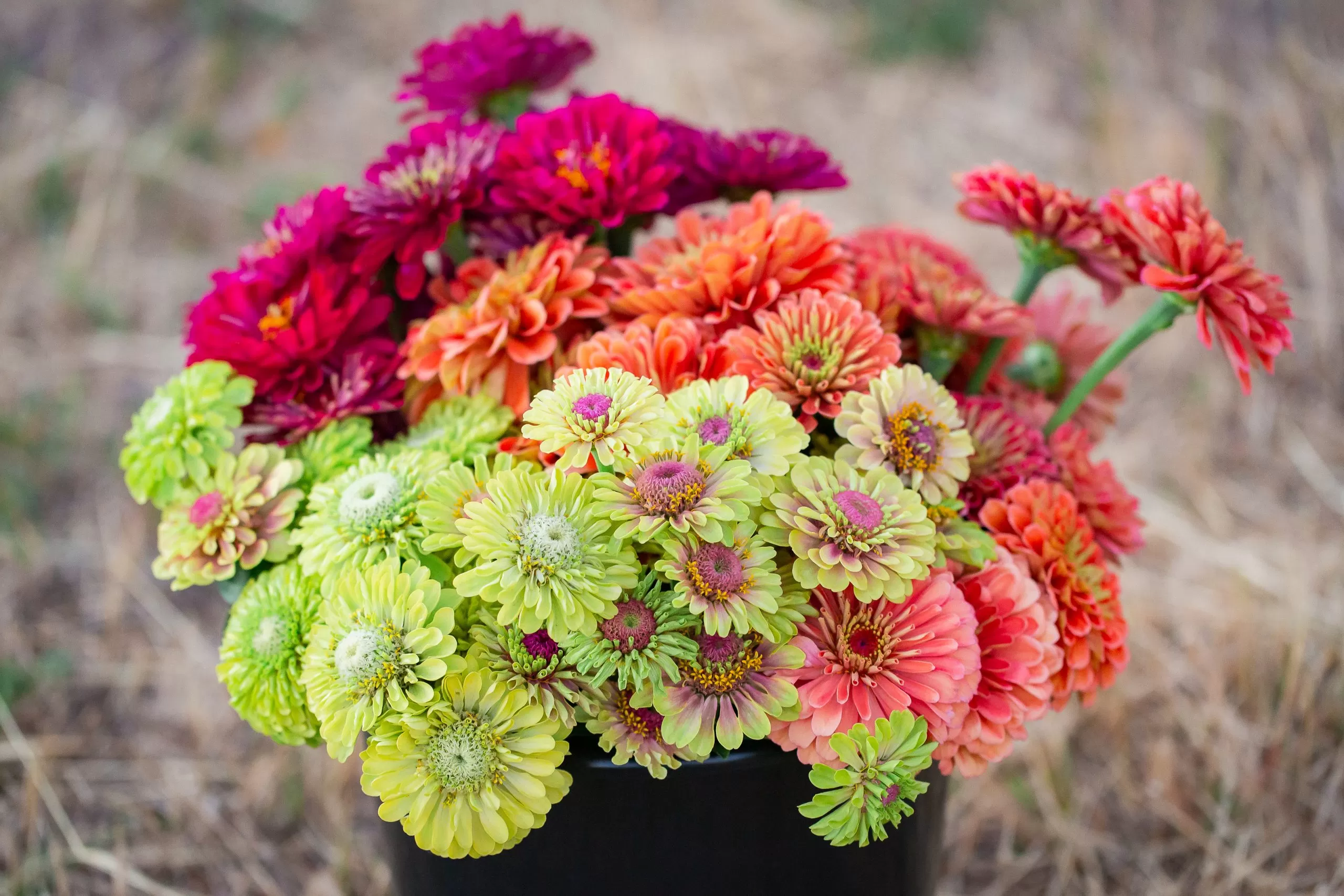
- Zinnias: Attractive to pollinators and available in various heights and colors.
- Sunflowers: Bring a touch of summer with their towering stalks and bright yellow faces.
Shady Retreats: Patio Gardens for Low Light
If your patio is shaded for most of the day, don’t despair! Many beautiful plants flourish in low-light conditions. Some excellent options for shade gardens include:
- Hostas: These leafy perennials offer a variety of textures and colors.
- Ferns: Delicate and graceful, ferns add a touch of woodland charm.
- Impatiens: Provide continuous color in shady spots.
- Begonias: Available in various types, offering both foliage and floral interest.
- Coleus: Known for their vibrant and colorful foliage.
Check out more on shade gardens for further inspiration.
Fragrant Delights: Patio Herb Gardens
Herb gardens are a delightful addition to any patio, providing fresh ingredients for your culinary creations. Most herbs thrive in full sun, making them ideal for sunny patios.
Seven Sensational Herbs for Container Gardening:
- Basil: A versatile culinary herb with a sweet, slightly peppery flavor.
- Greek Oregano: A classic herb for Mediterranean dishes.
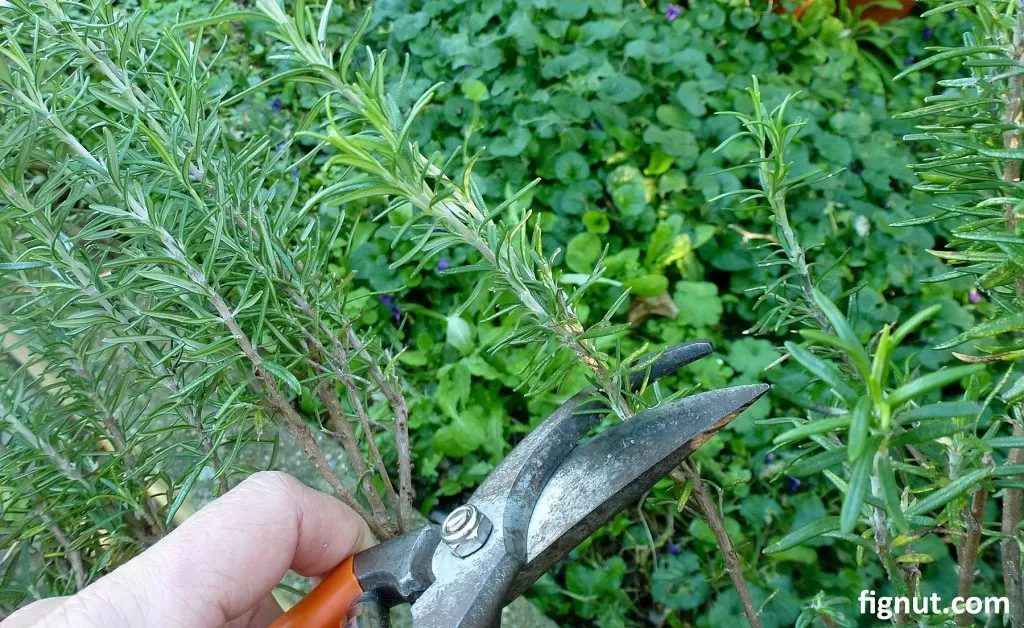
- Rosemary: An aromatic herb with a piney scent.
- Thyme: A versatile herb with a subtle, earthy flavor.
- Mint: A refreshing herb with a cool, invigorating taste.
- Parsley: A popular garnish and flavor enhancer.
- Lemon Balm: A lemony herb with a calming aroma.
Personal favorites include lemon verbena, with its strong, sweet scent, and pineapple sage, offering a tropical twist. Rosemary and chives are also staples in my patio garden. Having a pot of chives just outside the door makes it easy to snip fresh chives for baked potatoes and other dishes.
Growing Vegetables on Your Patio
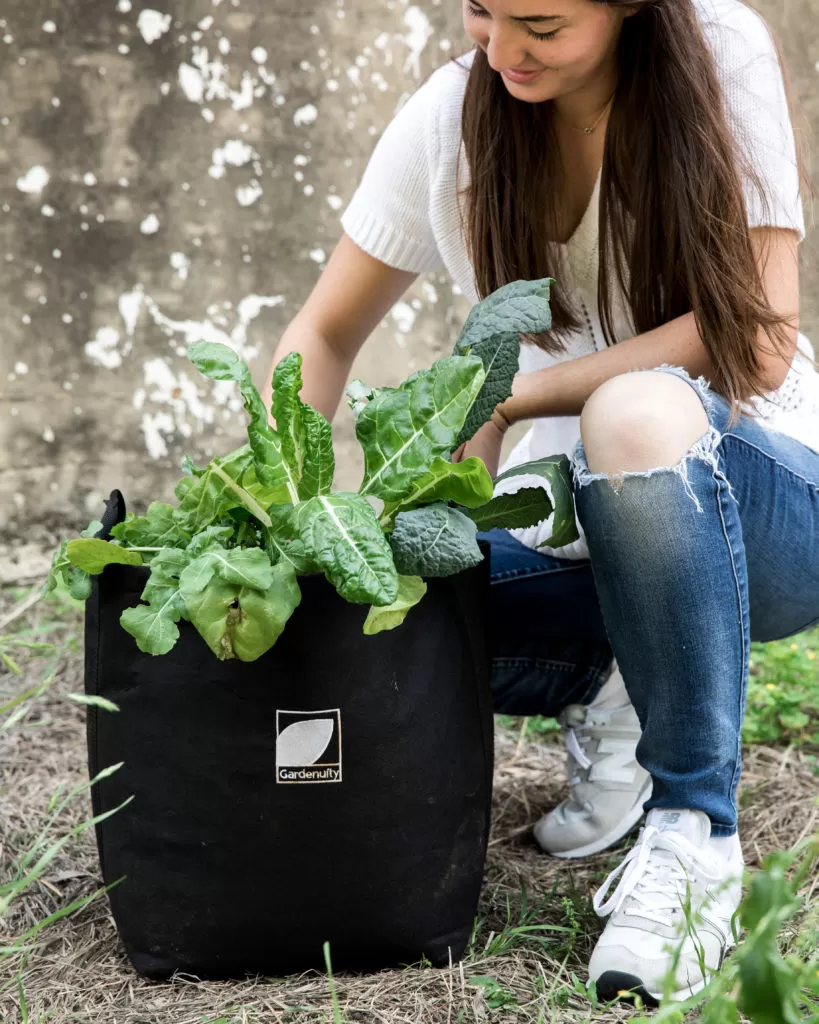
You can even cultivate a bountiful vegetable garden on your patio! Many vegetables thrive in containers, allowing you to enjoy fresh, homegrown produce even in a small space.
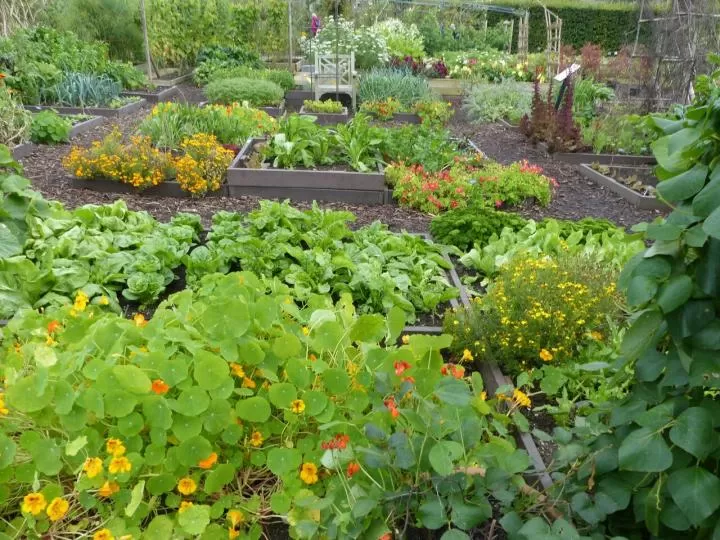
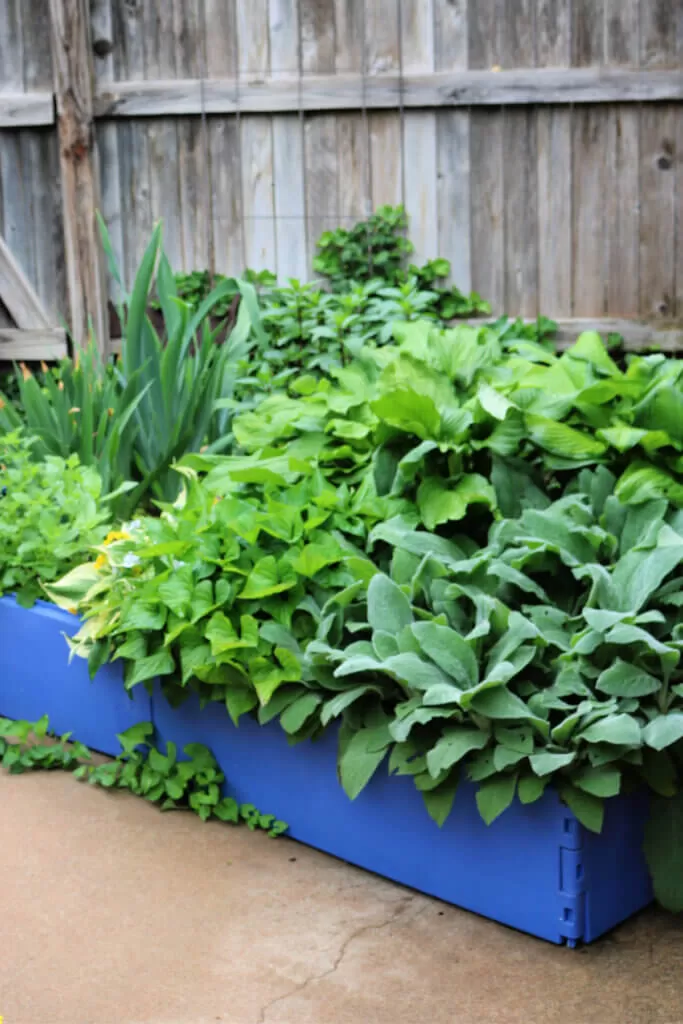 A raised garden bed filled with various plants.
Here’s a quick guide to vegetable container gardening, outlining the sunlight requirements for different vegetables:
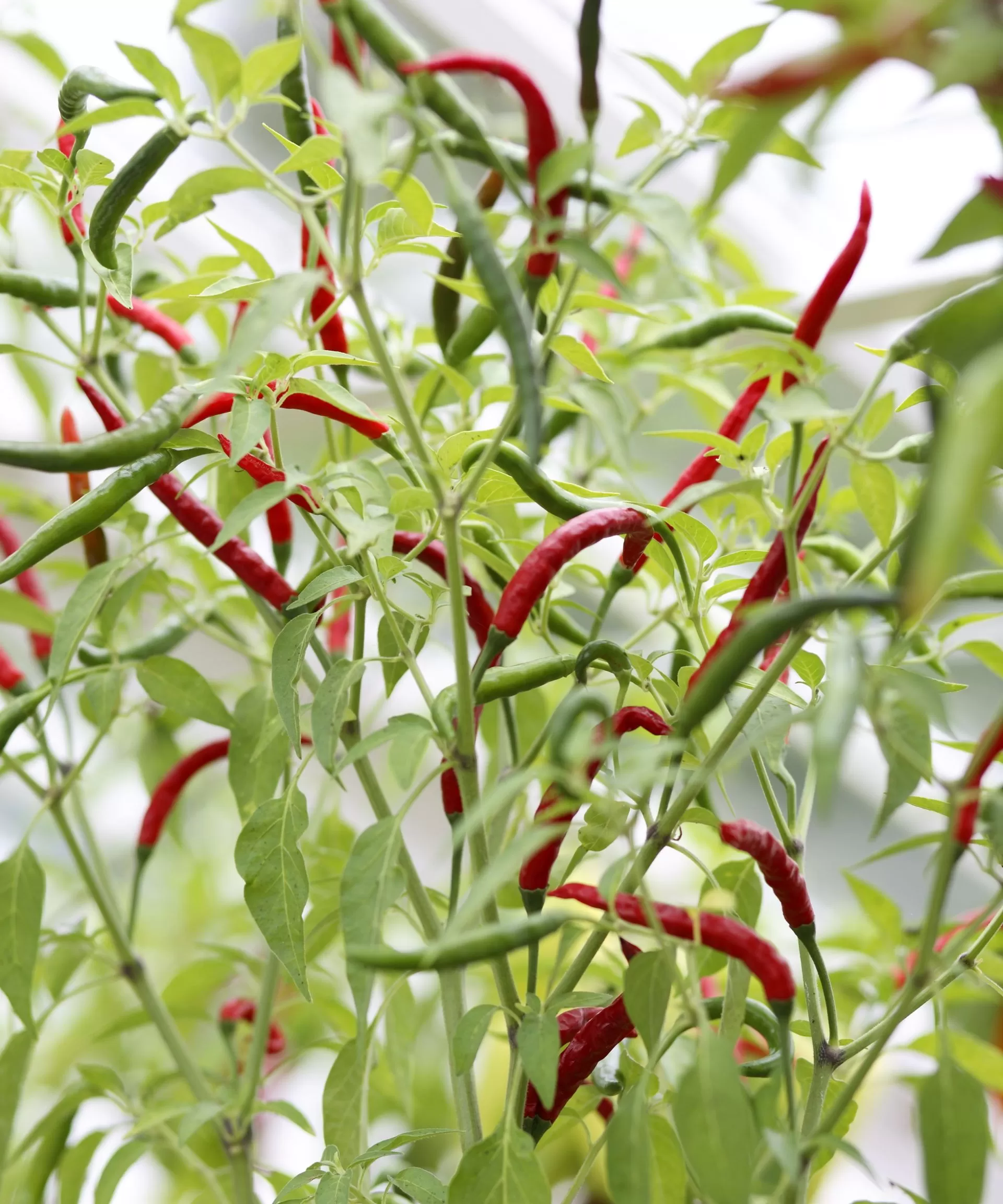
- Full Sun (6-8 hours of direct sunlight): Tomatoes, peppers, cucumbers, squash, beans, eggplant.
- Partial Sun (4-6 hours of direct sunlight): Lettuce, spinach, kale, carrots, beets, radishes.
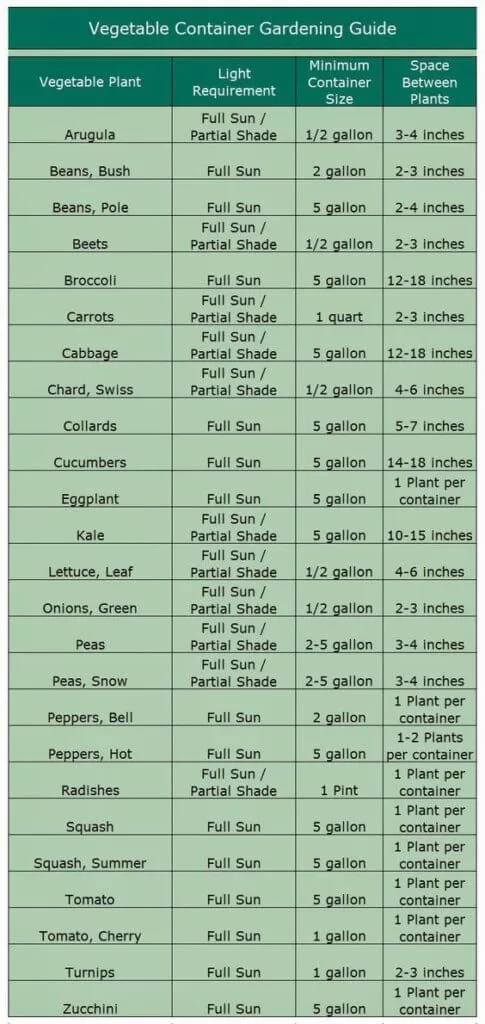 A graphic illustrating raised bed vegetable gardening.
Designing with Thrillers, Fillers, and Spillers
For visually appealing container arrangements, consider the “thriller, filler, and spiller” concept:
Thrillers:
Thrillers are tall, upright plants that add height and drama to your containers.
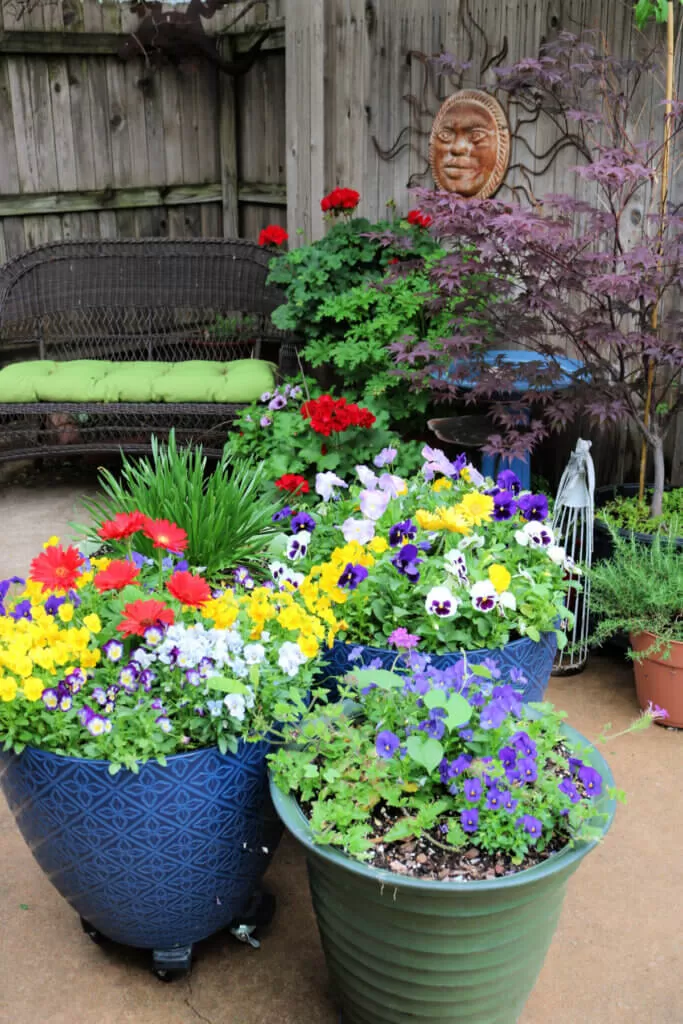 A section of a patio garden with taller plants in the background.
Examples: Ornamental grasses, Alocasia, Canna lily, Yucca, Aster, Coleus, Cosmos, Dracaena.
Fillers:
Fillers are mounding plants that fill the space between thrillers and spillers.
Examples: Geranium, Petunia, Pansy, Coleus, Dusty miller, Begonia, Pentas, Lantana.
Spillers:
Spillers are trailing plants that cascade over the edges of the container, adding a touch of elegance and softness.
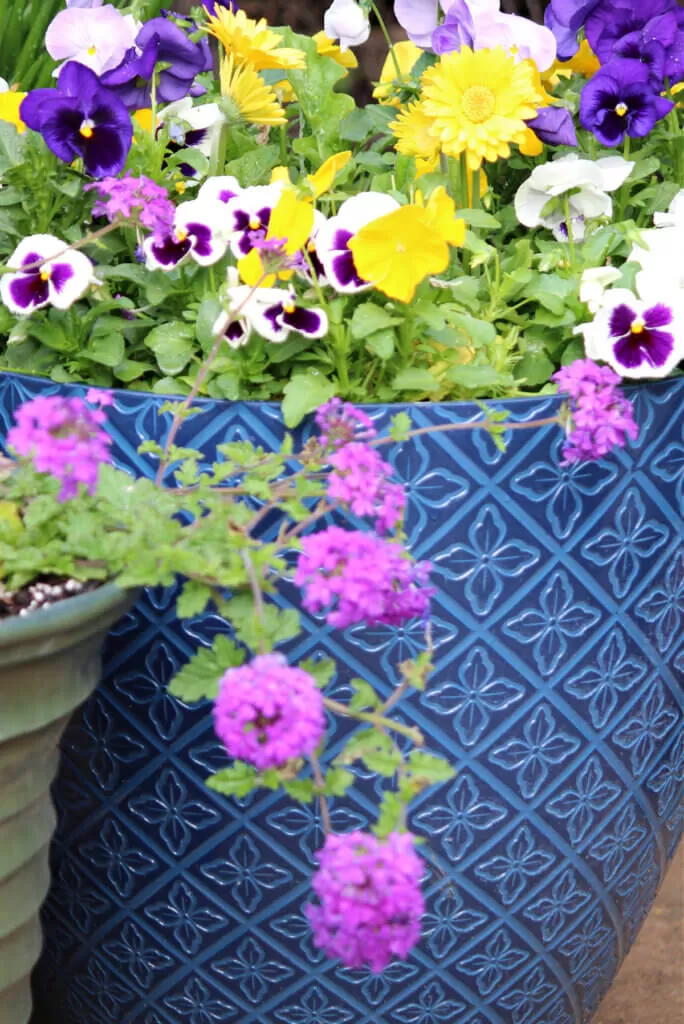 Purple verbena spilling over the edge of a container.
Examples: Allysum, Million bells, Fuchsia, Helichrysum, Sweet potato vine, Mandevilla, Nasturtium, Morning glory, Bacopa, String of pearls.
Conclusion
Creating a thriving patio garden is a rewarding experience that brings the beauty of nature to your doorstep. By carefully planning your space, selecting the right plants, and following these tips and tricks, you can cultivate a vibrant and flourishing patio garden that you’ll enjoy for years to come. We encourage you to share your own patio gardening experiences and tips in the comments below!