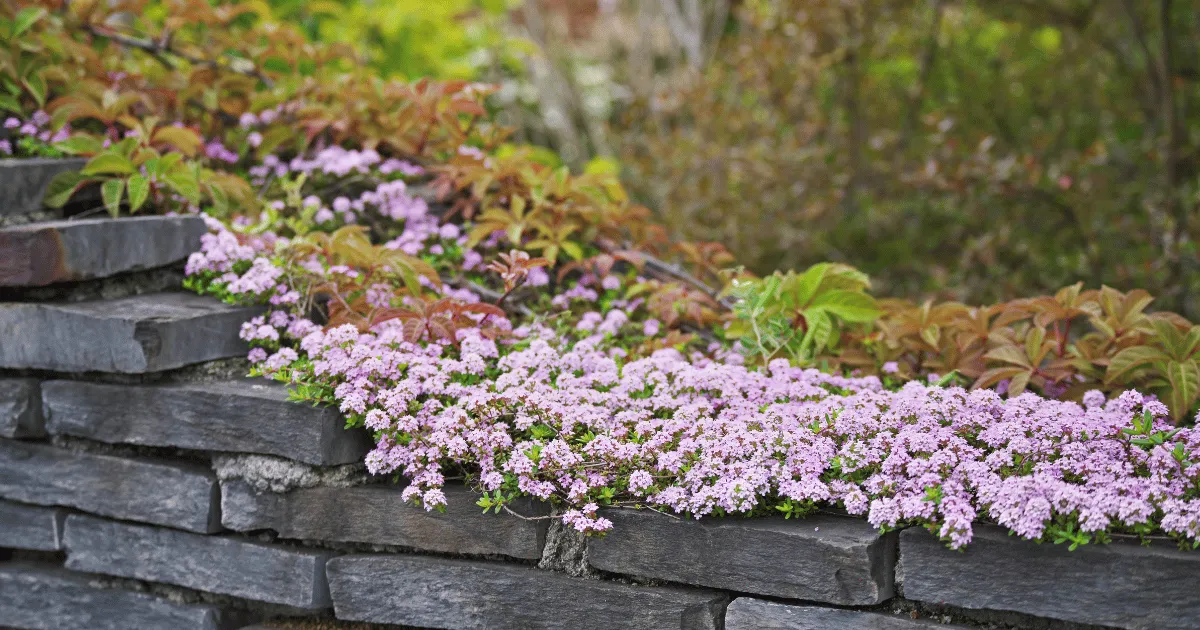
Creeping thyme on a brick wall
Just like the rhythm of seasons dictates our planting, trends in gardening guide our choices. While fashion has its runways, the world of horticulture is buzzing with shifts towards plants that offer more than just visual appeal. We’re seeing a significant movement towards sustainability, resilience, and productivity in our green spaces. This growing interest is putting a spotlight on perennial plants – those incredible species that return year after year, reducing the need for replanting and often requiring less care.
This fascination with perennials naturally leads to exploring plants that serve multiple purposes. Why plant something that only looks pretty when you could have a plant that also supports pollinators, offers medicinal benefits, or provides delicious edibles? This is where the excitement around perennial vegetable trends and other useful perennials comes into play. Gardeners are increasingly looking beyond traditional annual vegetables to discover long-lasting, low-effort food sources and beneficial plants. While the term “perennial vegetable” might conjure images of asparagus or rhubarb, the trend encompasses a wider range of perennial edibles, including many herbs and plants with edible parts that are also celebrated for their medicinal properties or ecological value.
Let’s dive into some of the most popular perennials captivating gardeners right now, many of which embody this spirit of usefulness and contribute to the broader landscape of edible and sustainable gardening.
Earning its place at the top, Creeping Thyme has become a star performer. This low-growing perennial groundcover has seen a huge surge in popularity. Its appeal lies not just in its lovely fragrance and tiny purple blooms, but also its incredible resilience. Gardeners love it for pathways, between stepping stones, or as a beautiful, walkable lawn alternative. It’s a tough plant that brings a touch of fragrant beauty to challenging spots, embodying the low-maintenance quality people seek in sustainable gardens.
A North American native wildflower, Lemon Bee Balm brings a delightful citrusy aroma to the garden, making it a favorite in both herb and flower beds. Its vibrant purple flowers are a magnet for beneficial insects like hummingbirds and butterflies, crucial allies in any productive garden, including those focused on perennial vegetable trends. The leaves contain citronellol, a compound used in natural insect repellents. Combining beauty, fragrance, and practical uses, Lemon Bee Balm perfectly fits the trend of cultivating multi-functional plants.
In a world increasingly interested in natural wellness, Self Heal is making a comeback. This perennial is celebrated for its beautiful spikes of purple flowers and its long history in herbal medicine. Its very name, “Heal All,” speaks to its traditional uses for various ailments. Often found thriving in meadows and woodlands, Self Heal is a symbol of nature’s resilience. Its blend of historical significance, potential wellness benefits, and simple beauty makes it a popular choice for modern gardeners exploring medicinal herbs and useful perennials.
Don’t let the name scare you! Stinging Nettle is far more than its initial prickly touch. This plant is a nutritional powerhouse, packed with iron, magnesium, and calcium. Once processed (by cooking or drying), the leaves are delicious and can be used in teas, soups, and even smoothies. Beyond its culinary and health benefits, nettle also improves soil health, making it a valuable addition to a sustainable garden. Its growing popularity highlights the trend towards incorporating nutrient-rich, beneficial plants, aligning with the interest in diverse edible gardens, including those focused on perennial vegetable trends.
With its charming daisy-like flowers and aromatic leaves, Feverfew is both decorative and historically significant. Traditionally used to help with migraines and reduce inflammation, it represents the renewed interest in plants with medicinal uses. Gardeners also appreciate Feverfew because it’s low-maintenance and can help repel certain insects. Its hardiness and gentle beauty make it a sought-after perennial.
Yarrow has become a garden sensation, with interest booming not just in the classic white varieties but also in vibrant golds and mixed colors. Achillea millefolium is more than just a pretty face; it’s known for medicinal properties, drought resistance, and its strong appeal to pollinators. This perennial’s rapid rise in popularity underscores the desire for tough, beneficial plants that support garden ecosystems.
A timeless favorite, English Lavender continues to capture hearts. Its intoxicating fragrance, beautiful purple blooms, and calming qualities make it a must-have. Beyond its beauty, it’s a versatile herb used in aromatherapy, cooking, and crafts. Planting lavender adds Mediterranean charm and provides a vital food source for bees, reflecting the trend towards pollinator-friendly and multi-purpose gardens.
A truly unique plant gaining attention is the Toothache Plant. Famous for the numbing, tingling sensation it creates when chewed, it’s traditionally used as a natural dental remedy. Its bright yellow and red button-like flowers also add a unique visual pop to the garden. This plant exemplifies the interest in exotic and useful perennials, showcasing the diverse benefits beyond just traditional food crops that fall within the broader scope of edible gardening trends.
True Comfrey is a standout perennial, appreciated for its lush foliage and delicate bell-shaped flowers. Historically valued in herbal medicine for its alleged wound-healing properties, it’s also gaining traction as a valuable permaculture plant. Comfrey is excellent for improving soil health, acting as a “dynamic accumulator” that brings up nutrients from deep in the soil. Its dual role in natural remedies and soil improvement makes it highly sought after in sustainable gardening circles.
A quintessential North American native, Purple Coneflower remains a garden favorite. Its vibrant, cone-shaped flowers are not only visually appealing but also have a rich history in herbal medicine, believed by many to support the immune system. Echinacea is resilient, making it easy for beginners, and crucial for pollinators, playing a vital role in a healthy garden ecosystem. Its enduring popularity reflects the desire for beautiful, beneficial, and easy-to-grow plants.
Wild Bee Balm is a perennial powerhouse, instantly recognizable by its tall lavender blooms that are irresistible to bees, hummingbirds, and butterflies. This native wildflower, part of the mint family, has aromatic leaves traditionally used in teas and remedies. Its striking appearance and fragrant foliage make it a key plant for gardeners aiming to create vibrant, pollinator-friendly spaces, aligning with the ecological focus within perennial vegetable trends and sustainable practices.
White Sage stands out for its striking silvery-white foliage and deep cultural significance, particularly for indigenous tribes who traditionally use it for smudging ceremonies. Native to the southwestern US, this drought-tolerant plant also attracts pollinators and has potential antimicrobial properties. Its increasing popularity reflects interest in culturally significant, aromatic, and resilient plants suitable for drier climates.
Affectionately called “Green Carpet,” Rupturewort is a resilient, low-growing perennial. Historically noted for potential medicinal properties, it’s now increasingly popular as a tough, walkable groundcover. Its ability to form a dense, moss-like carpet makes it a fantastic alternative to traditional lawns or a beautiful filler between pavers, aligning with the desire for low-maintenance and aesthetically pleasing solutions.
The Cardinal Flower is a true showstopper with its intense spikes of vivid red flowers. This native wildflower is a favorite of hummingbirds, making it essential for anyone wanting to attract these tiny aerial acrobats. Its striking color makes a bold statement in rain gardens, pond edges, or perennial borders, reflecting the trend towards planting for wildlife attraction and dramatic effect.
Blue Hyssop is a dual-purpose perennial herb, cherished for both its striking blue flower spikes and its minty aroma. It’s used culinarily and also serves as a strong attractant for bees and butterflies, promoting biodiversity. Its role as an ornamental, culinary, and ecological asset makes it a perfect fit for the modern trend of integrating useful plants into garden designs.
A symbol of late summer, Black Eyed Susans are enduring favorites. Their sunny yellow petals and dark centers bring cheer to any garden. These resilient wildflowers are tough, drought-tolerant, and fantastic for attracting pollinators. Their ability to thrive and bloom generously year after year solidifies their place as a reliable perennial staple.
For a springtime explosion of color, Rockcress varieties are unbeatable. Purple Rockcress offers deep purple cascades, while the Royal Mix provides a vibrant blend of purples, pinks, and reds. These early bloomers spill beautifully over walls or rocks and are a welcome sight for early emerging butterflies. Their dazzling display kicks off the season with beauty.
Valerian, known for its use as a traditional natural sleep aid, is a tall perennial herb with delicate white or pink flowers. Its roots are the part primarily used medicinally. Valerian’s place in gardens highlights the ongoing interest in growing plants for health and wellness, fitting into the broader trend of cultivating useful, multi-functional plants alongside more traditional edibles highlighted in perennial vegetable trends.
Beloved by felines everywhere, Catnip is also a great addition for humans! This member of the mint family is easy to grow and its scent is famously irresistible to many cats. For people, Catnip has calming properties and is used in herbal teas. Whether for pet amusement or human relaxation, Catnip is a popular and easy-to-grow perennial.
Mugwort is an intriguing perennial with silvery-green foliage and a rich history tied to folklore and traditional medicine. Used across various cultures, including in traditional Chinese medicine, it’s gaining interest for its potential properties and unique texture in the garden. It adds a touch of mystique and resilience to borders.
Lamb’s Ear is a tactile delight, its soft, fuzzy silver-green leaves irresistible to touch. It’s a fantastic, low-maintenance ground cover, adding a lovely textural contrast. Historically, its leaves were even used as makeshift bandages. Its unique feel and easy care make it a consistent garden favorite, especially in sensory gardens.
Often unfairly seen as a weed, the True Dandelion is reclaiming its reputation as a valuable perennial. Every part of the plant is edible and nutritious – the leaves for salads, roots for tea, and flowers for wine or jelly. It also supports early pollinators. Its recognition as a versatile, edible, and beneficial plant highlights the shift towards appreciating the utility and resilience of common “weeds,” a concept that resonates strongly with the principles behind exploring perennial vegetable trends and foraging.
A fragrant evergreen herb, Rosemary is indispensable in the kitchen but also prized for its ornamental and aromatic qualities. Used in cooking, aromatherapy, and traditionally associated with memory, its pine-like scent is invigorating. Rosemary’s versatility in landscapes – as a border, container plant, or hedge – and its drought tolerance make it a highly valued perennial.
With its tall, striking flower stalks and soft, velvety leaves (sometimes called “bunny’s ears”), Common Mullein is a dramatic presence. Historically used in respiratory remedies, it’s a popular biennial or short-lived perennial that attracts pollinators. Its unique form and traditional uses make it a favorite in naturalistic and medicinal gardens.
Not the campfire treat, the Marshmallow plant is a beautiful perennial with soft leaves and delicate pale pink flowers. Its roots and leaves have a long history of use in herbal medicine, particularly for soothing irritation. As a tall, graceful plant, it adds visual appeal while offering traditional uses, appealing to those interested in growing their own herbal remedies.
Red Clover is a charming perennial legume with vibrant pinkish-purple flowers. It’s excellent for attracting bees and other pollinators, vital for garden health. Traditionally used for wellness, its young leaves and flowers are also edible. Plus, as a nitrogen-fixer, it naturally improves soil fertility, making it a highly beneficial plant for any garden aiming for sustainability and productivity.
A truly exotic beauty, the Blue Passionflower is a stunning perennial vine. Its intricate blue and white blooms are mesmerizing and have earned it prestigious garden awards. It’s not just a looker; it’s a fantastic plant for attracting pollinators, especially butterflies, and produces a mild, edible fruit. This vine exemplifies the trend of incorporating beautiful, functional, and wildlife-friendly plants.
Peppermint is a refreshing classic. Its cool aroma and zesty flavor make it a kitchen and tea favorite. The plant itself is robust, often used as a ground cover, and is known for deterring certain pests, making it a good companion plant for vegetables. Its easy growth and multiple uses ensure its continued popularity in home gardens, contributing to the growing interest in home-grown edibles and herbs.
Lemon Balm is a charming perennial herb with a delightful lemon scent. Its leaves are used in teas and dishes and are traditionally associated with calming properties. Its small white flowers are a magnet for bees, making it excellent for pollination. Its soothing nature and pollinator support make it a welcome addition to any garden seeking tranquility and ecological balance.
Unlike its annual cousin, Roman Chamomile is a perennial that graces your garden with its sweet, apple-scented, daisy-like flowers year after year. It forms a lovely ground cover and is famously used in teas for its soothing properties, promoting relaxation and sleep. Its gentle beauty and traditional uses make it a cherished perennial.
)
The world of gardening is constantly evolving, and the current focus on resilient, multi-functional plants reflects a desire for more sustainable and rewarding green spaces. The popularity of the plants discussed above, many of which offer culinary, medicinal, or ecological benefits alongside their beauty, is a clear indicator of this shift. This movement goes hand-in-hand with the growing interest in perennial vegetable trends, as gardeners discover the joy and ease of cultivating food sources that return year after year.
Incorporating these perennial powerhouses into your garden, whether for their beauty, utility, or ability to support local ecosystems, is a fantastic way to create a space that is both vibrant and productive. These plants demonstrate the incredible potential of perennials to enrich our lives and our gardens in countless ways.
Ready to add some enduring beauty and utility to your garden? Explore the possibilities these trending perennials offer and see how they can transform your space. Happy planting!
Key takeaways: Discover 5 enchanting flowers to create a magical fairy garden Learn the symbolic…
Watermelon Red Crape Myrtle is a classic, versatile tree with stunning pink-red blooms Grows 20-25…
Key Takeaways: Oriental lilies are prized for their large, fragrant blooms They thrive in well-draining…
Key takeaways: Amaranth is easy to grow in containers, perfect for beginners and experienced gardeners…
Vibrant, low-maintenance flowers for sunny spots Continuous color throughout summer Perfect for borders, ground cover,…
Here's how implementing no-dig techniques can transform your container gardening: Build Richer Soil: Layers of…